Public Steam disclosure research25,380 disclosures tracked
Where do games disclose AI use?
Search developers’ Steam disclosures, compare classified AI use across
games, and follow recorded changes.
This index adds cross-game classifications and statistics to
statements published on individual store pages.
Groups reflect automatic analysis of public disclosures; mature records are excluded. These counts do not measure AI use across all of Steam.
Missing or unclear statements cannot establish whether a game uses AI.
Some visual assets (card art and character portraits) generated using Google Gemini image models. Some SFX partially generated via ElevenLabs where Unity Assets were not available. All licensed for commercial use. Game design, code, and text content are original.
All code in this game is generated with AI assistance. The game’s visuals and music also involve AI-aided processes, including image adjustments and extension of music segments. The gameplay concepts and skill/item designs are partially inspired by AI, with some skill and item names originating from AI-generated ideas.
Generative AI tools were used as development assistance for portions of the source code, including drafting, organization, and commenting. No live AI-generated content is produced during gameplay.
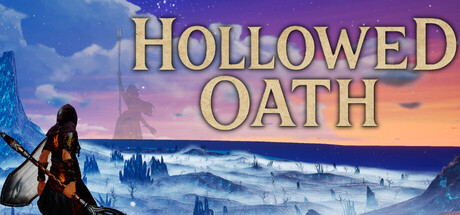
We believe in being transparent about how we build Hollowed Oath including where we use AI, and why. For a thoughtful look at how AI is used in Hollowed Oath, please visit: https://hollowedoath.com/ai-use
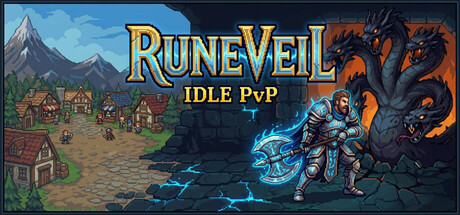
Runeveil: Idle PvP uses generative AI tools only during the design phase of 2D pixel art assets (characters, monsters, items, environments and icons). These visuals serve as a working base and are then edited, integrated and manually reviewed by the team before being added to the game.
No generative AI is used for the game's code, for generating content in real time during gameplay, nor for the soundtrack, narrative text or translations. All content you see in the game has been checked and assembled by hand.
All art and music in the game other than icons and sound effects were generated with AI. While I would prefer to ship the game with human artistry, I do not have the means at this time.
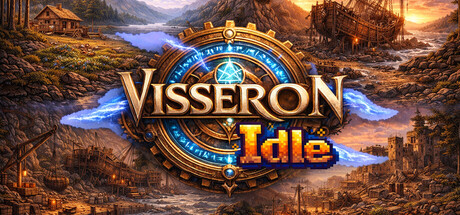
I use AI agents to aid in development of Visseron Idle as well. I am the brains, it is my hands when I need it.
No real-time generative AI in the client. Static in-game and store art/audio may include material initially produced with generative AI, revised and approved by the developer before release.
AI technology is used in a supplementary capacity during the conceptual and prototyping stages of our 2D assets. Any such assets are replaced through our production pipeline by our artists.
The core concepts, rules, and gameplay mechanics of The Bone Yard are entirely my own original creation. Because this is a solo passion project, I utilized generative AI as a development assistant to help bring my vision to life. AI tools were used to help brainstorm visual design elements, which I then curated and integrated into the game. I also used AI to assist with coding and text localization. The heart of the game, how it plays, how it feels, is 100% USDA Prime Human.
All narrative, lore, and in-game text were written entirely by our team. Music and sound design are produced by our talented sound designer. Character concepts and initial illustrations/visual designs are human created. AI tools were used to assist in the modeling pipeline, with all output reviewed, adjusted, and approved by the team. We are actively working towards bringing on a 3D artist as the project grows (reach out to us if this might be you).
AI tools assisted with game design documentation, initial draft text content, and development planning. The initial AI-generated in-game texts have been replaced with hand-written translations (German complete; English replacement in progress). All in-game content is reviewed and curated by the developer. No AI is used during gameplay.
This game was developed with the assistance of generative AI tools. AI-generated content includes background music, UI design, text, and other assets — with the exception of pixel art graphics, which were created by human artists.
During the development process, we may use procedural- and AI-based tools to assist with content creation. In all such cases, the final product reflects the creativity and expression of our own development team.
AI was used to assist with programming and refining in-game text (item descriptions, skill descriptions, UI text). Key art and logo are human-created. All other visual and audio assets are default RPG Maker MZ assets provided under license.
During the early prototyping phase, I use AI tools to visualize initial concepts and create temporary placeholders. All of these have been completely replaced in the final game with hand-crafted art created by myself and talented freelancers.
This game uses AI-generated images for character portraits, standing illustrations, and some backgrounds.
All generated assets have been revised and refined, and do not infringe on any existing copyrights or rights.
This product uses pre-generated AI-assisted content during development. AI tools were used to help create some promotional artwork, selected visual assets, and some development-support content such as text or localization assistance. The game does not use live-generated AI during gameplay.
The card artwork in the current version of the game was created using generative AI tools and then manually edited and refined by the developer. AI was not used for gameplay code or core story content. These artworks are intended as temporary assets and are planned to be replaced with commissioned artwork in the future.
During the development and live service of the game, AI-based tools may be utilized to support in game visual content creation, marketing materials, live chat translation features, and partial in-game dialogue and script localization.
In all such cases and regardless of the workflow, the final product is a reflection of our own development team's creativity and artistic expression.
As a small indie team, we may use procedural and/or AI-based tools to assist with the development process. In all such cases, the final product reflects the creativity and expression of our own development team.
About 98% of the art assets in this game are human authored. 100% are human edited.
Which assets used ai:
-7 pro logos that could not be satisfied with dev skills or outsourcing
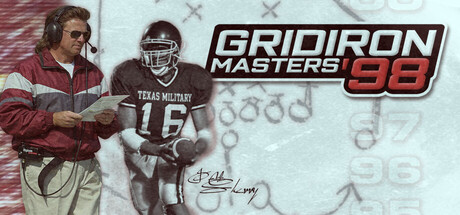
-The purple images in the SportsZone intro. These were generated because no public domain photos of 1990s era football players exist and pixel art or digital art were not appropriate.
-The studio background and suit.
-The store page assets used public domain images which then received minor ai changes, colors, hair, text, etc. This was done because they needed to look like real photos rather than obvious composites.
The 'Battle' framework is a separate game mode, but uses references to the 'Collectible' framework and vice versa. The 'Battle' framework was created with AI assistance; the Collectible framework was not, though they work in tandem. Additionally, there are card arts which were created humans, and card arts which were created with AI, though edited manually by humans. You can toggle between them in settings.
Tears of Adria was created by a very small team.
We used our resources to work with three talented artists. Most portraits along with some icons and images are AI-created.
Voice lines are primarily performed by real voice actors, very few are generated and some are AI enhanced.
Generative AI tools are used as part of our development workflow to support concept exploration, character design, visual development, marketing media, video production, 3D modeling workflows, and code assistance. All AI-assisted content is reviewed, edited, and integrated by our development team before being included in the game or store materials. The game does not generate AI content live during gameplay.
Some scenery/environment visual elements (map backgrounds) were created with the assistance of generative AI tools during development and were later reviewed, edited, and integrated manually by the team. All other game content — characters, UI, icons, gameplay sprites, tilesets, audio and text — was produced without generative AI, using original artwork and/or licensed third-party assets.
All game works are either original hand-made works that we own, or they were AI-assisted and redrawn or touched up by hand.
Our trailers were also AI-assisted with original works we own to enhance their quality.
All AI voices were trained on licensed material that has commercial rights to use or that we own and were manually directed by the developer.
Generative AI is used solely during development for supplemental, non-essential purposes, including design ideation, code production support, or localization assistance. These AI-generated outputs are limited in scope, reviewed by our development team, and never substitute human creative or technical decision-making. All final core assets and game content are created by Wargaming’s artists and developers.
Some visual assets (card art and character portraits) generated using Google Gemini image models. Some SFX partially generated via ElevenLabs where Unity Assets were not available. All licensed for commercial use. Game design, code, and text content are original.
All code in this game is generated with AI assistance. The game’s visuals and music also involve AI-aided processes, including image adjustments and extension of music segments. The gameplay concepts and skill/item designs are partially inspired by AI, with some skill and item names originating from AI-generated ideas.
Generative AI tools were used as development assistance for portions of the source code, including drafting, organization, and commenting. No live AI-generated content is produced during gameplay.
We believe in being transparent about how we build Hollowed Oath including where we use AI, and why. For a thoughtful look at how AI is used in Hollowed Oath, please visit: https://hollowedoath.com/ai-use
Runeveil: Idle PvP uses generative AI tools only during the design phase of 2D pixel art assets (characters, monsters, items, environments and icons). These visuals serve as a working base and are then edited, integrated and manually reviewed by the team before being added to the game.
No generative AI is used for the game's code, for generating content in real time during gameplay, nor for the soundtrack, narrative text or translations. All content you see in the game has been checked and assembled by hand.
All art and music in the game other than icons and sound effects were generated with AI. While I would prefer to ship the game with human artistry, I do not have the means at this time.
I use AI agents to aid in development of Visseron Idle as well. I am the brains, it is my hands when I need it.
No real-time generative AI in the client. Static in-game and store art/audio may include material initially produced with generative AI, revised and approved by the developer before release.
AI technology is used in a supplementary capacity during the conceptual and prototyping stages of our 2D assets. Any such assets are replaced through our production pipeline by our artists.
The core concepts, rules, and gameplay mechanics of The Bone Yard are entirely my own original creation. Because this is a solo passion project, I utilized generative AI as a development assistant to help bring my vision to life. AI tools were used to help brainstorm visual design elements, which I then curated and integrated into the game. I also used AI to assist with coding and text localization. The heart of the game, how it plays, how it feels, is 100% USDA Prime Human.
All narrative, lore, and in-game text were written entirely by our team. Music and sound design are produced by our talented sound designer. Character concepts and initial illustrations/visual designs are human created. AI tools were used to assist in the modeling pipeline, with all output reviewed, adjusted, and approved by the team. We are actively working towards bringing on a 3D artist as the project grows (reach out to us if this might be you).
AI tools assisted with game design documentation, initial draft text content, and development planning. The initial AI-generated in-game texts have been replaced with hand-written translations (German complete; English replacement in progress). All in-game content is reviewed and curated by the developer. No AI is used during gameplay.
This game was developed with the assistance of generative AI tools. AI-generated content includes background music, UI design, text, and other assets — with the exception of pixel art graphics, which were created by human artists.
During the development process, we may use procedural- and AI-based tools to assist with content creation. In all such cases, the final product reflects the creativity and expression of our own development team.
AI was used to assist with programming and refining in-game text (item descriptions, skill descriptions, UI text). Key art and logo are human-created. All other visual and audio assets are default RPG Maker MZ assets provided under license.
During the early prototyping phase, I use AI tools to visualize initial concepts and create temporary placeholders. All of these have been completely replaced in the final game with hand-crafted art created by myself and talented freelancers.
This game uses AI-generated images for character portraits, standing illustrations, and some backgrounds.
All generated assets have been revised and refined, and do not infringe on any existing copyrights or rights.
This product uses pre-generated AI-assisted content during development. AI tools were used to help create some promotional artwork, selected visual assets, and some development-support content such as text or localization assistance. The game does not use live-generated AI during gameplay.
The card artwork in the current version of the game was created using generative AI tools and then manually edited and refined by the developer. AI was not used for gameplay code or core story content. These artworks are intended as temporary assets and are planned to be replaced with commissioned artwork in the future.
During the development and live service of the game, AI-based tools may be utilized to support in game visual content creation, marketing materials, live chat translation features, and partial in-game dialogue and script localization.
In all such cases and regardless of the workflow, the final product is a reflection of our own development team's creativity and artistic expression.
As a small indie team, we may use procedural and/or AI-based tools to assist with the development process. In all such cases, the final product reflects the creativity and expression of our own development team.
About 98% of the art assets in this game are human authored. 100% are human edited.
Which assets used ai:
-7 pro logos that could not be satisfied with dev skills or outsourcing
-The purple images in the SportsZone intro. These were generated because no public domain photos of 1990s era football players exist and pixel art or digital art were not appropriate.
-The studio background and suit.
-The store page assets used public domain images which then received minor ai changes, colors, hair, text, etc. This was done because they needed to look like real photos rather than obvious composites.
The 'Battle' framework is a separate game mode, but uses references to the 'Collectible' framework and vice versa. The 'Battle' framework was created with AI assistance; the Collectible framework was not, though they work in tandem. Additionally, there are card arts which were created humans, and card arts which were created with AI, though edited manually by humans. You can toggle between them in settings.
Tears of Adria was created by a very small team.
We used our resources to work with three talented artists. Most portraits along with some icons and images are AI-created.
Voice lines are primarily performed by real voice actors, very few are generated and some are AI enhanced.
Generative AI tools are used as part of our development workflow to support concept exploration, character design, visual development, marketing media, video production, 3D modeling workflows, and code assistance. All AI-assisted content is reviewed, edited, and integrated by our development team before being included in the game or store materials. The game does not generate AI content live during gameplay.
Some scenery/environment visual elements (map backgrounds) were created with the assistance of generative AI tools during development and were later reviewed, edited, and integrated manually by the team. All other game content — characters, UI, icons, gameplay sprites, tilesets, audio and text — was produced without generative AI, using original artwork and/or licensed third-party assets.
All game works are either original hand-made works that we own, or they were AI-assisted and redrawn or touched up by hand.
Our trailers were also AI-assisted with original works we own to enhance their quality.
All AI voices were trained on licensed material that has commercial rights to use or that we own and were manually directed by the developer.
Generative AI is used solely during development for supplemental, non-essential purposes, including design ideation, code production support, or localization assistance. These AI-generated outputs are limited in scope, reviewed by our development team, and never substitute human creative or technical decision-making. All final core assets and game content are created by Wargaming’s artists and developers.