Public Steam disclosure research25,380 disclosures tracked
Where do games disclose AI use?
Search developers’ Steam disclosures, compare classified AI use across
games, and follow recorded changes.
This index adds cross-game classifications and statistics to
statements published on individual store pages.
Groups reflect automatic analysis of public disclosures; mature records are excluded. These counts do not measure AI use across all of Steam.
Missing or unclear statements cannot establish whether a game uses AI.
The core gameplay mechanics, 3D models, scene designs, and overall project were developed entirely by us. Generative AI tools were utilized for editing select promotional store page visuals and as assisting coding tools during the development process.
Generative AI tools assisted in producing some background artwork, music and sound effects, models, and narrative content. The developer reviewed and edited these materials before integrating them into the game. No AI content is generated during gameplay.
Pre-generated generative AI was used in the development of game code, visual assets, character portraits, promotional artwork, and portions of text and localization.
The developer uses generative AI during development for prototyping (placeholder models/assets), and some current store‑page marketing images are AI‑composed. No generative AI runs during gameplay.
During development we used generative AI tools to create some of the game's 2D
artwork and a portion of its 3D models, as well as some store page marketing
artwork. All AI-assisted assets were reviewed, edited, and finalized by our team.
The game does not generate AI content at runtime.
Artificial intelligence has been used to create localisations in languages other than Polish and English.
If you spot any errors in the translation, please let us know on our Steam discussion forums so that we can correct them!
Whilst working on the game in Early Access, we occasionally use AI technology to generate a small number of missing graphical elements in order to speed up game updates.
This is a temporary solution, and we will replace all generated images by the time the full version of the game is released.
Dawn of Irkalla includes pre-generated AI-assisted content used during development, including some 3D models, images, and code assistance. The game's level design, story, lore, gameplay, music, and many other assets were created by us or sourced from licensed third parties.
Some of the artwork that ships with Football Ambition 27 was made using
generative AI tools. That covers the club badges and competition logos in
the default database, the menu and screen backgrounds, the stadium and
facility illustrations, and the library of face parts the game builds
portraits from. The national flags are not among them.
Faces are built while you play. Every player, coach and youth prospect gets
a portrait the moment they exist, including people generated seasons into
your save, assembled by the game from that shipped library of parts. It is
ordinary code doing the assembling, not an AI model, and it can only ever
use art that came with the game.
The game does not connect to any AI service. There is an optional feature,
switched off by default, that lets you connect your own AI chat assistant
to the in game database editor, so it can help with jobs like renaming
clubs or building a scenario. It runs only if you turn it on, and it only
reaches your own files on your own computer.
The game's pixel art sprites and visual effects, the store capsule art and logo, and the music were created with the help of generative AI tools, then selected, edited and integrated by the developer. The store page text and its Chinese translation were drafted with AI assistance and reviewed by the developer. All content is pre-generated; nothing is generated while the game is running.
Generative AI was used during development to create selected pre-generated visual assets, including environmental, vehicle, map, and marketing artwork. These assets were reviewed and integrated by the development team. No generative AI is used during gameplay.
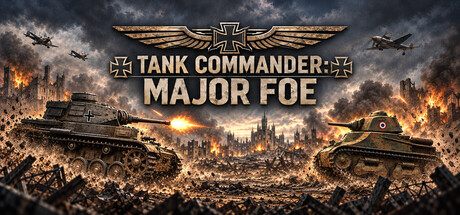
Some 2D artwork and visual assets in Tank Commander: Major FOE were created with the assistance of generative AI tools. These assets were reviewed, selected, edited, and integrated by the developer. The game does not generate AI content during gameplay and does not connect to external AI services while being played.
Generative AI was used to create pre-rendered story illustrations, horror encounter images, promotional artwork and music. AI tools also assisted with narrative text and localization. These assets are prepared in advance; the game does not generate AI content during play.
Generative AI tools were used during the development of the game to create and assist with certain pieces of content.
AI was used to generate some visual elements, including individual icons, as well as some sound effects. Some generated assets were further edited and adapted for use in the game.
AI was also used as an assisting tool for creating text content and localizing the game into other languages.
Pre-generated content only; nothing is generated while playing. The painted room backgrounds, the doorway arches, character and creature sprites and the key art (title picture, also the basis of the store capsules) were created with a generative image model (OpenAI gpt-image-2) and then hand-composed, cropped, colour-matched and fitted with collision by the developer. Code, level design and texts were written with AI assistance (Anthropic Claude) under human direction and testing; music is synthesised by the game's own code (no AI audio). — DE: Ausschliesslich vorgenerierte Inhalte, nichts wird während des Spielens erzeugt. Die gemalten Raumhintergründe, Torbögen, Figuren- und Kreaturen-Sprites sowie die Schlüsselgrafik (Titelbild, Grundlage der Shop-Kapseln) wurden mit einem generativen Bildmodell (OpenAI gpt-image-2) erzeugt und anschliessend vom Entwickler von Hand komponiert, beschnitten, farblich abgestimmt und mit Kollision belegt. Code, Leveldesign und Texte sind mit KI-Unterstützung (Anthropic Claude) unter menschlicher Leitung und Prüfung entstanden; die Musik wird vom Spielcode selbst synthetisiert (kein KI-Audio).
Some store page promotional images and capsule artwork were created with generative AI. All in-game assets, models and UI graphics are manually created by the development team. No AI-generated content will be produced during gameplay.
Generative AI was used during development to assist in creating and refining some pre-generated artwork, audio elements, text, and localized text. All content included with the game was selected, edited, and reviewed by the developer. The game does not generate AI content during gameplay and does not connect to external AI services.
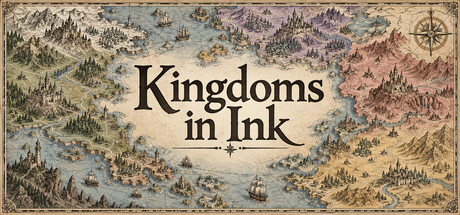
Kingdoms in Ink uses pre-generated AI-assisted content, including decorative map frames, store artwork, and some in-game and store text and translations. These assets and texts are prepared and reviewed during development. The game does not generate AI content during play or connect to external AI services.
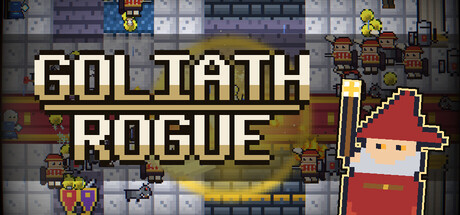
Goliath Rogue was made with the help of generative AI. The 2D art, the music and the sound effects were AI-generated — some of the art was then retouched by hand — and the Spanish and French translations were AI-assisted. All of it ships as fixed assets in the game; nothing is generated while you play. AI coding tools were also used during development to help write the game's code.
Generative AI was used for portions of the game's localization during development. No generative AI was used to create the game's music and sound. Some of the images in the game were generated by AI. AI tools were also used as development aids for programming, but the shipped code is not AI-generated content intended for player consumption.
This game uses generative AI to help create pre-generated content. Artwork (character art, backgrounds, card illustrations, icons) is produced with AI image generation as base material, then hand-curated, edited and integrated by the developer before it is finalized. Text is drafted with AI assistance and edited by hand. Cinematics and store videos are assembled from AI-generated footage and edited by hand. Background music and stingers are produced with AI music generation and hand-selected. The game contains no AI content generated at runtime and does not connect to any external AI service.
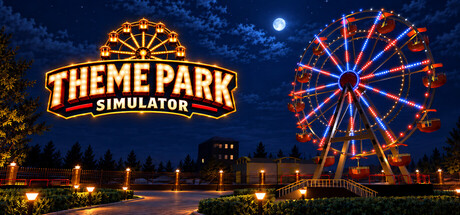
The game was 100% designed and tested by me and my kids. I did use AI tools to help create the logo, some of the 3d objects in the game (portion of the buildings) and the voice narration in the trailer.
Some music tracks included in the game were created using generative AI tools by third-party music providers. These tracks are used under licenses that permit their inclusion in commercial projects.
The game's visual assets, 3D environments, characters, animations and other artwork are primarily human-created assets, including original work and commercially licensed asset packs or free asset packs.
The game does not generate AI content while running.
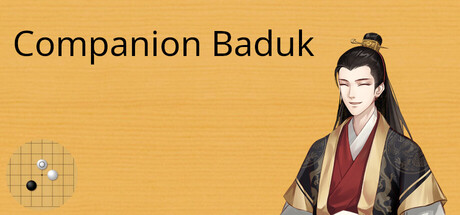
Generative AI has been used in the development of Companion Baduk for occasional placeholder graphics, elements of companion character backstories, the promotional trailer, and some sound effects.
Generative AI tools were used to help create some pre-made sound effects and marketing materials, including store-page text and promotional artwork. These are fixed assets prepared during development. The game does not generate AI content during gameplay; its random holes and boundaries are created by procedural game code.
The announcement artwork was created with the help of generative AI.
I also use AI coding agents for debugging and development assistance.
A small number of early-access placeholder sprites were created with AI assistance as well, but these are planned to be replaced before the full release.
Generative AI tools were used during development to assist with some artwork, text, localization, and other game content. All AI-assisted content is reviewed and edited by the developers before inclusion in the game.
Generative AI was used during development to create image assets, including characters, environments, items and titles, and to create background music. Selected images were adapted into the game's pixel-art assets. AI and machine translation were also used when preparing localized text. These assets are prepared in advance; the game does not generate images, music or text with AI during play.
Interface text and the English translation were drafted with an AI assistant and reviewed by the developer. No art, audio or content is AI generated, and nothing is generated at runtime.
Some visual assets and store-related materials for this game were created with generative AI assistance, then reviewed and edited by humans before inclusion. In-game opponents use traditional search and position evaluation; moves are not generated by generative AI at runtime.
Generative AI was used during development to create visual and 3D assets, background music, sound effects, and localized text, including store and marketing materials. The game does not generate AI content during gameplay or connect to external AI services.
I use generative technologies strictly in a supporting role, including: brain-storming; editing text; altering images; research; transcription…
Generated assets are never the first seed nor the last product of any content in my games.
The four cat-origin character portraits were created with generative AI during development. Pack and card artwork is contributed by creators and may also include AI-created images; the creation method of some contributed artwork, including the initial BLEP pack, has not been independently verified. The game does not generate artwork during play or connect to an AI generation service during gameplay. Players can report creator content in the game for operator review and removal.
I use generative technologies strictly in a supporting role, including: brain-storming; editing text; altering images; research; transcription…
Generated assets are never the first seed nor the last product of any content in my games.
We use AI as a production tool in areas of development, with all creative direction, concepts, and final assembly done by humans:
Code assistance: AI tools help us write and debug GDScript/shader code for our Godot 4.5 engine. All architecture, game design decisions, and systems design are human-led.
3D models and art assets: Some 3D models and textures are AI-generated or AI-assisted, then manually cleaned up, retopologized, and integrated by hand. Final visual style and direction are decided by us.
Audio: Some sound effects and audio elements are AI-generated, then curated, edited, and mixed to fit the game.
Everything else — the game concept, world design, story, gameplay systems, and the process of bringing all elements together into the final game — is entirely human-made.
The core gameplay mechanics, 3D models, scene designs, and overall project were developed entirely by us. Generative AI tools were utilized for editing select promotional store page visuals and as assisting coding tools during the development process.
Generative AI tools assisted in producing some background artwork, music and sound effects, models, and narrative content. The developer reviewed and edited these materials before integrating them into the game. No AI content is generated during gameplay.
Pre-generated generative AI was used in the development of game code, visual assets, character portraits, promotional artwork, and portions of text and localization.
The developer uses generative AI during development for prototyping (placeholder models/assets), and some current store‑page marketing images are AI‑composed. No generative AI runs during gameplay.
During development we used generative AI tools to create some of the game's 2D
artwork and a portion of its 3D models, as well as some store page marketing
artwork. All AI-assisted assets were reviewed, edited, and finalized by our team.
The game does not generate AI content at runtime.
Artificial intelligence has been used to create localisations in languages other than Polish and English.
If you spot any errors in the translation, please let us know on our Steam discussion forums so that we can correct them!
Whilst working on the game in Early Access, we occasionally use AI technology to generate a small number of missing graphical elements in order to speed up game updates.
This is a temporary solution, and we will replace all generated images by the time the full version of the game is released.
Dawn of Irkalla includes pre-generated AI-assisted content used during development, including some 3D models, images, and code assistance. The game's level design, story, lore, gameplay, music, and many other assets were created by us or sourced from licensed third parties.
Some of the artwork that ships with Football Ambition 27 was made using
generative AI tools. That covers the club badges and competition logos in
the default database, the menu and screen backgrounds, the stadium and
facility illustrations, and the library of face parts the game builds
portraits from. The national flags are not among them.
Faces are built while you play. Every player, coach and youth prospect gets
a portrait the moment they exist, including people generated seasons into
your save, assembled by the game from that shipped library of parts. It is
ordinary code doing the assembling, not an AI model, and it can only ever
use art that came with the game.
The game does not connect to any AI service. There is an optional feature,
switched off by default, that lets you connect your own AI chat assistant
to the in game database editor, so it can help with jobs like renaming
clubs or building a scenario. It runs only if you turn it on, and it only
reaches your own files on your own computer.
The game's pixel art sprites and visual effects, the store capsule art and logo, and the music were created with the help of generative AI tools, then selected, edited and integrated by the developer. The store page text and its Chinese translation were drafted with AI assistance and reviewed by the developer. All content is pre-generated; nothing is generated while the game is running.
Generative AI was used during development to create selected pre-generated visual assets, including environmental, vehicle, map, and marketing artwork. These assets were reviewed and integrated by the development team. No generative AI is used during gameplay.
Some 2D artwork and visual assets in Tank Commander: Major FOE were created with the assistance of generative AI tools. These assets were reviewed, selected, edited, and integrated by the developer. The game does not generate AI content during gameplay and does not connect to external AI services while being played.
Generative AI was used to create pre-rendered story illustrations, horror encounter images, promotional artwork and music. AI tools also assisted with narrative text and localization. These assets are prepared in advance; the game does not generate AI content during play.
Generative AI tools were used during the development of the game to create and assist with certain pieces of content.
AI was used to generate some visual elements, including individual icons, as well as some sound effects. Some generated assets were further edited and adapted for use in the game.
AI was also used as an assisting tool for creating text content and localizing the game into other languages.
Pre-generated content only; nothing is generated while playing. The painted room backgrounds, the doorway arches, character and creature sprites and the key art (title picture, also the basis of the store capsules) were created with a generative image model (OpenAI gpt-image-2) and then hand-composed, cropped, colour-matched and fitted with collision by the developer. Code, level design and texts were written with AI assistance (Anthropic Claude) under human direction and testing; music is synthesised by the game's own code (no AI audio). — DE: Ausschliesslich vorgenerierte Inhalte, nichts wird während des Spielens erzeugt. Die gemalten Raumhintergründe, Torbögen, Figuren- und Kreaturen-Sprites sowie die Schlüsselgrafik (Titelbild, Grundlage der Shop-Kapseln) wurden mit einem generativen Bildmodell (OpenAI gpt-image-2) erzeugt und anschliessend vom Entwickler von Hand komponiert, beschnitten, farblich abgestimmt und mit Kollision belegt. Code, Leveldesign und Texte sind mit KI-Unterstützung (Anthropic Claude) unter menschlicher Leitung und Prüfung entstanden; die Musik wird vom Spielcode selbst synthetisiert (kein KI-Audio).
Some store page promotional images and capsule artwork were created with generative AI. All in-game assets, models and UI graphics are manually created by the development team. No AI-generated content will be produced during gameplay.
Generative AI was used during development to assist in creating and refining some pre-generated artwork, audio elements, text, and localized text. All content included with the game was selected, edited, and reviewed by the developer. The game does not generate AI content during gameplay and does not connect to external AI services.
Kingdoms in Ink uses pre-generated AI-assisted content, including decorative map frames, store artwork, and some in-game and store text and translations. These assets and texts are prepared and reviewed during development. The game does not generate AI content during play or connect to external AI services.
Goliath Rogue was made with the help of generative AI. The 2D art, the music and the sound effects were AI-generated — some of the art was then retouched by hand — and the Spanish and French translations were AI-assisted. All of it ships as fixed assets in the game; nothing is generated while you play. AI coding tools were also used during development to help write the game's code.
Generative AI was used for portions of the game's localization during development. No generative AI was used to create the game's music and sound. Some of the images in the game were generated by AI. AI tools were also used as development aids for programming, but the shipped code is not AI-generated content intended for player consumption.
This game uses generative AI to help create pre-generated content. Artwork (character art, backgrounds, card illustrations, icons) is produced with AI image generation as base material, then hand-curated, edited and integrated by the developer before it is finalized. Text is drafted with AI assistance and edited by hand. Cinematics and store videos are assembled from AI-generated footage and edited by hand. Background music and stingers are produced with AI music generation and hand-selected. The game contains no AI content generated at runtime and does not connect to any external AI service.
The game was 100% designed and tested by me and my kids. I did use AI tools to help create the logo, some of the 3d objects in the game (portion of the buildings) and the voice narration in the trailer.
Some music tracks included in the game were created using generative AI tools by third-party music providers. These tracks are used under licenses that permit their inclusion in commercial projects.
The game's visual assets, 3D environments, characters, animations and other artwork are primarily human-created assets, including original work and commercially licensed asset packs or free asset packs.
The game does not generate AI content while running.
Generative AI has been used in the development of Companion Baduk for occasional placeholder graphics, elements of companion character backstories, the promotional trailer, and some sound effects.
Generative AI tools were used to help create some pre-made sound effects and marketing materials, including store-page text and promotional artwork. These are fixed assets prepared during development. The game does not generate AI content during gameplay; its random holes and boundaries are created by procedural game code.
The announcement artwork was created with the help of generative AI.
I also use AI coding agents for debugging and development assistance.
A small number of early-access placeholder sprites were created with AI assistance as well, but these are planned to be replaced before the full release.
Generative AI tools were used during development to assist with some artwork, text, localization, and other game content. All AI-assisted content is reviewed and edited by the developers before inclusion in the game.
Generative AI was used during development to create image assets, including characters, environments, items and titles, and to create background music. Selected images were adapted into the game's pixel-art assets. AI and machine translation were also used when preparing localized text. These assets are prepared in advance; the game does not generate images, music or text with AI during play.
Interface text and the English translation were drafted with an AI assistant and reviewed by the developer. No art, audio or content is AI generated, and nothing is generated at runtime.
Some visual assets and store-related materials for this game were created with generative AI assistance, then reviewed and edited by humans before inclusion. In-game opponents use traditional search and position evaluation; moves are not generated by generative AI at runtime.
Generative AI was used during development to create visual and 3D assets, background music, sound effects, and localized text, including store and marketing materials. The game does not generate AI content during gameplay or connect to external AI services.
I use generative technologies strictly in a supporting role, including: brain-storming; editing text; altering images; research; transcription…
Generated assets are never the first seed nor the last product of any content in my games.
The four cat-origin character portraits were created with generative AI during development. Pack and card artwork is contributed by creators and may also include AI-created images; the creation method of some contributed artwork, including the initial BLEP pack, has not been independently verified. The game does not generate artwork during play or connect to an AI generation service during gameplay. Players can report creator content in the game for operator review and removal.
I use generative technologies strictly in a supporting role, including: brain-storming; editing text; altering images; research; transcription…
Generated assets are never the first seed nor the last product of any content in my games.
We use AI as a production tool in areas of development, with all creative direction, concepts, and final assembly done by humans:
Code assistance: AI tools help us write and debug GDScript/shader code for our Godot 4.5 engine. All architecture, game design decisions, and systems design are human-led.
3D models and art assets: Some 3D models and textures are AI-generated or AI-assisted, then manually cleaned up, retopologized, and integrated by hand. Final visual style and direction are decided by us.
Audio: Some sound effects and audio elements are AI-generated, then curated, edited, and mixed to fit the game.
Everything else — the game concept, world design, story, gameplay systems, and the process of bringing all elements together into the final game — is entirely human-made.