Public Steam disclosure research25,383 disclosures tracked
Where do games disclose AI use?
Search developers’ Steam disclosures, compare classified AI use across
games, and follow recorded changes.
This index adds cross-game classifications and statistics to
statements published on individual store pages.
Groups reflect automatic analysis of public disclosures; mature records are excluded. These counts do not measure AI use across all of Steam.
Missing or unclear statements cannot establish whether a game uses AI.
The current version of the game utilizes a variety of AI-assisted / AI-generated assets to support its development. My intent is to eventually replace or further polish as many of these assets as is feasible during the Early Access journey, though this remains a long-term aspiration.
- 2D Assets: Some character portraits, backgrounds, minor textures, and store artwork are generated or enhanced using AI (e.g. style transfer from custom 3D renders and upscaling). These assets are further edited and integrated manually.
- Narrative Slides: Images used in story sequences are AI-generated and used with minimal or no manual modification.
- Voice Acting: Dialogue voiceovers use text-to-speech (TTS).
- Text: Store descriptions, in-game text, and dialogue are written by the developer and refined using AI tools for clarity, consistency, and phrasing (e.g. tooltips and ability descriptions).
I use AI in this project for generation of some static art assets such as title screens, UI elements, Steam store assets, item images in inventory, and the large world map.
AI is NOT used for generating the engine-rendered gameplay, with exception of an image of an item dropped to the ground.
All environment tiles, objects and decorations, as well as animated entities (humans, monsters, etc) are generated by human artists.
This is a very demanding project; should I get more money and access to artists, ideally I would replace all AI assets. Ideally...
AI is used to assist in development across all departments. Our team is small, but dedicated and fiercely dedicated to providing the best games possible, using whatever tools are available.
This game uses AI-generated content. Marketing artwork and store capsule images were created using image generation. Voice narration audio was generated using text-to-speech AI. Game code was developed with AI assistance. All AI-generated content was reviewed and curated by the developer.
This game uses generative AI tools during development for limited content assistance, such as text drafting and creative reference.
All core gameplay systems, level design, mechanics, and implementation were created and designed by the developer.
No AI-generated content is dynamically created during gameplay.
Some visual assets and character concepts in this game were created with the assistance of AI-based tools and were further refined and integrated by the developer.
No real-time AI-generated content is used during gameplay.
AI was used exclusively to create temporary placeholder images for character skill and perk descriptions. This decision was made due to budget constraints during the early stages of development. As the project progresses and resources become available, all AI-generated assets will be replaced with high-quality, hand-crafted artwork created by professional artists.
Generative AI was used during the design stage to visualize original sketches and create UI concepts. Based on these visualizations, all final interface elements and graphical assets were manually refined and created to match the game's artistic style.
Generative AI tools were used to assist in creating the game's graphical assets (characters and environments), as well as in code development and mechanics optimization. The final output has been manually supervised and refined to ensure a consistent and functional gameplay experience.
AI was used to iterate different variations of concept art, textures, sprites and capsule art. The final versions always went through manual editing and adjustments.
AI was also used to perform quick image processing edits and to generate boiler plate code.
Generative AI tools were used during development as a coding assistant. They helped identify issues, suggest improvements, and speed up implementation. All ideas, designs, and gameplay concepts were created by the developer prior to coding. Generative AI was used in the creation of some art assets.
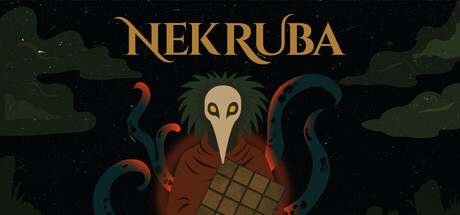
Nekruba used artificial intelligence tools as support during the creative and technical development process, particularly for prototyping, code assistance, and idea exploration. All final decisions and all published content were defined and executed by the developers.
Some 2D art and sound effects were created using limited AI-assisted drafts, then fully hand-edited and finalized by our art team. No AI runs during gameplay, and players do not generate or interact with AI content.
I want to be fully transparent with you. Some of the visual assets in this game were created with the help of generative AI tools. However, AI was used strictly as a tool, not as a replacement for creativity or craftsmanship.
No image generated by AI was used “as is.” Every asset went through heavy manual modification, repainting, redesigning, compositional changes, color correction, detailing, and integration into the game’s visual language.
I spent hundreds of hours in GIMP reworking compositions, adjusting lighting and color palettes, redrawing shapes and much more.
The final result you see in the game is the outcome of extensive manual work and artistic decisions. I'm not an artist at all, and AI simply helped accelerate early-stage iteration. Without this help the game could not exist.
The game’s design, mechanics, balance, progression systems, and overall vision are entirely human-made.
Thank you for supporting indie development.
Almost all of the game is hand-made art and code, but A.I. has been used to create concepts and is used in the workflow to quickly get ideas for logos or assets.
The voice overs are currently all a.i. generated but will be replaced at an later point.
All in-game art was created by real human artists.
The AI tool Cursor (a programming IDE) was used to help with developing the code for the game itself.
The initial background of the icon used for the game was generated using AI tools.
This game was developed with the assistance of Artificial Intelligence tools. AI was used to generate some visual elements such as concept art, textures, and 3D models, and to support parts of the programming process. All AI-generated content was reviewed, refined, and integrated by the developer to ensure consistency with the game’s artistic direction and design.
Out of the 996+ files that make up this game, only 5 image files are AI generated. (Title screen, intro screen, game over screen)
This game is made by a solo indie developer with licensed work from independent artists.
AI was used to create the main characters: how they look, sound and move. All cutscenes and dialogue are pre-generated with AI. All translations were done with the help of AI. Many in-game assets are made with AI or with the help of AI.
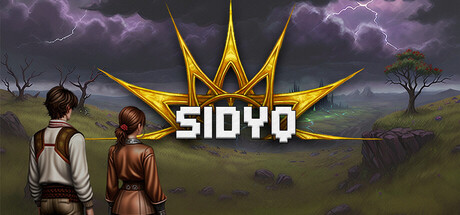
The visuals of Sidyq were created through a process combining AI generation and manual adjustments.
As a solo developer, I don’t have full graphic design skills, and AI was an essential tool to produce the game’s assets.
Every final element was then carefully refined by hand to ensure visual consistency and a unique style for the world of Sidyq.
The developer utilized AI image generation tools to assist in the creation of specific static visual assets where professional human artist craft was not financially viable for a solo project. These assets include the store capsule art, menu background textures, and narrative event illustrations. All AI generated output was heavily curated, edited, and painfully amended by the developer to ensure consistency with the game's 1970s pulp fantasy aesthetic and pixel-art gameplay. No AI is used to generate content live during gameplay.
Generative AI was used for images generation used in-game. Part of generated images was then corrected by a paid human worker. Another generated part is relatively low quality and is aimed to be replaced by proper art before the full release.
Images for the Steam page are including AI-generated graphical content from the game.
Generative AI was also partially used for programming help, with every generated line being reviewed by the actual developer.
"OpenAI ChatGPT" and "pixellab.ai" were used during development.
The current version of the game utilizes a variety of AI-assisted / AI-generated assets to support its development. My intent is to eventually replace or further polish as many of these assets as is feasible during the Early Access journey, though this remains a long-term aspiration.
- 2D Assets: Some character portraits, backgrounds, minor textures, and store artwork are generated or enhanced using AI (e.g. style transfer from custom 3D renders and upscaling). These assets are further edited and integrated manually.
- Narrative Slides: Images used in story sequences are AI-generated and used with minimal or no manual modification.
- Voice Acting: Dialogue voiceovers use text-to-speech (TTS).
- Text: Store descriptions, in-game text, and dialogue are written by the developer and refined using AI tools for clarity, consistency, and phrasing (e.g. tooltips and ability descriptions).
I use AI in this project for generation of some static art assets such as title screens, UI elements, Steam store assets, item images in inventory, and the large world map.
AI is NOT used for generating the engine-rendered gameplay, with exception of an image of an item dropped to the ground.
All environment tiles, objects and decorations, as well as animated entities (humans, monsters, etc) are generated by human artists.
This is a very demanding project; should I get more money and access to artists, ideally I would replace all AI assets. Ideally...
AI is used to assist in development across all departments. Our team is small, but dedicated and fiercely dedicated to providing the best games possible, using whatever tools are available.
This game uses AI-generated content. Marketing artwork and store capsule images were created using image generation. Voice narration audio was generated using text-to-speech AI. Game code was developed with AI assistance. All AI-generated content was reviewed and curated by the developer.
This game uses generative AI tools during development for limited content assistance, such as text drafting and creative reference.
All core gameplay systems, level design, mechanics, and implementation were created and designed by the developer.
No AI-generated content is dynamically created during gameplay.
Some visual assets and character concepts in this game were created with the assistance of AI-based tools and were further refined and integrated by the developer.
No real-time AI-generated content is used during gameplay.
AI was used exclusively to create temporary placeholder images for character skill and perk descriptions. This decision was made due to budget constraints during the early stages of development. As the project progresses and resources become available, all AI-generated assets will be replaced with high-quality, hand-crafted artwork created by professional artists.
Generative AI was used during the design stage to visualize original sketches and create UI concepts. Based on these visualizations, all final interface elements and graphical assets were manually refined and created to match the game's artistic style.
Generative AI tools were used to assist in creating the game's graphical assets (characters and environments), as well as in code development and mechanics optimization. The final output has been manually supervised and refined to ensure a consistent and functional gameplay experience.
AI was used to iterate different variations of concept art, textures, sprites and capsule art. The final versions always went through manual editing and adjustments.
AI was also used to perform quick image processing edits and to generate boiler plate code.
Generative AI tools were used during development as a coding assistant. They helped identify issues, suggest improvements, and speed up implementation. All ideas, designs, and gameplay concepts were created by the developer prior to coding. Generative AI was used in the creation of some art assets.
Nekruba used artificial intelligence tools as support during the creative and technical development process, particularly for prototyping, code assistance, and idea exploration. All final decisions and all published content were defined and executed by the developers.
Some 2D art and sound effects were created using limited AI-assisted drafts, then fully hand-edited and finalized by our art team. No AI runs during gameplay, and players do not generate or interact with AI content.
I want to be fully transparent with you. Some of the visual assets in this game were created with the help of generative AI tools. However, AI was used strictly as a tool, not as a replacement for creativity or craftsmanship.
No image generated by AI was used “as is.” Every asset went through heavy manual modification, repainting, redesigning, compositional changes, color correction, detailing, and integration into the game’s visual language.
I spent hundreds of hours in GIMP reworking compositions, adjusting lighting and color palettes, redrawing shapes and much more.
The final result you see in the game is the outcome of extensive manual work and artistic decisions. I'm not an artist at all, and AI simply helped accelerate early-stage iteration. Without this help the game could not exist.
The game’s design, mechanics, balance, progression systems, and overall vision are entirely human-made.
Thank you for supporting indie development.
Almost all of the game is hand-made art and code, but A.I. has been used to create concepts and is used in the workflow to quickly get ideas for logos or assets.
The voice overs are currently all a.i. generated but will be replaced at an later point.
All in-game art was created by real human artists.
The AI tool Cursor (a programming IDE) was used to help with developing the code for the game itself.
The initial background of the icon used for the game was generated using AI tools.
This game was developed with the assistance of Artificial Intelligence tools. AI was used to generate some visual elements such as concept art, textures, and 3D models, and to support parts of the programming process. All AI-generated content was reviewed, refined, and integrated by the developer to ensure consistency with the game’s artistic direction and design.
Out of the 996+ files that make up this game, only 5 image files are AI generated. (Title screen, intro screen, game over screen)
This game is made by a solo indie developer with licensed work from independent artists.
AI was used to create the main characters: how they look, sound and move. All cutscenes and dialogue are pre-generated with AI. All translations were done with the help of AI. Many in-game assets are made with AI or with the help of AI.
The visuals of Sidyq were created through a process combining AI generation and manual adjustments.
As a solo developer, I don’t have full graphic design skills, and AI was an essential tool to produce the game’s assets.
Every final element was then carefully refined by hand to ensure visual consistency and a unique style for the world of Sidyq.
The developer utilized AI image generation tools to assist in the creation of specific static visual assets where professional human artist craft was not financially viable for a solo project. These assets include the store capsule art, menu background textures, and narrative event illustrations. All AI generated output was heavily curated, edited, and painfully amended by the developer to ensure consistency with the game's 1970s pulp fantasy aesthetic and pixel-art gameplay. No AI is used to generate content live during gameplay.
Generative AI was used for images generation used in-game. Part of generated images was then corrected by a paid human worker. Another generated part is relatively low quality and is aimed to be replaced by proper art before the full release.
Images for the Steam page are including AI-generated graphical content from the game.
Generative AI was also partially used for programming help, with every generated line being reviewed by the actual developer.
"OpenAI ChatGPT" and "pixellab.ai" were used during development.