Public Steam disclosure research25,376 disclosures tracked
Where do games disclose AI use?
Search developers’ Steam disclosures, compare classified AI use across
games, and follow recorded changes.
This index adds cross-game classifications and statistics to
statements published on individual store pages.
Groups reflect automatic analysis of public disclosures; mature records are excluded. These counts do not measure AI use across all of Steam.
Missing or unclear statements cannot establish whether a game uses AI.
This game's store page text was written with the assistance of an AI writing tool, based on the developer's own game design and specifications. No AI-generated art, audio, or gameplay content is used in the game itself.
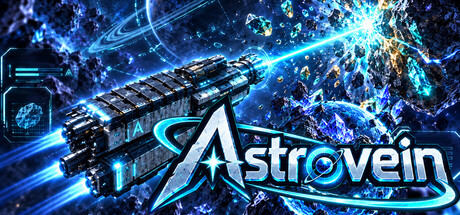
Astrovein was developed with the help of AI tools. The following content is AI-generated and was reviewed by the developer:
- Source code: partially AI-generated, reviewed and tested by the developer.
- Store artwork (capsule images and promotional art): AI-generated.
- Character portraits (captains): AI-generated.
- Store page copy: drafted with AI assistance, then edited and approved by the developer.
The in-game 3D models, sound effects, and music are licensed third-party assets (not AI-generated). No AI content is generated live while the game is running.
Some of the programming made use of AI tools to assist with identifying bugs.
ALL visual assets in this game are 100% HUMAN MADE, from the ground up. All sound effects and music are also 100% made by me, with NO AI. All in-game imagery is entirely human made. The store page graphics and text description are also 100% human made with no AI.
During development, some of the game's art assets were created with the help of AI image-generation tools, then curated, adjusted, and integrated by hand. The game does not generate any AI content in real time during play.
This game uses AI-generated 2D art assets, including block icons,
character sprites, and tower visuals. These assets were created
with the assistance of generative AI image models and have beenreviewed and curated by our team. All gameplay logic, story,
and sound design are human-authored.
As a solo developer, I leverage generative AI tools to efficiently create visual assets and UI elements. Much like an automated tool helps a single craftsman, this technology allows me to bring my vision to life independently, maintaining full creative control over the game's mechanics, logic, and design.
Some pre-rendered visual and audio assets were created with the assistance of generative AI tools during development. All such content was reviewed, edited, and finalized by the developer before shipping. The game does not use AI to generate content during gameplay.
Part of the artwork in this game was generated using AI image tools and then edited by us. Being a tiny team, those tools are what made this project possible.
Voice lines and sound effects were produced with AI voice synthesis
(ElevenLabs) during development. Some character portraits and UI/VFX
textures were created with AI-assisted tools. All assets were reviewed,
edited and integrated by the developer.
No generative AI runs at runtime — the game ships only pre-generated,
fixed assets.
Generative AI tools were used during development to assist in creating and refining some of the visual assets used in the game. All AI-assisted content was reviewed and edited by the developer before being included in the final game. No AI-generated content is created during gameplay.
No major content was directly created with AI. No graphic assets (store page or in game) were created with AI. Only used to help with creating shaders, database scripts, animations, and some balancing/debugging.
Generative AI tools were used during development to assist with visual assets, music and programming. Generated outputs were reviewed, edited and integrated by the developer to fit the game’s design and creative direction.
Generative AI tools were used during development to assist with in-game dialogue, Korean localization, programming, and store-page text and marketing materials. Orbit Foundry does not generate AI content or connect to AI services during gameplay.
Some in-game 2D art assets were created with the assistance of generative AI tools, then curated and integrated by the developer. The game does not generate content with AI during gameplay and does not connect to external AI services.
Store descriptions, in-game text (the hive's log) and their translations are drafted with an AI assistant and reviewed and edited by the developer.
No AI-generated images, audio or 3D assets: all visuals are captured from the game, built on licensed third-party assets.
All game content was created using generative AI, including visuals, 3D models, textures, music, sound effects, and text. Generative AI was also used to create the store descriptions and marketing materials.
The game does not generate AI content during play or connect to external AI services.
Some game assets, such as ship and crew images, were created with the help of generative AI tools and subsequently reviewed and edited by the development team.
Generative AI assisted with programming. The game artwork, music, and sound effects were human made. The game does not generate AI content during gameplay or connect to an AI service.
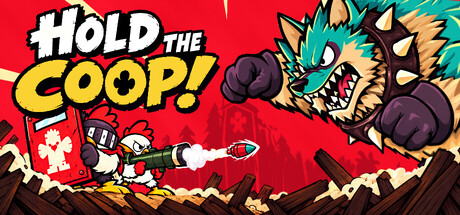
We used AI tools to speed up parts of our creative workflow, including artwork, music, text, and translations. Our creative vision guided the process, and we selected and refined the visuals to match Hold the Coop!’s cartoon style.
All previously used AI-generated or AI-assisted content has now been completely removed from both the full game and the demo. (That was old UI and intro).
**No AI-generated images are used in the game.**
**The only remaining use of AI in the game is for localization and translations.**
As the game generates revenue, I plan to hire professional translators for each supported language and gradually replace all AI-assisted translations with professionally translated versions.
Generative AI tools were used during the development of Lugano Bay Tycoon to assist with the creation and refinement of some visual content, text elements, and localization.
All AI-assisted content was subsequently selected, reviewed, and, where necessary, edited by the developer before being included in the product.
The game does not use live generative AI systems during gameplay and does not autonomously generate new content for players.
During the development of the game, AI tools have been used selectively and in a controlled manner to support certain creative and technical processes. Their use has always been guided, reviewed, and supervised by humans, with all final decisions remaining under the direction of the design and technical teams. AI has been used as a supporting tool, never as a replacement for human creativity, judgment, or development work
We want to be transparent about our use of AI.
AI was used only as a supporting tool for selected textures and sounds. Due to our limited budget, it helped us create visual assets that would otherwise have been difficult to produce within our resources.
We deeply respect the work of real artists. The game’s concept, creative direction, design, and programming were created entirely by humans. AI was used only as a supplementary tool in a limited part of the audio/visual production process.
I am a solo developer leveraging AI to improve my efficiency while moonlighting this project. Hence, many temporary AI-generated assets make their way into the game but I hope to replace over 90% of those with handcrafted assets over time.
All core assets originate from the creativity of our human artists. The use of AI tools is strictly limited to assisting and refining the environmental background designs.
All fish models are fully human made in blender.
Generative AI tools were used during development to create logic and some visual assets. These assets are included with the game as pre-generated content.
The game does not use live generative AI during gameplay. Fish breeding combines existing parent textures locally through procedural image processing; it does not use an AI model or an external AI service.
This game's store page text was written with the assistance of an AI writing tool, based on the developer's own game design and specifications. No AI-generated art, audio, or gameplay content is used in the game itself.
Astrovein was developed with the help of AI tools. The following content is AI-generated and was reviewed by the developer:
- Source code: partially AI-generated, reviewed and tested by the developer.
- Store artwork (capsule images and promotional art): AI-generated.
- Character portraits (captains): AI-generated.
- Store page copy: drafted with AI assistance, then edited and approved by the developer.
The in-game 3D models, sound effects, and music are licensed third-party assets (not AI-generated). No AI content is generated live while the game is running.
Some of the programming made use of AI tools to assist with identifying bugs.
ALL visual assets in this game are 100% HUMAN MADE, from the ground up. All sound effects and music are also 100% made by me, with NO AI. All in-game imagery is entirely human made. The store page graphics and text description are also 100% human made with no AI.
During development, some of the game's art assets were created with the help of AI image-generation tools, then curated, adjusted, and integrated by hand. The game does not generate any AI content in real time during play.
This game uses AI-generated 2D art assets, including block icons,
character sprites, and tower visuals. These assets were created
with the assistance of generative AI image models and have beenreviewed and curated by our team. All gameplay logic, story,
and sound design are human-authored.
As a solo developer, I leverage generative AI tools to efficiently create visual assets and UI elements. Much like an automated tool helps a single craftsman, this technology allows me to bring my vision to life independently, maintaining full creative control over the game's mechanics, logic, and design.
Some pre-rendered visual and audio assets were created with the assistance of generative AI tools during development. All such content was reviewed, edited, and finalized by the developer before shipping. The game does not use AI to generate content during gameplay.
Part of the artwork in this game was generated using AI image tools and then edited by us. Being a tiny team, those tools are what made this project possible.
Voice lines and sound effects were produced with AI voice synthesis
(ElevenLabs) during development. Some character portraits and UI/VFX
textures were created with AI-assisted tools. All assets were reviewed,
edited and integrated by the developer.
No generative AI runs at runtime — the game ships only pre-generated,
fixed assets.
Generative AI tools were used during development to assist in creating and refining some of the visual assets used in the game. All AI-assisted content was reviewed and edited by the developer before being included in the final game. No AI-generated content is created during gameplay.
No major content was directly created with AI. No graphic assets (store page or in game) were created with AI. Only used to help with creating shaders, database scripts, animations, and some balancing/debugging.
Generative AI tools were used during development to assist with visual assets, music and programming. Generated outputs were reviewed, edited and integrated by the developer to fit the game’s design and creative direction.
Generative AI tools were used during development to assist with in-game dialogue, Korean localization, programming, and store-page text and marketing materials. Orbit Foundry does not generate AI content or connect to AI services during gameplay.
Some in-game 2D art assets were created with the assistance of generative AI tools, then curated and integrated by the developer. The game does not generate content with AI during gameplay and does not connect to external AI services.
Store descriptions, in-game text (the hive's log) and their translations are drafted with an AI assistant and reviewed and edited by the developer.
No AI-generated images, audio or 3D assets: all visuals are captured from the game, built on licensed third-party assets.
All game content was created using generative AI, including visuals, 3D models, textures, music, sound effects, and text. Generative AI was also used to create the store descriptions and marketing materials.
The game does not generate AI content during play or connect to external AI services.
Some game assets, such as ship and crew images, were created with the help of generative AI tools and subsequently reviewed and edited by the development team.
Generative AI assisted with programming. The game artwork, music, and sound effects were human made. The game does not generate AI content during gameplay or connect to an AI service.
We used AI tools to speed up parts of our creative workflow, including artwork, music, text, and translations. Our creative vision guided the process, and we selected and refined the visuals to match Hold the Coop!’s cartoon style.
All previously used AI-generated or AI-assisted content has now been completely removed from both the full game and the demo. (That was old UI and intro).
**No AI-generated images are used in the game.**
**The only remaining use of AI in the game is for localization and translations.**
As the game generates revenue, I plan to hire professional translators for each supported language and gradually replace all AI-assisted translations with professionally translated versions.
Generative AI tools were used during the development of Lugano Bay Tycoon to assist with the creation and refinement of some visual content, text elements, and localization.
All AI-assisted content was subsequently selected, reviewed, and, where necessary, edited by the developer before being included in the product.
The game does not use live generative AI systems during gameplay and does not autonomously generate new content for players.
During the development of the game, AI tools have been used selectively and in a controlled manner to support certain creative and technical processes. Their use has always been guided, reviewed, and supervised by humans, with all final decisions remaining under the direction of the design and technical teams. AI has been used as a supporting tool, never as a replacement for human creativity, judgment, or development work
We want to be transparent about our use of AI.
AI was used only as a supporting tool for selected textures and sounds. Due to our limited budget, it helped us create visual assets that would otherwise have been difficult to produce within our resources.
We deeply respect the work of real artists. The game’s concept, creative direction, design, and programming were created entirely by humans. AI was used only as a supplementary tool in a limited part of the audio/visual production process.
I am a solo developer leveraging AI to improve my efficiency while moonlighting this project. Hence, many temporary AI-generated assets make their way into the game but I hope to replace over 90% of those with handcrafted assets over time.
All core assets originate from the creativity of our human artists. The use of AI tools is strictly limited to assisting and refining the environmental background designs.
All fish models are fully human made in blender.
Generative AI tools were used during development to create logic and some visual assets. These assets are included with the game as pre-generated content.
The game does not use live generative AI during gameplay. Fish breeding combines existing parent textures locally through procedural image processing; it does not use an AI model or an external AI service.