Public Steam disclosure research25,380 disclosures tracked
Where do games disclose AI use?
Search developers’ Steam disclosures, compare classified AI use across
games, and follow recorded changes.
This index adds cross-game classifications and statistics to
statements published on individual store pages.
Groups reflect automatic analysis of public disclosures; mature records are excluded. These counts do not measure AI use across all of Steam.
Missing or unclear statements cannot establish whether a game uses AI.
We use generative AI for player-facing content: in-game art (sprites, UI, backgrounds) and marketing (Steam capsules, store images). Some store-page translations may also be AI-assisted. We select, review, and place everything ourselves — nothing is generated while the game is running. Gameplay, timing, and controls are designed by us. AI coding tools are used internally only and do not create runtime game content.
Pre-generated generative AI was used in the development of game code, visual assets, character portraits, promotional artwork, and portions of text and localization.
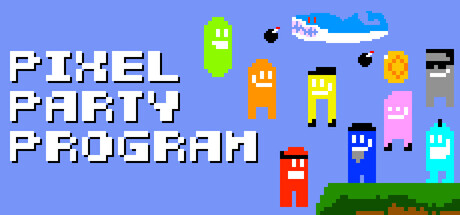
All graphics in the game are hand-pixelled. The soundtrack was created with generative AI. Some images for the Steam store and library were expanded using AI to fit the required aspect ratios. No content is generated by AI during gameplay.
Generative AI was used only to create artwork for the Steam store page and marketing materials. No generative AI is used in the game or during gameplay.
Pre-generated AI was used to assist in creating the game's logo, some 2D UI elements (HUD icons), and the background music for the promotional teaser (using Soundraw). The game's code, 3D assets, core mechanics, and level design are developed without generative AI.
The game's 2D artwork (characters, environments, and title lettering) and music were created with the assistance of generative AI tools, then curated, edited, and animated by the developer. All AI-assisted content is pre-rendered; nothing is generated by AI while you play.
Some steps of the art production used AI tools, for example to create or upscale backgrounds and illustrations that were then refined by hand, and for first drafts of language translations. No AI content is generated during gameplay.
Generative AI tools were used in the following areas of this game's development.
■ Visual assets
Image generation AI was used to create some 2D visual assets, including backgrounds, card artwork, and UI elements. These images are included in the game as fixed assets.
■ Music
The background music was created using Suno, an AI music generation tool.
■ Voice assets
The included female voice assets were created using audio generation AI. The male voice assets are pre-existing recordings provided by T-Sta.
■ Text and translation
Generative AI assisted with writing and translation for some in-game text and the store page description.
■ Program code
AI coding assistance tools were used for part of the implementation work.
■ Other assets
Sound effects are pre-existing audio assets provided by Soundeffect Lab, Kurage Kosho, T-Sta, and DOVA-SYNDROME. The font is Zen Kaku Gothic New, provided under the SIL Open Font License.
■ No live generation
All AI-generated content described above was created in advance during development. The game does not use generative AI to create new images, music, voices, or dialogue during gameplay.
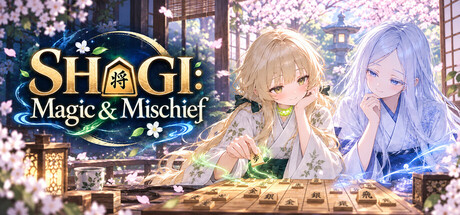
Shogi: Magic & Mischief was developed with the assistance of generative AI tools in the following areas.
■ Illustrations and images
Generative AI was used to create 2D visual assets, including character portraits, backgrounds, title illustrations, and other game and promotional artwork. The developer directed the visual concepts, character designs, composition, and colors, and selected the images for inclusion, with editing, cropping, and compositing where needed.
■ Music
Background music was created using music generation AI. The developer defined the intended mood, generated candidates, and selected and edited tracks for the game.
■ Voices
The male voice assets are pre-existing human-recorded audio from T-Sta. The female voice assets were created using audio generation AI and selected and edited by the developer. These descriptions refer to the voice asset sets, rather than the gender of every character using them.
■ Text
AI writing assistance was used to draft or revise some character descriptions and store-page text, including English promotional text. The developer determines the final wording.
■ Program code
AI coding assistance tools were used during implementation, debugging, and testing.
■ Non-AI assets
Sound effects are pre-existing human-created audio assets from providers including Soundeffect Lab, Kurage Kosho, T-Sta, and DOVA-SYNDROME, rather than AI-generated sound effects. The game uses the fonts Zen Kaku Gothic New and Shippori Mincho, distributed under the SIL Open Font License 1.1.
■ How AI is used
Generative AI is used during development, not to generate new artwork, music, voices, or dialogue during gameplay. The computer-controlled shogi opponents use game logic and move-search algorithms; they are separate from the generative AI tools used to develop the game.
■ Developer responsibility
The developer is responsible for the content included in the game, reviewing it for inappropriate or potentially infringing material, and checking the applicable licenses and terms of use for third-party assets and AI tools.
This game was created as a personal challenge to myself to see if i could solo dev a game and release it the same day as GTA 6.
I wanted to see what the highest quality final release consumer ready product I could create with only 69 days and a 200 dollar per month codex pro plan as the budget.
While the majority of implementation and art assets were llm derived, the architecture, game design, card concepts and overall vision of the project remain the product of my own efforts.
Generative AI tools were used during development to help create visual assets, interface artwork, decorative themes, and audio elements. AI tools also assisted with localization and store page text. These materials were prepared in advance under the developer’s direction. The game does not generate AI content during gameplay or connect to external AI services.
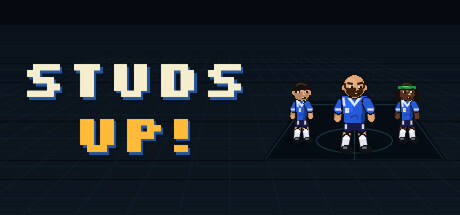
Studs Up! ships some pre-generated AI content. All of it was reviewed and edited by hand before it went into the game:
- Player portraits and the end-of-season win/loss backdrops: image generation, converted down to the game's limited-palette pixel formats.
- The match music loop and the match sound effects: audio generation, edited and loudness-normalised.
- The announcer voice in the trailer: voice generation.
No AI runs while you play. The game is fully offline and generates nothing at runtime.
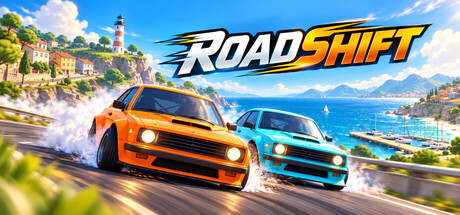
Roadshift was developed with assistance from generative AI tools (such as Large Language Models) to help write and structure the source code and draft store descriptions, as well as generating in-game images, assets, art, and 3D models. The game does not feature live, runtime generative AI.
Generative AI tools were used during development to create pre-rendered assets: creature and building artwork, icons, 3D models and parts of the store graphics. All assets were selected, edited and integrated by the developers. The game does not generate any content with AI while it is running.
Some cosmetic artwork and icons, and the original music soundtrack, were created with generative AI tools during development. These assets are pre-generated. The game does not generate AI content during gameplay or connect to an AI service.
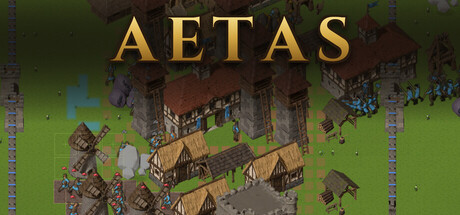
Aetas is designed, directed and built by a single developer. Generative AI was used as a development assistant: it helped write code and tools, the in-game texts and their English/Dutch localization, and the store page texts, all under the developer's direction and review. No AI image generation was used: all sprites and tiles are hand-drawn Liberated Pixel Cup art by human artists (credited in the game folder), or assembled programmatically from that art. The trailer music was produced by a synthesis script. The game does not generate any content with AI during gameplay and does not connect to any AI service.
This game uses generative AI in the creation of some 2D and 3D artwork, images and videos used for visual presentation, as well as assets for the Steam store page and marketing materials. Generative AI-assisted tools were also used for some text creation and localization. All generated content has been reviewed and edited by the developer before use. The game does not use generative AI to generate content in real time during gameplay.
This game uses Generative AI tools to assist in the creation of select visual assets and graphic elements, such as icons, background textures, and concept art.
All generated assets were subsequently reviewed, edited, and manually integrated by our team to ensure quality, consistency, and a seamless gameplay experience.
These features will be replaced as the game progresses through development.
We currently use generative AI-assisted tools during development to create some pre-generated visual content.
The capsule artwork on the Steam store page is currently AI-assisted and is intended to be replaced before release. We also use Kimodo as an aid in generating and refining character animations used in the game.
The game does not generate AI content during gameplay and does not connect to external AI services while running.
Generative AI was used during development to assist in creating and refining some pre-generated artwork, audio elements, text, and localized text. All content included with the game was selected, edited, and reviewed by the developer. The game does not generate AI content during gameplay and does not connect to external AI services.
Some of this game's user-interface text, its Korean, English, Japanese and
Simplified Chinese translations, parts of this store page, and the on-screen text
in the trailer were written with the assistance of generative AI tools, then
reviewed and edited by the developer.
All 3D models, user-interface art and sound effects are licensed from commercial
asset stores. All artwork made for this game, including the app icon, store art
and trailer, is rendered or captured from the game itself rather than produced by
an image- or video-generation model. The game does not generate any content at
runtime and does not connect to any AI service during play.
Generative AI tools were used to help create some pre-made sound effects and marketing materials, including store-page text and promotional artwork. These are fixed assets prepared during development. The game does not generate AI content during gameplay; its random holes and boundaries are created by procedural game code.
Generative AI was used solely to create placeholder card artwork during development, allowing the team to focus on refining the gameplay. The final card artwork will be created by human artists.
Some pre-production assets were generated with AI tools and then hand-finished by the team: 3D character bodies (Tripo) that were re-rigged, textured and animated by hand; concept and brand imagery (OpenAI image generation) redrawn or composited by hand; voice lines and sound effects (ElevenLabs); and music (Suno) under a commercial licence. No AI content is generated during gameplay, and the game connects to no AI service.
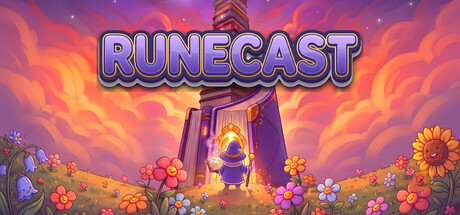
Runecast’s illustrations were generated with AI tools, then curated, edited and integrated by hand. The soundtrack was generated with Suno under a commercial license. The game’s design and code were developed with AI assistance, directed and reviewed by the developer.
We use generative AI tools during development to create art assets, textures, and translations for this game. AI-generated material may also appear in our store page assets and marketing materials. All AI-generated content is reviewed and edited by our team before it ships. The game does not generate any content with AI while you play.
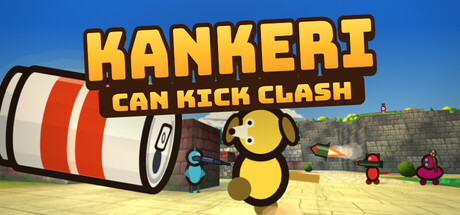
This game uses AI-generated assets created during development. Sound effects (footsteps, can kicks, gunshots, explosions, etc.) were generated with AI and selected and adjusted by the developer. Background art (textures for the ground, walls, distant scenery, clouds, trees and waterside details) was generated with AI and processed by the developer (desaturated, cropped and recolored in-game). Characters, the can, weapons, UI and music are not AI-generated. The game does not generate any content with AI while running.
Generative AI was used to generate in-game card illustrations, graphical assets, and all programming code. The game design, world-building, and lore were created directly by the developer.
(게임 내 카드 일러스트와 그래픽 에셋 제작, 그리고 프로그래밍 코딩 전반에 생성형 AI를 활용했습니다. 게임 기획 및 배경 세계관 설정은 직접 작성했습니다.)
Drugrunners uses generative AI tools to help create some in-game visual assets, including icons, item art, and background artwork. This content is generated in advance during development. The game does not use AI to generate content live or in response to player input during gameplay.
Some of the game's artwork was created with the help of an AI image model and then curated, edited and composited by the developer: companion and character portraits, boss and zone art, and the store page key art. Some in-game item and companion descriptions and patch notes were drafted with AI writing assistance and reviewed by the developer. The game does not generate content with AI while you play and does not connect to any AI service during gameplay.
This game uses pre-generated AI only for certain 2D background images and promotional store visuals. These assets were created before release and remain fixed. The game does not include any live AI generation during gameplay.
We use AI as a production tool in areas of development, with all creative direction, concepts, and final assembly done by humans:
Code assistance: AI tools help us write and debug GDScript/shader code for our Godot 4.5 engine. All architecture, game design decisions, and systems design are human-led.
3D models and art assets: Some 3D models and textures are AI-generated or AI-assisted, then manually cleaned up, retopologized, and integrated by hand. Final visual style and direction are decided by us.
Audio: Some sound effects and audio elements are AI-generated, then curated, edited, and mixed to fit the game.
Everything else — the game concept, world design, story, gameplay systems, and the process of bringing all elements together into the final game — is entirely human-made.
Generative AI was used during development to create playing-card court illustrations and promotional artwork, which were reviewed and adapted for the game. No AI content is generated during play.
We use AI tools as part of our development pipeline: some images were generated with AI, and AI-assisted tools support parts of the production process. Everything produced this way is reviewed, edited and integrated by hand - the design, gameplay systems and final content are our own work.
We use generative AI for player-facing content: in-game art (sprites, UI, backgrounds) and marketing (Steam capsules, store images). Some store-page translations may also be AI-assisted. We select, review, and place everything ourselves — nothing is generated while the game is running. Gameplay, timing, and controls are designed by us. AI coding tools are used internally only and do not create runtime game content.
Pre-generated generative AI was used in the development of game code, visual assets, character portraits, promotional artwork, and portions of text and localization.
All graphics in the game are hand-pixelled. The soundtrack was created with generative AI. Some images for the Steam store and library were expanded using AI to fit the required aspect ratios. No content is generated by AI during gameplay.
Generative AI was used only to create artwork for the Steam store page and marketing materials. No generative AI is used in the game or during gameplay.
Pre-generated AI was used to assist in creating the game's logo, some 2D UI elements (HUD icons), and the background music for the promotional teaser (using Soundraw). The game's code, 3D assets, core mechanics, and level design are developed without generative AI.
The game's 2D artwork (characters, environments, and title lettering) and music were created with the assistance of generative AI tools, then curated, edited, and animated by the developer. All AI-assisted content is pre-rendered; nothing is generated by AI while you play.
Some steps of the art production used AI tools, for example to create or upscale backgrounds and illustrations that were then refined by hand, and for first drafts of language translations. No AI content is generated during gameplay.
Generative AI tools were used in the following areas of this game's development.
■ Visual assets
Image generation AI was used to create some 2D visual assets, including backgrounds, card artwork, and UI elements. These images are included in the game as fixed assets.
■ Music
The background music was created using Suno, an AI music generation tool.
■ Voice assets
The included female voice assets were created using audio generation AI. The male voice assets are pre-existing recordings provided by T-Sta.
■ Text and translation
Generative AI assisted with writing and translation for some in-game text and the store page description.
■ Program code
AI coding assistance tools were used for part of the implementation work.
■ Other assets
Sound effects are pre-existing audio assets provided by Soundeffect Lab, Kurage Kosho, T-Sta, and DOVA-SYNDROME. The font is Zen Kaku Gothic New, provided under the SIL Open Font License.
■ No live generation
All AI-generated content described above was created in advance during development. The game does not use generative AI to create new images, music, voices, or dialogue during gameplay.
Shogi: Magic & Mischief was developed with the assistance of generative AI tools in the following areas.
■ Illustrations and images
Generative AI was used to create 2D visual assets, including character portraits, backgrounds, title illustrations, and other game and promotional artwork. The developer directed the visual concepts, character designs, composition, and colors, and selected the images for inclusion, with editing, cropping, and compositing where needed.
■ Music
Background music was created using music generation AI. The developer defined the intended mood, generated candidates, and selected and edited tracks for the game.
■ Voices
The male voice assets are pre-existing human-recorded audio from T-Sta. The female voice assets were created using audio generation AI and selected and edited by the developer. These descriptions refer to the voice asset sets, rather than the gender of every character using them.
■ Text
AI writing assistance was used to draft or revise some character descriptions and store-page text, including English promotional text. The developer determines the final wording.
■ Program code
AI coding assistance tools were used during implementation, debugging, and testing.
■ Non-AI assets
Sound effects are pre-existing human-created audio assets from providers including Soundeffect Lab, Kurage Kosho, T-Sta, and DOVA-SYNDROME, rather than AI-generated sound effects. The game uses the fonts Zen Kaku Gothic New and Shippori Mincho, distributed under the SIL Open Font License 1.1.
■ How AI is used
Generative AI is used during development, not to generate new artwork, music, voices, or dialogue during gameplay. The computer-controlled shogi opponents use game logic and move-search algorithms; they are separate from the generative AI tools used to develop the game.
■ Developer responsibility
The developer is responsible for the content included in the game, reviewing it for inappropriate or potentially infringing material, and checking the applicable licenses and terms of use for third-party assets and AI tools.
This game was created as a personal challenge to myself to see if i could solo dev a game and release it the same day as GTA 6.
I wanted to see what the highest quality final release consumer ready product I could create with only 69 days and a 200 dollar per month codex pro plan as the budget.
While the majority of implementation and art assets were llm derived, the architecture, game design, card concepts and overall vision of the project remain the product of my own efforts.
Generative AI tools were used during development to help create visual assets, interface artwork, decorative themes, and audio elements. AI tools also assisted with localization and store page text. These materials were prepared in advance under the developer’s direction. The game does not generate AI content during gameplay or connect to external AI services.
Studs Up! ships some pre-generated AI content. All of it was reviewed and edited by hand before it went into the game:
- Player portraits and the end-of-season win/loss backdrops: image generation, converted down to the game's limited-palette pixel formats.
- The match music loop and the match sound effects: audio generation, edited and loudness-normalised.
- The announcer voice in the trailer: voice generation.
No AI runs while you play. The game is fully offline and generates nothing at runtime.
Roadshift was developed with assistance from generative AI tools (such as Large Language Models) to help write and structure the source code and draft store descriptions, as well as generating in-game images, assets, art, and 3D models. The game does not feature live, runtime generative AI.
Generative AI tools were used during development to create pre-rendered assets: creature and building artwork, icons, 3D models and parts of the store graphics. All assets were selected, edited and integrated by the developers. The game does not generate any content with AI while it is running.
Some cosmetic artwork and icons, and the original music soundtrack, were created with generative AI tools during development. These assets are pre-generated. The game does not generate AI content during gameplay or connect to an AI service.
Aetas is designed, directed and built by a single developer. Generative AI was used as a development assistant: it helped write code and tools, the in-game texts and their English/Dutch localization, and the store page texts, all under the developer's direction and review. No AI image generation was used: all sprites and tiles are hand-drawn Liberated Pixel Cup art by human artists (credited in the game folder), or assembled programmatically from that art. The trailer music was produced by a synthesis script. The game does not generate any content with AI during gameplay and does not connect to any AI service.
This game uses generative AI in the creation of some 2D and 3D artwork, images and videos used for visual presentation, as well as assets for the Steam store page and marketing materials. Generative AI-assisted tools were also used for some text creation and localization. All generated content has been reviewed and edited by the developer before use. The game does not use generative AI to generate content in real time during gameplay.
This game uses Generative AI tools to assist in the creation of select visual assets and graphic elements, such as icons, background textures, and concept art.
All generated assets were subsequently reviewed, edited, and manually integrated by our team to ensure quality, consistency, and a seamless gameplay experience.
These features will be replaced as the game progresses through development.
We currently use generative AI-assisted tools during development to create some pre-generated visual content.
The capsule artwork on the Steam store page is currently AI-assisted and is intended to be replaced before release. We also use Kimodo as an aid in generating and refining character animations used in the game.
The game does not generate AI content during gameplay and does not connect to external AI services while running.
Generative AI was used during development to assist in creating and refining some pre-generated artwork, audio elements, text, and localized text. All content included with the game was selected, edited, and reviewed by the developer. The game does not generate AI content during gameplay and does not connect to external AI services.
Some of this game's user-interface text, its Korean, English, Japanese and
Simplified Chinese translations, parts of this store page, and the on-screen text
in the trailer were written with the assistance of generative AI tools, then
reviewed and edited by the developer.
All 3D models, user-interface art and sound effects are licensed from commercial
asset stores. All artwork made for this game, including the app icon, store art
and trailer, is rendered or captured from the game itself rather than produced by
an image- or video-generation model. The game does not generate any content at
runtime and does not connect to any AI service during play.
Generative AI tools were used to help create some pre-made sound effects and marketing materials, including store-page text and promotional artwork. These are fixed assets prepared during development. The game does not generate AI content during gameplay; its random holes and boundaries are created by procedural game code.
Generative AI was used solely to create placeholder card artwork during development, allowing the team to focus on refining the gameplay. The final card artwork will be created by human artists.
Some pre-production assets were generated with AI tools and then hand-finished by the team: 3D character bodies (Tripo) that were re-rigged, textured and animated by hand; concept and brand imagery (OpenAI image generation) redrawn or composited by hand; voice lines and sound effects (ElevenLabs); and music (Suno) under a commercial licence. No AI content is generated during gameplay, and the game connects to no AI service.
Runecast’s illustrations were generated with AI tools, then curated, edited and integrated by hand. The soundtrack was generated with Suno under a commercial license. The game’s design and code were developed with AI assistance, directed and reviewed by the developer.
We use generative AI tools during development to create art assets, textures, and translations for this game. AI-generated material may also appear in our store page assets and marketing materials. All AI-generated content is reviewed and edited by our team before it ships. The game does not generate any content with AI while you play.
This game uses AI-generated assets created during development. Sound effects (footsteps, can kicks, gunshots, explosions, etc.) were generated with AI and selected and adjusted by the developer. Background art (textures for the ground, walls, distant scenery, clouds, trees and waterside details) was generated with AI and processed by the developer (desaturated, cropped and recolored in-game). Characters, the can, weapons, UI and music are not AI-generated. The game does not generate any content with AI while running.
Generative AI was used to generate in-game card illustrations, graphical assets, and all programming code. The game design, world-building, and lore were created directly by the developer.
(게임 내 카드 일러스트와 그래픽 에셋 제작, 그리고 프로그래밍 코딩 전반에 생성형 AI를 활용했습니다. 게임 기획 및 배경 세계관 설정은 직접 작성했습니다.)
Drugrunners uses generative AI tools to help create some in-game visual assets, including icons, item art, and background artwork. This content is generated in advance during development. The game does not use AI to generate content live or in response to player input during gameplay.
Some of the game's artwork was created with the help of an AI image model and then curated, edited and composited by the developer: companion and character portraits, boss and zone art, and the store page key art. Some in-game item and companion descriptions and patch notes were drafted with AI writing assistance and reviewed by the developer. The game does not generate content with AI while you play and does not connect to any AI service during gameplay.
This game uses pre-generated AI only for certain 2D background images and promotional store visuals. These assets were created before release and remain fixed. The game does not include any live AI generation during gameplay.
We use AI as a production tool in areas of development, with all creative direction, concepts, and final assembly done by humans:
Code assistance: AI tools help us write and debug GDScript/shader code for our Godot 4.5 engine. All architecture, game design decisions, and systems design are human-led.
3D models and art assets: Some 3D models and textures are AI-generated or AI-assisted, then manually cleaned up, retopologized, and integrated by hand. Final visual style and direction are decided by us.
Audio: Some sound effects and audio elements are AI-generated, then curated, edited, and mixed to fit the game.
Everything else — the game concept, world design, story, gameplay systems, and the process of bringing all elements together into the final game — is entirely human-made.
Generative AI was used during development to create playing-card court illustrations and promotional artwork, which were reviewed and adapted for the game. No AI content is generated during play.
We use AI tools as part of our development pipeline: some images were generated with AI, and AI-assisted tools support parts of the production process. Everything produced this way is reviewed, edited and integrated by hand - the design, gameplay systems and final content are our own work.