Public Steam disclosure research25,380 disclosures tracked
Where do games disclose AI use?
Search developers’ Steam disclosures, compare classified AI use across
games, and follow recorded changes.
This index adds cross-game classifications and statistics to
statements published on individual store pages.
Groups reflect automatic analysis of public disclosures; mature records are excluded. These counts do not measure AI use across all of Steam.
Missing or unclear statements cannot establish whether a game uses AI.
This game's text localization into multiple languages was assisted by AI translation tools. Three background music tracks, licensed from Pixabay, were AI-created or AI-modified by their original creators. All other artwork, audio, and game assets are human-made or sourced from licensed marketplaces — no other AI-generated content is used.
I leveraged AI tools to bring my game concept to life, with AI assistance in coding, artwork, and the Steam store page. I want to assure you that this game was built through genuine collaboration between myself and AI—working together to create a better, more enjoyable experience.
AI tools were used during development to create pre-generated content. The game's text was translated from English into 16 additional languages using AI translation with automated consistency review. Game artwork and the soundtrack were created by the developer using generative AI tools; every asset was individually reviewed and curated before inclusion. Store page assets (screenshots, trailer, capsule art) depict or derive from this same game content. The game contains no live/runtime AI generation — all content is fixed at build time, and the game runs fully offline.
During development, placeholder music has been created using AI. This music is being used temporarily during development and I plan on dedicating time into producing my own music when the games main mechanics are complete.
Parts of this product were produced with the help of generative AI. The HTML, CSS, JavaScript and shader code of the bundled wallpapers, the store page text and its translations were drafted with AI assistance and reviewed by a person before release.
The application itself does not use generative AI at runtime. It generates no content while you use it, and nothing you do in Wallpaper — hardware readings, settings, your own photos and videos — is sent to any AI model or to any server. Everything stays on your PC.
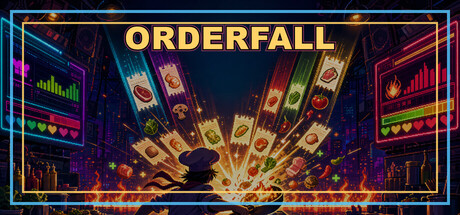
Generative AI tools were used for pre-rendered character portraits, title/key artwork and other game illustrations, portions of promotional video and audio, marketing artwork, and assistance with localized text. These assets and text were reviewed and edited for the game. Orderfall does not generate AI content during gameplay or connect to an external AI service. The live-action-style Captain Cook teaser is dramatized promotional footage; the game itself uses pixel-art graphics.
Generative AI was used solely to assist with translation, localization, and language editing of written text. This includes localization of Steam store-page descriptions and translation or language correction of in-game text, primarily from Portuguese into English. No AI-generated artwork, audio, gameplay content, or live-generated AI content is included in the game.
The code, the in-game text and its translations into six languages were written with the help of an AI assistant, then reviewed and edited by the developer.
No images or audio were AI-generated: all artwork is built from licensed photography, a licensed typeface and licensed icons, and all sound comes from a licensed royalty-free library. Full credits are in the game.
Nothing is generated while you play — the game makes no network requests at all.
Generative AI tools helped create and refine some concept art, and marketing images for this game. The game does not generate new AI content while you play.
Generative AI tools were used during development to assist with portions of programming code and to draft portions of the store-page text. All outputs were reviewed and edited by the development team. No AI-generated artwork, audio, or other visual assets are included in the released game or store materials. The game does not use generative AI during gameplay.
Generative AI was used throughout the development process. It was utilized alongside the developer to assist with tasks. Notably: debugging, localization, asset creation, and marketing materials. All AI-generated content was reviewed, edited, and integrated by the developer to ensure both quality and consistency standards were met.
Some of the game's art assets were generated with the assistance of AI. All such assets have been carefully reviewed to ensure they do not infringe on third-party rights or violate Steam's policies.
Enchanted Blackjack is a creative outlet and passion project of mine. The original build was created in 48 hours for a game jam without using AI. Since then,
I have incorporated LLMs such as Claude Code into my workflow to speed up the software development part of game making. I am very aware AI is antithetical to the artform and I take care to ensure all graphics, sound effects, and music is created by humans WITHOUT the use of AI.
Generative AI tools were used during development to assist with certain parts of the game, including code and game assets such as artwork, audio, and localization. All AI generated content has been reviewed before being included in the game.
Some background music tracks were created with the assistance of generative AI tools and subsequently edited and modified by the developer. No generative AI content is created during gameplay.
Generative AI was used to create some artwork and visual assets for the game, including store page artwork and in-game icons. These assets were reviewed and integrated by the developer.
Some of this game's assets were made with the assistance of generative AI tools and were reviewed, curated and hand-finished by the developer. No content is generated while you play.
AI was used to create the full scores from chords and melody provided to create retro feel. All art and animations were drawn meticulously character by character using a personal editor I made, but I drew inspiration from generative AI to get the right feel or angles.
AI has been used solely as a coding assistant for assistance purposes.
As a solo indie developer with no software background, using a coding assistant is my only option.
Regards.
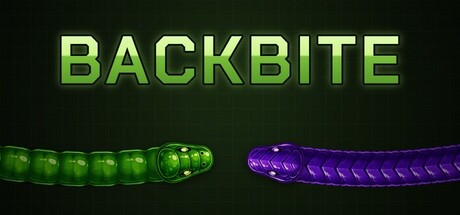
BACKBITE's in-game visual art — the snakes, power-up icons and other graphics —
was created with generative AI image tools and then prepared as sprites for the
game. In-game text was translated into the supported languages with AI
assistance. All music and sound effects come from licensed, human-made audio
libraries.
Some images in this game are generated using artificial intelligence. AI tools were used to enhance visual effects and create unique scenes, carefully aligned with the game's art style.
Generative AI tools were used during development to assist with the creation and iteration of some some pre-generated visual, written and promotional assets. All AI-assisted content is reviewed, edited and curated by the developer. No generative AI is used during gameplay.
Some of the game's background music was created using generative AI, and a very small portion of the visuals underwent refinement or fine-tuning using generative AI.
Generative AI was used during development to assist with portions of pre-generated in-game artwork and Steam store/marketing artwork. All outputs were reviewed, cleaned, composited, color-adjusted, and quality-checked by the development team. The game does not generate AI content at runtime.
We use about 15 seconds of AI footage in our trailer. All assets in the game are human authored.
We also use a local, small and offline LLM (meaning: no data ever leaves your computer, and it does not cause significant performance drops) as a Director that controls: enemy spawn and frequency of challenges, essentially choosing when to press with difficulty and when to hold the challenge based on parameters such as player frustration, boredom and an emergence metric.
This mechanic does not generate any text, narrative or story: it is just a mechanic that controls game balance to ensure the best challenge. And you can turn it off on the settings menu, if you want.
Background graphics have been generated with AI. This might change during Early Access, as the goal is to replace all AI artwork by artwork made by real artists.
Generative AI tools were used extensively during the development of DashBreaker. They assisted with programming, selected sound effects and visual materials, player-facing text and localization, and Steam store and marketing materials. All AI-assisted output was reviewed, edited, tested, and integrated by the developer. No content or code is generated by AI during gameplay, and the game does not connect to external AI services while running.
Arcane Dash was created by a solo developer. Music, cutscene artwork, and translations were created with AI assistance. All levels, character sprites, and sound effects were hand-designed/coded by the developer, and all marketing materials were created and edited by the developer.
Generative AI tools were used during development to create and refine the game’s visual artwork, music, and programming code. All generated material was reviewed, curated, edited, and integrated by the developer. The game does not generate AI content during gameplay, and no player input or data is sent to generative AI services.
Generative AI tools were used during development to assist with the creation of game content. All generated products are carefully reviewed, edited, and assembled by the development team.
Some visual assets (sprites and promotional art) were created with generative AI tools and then edited. The game does not generate AI content at runtime.
This game's text localization into multiple languages was assisted by AI translation tools. Three background music tracks, licensed from Pixabay, were AI-created or AI-modified by their original creators. All other artwork, audio, and game assets are human-made or sourced from licensed marketplaces — no other AI-generated content is used.
I leveraged AI tools to bring my game concept to life, with AI assistance in coding, artwork, and the Steam store page. I want to assure you that this game was built through genuine collaboration between myself and AI—working together to create a better, more enjoyable experience.
AI tools were used during development to create pre-generated content. The game's text was translated from English into 16 additional languages using AI translation with automated consistency review. Game artwork and the soundtrack were created by the developer using generative AI tools; every asset was individually reviewed and curated before inclusion. Store page assets (screenshots, trailer, capsule art) depict or derive from this same game content. The game contains no live/runtime AI generation — all content is fixed at build time, and the game runs fully offline.
During development, placeholder music has been created using AI. This music is being used temporarily during development and I plan on dedicating time into producing my own music when the games main mechanics are complete.
Parts of this product were produced with the help of generative AI. The HTML, CSS, JavaScript and shader code of the bundled wallpapers, the store page text and its translations were drafted with AI assistance and reviewed by a person before release.
The application itself does not use generative AI at runtime. It generates no content while you use it, and nothing you do in Wallpaper — hardware readings, settings, your own photos and videos — is sent to any AI model or to any server. Everything stays on your PC.
Generative AI tools were used for pre-rendered character portraits, title/key artwork and other game illustrations, portions of promotional video and audio, marketing artwork, and assistance with localized text. These assets and text were reviewed and edited for the game. Orderfall does not generate AI content during gameplay or connect to an external AI service. The live-action-style Captain Cook teaser is dramatized promotional footage; the game itself uses pixel-art graphics.
Generative AI was used solely to assist with translation, localization, and language editing of written text. This includes localization of Steam store-page descriptions and translation or language correction of in-game text, primarily from Portuguese into English. No AI-generated artwork, audio, gameplay content, or live-generated AI content is included in the game.
The code, the in-game text and its translations into six languages were written with the help of an AI assistant, then reviewed and edited by the developer.
No images or audio were AI-generated: all artwork is built from licensed photography, a licensed typeface and licensed icons, and all sound comes from a licensed royalty-free library. Full credits are in the game.
Nothing is generated while you play — the game makes no network requests at all.
Generative AI tools helped create and refine some concept art, and marketing images for this game. The game does not generate new AI content while you play.
Generative AI tools were used during development to assist with portions of programming code and to draft portions of the store-page text. All outputs were reviewed and edited by the development team. No AI-generated artwork, audio, or other visual assets are included in the released game or store materials. The game does not use generative AI during gameplay.
Generative AI was used throughout the development process. It was utilized alongside the developer to assist with tasks. Notably: debugging, localization, asset creation, and marketing materials. All AI-generated content was reviewed, edited, and integrated by the developer to ensure both quality and consistency standards were met.
Some of the game's art assets were generated with the assistance of AI. All such assets have been carefully reviewed to ensure they do not infringe on third-party rights or violate Steam's policies.
Enchanted Blackjack is a creative outlet and passion project of mine. The original build was created in 48 hours for a game jam without using AI. Since then,
I have incorporated LLMs such as Claude Code into my workflow to speed up the software development part of game making. I am very aware AI is antithetical to the artform and I take care to ensure all graphics, sound effects, and music is created by humans WITHOUT the use of AI.
Generative AI tools were used during development to assist with certain parts of the game, including code and game assets such as artwork, audio, and localization. All AI generated content has been reviewed before being included in the game.
Some background music tracks were created with the assistance of generative AI tools and subsequently edited and modified by the developer. No generative AI content is created during gameplay.
Generative AI was used to create some artwork and visual assets for the game, including store page artwork and in-game icons. These assets were reviewed and integrated by the developer.
Some of this game's assets were made with the assistance of generative AI tools and were reviewed, curated and hand-finished by the developer. No content is generated while you play.
AI was used to create the full scores from chords and melody provided to create retro feel. All art and animations were drawn meticulously character by character using a personal editor I made, but I drew inspiration from generative AI to get the right feel or angles.
AI has been used solely as a coding assistant for assistance purposes.
As a solo indie developer with no software background, using a coding assistant is my only option.
Regards.
BACKBITE's in-game visual art — the snakes, power-up icons and other graphics —
was created with generative AI image tools and then prepared as sprites for the
game. In-game text was translated into the supported languages with AI
assistance. All music and sound effects come from licensed, human-made audio
libraries.
Some images in this game are generated using artificial intelligence. AI tools were used to enhance visual effects and create unique scenes, carefully aligned with the game's art style.
Generative AI tools were used during development to assist with the creation and iteration of some some pre-generated visual, written and promotional assets. All AI-assisted content is reviewed, edited and curated by the developer. No generative AI is used during gameplay.
Some of the game's background music was created using generative AI, and a very small portion of the visuals underwent refinement or fine-tuning using generative AI.
Generative AI was used during development to assist with portions of pre-generated in-game artwork and Steam store/marketing artwork. All outputs were reviewed, cleaned, composited, color-adjusted, and quality-checked by the development team. The game does not generate AI content at runtime.
We use about 15 seconds of AI footage in our trailer. All assets in the game are human authored.
We also use a local, small and offline LLM (meaning: no data ever leaves your computer, and it does not cause significant performance drops) as a Director that controls: enemy spawn and frequency of challenges, essentially choosing when to press with difficulty and when to hold the challenge based on parameters such as player frustration, boredom and an emergence metric.
This mechanic does not generate any text, narrative or story: it is just a mechanic that controls game balance to ensure the best challenge. And you can turn it off on the settings menu, if you want.
Background graphics have been generated with AI. This might change during Early Access, as the goal is to replace all AI artwork by artwork made by real artists.
Generative AI tools were used extensively during the development of DashBreaker. They assisted with programming, selected sound effects and visual materials, player-facing text and localization, and Steam store and marketing materials. All AI-assisted output was reviewed, edited, tested, and integrated by the developer. No content or code is generated by AI during gameplay, and the game does not connect to external AI services while running.
Arcane Dash was created by a solo developer. Music, cutscene artwork, and translations were created with AI assistance. All levels, character sprites, and sound effects were hand-designed/coded by the developer, and all marketing materials were created and edited by the developer.
Generative AI tools were used during development to create and refine the game’s visual artwork, music, and programming code. All generated material was reviewed, curated, edited, and integrated by the developer. The game does not generate AI content during gameplay, and no player input or data is sent to generative AI services.
Generative AI tools were used during development to assist with the creation of game content. All generated products are carefully reviewed, edited, and assembled by the development team.
Some visual assets (sprites and promotional art) were created with generative AI tools and then edited. The game does not generate AI content at runtime.