Public Steam disclosure research25,380 disclosures tracked
Where do games disclose AI use?
Search developers’ Steam disclosures, compare classified AI use across
games, and follow recorded changes.
This index adds cross-game classifications and statistics to
statements published on individual store pages.
Groups reflect automatic analysis of public disclosures; mature records are excluded. These counts do not measure AI use across all of Steam.
Missing or unclear statements cannot establish whether a game uses AI.
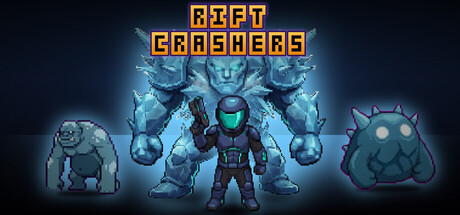
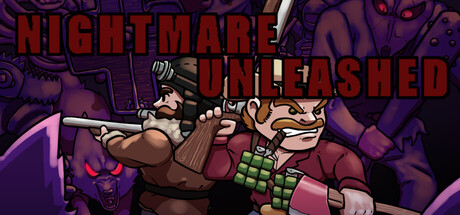
Some character, enemy, and environment sprites in this game were created with the assistance of AI image generation tools during development. All AI-generated content was reviewed and edited by the developers before inclusion.
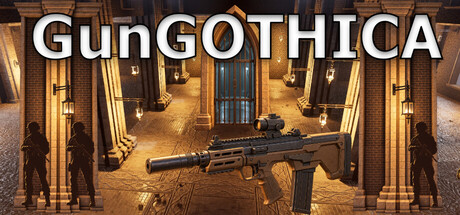
AI was used for some code generation and as part of a technique for cleaning-up of 3D scans. 3D scans were created of real lightguns using both a laser based scanner and photogrammetry, and then both models were combined using a frontier AI model for a final clean 3D scan results with higher quality game-ready topography and polycounts.
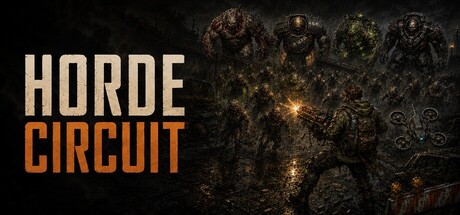
Pre-generated AI artwork was used for characters, enemies, bosses, environments, interface icons, and store and promotional artwork. These assets were selected, edited, and integrated during development. The game does not generate AI content during play or connect to external AI services.
Generative AI was used to draft text only: the in-game interface strings, the achievement names and descriptions, their translations into 13 non-English languages, and this store page. All of it was reviewed and edited by the developer before release.
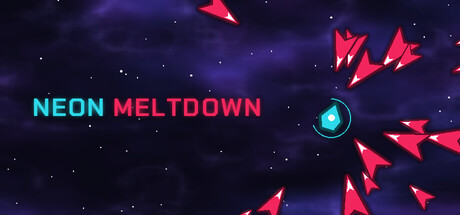
No AI-generated images, audio or video are used. This game ships with no image or audio files at all — every shape, sound and note is produced by the game's own code at run time.
Nothing is generated while you play. The game makes no network calls and contacts no AI service.
Pre-generated AI content: TROPHY FLEET's visual assets and its synthetic character voice performances were produced using AI image and voice generation as a starting point during development. Every generated asset was then selected, chroma-keyed against a solid key background, retouched, resized and hand-aligned by the developer before shipping. Boss artwork is collision-aligned to gameplay: each visible weak point on a boss sprite corresponds to an actual targetable hitbox at that exact position. Source masters and shipped runtime assets are both retained in the project repository.
The soundtrack is not AI-generated. It consists of 39 CC0-licensed music tracks, curated per world and normalized to -16 LUFS, with full attribution shipped in the game's THIRD_PARTY_NOTICES file.
All game design, code, level authoring, enemy behaviour, boss mechanics and balance systems are the developer's own work.
The game generates no content while it is running. It sends no player data or prompts to any AI service or any other service, requires no network connection, and functions fully offline.
Generative AI tools were used throughout development to create all of the game's visual art assets and program code, as well as localization and promotional materials. All outputs were directed, reviewed, edited, tested, and integrated under the developer's supervision. The game does not generate AI content during gameplay or connect to external AI services.
Some character voices in the game were generated using AI voice technology. AI was used only to generate pre-recorded character dialogue. No AI-generated content is created dynamically during gameplay.
I use generative AI for some of the game’s visual assets, mainly things like ability icons, and for some of the promotional images on the Steam store page. I review and choose what actually gets used in the game. Nothing is generated by AI while the game is running.
Generative AI tools were used to create content in this game, including art, sound, in-game text, and the copy on this store page. All of it is reviewed by the developer before release. Nothing is generated by AI while you play.
Development used generative AI tools to create pre-generated visual assets: seven battlefield and escalation backgrounds, twenty-six combat-art atlases, and one progression-card atlas (34 bitmap files total). AI tools also helped translate the store page and in-game text from the original, manually written English into eight languages. All generated content is pre-generated and curated; the game does not generate content while running. No third-party logos, characters, or source art were used as image-generation references.
Generative AI tools were used during development to assist with selected pre-generated visual references, 3D vehicle and cosmetic assets, promotional images and video, and draft localization. All AI-assisted content was reviewed, edited, curated, and integrated by the developer. The game does not generate AI content during gameplay and does not connect to external AI services.
Almost all of the game’s content has been handmade by our art team. A small number of textures were generated with generative AI tools, then edited and integrated into the final assets by the development team.
Generative AI was used during development to create some character, environment, and prop models, as well as music, sound effects, character voiceovers, and UI assets. These AI-generated assets were subsequently edited and refined by the development team before being integrated into the game.
Generating base images and materials for certain environmental textures (such as doors and labels), which are then manually edited, dithered, and color-crushed to fit the game's low-poly PSX aesthetic.
Generating video clips, audio, and visual concepts for the television broadcasts (like the in-game cooking shows) that play on CRT monitors throughout the world.
During our creative processes, we may use modern digital tools that include AI-based features to assist with content creation, such as language translation or voice acting. This helps us stay innovative without losing sight of what makes our games truly unique, while ensuring the final product preserves the distinctive style and quality our development team strives for.
Generative AI tools were used during development to assist with creating and refining some visual assets. All AI-assisted content was reviewed and edited by the developer before being included in the game.
All AI-generated content was pre-generated during development. The game does not call any AI services at runtime and does not generate content in real time.
Generative AI tools were used during development to assist with portions of the game’s code and the creation or refinement of certain visual and marketing assets. All AI-assisted material was reviewed, edited, and integrated by the developer. The game does not generate AI content during gameplay.
Generative AI was used solely to assist with localization and translation of developer-written text. No visual assets, models, textures, animations, music, sound effects, voice acting, or gameplay content were generated with AI.
Some pre-rendered art assets (enemy and background artwork) and localization were created with generative AI tools under human direction, then manually cleaned up and integrated by the developers. Development used AI-assisted coding tools. No content is AI-generated at runtime.
Generative AI was used to assist in creating all pre-rendered artwork, including environment backgrounds, menu and branding art, icons, and promotional/title-card images. These assets were reviewed and integrated by the developer. No content is generated during gameplay, and the game does not connect to external AI services.
Some in-game card illustrations were created with the assistance of generative AI during development. No content is generated by AI during gameplay, and the game does not connect to any external AI services while playing.
This game uses generative AI tools to assist in creating early drafts of some artwork and text during development. All AI-generated content is pre-rendered and has been reviewed, edited, and polished by hand before being included in the game. No content is generated live at runtime.
This game includes some static images and audio materials that were pre-generated by AI tools during the development stage and have been incorporated into the game. They were not generated in real time.
The game's art and sound are drawn and synthesised in code at runtime rather than shipped as asset files, and that code was written with AI coding assistance under human direction. No AI runs while the game is playing. The soundtrack is licensed human-authored works.
Generative AI tools were used in the development of this game to assist with creating select artwork, writing promotional/store page descriptions, and localization.
Generating general in-game scripts
Music
Level design
In general, the developer uses AI to create like a cubes; ultimately, they decide where to place each cube to build a castle—or, in this case, the video game itself.
The music, a few sound effects. And very few of the menus have been created using AI. I know that many communities hate games with AI. And yes, lads, I’ve used it. But I can assure you that 90 per cent of the game has been lovingly crafted by a developer.
AI Disclosure
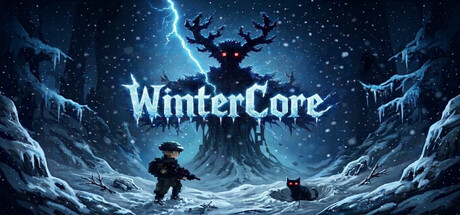
WinterCore is a solo-developed game created over four years. Generative AI was used during development to create a small number of visual assets and selected promotional artwork. All AI-generated assets were subsequently edited, refined, and adapted by the developer to fit WinterCore’s art direction and overall visual style.
The game’s core design, programming, story, gameplay, and final implementation were created by the developer. The project also includes licensed assets and creative works from independent artists and creators, who are credited accordingly.
We use AI tools as part of our developer workflow, in some cases for generative textures, 2D or 3D placeholders, in other cases for actual designs to be used in the game, this can also be a mix of both.
This game was developed with the assistance of generative AI tools. AI was used during development to help write and refactor portions of the game's code, and to assist with design iteration. Some in-game assets (such as placeholder art, sound effects, or text) may have been created or refined with AI assistance. All AI-assisted content was reviewed and edited by the developer before inclusion. The game does not generate any content using AI at runtime, and no live AI features are present in the released product.
Some character, enemy, and environment sprites in this game were created with the assistance of AI image generation tools during development. All AI-generated content was reviewed and edited by the developers before inclusion.
AI was used for some code generation and as part of a technique for cleaning-up of 3D scans. 3D scans were created of real lightguns using both a laser based scanner and photogrammetry, and then both models were combined using a frontier AI model for a final clean 3D scan results with higher quality game-ready topography and polycounts.
Pre-generated AI artwork was used for characters, enemies, bosses, environments, interface icons, and store and promotional artwork. These assets were selected, edited, and integrated during development. The game does not generate AI content during play or connect to external AI services.
Generative AI was used to draft text only: the in-game interface strings, the achievement names and descriptions, their translations into 13 non-English languages, and this store page. All of it was reviewed and edited by the developer before release.
No AI-generated images, audio or video are used. This game ships with no image or audio files at all — every shape, sound and note is produced by the game's own code at run time.
Nothing is generated while you play. The game makes no network calls and contacts no AI service.
Pre-generated AI content: TROPHY FLEET's visual assets and its synthetic character voice performances were produced using AI image and voice generation as a starting point during development. Every generated asset was then selected, chroma-keyed against a solid key background, retouched, resized and hand-aligned by the developer before shipping. Boss artwork is collision-aligned to gameplay: each visible weak point on a boss sprite corresponds to an actual targetable hitbox at that exact position. Source masters and shipped runtime assets are both retained in the project repository.
The soundtrack is not AI-generated. It consists of 39 CC0-licensed music tracks, curated per world and normalized to -16 LUFS, with full attribution shipped in the game's THIRD_PARTY_NOTICES file.
All game design, code, level authoring, enemy behaviour, boss mechanics and balance systems are the developer's own work.
The game generates no content while it is running. It sends no player data or prompts to any AI service or any other service, requires no network connection, and functions fully offline.
Generative AI tools were used throughout development to create all of the game's visual art assets and program code, as well as localization and promotional materials. All outputs were directed, reviewed, edited, tested, and integrated under the developer's supervision. The game does not generate AI content during gameplay or connect to external AI services.
Some character voices in the game were generated using AI voice technology. AI was used only to generate pre-recorded character dialogue. No AI-generated content is created dynamically during gameplay.
I use generative AI for some of the game’s visual assets, mainly things like ability icons, and for some of the promotional images on the Steam store page. I review and choose what actually gets used in the game. Nothing is generated by AI while the game is running.
Generative AI tools were used to create content in this game, including art, sound, in-game text, and the copy on this store page. All of it is reviewed by the developer before release. Nothing is generated by AI while you play.
Development used generative AI tools to create pre-generated visual assets: seven battlefield and escalation backgrounds, twenty-six combat-art atlases, and one progression-card atlas (34 bitmap files total). AI tools also helped translate the store page and in-game text from the original, manually written English into eight languages. All generated content is pre-generated and curated; the game does not generate content while running. No third-party logos, characters, or source art were used as image-generation references.
Generative AI tools were used during development to assist with selected pre-generated visual references, 3D vehicle and cosmetic assets, promotional images and video, and draft localization. All AI-assisted content was reviewed, edited, curated, and integrated by the developer. The game does not generate AI content during gameplay and does not connect to external AI services.
Almost all of the game’s content has been handmade by our art team. A small number of textures were generated with generative AI tools, then edited and integrated into the final assets by the development team.
Generative AI was used during development to create some character, environment, and prop models, as well as music, sound effects, character voiceovers, and UI assets. These AI-generated assets were subsequently edited and refined by the development team before being integrated into the game.
Generating base images and materials for certain environmental textures (such as doors and labels), which are then manually edited, dithered, and color-crushed to fit the game's low-poly PSX aesthetic.
Generating video clips, audio, and visual concepts for the television broadcasts (like the in-game cooking shows) that play on CRT monitors throughout the world.
During our creative processes, we may use modern digital tools that include AI-based features to assist with content creation, such as language translation or voice acting. This helps us stay innovative without losing sight of what makes our games truly unique, while ensuring the final product preserves the distinctive style and quality our development team strives for.
Generative AI tools were used during development to assist with creating and refining some visual assets. All AI-assisted content was reviewed and edited by the developer before being included in the game.
All AI-generated content was pre-generated during development. The game does not call any AI services at runtime and does not generate content in real time.
Generative AI tools were used during development to assist with portions of the game’s code and the creation or refinement of certain visual and marketing assets. All AI-assisted material was reviewed, edited, and integrated by the developer. The game does not generate AI content during gameplay.
Generative AI was used solely to assist with localization and translation of developer-written text. No visual assets, models, textures, animations, music, sound effects, voice acting, or gameplay content were generated with AI.
Some pre-rendered art assets (enemy and background artwork) and localization were created with generative AI tools under human direction, then manually cleaned up and integrated by the developers. Development used AI-assisted coding tools. No content is AI-generated at runtime.
Generative AI was used to assist in creating all pre-rendered artwork, including environment backgrounds, menu and branding art, icons, and promotional/title-card images. These assets were reviewed and integrated by the developer. No content is generated during gameplay, and the game does not connect to external AI services.
Some in-game card illustrations were created with the assistance of generative AI during development. No content is generated by AI during gameplay, and the game does not connect to any external AI services while playing.
This game uses generative AI tools to assist in creating early drafts of some artwork and text during development. All AI-generated content is pre-rendered and has been reviewed, edited, and polished by hand before being included in the game. No content is generated live at runtime.
This game includes some static images and audio materials that were pre-generated by AI tools during the development stage and have been incorporated into the game. They were not generated in real time.
The game's art and sound are drawn and synthesised in code at runtime rather than shipped as asset files, and that code was written with AI coding assistance under human direction. No AI runs while the game is playing. The soundtrack is licensed human-authored works.
Generative AI tools were used in the development of this game to assist with creating select artwork, writing promotional/store page descriptions, and localization.
Generating general in-game scripts
Music
Level design
In general, the developer uses AI to create like a cubes; ultimately, they decide where to place each cube to build a castle—or, in this case, the video game itself.
The music, a few sound effects. And very few of the menus have been created using AI. I know that many communities hate games with AI. And yes, lads, I’ve used it. But I can assure you that 90 per cent of the game has been lovingly crafted by a developer.
AI Disclosure
WinterCore is a solo-developed game created over four years. Generative AI was used during development to create a small number of visual assets and selected promotional artwork. All AI-generated assets were subsequently edited, refined, and adapted by the developer to fit WinterCore’s art direction and overall visual style.
The game’s core design, programming, story, gameplay, and final implementation were created by the developer. The project also includes licensed assets and creative works from independent artists and creators, who are credited accordingly.
We use AI tools as part of our developer workflow, in some cases for generative textures, 2D or 3D placeholders, in other cases for actual designs to be used in the game, this can also be a mix of both.
This game was developed with the assistance of generative AI tools. AI was used during development to help write and refactor portions of the game's code, and to assist with design iteration. Some in-game assets (such as placeholder art, sound effects, or text) may have been created or refined with AI assistance. All AI-assisted content was reviewed and edited by the developer before inclusion. The game does not generate any content using AI at runtime, and no live AI features are present in the released product.