Public Steam disclosure research25,380 disclosures tracked
Where do games disclose AI use?
Search developers’ Steam disclosures, compare classified AI use across
games, and follow recorded changes.
This index adds cross-game classifications and statistics to
statements published on individual store pages.
Groups reflect automatic analysis of public disclosures; mature records are excluded. These counts do not measure AI use across all of Steam.
Missing or unclear statements cannot establish whether a game uses AI.
Generative AI was used during development to assist with the creation of some visual assets, including concept exploration, initial image generation, and partial redraws. All such assets were reviewed, edited, integrated, and finalized by the developer.
The game does not use generative AI at runtime and does not generate any content live.
Generative AI tools were used during development to assist with programming and implementation. The developer created the original game and codebase, with AI assistance used to modify and expand portions of the code, including implementation of the graphics and other visual/gameplay elements.
Generative AI was used for some of the game's 2D artwork and for localizing in-game and store text into 8 languages, all reviewed by the developer.No content is generated by AI while you play.
Generative AI tools were used during development to assist with the creation of some pre-generated visual assets and marketing materials. All AI-assisted content was reviewed and curated by the developer before being included in the game. The game does not generate AI content during gameplay and does not connect to external AI services.
Generative AI tools were used during development to assist in creating some pre-generated visual and audio assets included in the game and its marketing materials. AI tools were also used to assist with coding. All AI-assisted content was reviewed and, where necessary, edited by the developer. No content is generated by AI during gameplay.
Our visual development workflow uses generative AI to create parts of graphical elements and textures. Every AI-assisted visual asset is reviewed, edited and polished by our team to maintain a consistent visual standard across the game.
Some store marketing artwork (key art / capsules) was made with generative AI tools and then selected and edited. The game itself UI, simulation, and code is original and not AI-generated.
Portions of this game's content were created with the assistance of generative AI tools under human direction and review. This includes much but not all of the visual artwork, the soundtrack, and the store page text and marketing copy. All AI-assisted content was curated, edited, and approved by the developer.
Generative AI was used to assist in the creation of pre-rendered 2D assets, including the store page capsule art, library images, trailer assets, and in-game loading screens.
Quarter Mile contains no AI-generated art, music, voice or in-game text.
Every visual in the game is rendered in real time from geometry and materials authored by hand in code — there are no image assets. Every sound is synthesized by the game while you play, from a physical model of the engine; no audio files ship with the game. All car data and track layouts are hand-authored.
The store page capsule art and screenshots are rendered by the game itself, using the same renderer that draws the game — they are not concept art, not painted, and not AI-generated.
The game description and other store page text were written with the assistance of an AI writing assistant, and portions of the game's source code were written with the assistance of an AI coding assistant. All of it was reviewed and edited by the developer.
The game does not use generative AI at runtime. Nothing is generated while you play, there is no network connection of any kind, and the game is fully playable offline.
Generative AI was used to assist in the creation of some promotional artwork used on the Steam store page, including store and library artwork. The resulting assets were reviewed and selected by the developer before publication.
The game does not use generative AI to create content dynamically during gameplay.
DriveGear includes some pre-generated visual and audio assets created with AI tools. These assets were selected and edited by the developer and ship as fixed content. No content is generated by AI during gameplay.
Some development of FOOTDICE was assisted by generative AI tools. Game's code, portion of visual assets (svgs files), and text for marketing materials were created with AI assistance and then reviewed, edited, and finalized by the developer.
All content in the game is pre-generated — the game does not create content using AI while you play, and no player data is sent to AI services.
Generative AI tools were used during development to create or assist with portions of the game's pre-generated visual artwork, including horse illustrations, environmental backgrounds, contract and item icons, decorative UI artwork, the game logo, and Steam store and library artwork. AI-assisted tools were also used to draft or refine portions of in-game text and localization.
All such materials were generated before release, then reviewed, selected, and edited by the developer, and are included in the game as fixed assets. No AI content is generated during gameplay, and the game does not connect to any external AI service.
This game is made by a single dev, and sold for a fair price. In order to do that this dev needed the help of AI. So some pre-rendered assets in this game were created with the help of generative AI tools, always under my direction and with every asset reviewed by me the developer: certain illustrations, backdrops, and UI art; some music tracks and sound effects; and character voice lines generated via text-to-speech from scripts written by me the developer. The game design, the gameplay, physics, and large parts of the code are entirely human-made, and no AI content is generated at runtime.
- AI coding agents were used to assist with general game programming for Sudden Death Golf in order to iterate over gameplay ideas faster as a solo dev
- Some parts of in-game UI/UX design were created with the assist of AI
- No 3D models or textures were made with AI. Most were made by hand by me, some were bought or commissioned
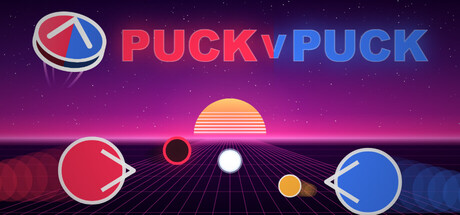
Development of PUCKVPUCK was assisted by an AI coding assistant. It helped write and review the game's code — including the sound effects, which are synthesised mathematically in code rather than recorded or sampled — and it drafted text for this store page. No AI image, audio or video generation models were used: the visuals are drawn procedurally by hand-written code, every screenshot and trailer clip is real captured gameplay, and all music was written and performed by the developers. Nothing is generated live while you play.
LemonFC was developed with AI assistance (including Anthropic Claude) for writing and revising program code and for drafting German-language in-game event texts. The graphics and texts of this store page (capsule images, descriptions) were also created or drafted using AI tools. All content — in-game and on the store page — was reviewed, edited and approved by the developer; game design and balancing are the developer's own work. The game does not generate AI content at runtime — all content is fixed before release and human-approved. No player data is sent to AI services.
This game uses generative AI to assist in producing some in-game text (such as news articles, in-game emails, and flavor text), 2D visual assets (such as player portraits, icons, and background art), and audio (background music and user interface sound effects). All AI-assisted content is generated during development and reviewed before release; the game does not generate content while you play.
The shipped game contains no AI-generated art, audio or written content, and uses no AI at runtime — it runs entirely offline. Some AI tools (like ChatGPT and Claud code) were used during the development of the game for research purposes and reviewing. All game source code is human-written, human-reviewed and occasionally reviewed/tested by AI tools.
This game used generative AI during the development process to assist with the creation and modeling visual assets, including characters designs and environmental textures like buildings.
No live AI generation is used during gameplay. TinSpring Soccer's boards, characters, textures, and sounds are produced procedurally by game code. AI tools were used under developer direction for implementation, localization, and selected store page artwork.
Generative AI tools assisted with English Steam store-page copy, and were used to create pre-generated illustrative key art for Steam store capsules, library artwork, and the store-page background. All AI-assisted outputs are reviewed, edited, integrated, and tested by the developer. The artwork is promotional and is not presented as gameplay footage; screenshots and trailers are captured from the actual game. The game does not use generative AI at runtime or generate live player-facing content.
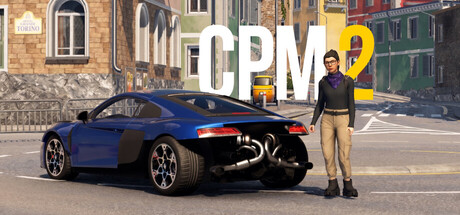
In game development, artificial intelligence is used solely as a supporting tool. We employ neural networks to enhance and refine 2D art (loading screens and promo banners) created using our in-game screenshots, after which they undergo manual color correction and artifact removal. AI also assists us with translating in-game text and generating the announcer's voice for racing modes. All key game elements, including 3D car models, tuning, and the open world, are created entirely by hand by our team.
Some store page artwork (capsule images) was created with the assistance of generative AI tools and then edited and reviewed by the developer. Some 2D art (card artwork, backgrounds, UI) and in-game text (card descriptions, flavor text) were created with the help of generative AI tools.
Ski Lines is a solo-developed indie game created with the help of generative AI tools. AI was used throughout production to support artwork creation, music and sound design, code assistance, prototyping, iteration, and marketing assets.
Every AI-assisted element was curated, edited, and integrated by the developer to fit the game’s minimalist ski-map aesthetic and gameplay vision. The use of AI helped accelerate production while preserving human creative direction, design decisions, quality control, and final authorship.
Generative AI tools were used during development to assist with portions of programming and to create selected pre-generated audio and visual assets. These include some character and commentator voice lines and branding artwork. All AI-assisted content was reviewed and integrated by the developer. No generative AI runs during gameplay, and no player input or personal data is sent to AI services.
Generative AI tools were used to create some static art assets, narrative text and promotional materials included within the game. All AI-generated content has been manually reviewed, edited and adjusted by our development team to ensure compliance.
Generated code is applied to:
Create some shaders (like smoke and vertex snapping)
Procedurally draw billboard objects like pins and balls.
Procedurally produce sfx like pin knock sounds.
Some Store art is temporary generative concept art.
In-game Graffiti is hand drawn and not a product of generative AI.
Generative AI was used during development to assist with the creation of some visual assets, including concept exploration, initial image generation, and partial redraws. All such assets were reviewed, edited, integrated, and finalized by the developer.
The game does not use generative AI at runtime and does not generate any content live.
Generative AI tools were used during development to assist with programming and implementation. The developer created the original game and codebase, with AI assistance used to modify and expand portions of the code, including implementation of the graphics and other visual/gameplay elements.
Generative AI was used for some of the game's 2D artwork and for localizing in-game and store text into 8 languages, all reviewed by the developer.No content is generated by AI while you play.
Generative AI tools were used during development to assist with the creation of some pre-generated visual assets and marketing materials. All AI-assisted content was reviewed and curated by the developer before being included in the game. The game does not generate AI content during gameplay and does not connect to external AI services.
Generative AI tools were used during development to assist in creating some pre-generated visual and audio assets included in the game and its marketing materials. AI tools were also used to assist with coding. All AI-assisted content was reviewed and, where necessary, edited by the developer. No content is generated by AI during gameplay.
Our visual development workflow uses generative AI to create parts of graphical elements and textures. Every AI-assisted visual asset is reviewed, edited and polished by our team to maintain a consistent visual standard across the game.
Some store marketing artwork (key art / capsules) was made with generative AI tools and then selected and edited. The game itself UI, simulation, and code is original and not AI-generated.
Portions of this game's content were created with the assistance of generative AI tools under human direction and review. This includes much but not all of the visual artwork, the soundtrack, and the store page text and marketing copy. All AI-assisted content was curated, edited, and approved by the developer.
Generative AI was used to assist in the creation of pre-rendered 2D assets, including the store page capsule art, library images, trailer assets, and in-game loading screens.
Quarter Mile contains no AI-generated art, music, voice or in-game text.
Every visual in the game is rendered in real time from geometry and materials authored by hand in code — there are no image assets. Every sound is synthesized by the game while you play, from a physical model of the engine; no audio files ship with the game. All car data and track layouts are hand-authored.
The store page capsule art and screenshots are rendered by the game itself, using the same renderer that draws the game — they are not concept art, not painted, and not AI-generated.
The game description and other store page text were written with the assistance of an AI writing assistant, and portions of the game's source code were written with the assistance of an AI coding assistant. All of it was reviewed and edited by the developer.
The game does not use generative AI at runtime. Nothing is generated while you play, there is no network connection of any kind, and the game is fully playable offline.
Generative AI was used to assist in the creation of some promotional artwork used on the Steam store page, including store and library artwork. The resulting assets were reviewed and selected by the developer before publication.
The game does not use generative AI to create content dynamically during gameplay.
DriveGear includes some pre-generated visual and audio assets created with AI tools. These assets were selected and edited by the developer and ship as fixed content. No content is generated by AI during gameplay.
Some development of FOOTDICE was assisted by generative AI tools. Game's code, portion of visual assets (svgs files), and text for marketing materials were created with AI assistance and then reviewed, edited, and finalized by the developer.
All content in the game is pre-generated — the game does not create content using AI while you play, and no player data is sent to AI services.
Generative AI tools were used during development to create or assist with portions of the game's pre-generated visual artwork, including horse illustrations, environmental backgrounds, contract and item icons, decorative UI artwork, the game logo, and Steam store and library artwork. AI-assisted tools were also used to draft or refine portions of in-game text and localization.
All such materials were generated before release, then reviewed, selected, and edited by the developer, and are included in the game as fixed assets. No AI content is generated during gameplay, and the game does not connect to any external AI service.
This game is made by a single dev, and sold for a fair price. In order to do that this dev needed the help of AI. So some pre-rendered assets in this game were created with the help of generative AI tools, always under my direction and with every asset reviewed by me the developer: certain illustrations, backdrops, and UI art; some music tracks and sound effects; and character voice lines generated via text-to-speech from scripts written by me the developer. The game design, the gameplay, physics, and large parts of the code are entirely human-made, and no AI content is generated at runtime.
- AI coding agents were used to assist with general game programming for Sudden Death Golf in order to iterate over gameplay ideas faster as a solo dev
- Some parts of in-game UI/UX design were created with the assist of AI
- No 3D models or textures were made with AI. Most were made by hand by me, some were bought or commissioned
Development of PUCKVPUCK was assisted by an AI coding assistant. It helped write and review the game's code — including the sound effects, which are synthesised mathematically in code rather than recorded or sampled — and it drafted text for this store page. No AI image, audio or video generation models were used: the visuals are drawn procedurally by hand-written code, every screenshot and trailer clip is real captured gameplay, and all music was written and performed by the developers. Nothing is generated live while you play.
LemonFC was developed with AI assistance (including Anthropic Claude) for writing and revising program code and for drafting German-language in-game event texts. The graphics and texts of this store page (capsule images, descriptions) were also created or drafted using AI tools. All content — in-game and on the store page — was reviewed, edited and approved by the developer; game design and balancing are the developer's own work. The game does not generate AI content at runtime — all content is fixed before release and human-approved. No player data is sent to AI services.
This game uses generative AI to assist in producing some in-game text (such as news articles, in-game emails, and flavor text), 2D visual assets (such as player portraits, icons, and background art), and audio (background music and user interface sound effects). All AI-assisted content is generated during development and reviewed before release; the game does not generate content while you play.
The shipped game contains no AI-generated art, audio or written content, and uses no AI at runtime — it runs entirely offline. Some AI tools (like ChatGPT and Claud code) were used during the development of the game for research purposes and reviewing. All game source code is human-written, human-reviewed and occasionally reviewed/tested by AI tools.
This game used generative AI during the development process to assist with the creation and modeling visual assets, including characters designs and environmental textures like buildings.
No live AI generation is used during gameplay. TinSpring Soccer's boards, characters, textures, and sounds are produced procedurally by game code. AI tools were used under developer direction for implementation, localization, and selected store page artwork.
Generative AI tools assisted with English Steam store-page copy, and were used to create pre-generated illustrative key art for Steam store capsules, library artwork, and the store-page background. All AI-assisted outputs are reviewed, edited, integrated, and tested by the developer. The artwork is promotional and is not presented as gameplay footage; screenshots and trailers are captured from the actual game. The game does not use generative AI at runtime or generate live player-facing content.
In game development, artificial intelligence is used solely as a supporting tool. We employ neural networks to enhance and refine 2D art (loading screens and promo banners) created using our in-game screenshots, after which they undergo manual color correction and artifact removal. AI also assists us with translating in-game text and generating the announcer's voice for racing modes. All key game elements, including 3D car models, tuning, and the open world, are created entirely by hand by our team.
Some store page artwork (capsule images) was created with the assistance of generative AI tools and then edited and reviewed by the developer. Some 2D art (card artwork, backgrounds, UI) and in-game text (card descriptions, flavor text) were created with the help of generative AI tools.
Ski Lines is a solo-developed indie game created with the help of generative AI tools. AI was used throughout production to support artwork creation, music and sound design, code assistance, prototyping, iteration, and marketing assets.
Every AI-assisted element was curated, edited, and integrated by the developer to fit the game’s minimalist ski-map aesthetic and gameplay vision. The use of AI helped accelerate production while preserving human creative direction, design decisions, quality control, and final authorship.
Generative AI tools were used during development to assist with portions of programming and to create selected pre-generated audio and visual assets. These include some character and commentator voice lines and branding artwork. All AI-assisted content was reviewed and integrated by the developer. No generative AI runs during gameplay, and no player input or personal data is sent to AI services.
Generative AI tools were used to create some static art assets, narrative text and promotional materials included within the game. All AI-generated content has been manually reviewed, edited and adjusted by our development team to ensure compliance.
Generated code is applied to:
Create some shaders (like smoke and vertex snapping)
Procedurally draw billboard objects like pins and balls.
Procedurally produce sfx like pin knock sounds.
Some Store art is temporary generative concept art.
In-game Graffiti is hand drawn and not a product of generative AI.