Public Steam disclosure research25,380 disclosures tracked
Where do games disclose AI use?
Search developers’ Steam disclosures, compare classified AI use across
games, and follow recorded changes.
This index adds cross-game classifications and statistics to
statements published on individual store pages.
Groups reflect automatic analysis of public disclosures; mature records are excluded. These counts do not measure AI use across all of Steam.
Missing or unclear statements cannot establish whether a game uses AI.
During the development of this game, generative AI tools were used as a supportive resource for technical and creative tasks. Specifically, AI was utilized to assist in structuring complex C# scripts and providing visual reference images for world-building and character design. This allowed me as a solo developer to streamline my technical workflow and focus more on the core gameplay, environmental puzzles, and the unique atmospheric feel of the project. Every piece of AI-assisted logic or visual concept has been manually reviewed, adapted, and implemented by me to ensure it fits perfectly within the game's overall design.
All character and environmental art began as hand-drawn sketches, which were then refined using generative AI before final pixel-perfect editing in Aseprite and Photoshop. The soundtrack originated as original piano compositions, enhanced through Udio for texture, and professionally mixed in Avid Pro Tools. Our intro sequences were hand-drawn and brought to life through Seedance 2.0 animation technology.
Questo gioco utilizza strumenti di intelligenza artificiale durante lo sviluppo. L’AI è stata utilizzata per supportare la creazione di alcune texture, suoni ed elementi visivi minori. Tutti i contenuti generati sono stati revisionati e modificati manualmente dallo sviluppatore per garantire qualità e coerenza con lo stile del gioco. Non è presente generazione AI in tempo reale durante il gameplay.
Generative IA was used for the translation and localization of in-game text and store page content into multiple languages. This helped ensure natural-sounding phrases for the voice recognition system.
Some visual assets and 3D models in this game were created with the assistance of AI tools. All such content is pre-rendered and does not change during gameplay.
Spy Carnival uses generative AI as a creative aid during the art production process. AI-generated visuals was used strictly as reference material and visual inspiration. All final artwork visible in the game has been reviewed, reworked, and refined by a human artist. No raw AI-generated output is used directly in the game.
This game uses generative artificial intelligence as part of its development process. AI tools were used to assist in creating early concept art, drafting dialogue, generating ideas during brainstorming, producing some 3D assets, and supporting debugging and problem-solving during development.
All AI-assisted content and outputs were reviewed, edited, and refined by our development team. Final assets, writing, and implementation were curated to ensure consistency, quality, and alignment with the game’s vision.
AI is not used to generate content dynamically during gameplay; all in-game content is pre-created and finalized by the developers.
We are committed to using these tools responsibly and transparently, with strong human oversight across all aspects of the game.
This game uses generative AI during development to assist in creating some user interface (UI) icons. All AI-generated content has been reviewed, edited, and integrated by the development team. Generative AI is not used in gameplay or during the runtime of the game.
This app utilized AI to use CSS styling and java-script to make the application feel more modern. such as creating UI icons like the trash bin icons, navigation slide bars, and stylizing features. It was also used to resize and upscale the main Ghost Vault logo and store image assets.
This game uses generative AI for some in-game paintings, store artwork, and the introductory voiceover. All content was reviewed and integrated by the developer.
Artificial intelligence tools were used during certain stages of the development of The Letter as supportive tools to assist the creative process. AI was primarily utilized for concept ideation, early visual references, and iterative design exploration.
These tools helped accelerate prototyping, generate visual inspiration, and assist with writing drafts during early development phases. However, all core gameplay systems, narrative design, environmental storytelling, and final artistic direction were created, reviewed, and curated by the developer.
AI tools were used as creative assistants rather than autonomous content generators, ensuring that the final experience remains a carefully crafted and human-directed project.
During the period from Early Access to Launch this title may use AI for voice in quest dialog as placeholders, prior to launch all AI elements shall be removed should they have existed and replaced.
Certain early-stage visual or audio assets were created using generative AI tools as part of the development workflow. All such content has been manually edited and integrated by the developer. The game does not generate AI content during gameplay.
Generative AI tools were used to assist in the creation of some in-game textures and visual assets. All AI-assisted content was reviewed and modified by the developer.
I used AI for debugging game build errors. Going through thousands lines of error logs and call stacks is not a total nightmare once I get pointed to the right direction.
I also localized steam page using it to some languages.
Generative AI was utilized in the process of creating and optimizing UI background images and certain in-game text content, such as item descriptions and lore. All AI-generated assets were carefully reviewed, retouched, and edited by the developer to ensure they align with the game's unique atmosphere and artistic vision.
There is AI-generated audio used within the game. All AI-generated content is pre-rendered and static. No AI is used to generate visuals, gameplay content, or content at runtime.
This game contains a limited amount of AI-generated visual content created during development due to the project's low budget. Specifically, suspect profile images and some evidence-related visual assets or models were created with the help of generative AI tools. Not all evidence assets are AI-generated.
The use of AI is limited to pre-made visual content only. No gameplay systems, dialogue, story logic, code, or real-time interactive content is generated by AI during play. All gameplay mechanics, case logic, interactions, and progression were designed and implemented by the developer.
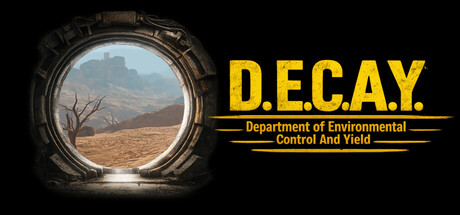
D.E.C.A.Y. has been developed by a single developer for over two years. Nearly all of the game’s content has been created by hand - from the environment to many objects inspired by real-world prototypes, helping make the world feel more atmospheric and alive.
Only a small number of images and certain visual elements were created using generative AI tools.
Grok AI was used in order to make some of the pictures in the library, game store page, and some intro./outro. picture in the game representing Dream Dazia.
We used AI to generate initial music tracks, concept art, and temporary translations into some languages.
All materials were then thoroughly edited, reworked, and finalized by humans.
Nothing went straight from the generator into the game.
This game includes limited use of AI-generated voice acting for background TV dialogue. All core gameplay, art, and story content were created by humans.
Generative AI was used as a supportive tool to enhance the visual details of character portraits and a specific in-game interactable item. Additionally, AI-assisted technology was utilized to refine multi-language translations to ensure linguistic accuracy for global players, and AI-generated voice technology was used for the audio narration in the main teaser video.
Generative AI was used as a foundational tool for select artwork in this game. All AI-generated base images were extensively reworked, edited, and refined by hand to ensure they perfectly match the game's unique atmosphere and artistic vision. Please note that AI was only utilized for specific assets, not the entirety of the game's artwork.
During the development of this game, generative AI tools were used as a supportive resource for technical and creative tasks. Specifically, AI was utilized to assist in structuring complex C# scripts and providing visual reference images for world-building and character design. This allowed me as a solo developer to streamline my technical workflow and focus more on the core gameplay, environmental puzzles, and the unique atmospheric feel of the project. Every piece of AI-assisted logic or visual concept has been manually reviewed, adapted, and implemented by me to ensure it fits perfectly within the game's overall design.
All character and environmental art began as hand-drawn sketches, which were then refined using generative AI before final pixel-perfect editing in Aseprite and Photoshop. The soundtrack originated as original piano compositions, enhanced through Udio for texture, and professionally mixed in Avid Pro Tools. Our intro sequences were hand-drawn and brought to life through Seedance 2.0 animation technology.
Questo gioco utilizza strumenti di intelligenza artificiale durante lo sviluppo. L’AI è stata utilizzata per supportare la creazione di alcune texture, suoni ed elementi visivi minori. Tutti i contenuti generati sono stati revisionati e modificati manualmente dallo sviluppatore per garantire qualità e coerenza con lo stile del gioco. Non è presente generazione AI in tempo reale durante il gameplay.
Generative IA was used for the translation and localization of in-game text and store page content into multiple languages. This helped ensure natural-sounding phrases for the voice recognition system.
Some visual assets and 3D models in this game were created with the assistance of AI tools. All such content is pre-rendered and does not change during gameplay.
Spy Carnival uses generative AI as a creative aid during the art production process. AI-generated visuals was used strictly as reference material and visual inspiration. All final artwork visible in the game has been reviewed, reworked, and refined by a human artist. No raw AI-generated output is used directly in the game.
This game uses generative artificial intelligence as part of its development process. AI tools were used to assist in creating early concept art, drafting dialogue, generating ideas during brainstorming, producing some 3D assets, and supporting debugging and problem-solving during development.
All AI-assisted content and outputs were reviewed, edited, and refined by our development team. Final assets, writing, and implementation were curated to ensure consistency, quality, and alignment with the game’s vision.
AI is not used to generate content dynamically during gameplay; all in-game content is pre-created and finalized by the developers.
We are committed to using these tools responsibly and transparently, with strong human oversight across all aspects of the game.
This game uses generative AI during development to assist in creating some user interface (UI) icons. All AI-generated content has been reviewed, edited, and integrated by the development team. Generative AI is not used in gameplay or during the runtime of the game.
This app utilized AI to use CSS styling and java-script to make the application feel more modern. such as creating UI icons like the trash bin icons, navigation slide bars, and stylizing features. It was also used to resize and upscale the main Ghost Vault logo and store image assets.
This game uses generative AI for some in-game paintings, store artwork, and the introductory voiceover. All content was reviewed and integrated by the developer.
Artificial intelligence tools were used during certain stages of the development of The Letter as supportive tools to assist the creative process. AI was primarily utilized for concept ideation, early visual references, and iterative design exploration.
These tools helped accelerate prototyping, generate visual inspiration, and assist with writing drafts during early development phases. However, all core gameplay systems, narrative design, environmental storytelling, and final artistic direction were created, reviewed, and curated by the developer.
AI tools were used as creative assistants rather than autonomous content generators, ensuring that the final experience remains a carefully crafted and human-directed project.
During the period from Early Access to Launch this title may use AI for voice in quest dialog as placeholders, prior to launch all AI elements shall be removed should they have existed and replaced.
Certain early-stage visual or audio assets were created using generative AI tools as part of the development workflow. All such content has been manually edited and integrated by the developer. The game does not generate AI content during gameplay.
Generative AI tools were used to assist in the creation of some in-game textures and visual assets. All AI-assisted content was reviewed and modified by the developer.
I used AI for debugging game build errors. Going through thousands lines of error logs and call stacks is not a total nightmare once I get pointed to the right direction.
I also localized steam page using it to some languages.
Generative AI was utilized in the process of creating and optimizing UI background images and certain in-game text content, such as item descriptions and lore. All AI-generated assets were carefully reviewed, retouched, and edited by the developer to ensure they align with the game's unique atmosphere and artistic vision.
There is AI-generated audio used within the game. All AI-generated content is pre-rendered and static. No AI is used to generate visuals, gameplay content, or content at runtime.
This game contains a limited amount of AI-generated visual content created during development due to the project's low budget. Specifically, suspect profile images and some evidence-related visual assets or models were created with the help of generative AI tools. Not all evidence assets are AI-generated.
The use of AI is limited to pre-made visual content only. No gameplay systems, dialogue, story logic, code, or real-time interactive content is generated by AI during play. All gameplay mechanics, case logic, interactions, and progression were designed and implemented by the developer.
D.E.C.A.Y. has been developed by a single developer for over two years. Nearly all of the game’s content has been created by hand - from the environment to many objects inspired by real-world prototypes, helping make the world feel more atmospheric and alive.
Only a small number of images and certain visual elements were created using generative AI tools.
Grok AI was used in order to make some of the pictures in the library, game store page, and some intro./outro. picture in the game representing Dream Dazia.
We used AI to generate initial music tracks, concept art, and temporary translations into some languages.
All materials were then thoroughly edited, reworked, and finalized by humans.
Nothing went straight from the generator into the game.
This game includes limited use of AI-generated voice acting for background TV dialogue. All core gameplay, art, and story content were created by humans.
Generative AI was used as a supportive tool to enhance the visual details of character portraits and a specific in-game interactable item. Additionally, AI-assisted technology was utilized to refine multi-language translations to ensure linguistic accuracy for global players, and AI-generated voice technology was used for the audio narration in the main teaser video.
Generative AI was used as a foundational tool for select artwork in this game. All AI-generated base images were extensively reworked, edited, and refined by hand to ensure they perfectly match the game's unique atmosphere and artistic vision. Please note that AI was only utilized for specific assets, not the entirety of the game's artwork.