







Disclosure
Some in-game posters and signs, the splash screen, and parts of the text and translation were made with the help of generative AI and then edited by hand.
- Creator
- homemadevoxel
- Reviews
- -
- Added
- Oct 12, 2026
Public Steam disclosure research 25,376 disclosures tracked
Search developers’ Steam disclosures, compare classified AI use across games, and follow recorded changes. This index adds cross-game classifications and statistics to statements published on individual store pages.
Code help, debugging and other development work.
Capsule art, trailers and promotional material.
Pre-made art, audio, writing and other game assets.
Interactive or runtime AI features disclosed by the developer.
Groups reflect automatic analysis of public disclosures; mature records are excluded. These counts do not measure AI use across all of Steam. Missing or unclear statements cannot establish whether a game uses AI.
Some in-game posters and signs, the splash screen, and parts of the text and translation were made with the help of generative AI and then edited by hand.
Pre-generated content: the character voices, some sound effects, ambience and the music were generated with AI audio tools (ElevenLabs), then selected, edited and mixed by the developer. Most 3D models (props, tools, vehicles) and some 2D artwork (signs, posters, in-game documents, interface illustrations and store art) were generated with AI tools and then integrated, adjusted and reviewed in the game by the developer. The people are built with the open-source MakeHuman tools and animated with motion capture (CMU), not with AI. Translations were made with AI assistance and reviewed. The levels and code were built with AI-assisted tools and reviewed and tested by the developer. No content is generated by AI while you play.
Generative AI was used to assist in creating some game assets, like certain sound effects, music, and textures.
Generative AI was used for UI icons, the intro video, and retouching of store capsule images. In-game 3D assets, characters and environments are licensed or hand-made, not AI-generated. AI was used as an assistive tool for code, text and translation.
The ghost's voice lines, lullaby, screams, laughter and some sound effects were generated with AI audio tools (ElevenLabs). The store page description and the layout of the capsule art were prepared with the help of an AI assistant, using screenshots captured from the game. All 3D models, environments and animations are human-made assets licensed from the Fab marketplace.
Just help with the marketing material drafts
AI-assisted tools were used during development for programming, debugging, shader work and some store-page text. All output was reviewed and integrated by the developer. No live-generated AI content is used in gameplay.
Except for gameplay design and some sound effects and art assets, the game’s code, 3D models, localization text, and other content were generated by GPT during development. Development was carried out through direct conversations with the 6.0-Astra and 6.1sol large language models, without predefined workflows or external Skills. The 3D models were created from written descriptions and reference images, with GPT writing and executing Blender scripts. All such content was created during development. The game does not use generative AI to create content in real time during gameplay. In the future, we may use newer large language models to further improve the game’s art quality and visual presentation, while comparing how different large language models perform in game development.
Some voice lines and background audio effects in this game were generated or modified using generative artificial intelligence tools. These audio files were then processed and mixed manually by the developer.
Generative AI assisted in creating some assets, including characters, images, music, and sound effects.
Some 3D models and character animations were generated with Meshy and then edited by our team in Blender. Some 2D artwork (backdrops, posters, signage art) was generated with Stable Diffusion XL and finished by hand. Some sound effects, ambience and the trailer music were generated with ElevenLabs. The Boss and announcer voice lines use text-to-speech. The game's translations were produced with AI and are being reviewed. No AI content is generated while you play.
Generative AI tools were used during development to assist in the creation of 3D models and other visual assets. AI-assisted development tools were also used extensively for programming and implementation. All generated and AI-assisted content was reviewed, directed, and integrated by the developer. No generative AI is used at runtime.
Generative AI tools were used to create visual artwork for the game and its marketing, and to assist with store-page text. These materials are prepared in advance. Temple Breaker does not generate content with AI during gameplay.
Some content in PRE-ECHO was created with the help of generative AI tools during development and was then integrated, adjusted and art-directed by the developer: - 3D models: the character and creature models, and many prop and vehicle models, were generated with Tripo from original reference images made for this project, then rigged, adjusted and textured in Blender and Unreal Engine. - 2D art: some textures and interface images (such as the main-menu background, the workshop investigation board, journal and map paper, and inventory icons) were generated with image-generation tools from original prompts. - Voices: all spoken lines are synthesized with the open-source Kokoro text-to-speech model using generic voices. No real person's voice was recorded or cloned. - Text: the script, in-game text and English/Spanish localization were written with an AI assistant under the developer's direction. - Store art: the store and library artwork was generated with AI image tools from the project's own character and creature references, then retouched by the developer. The logo was made without AI. The screenshots are unedited captures of the game. No content is generated by AI while the game is running.
Pre-generated AI content only; nothing is generated live during gameplay. - Some 3D assets (character models, the seeker's bandana and a few props) were created with AI-assisted 3D generation tools, then edited, rigged and adjusted by hand before being used in the game. - Some 2D images (in-game "how to play" board, UI art) were created with AI image tools and edited by hand. - Parts of the in-game text localization were produced with AI translation and reviewed by the developer. All AI-generated assets were reviewed by us and we hold the rights required to use and distribute them.
Some content was pre-generated with AI tools during development and then edited by the developer.
AI was used for in-game translations of UI, tutorial and caption text. It was also used to translate the store page content into non-English locales.
AI tools helped create models, art, textures, music and English localization.
Most of the 3D models appearing in this game, including the main protagonist and various objects, were generated and modeled using generative AI tools. While some of the programming code was also generated with the assistance of generative AI (such as Gemini), all tasks—including implementation, fine-tuning gameplay behaviors, overall game design, and adjustments—were carried out manually by a solo human developer.
Some small game assets were modeled using ai.
AI-assisted translation tools were used for some parts of the game's localization. We are committed to improving translation quality and welcome feedback on any inaccuracies or unnatural phrasing you may encounter.
This game includes pre-generated visual and auditory assets created with the assistance of generative AI. These assets have been reviewed, edited, and integrated by the development team. The game does not use generative AI to create content while players are playing.
All AI use happened during development. The background music was created with an AI music generation tool and edited by the developer. Parts of the in-game text, the store page text and the scripts used to build the 3D models were written with the help of an AI assistant, then reviewed and edited by the developer. No AI content is generated during gameplay.
Generative AI was used to create some pre-generated 3D models, artwork, audio, and voice assets used in the game and marketing materials. No AI-generated content is created during gameplay.
This game uses AI to generate some models, textures, and even some mechanics.
The game propaganda map was created by AI.
We don’t particularly like using AI. Unfortunately, we are a small indie studio made of programmers and designers who are currently somewhere between “making a game” and “having existential crises”. So, for now, we use AI to help us with some parts of our daily work and to bring some of our music, ideas, and inspirations to life. But don’t worry, we haven’t handed over the steering wheel to the robots just yet. Our project, its identity, and its originality are still created and directed by us. AI is simply one of the tools helping us survive the development process while our budget is busy pretending it doesn’t exist. As soon as we have the resources to replace AI with our own human made work, we absolutely intend to do so. Until then, we’re just a bunch of indie developers trying to make something cool before our refrigerators become purely decorative objects.
Generative AI tools were used during the development of this game to help create some store artwork, user interface (UI) concepts, and cover designs. All AI-generated content was reviewed, edited, and finalized by humans. The game does not generate any AI content dynamically or in real time during gameplay.
Generative AI was used to assist in the creation of the game's library logo artwork. No AI-generated content is created during gameplay.
Hold My Cargo is made by a three-person team at Favera Studio. Like many small studios, we use AI-assisted tools as part of our production pipeline — for exploring concepts and marketing artwork, speeding up parts of 3D asset, animation and texture work, drafting text and running automated testing. Every asset, animation and line of text that ships in the game is directed, reviewed, edited and approved by the team; nothing goes in unseen. The game does not generate any content at runtime — there is no live AI in Hold My Cargo, and no player data is sent to AI services.
Some 3D models in this game, with their textures, were generated with an AI 3D-modeling tool from our own designs and then rigged and edited for the game: the Harvester, the Halloway family, the two playable co-op characters, the scarecrows and the wax effigy.
Generative AI was used to help create some of the promotional artwork and marketing images displayed on Station 12’s Steam store page. These images are promotional illustrations and are a good representation of the in-game visuals.
The audio in the game is not produced by machine learning models. The game images are divided into two categories: ① The vast majority are generated programmatically and not by machine learning models; ② The character illustrations are generated by machine learning and then selected, cropped, and post-processed by humans. The game text (environmental narration, entry descriptions, achievement descriptions) is drafted by AI with assistance and then revised by humans before being included; developers conduct fact and expression reviews of all game images and text before release. The game does not have an AI system for real-time generation of content, and player input will not be used for training or content generation.
Generative AI tools were used to create and refine promotional artwork and startup/loading artwork based on our game’s character designs. The startup artwork is included in the game.
Music and sounds were produced with ElevenLabs.
AI tools were used to create or edit some in-game and store artwork and textures, and to assist with translations. Creative direction and final content selection are ours. No AI content is generated during gameplay.
This game contains a neural network model.
Some character portraits were created with generative AI. AI tools were also used to help write and translate the store page and to translate the game's text. The story and dialogue were written by our team.
Some of this game's content was created with the help of generative AI tools during development: - Artwork: some of the visual art in the game. - Text: parts of the in-game writing, and the Simplified Chinese translation. - Audio: a small number of sound effects. Most of the game's sound was made without AI. Nothing is generated by AI while you play.
This game uses AI to assist in generating code and 3D models.
Portraits of characters and creatures are generated using Stable Diffusion. They appear in-game and in store page materials. I plan to replace all generated portraits with hand-drawn art. Some in-game labels and text descriptions are placeholders generated by an LLM. I am gradually rewriting them by hand.
Some of the visual and audio assets in Subject 4471 were created with the assistance of generative AI tools during development. All AI-generated content was reviewed, curated, and edited by the developer to ensure it is appropriate, and the developer has taken steps to ensure it holds the rights necessary to use this content. This game does not generate any AI content in real time during gameplay.
The soundtrack was produced with generative AI music tools and then edited, cut and mixed by the developer. Part of the game's text and this store page was written with AI assistance and reviewed line by line by the developer. Everything else - code, interface art, achievement icons, the map and every capsule and screenshot - is hand-made. No content is generated by AI while you play.
Artificial intelligence support has been utilized for technical and visual assets.
Dawn of Irkalla includes pre-generated AI-assisted content used during development, including some 3D models, images, and code assistance. The game's level design, story, lore, gameplay, music, and many other assets were created by us or sourced from licensed third parties.
Generative AI tools were used during development to assist with debugging. AI-assisted content included in the final game was reviewed and edited by the developer. No content is generated by AI during gameplay.
Some of the game's 3D models and artwork were created with the help of generative AI tools and then cleaned up and edited by hand. Parts of the store page text were drafted with AI assistance. The game does not generate any AI content while you play.
Utkant is a solo project developed with the help of AI coding assistants. The store page text and some in-game writing were drafted with AI assistance, then reviewed and edited by the developer. Nothing is generated by AI while you play.
AI tools assisted in developing certain visual and audio elements, design references, and translations. The development team reviewed and finalized all published content.
Generative AI was used to create pre-rendered story illustrations, horror encounter images, promotional artwork and music. AI tools also assisted with narrative text and localization. These assets are prepared in advance; the game does not generate AI content during play.
| Title⇅ | Disclosure | Creator⇅ | Src | Reviews⇅ | Added↓ |
|---|---|---|---|---|---|
 LIFT In-game content arttext | Some in-game posters and signs, the splash screen, and parts of the text and translation were made with the help of generative AI and then edited by hand. | homemadevoxel | - | Oct 12, 2026 | |
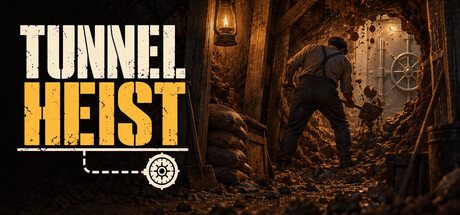 Tunnel Heist In-game content audioarttextcode | Pre-generated content: the character voices, some sound effects, ambience and the music were generated with AI audio tools (ElevenLabs), then selected, edited and mixed by the developer. Most 3D models (props, tools, vehicles) and some 2D artwork (signs, posters, in-game documents, interface illustrations and store art) were generated with AI tools and then integrated, adjusted and reviewed in the game by the developer. The people are built with the open-source MakeHuman tools and animated with motion capture (CMU), not with AI. Translations were made with AI assistance and reviewed. The levels and code were built with AI-assisted tools and reviewed and tested by the developer. No content is generated by AI while you play. | Highlander Interactive | - | Oct 12, 2026 | |
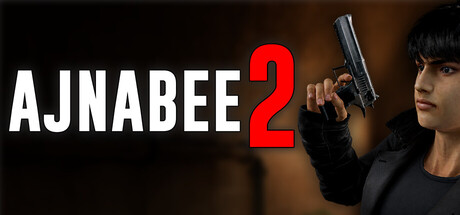 Ajnabee 2 In-game content audioart | Generative AI was used to assist in creating some game assets, like certain sound effects, music, and textures. | Akshat Softwares | - | Oct 12, 2026 | |
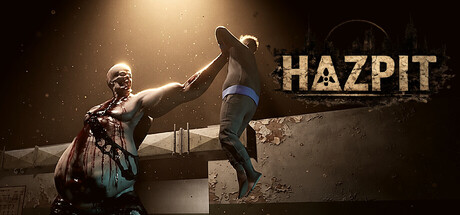 HAZPIT In-game content arttextcode | Generative AI was used for UI icons, the intro video, and retouching of store capsule images. In-game 3D assets, characters and environments are licensed or hand-made, not AI-generated. AI was used as an assistive tool for code, text and translation. | Late Build | - | Oct 12, 2026 | |
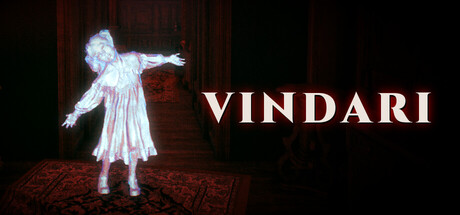 VINDARI In-game content audio | The ghost's voice lines, lullaby, screams, laughter and some sound effects were generated with AI audio tools (ElevenLabs). The store page description and the layout of the capsule art were prepared with the help of an AI assistant, using screenshots captured from the game. All 3D models, environments and animations are human-made assets licensed from the Fab marketplace. | DH | - | Oct 12, 2026 | |
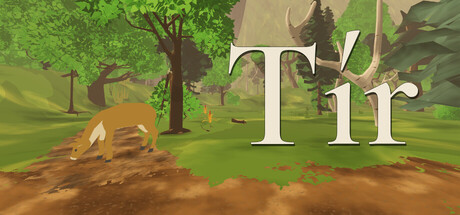 Tír Store/marketing textart | Just help with the marketing material drafts | Sons of Dagda | - | Oct 12, 2026 | |
 ONSIGHT Store/marketing codetext | AI-assisted tools were used during development for programming, debugging, shader work and some store-page text. All output was reviewed and integrated by the developer. No live-generated AI content is used in gameplay. | Fat Set Studios | - | Oct 12, 2026 | |
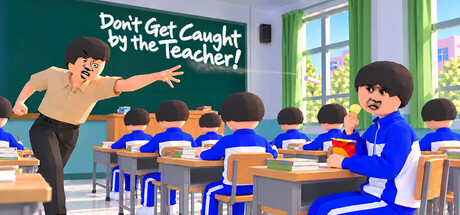 别被老师逮到! In-game content arttextcode | Except for gameplay design and some sound effects and art assets, the game’s code, 3D models, localization text, and other content were generated by GPT during development. Development was carried out through direct conversations with the 6.0-Astra and 6.1sol large language models, without predefined workflows or external Skills. The 3D models were created from written descriptions and reference images, with GPT writing and executing Blender scripts.
All such content was created during development. The game does not use generative AI to create content in real time during gameplay.
In the future, we may use newer large language models to further improve the game’s art quality and visual presentation, while comparing how different large language models perform in game development. | mofishya | - | Oct 10, 2026 | |
 Estación Libertad In-game content audio | Some voice lines and background audio effects in this game were generated or modified using generative artificial intelligence tools. These audio files were then processed and mixed manually by the developer. | Sebastián Barra | - | Oct 10, 2026 | |
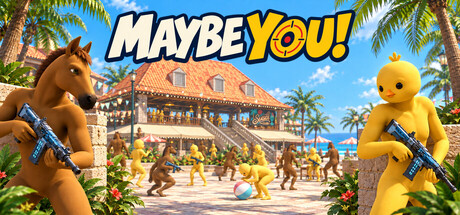 MAYBE YOU! In-game content artaudio | Generative AI assisted in creating some assets, including characters, images, music, and sound effects. | kasajin | - | Oct 10, 2026 | |
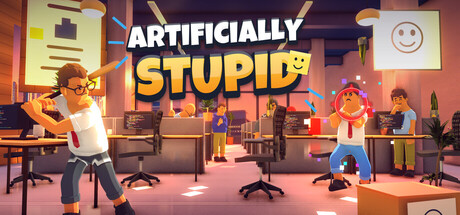 Artificially Stupid In-game content artaudiotext | Some 3D models and character animations were generated with Meshy and then edited by our team in Blender. Some 2D artwork (backdrops, posters, signage art) was generated with Stable Diffusion XL and finished by hand. Some sound effects, ambience and the trailer music were generated with ElevenLabs. The Boss and announcer voice lines use text-to-speech. The game's translations were produced with AI and are being reviewed. No AI content is generated while you play. | DYVEXAR Studio | - | Oct 10, 2026 | |
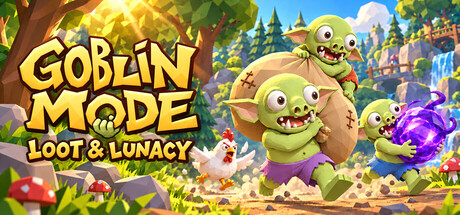 Goblin Mode: Loot & Lunacy In-game content artcode | Generative AI tools were used during development to assist in the creation of 3D models and other visual assets. AI-assisted development tools were also used extensively for programming and implementation. All generated and AI-assisted content was reviewed, directed, and integrated by the developer. No generative AI is used at runtime. | Boreder | - | Oct 9, 2026 | |
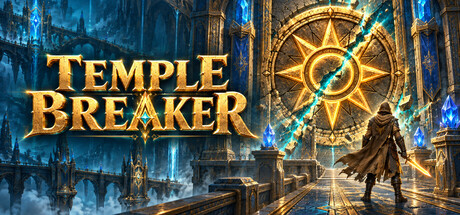 TEMPLE BREAKER Store/marketing arttext | Generative AI tools were used to create visual artwork for the game and its marketing, and to assist with store-page text. These materials are prepared in advance. Temple Breaker does not generate content with AI during gameplay. | NEXTSQUARESTUDIO | - | Oct 9, 2026 | |
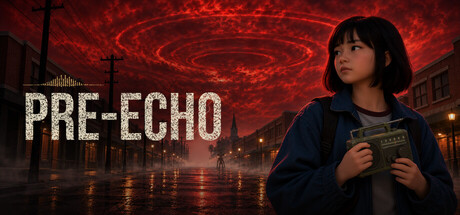 PRE-ECHO In-game content artaudiotext | Some content in PRE-ECHO was created with the help of generative AI tools during development and was then integrated, adjusted and art-directed by the developer:
- 3D models: the character and creature models, and many prop and vehicle models, were generated with Tripo from original reference images made for this project, then rigged, adjusted and textured in Blender and Unreal Engine.
- 2D art: some textures and interface images (such as the main-menu background, the workshop investigation board, journal and map paper, and inventory icons) were generated with image-generation tools from original prompts.
- Voices: all spoken lines are synthesized with the open-source Kokoro text-to-speech model using generic voices. No real person's voice was recorded or cloned.
- Text: the script, in-game text and English/Spanish localization were written with an AI assistant under the developer's direction.
- Store art: the store and library artwork was generated with AI image tools from the project's own character and creature references, then retouched by the developer. The logo was made without AI. The screenshots are unedited captures of the game.
No content is generated by AI while the game is running. | Simulsix | - | Oct 9, 2026 | |
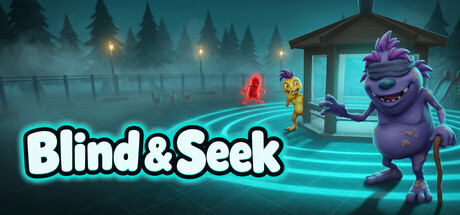 Blind & Seek In-game content arttext | Pre-generated AI content only; nothing is generated live during gameplay.
- Some 3D assets (character models, the seeker's bandana and a few props) were
created with AI-assisted 3D generation tools, then edited, rigged and adjusted
by hand before being used in the game.
- Some 2D images (in-game "how to play" board, UI art) were created with AI image
tools and edited by hand.
- Parts of the in-game text localization were produced with AI translation and
reviewed by the developer.
All AI-generated assets were reviewed by us and we hold the rights required to
use and distribute them. | RetroVive | - | Oct 9, 2026 | |
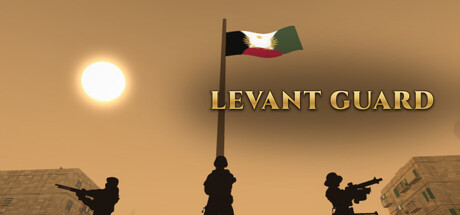 Levant Guard Dev only artaudiotext | Some content was pre-generated with AI tools during development and then edited by the developer. | GameQ Labs | - | Oct 9, 2026 | |
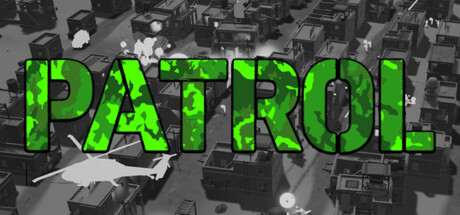 Patrol In-game content text | AI was used for in-game translations of UI, tutorial and caption text. It was also used to translate the store page content into non-English locales. | REMO Games | - | Oct 9, 2026 | |
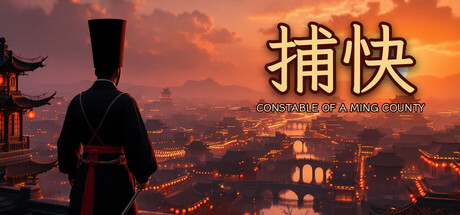 捕快: Constable of a Ming County In-game content artaudiotext | AI tools helped create models, art, textures, music and English localization. | chi yin so | - | Oct 9, 2026 | |
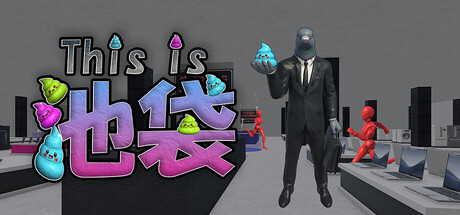 This is Ikebukuro In-game content artcode | Most of the 3D models appearing in this game, including the main protagonist and various objects, were generated and modeled using generative AI tools. While some of the programming code was also generated with the assistance of generative AI (such as Gemini), all tasks—including implementation, fine-tuning gameplay behaviors, overall game design, and adjustments—were carried out manually by a solo human developer. | Minovation Games | - | Oct 9, 2026 | |
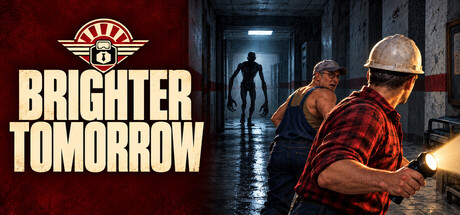 Brighter Tomorrow In-game content art | Some small game assets were modeled using ai. | Justin Murray | - | Oct 9, 2026 | |
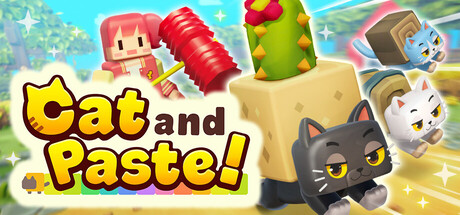 Cat and Paste! In-game content text | AI-assisted translation tools were used for some parts of the game's localization.
We are committed to improving translation quality and welcome feedback on any inaccuracies or unnatural phrasing you may encounter. | BeXide Inc. | - | Oct 9, 2026 | |
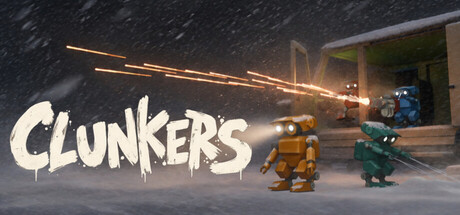 破铜烂铁 In-game content artaudio | This game includes pre-generated visual and auditory
assets created with the assistance of generative AI. These assets have been reviewed, edited, and integrated by the development team. The game does not use generative AI to create content while players are playing. | Dawang Games | - | Oct 7, 2026 | |
 추 : 그날의 악몽 In-game content audiotextcode | All AI use happened during development. The background music was created with an AI music generation tool and edited by the developer. Parts of the in-game text, the store page text and the scripts used to build the 3D models were written with the help of an AI assistant, then reviewed and edited by the developer. No AI content is generated during gameplay. | HyungDongStudio | - | Oct 7, 2026 | |
 The Lost Cape In-game content artaudiotext | Generative AI was used to create some pre-generated 3D models, artwork, audio, and voice assets used in the game and marketing materials. No AI-generated content is created during gameplay. | RS Game Studio | - | Oct 7, 2026 | |
 Patients In-game content artcode | This game uses AI to generate some models, textures, and even some mechanics. | Saintsscs | - | Oct 6, 2026 | |
 General please break through In-game content art | The game propaganda map was created by AI. | NHB | - | Oct 6, 2026 | |
 Junk Rush In-game content audio | We don’t particularly like using AI.
Unfortunately, we are a small indie studio made of programmers and designers who are currently somewhere between “making a game” and “having existential crises”.
So, for now, we use AI to help us with some parts of our daily work and to bring some of our music, ideas, and inspirations to life.
But don’t worry, we haven’t handed over the steering wheel to the robots just yet.
Our project, its identity, and its originality are still created and directed by us. AI is simply one of the tools helping us survive the development process while our budget is busy pretending it doesn’t exist.
As soon as we have the resources to replace AI with our own human made work, we absolutely intend to do so.
Until then, we’re just a bunch of indie developers trying to make something cool before our refrigerators become purely decorative objects. | Mobdog Studios | - | Oct 5, 2026 | |
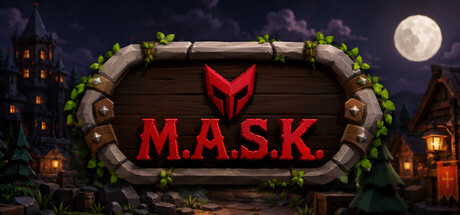 M.A.S.K. Store/marketing art | Generative AI tools were used during the development of this game to help create some store artwork, user interface (UI) concepts, and cover designs. All AI-generated content was reviewed, edited, and finalized by humans. The game does not generate any AI content dynamically or in real time during gameplay. | FUNFORCAN GAMES | - | Oct 4, 2026 | |
 Achluophobia: Dark Forest Escape Store/marketing art | Generative AI was used to assist in the creation of the game's library logo artwork. No AI-generated content is created during gameplay. | ARTNOVATION | - | Oct 4, 2026 | |
 Hold My Cargo In-game content arttextcode | Hold My Cargo is made by a three-person team at Favera Studio. Like many small studios, we use AI-assisted tools as part of our production pipeline — for exploring concepts and marketing artwork, speeding up parts of 3D asset, animation and texture work, drafting text and running automated testing. Every asset, animation and line of text that ships in the game is directed, reviewed, edited and approved by the team; nothing goes in unseen. The game does not generate any content at runtime — there is no live AI in Hold My Cargo, and no player data is sent to AI services. | Favera Studio | - | Oct 4, 2026 | |
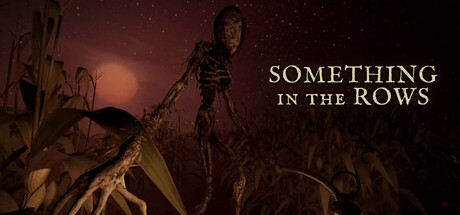 Something in the Rows In-game content art | Some 3D models in this game, with their textures, were generated with an AI 3D-modeling tool from our own designs and then rigged and edited for the game: the Harvester, the Halloway family, the two playable co-op characters, the scarecrows and the wax effigy. | Distorted Games Studio | - | Oct 3, 2026 | |
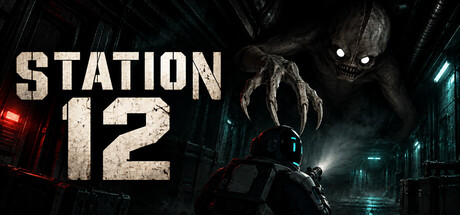 Station 12 In-game content art | Generative AI was used to help create some of the promotional artwork and marketing images displayed on Station 12’s Steam store page.
These images are promotional illustrations and are a good representation of the in-game visuals. | John Kircher | - | Oct 3, 2026 | |
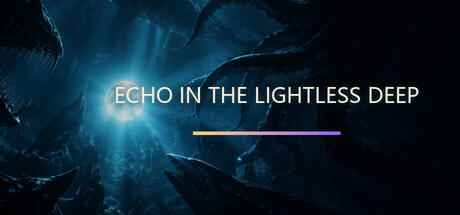 Echo in the Lightless Deep In-game content arttext | The audio in the game is not produced by machine learning models. The game images are divided into two categories: ① The vast majority are generated programmatically and not by machine learning models; ② The character illustrations are generated by machine learning and then selected, cropped, and post-processed by humans. The game text (environmental narration, entry descriptions, achievement descriptions) is drafted by AI with assistance and then revised by humans before being included; developers conduct fact and expression reviews of all game images and text before release. The game does not have an AI system for real-time generation of content, and player input will not be used for training or content generation. | CelestialArk | - | Oct 1, 2026 | |
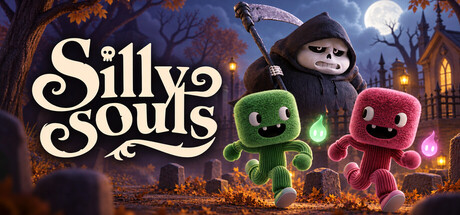 Silly Souls In-game content art | Generative AI tools were used to create and refine promotional artwork and startup/loading artwork based on our game’s character designs. The startup artwork is included in the game. | Pasta Desert Studios | - | Oct 1, 2026 | |
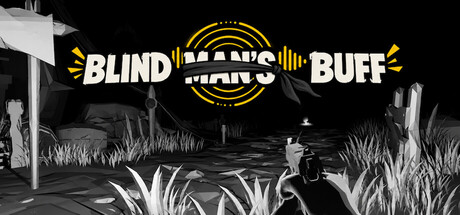 Blind Man's Buff In-game content audio | Music and sounds were produced with ElevenLabs. | sanzyman | - | Oct 1, 2026 | |
 Night at the Fun Park In-game content arttext | AI tools were used to create or edit some in-game and store artwork and textures, and to assist with translations. Creative direction and final content selection are ours. No AI content is generated during gameplay. | Sitting Teddy | - | Oct 1, 2026 | |
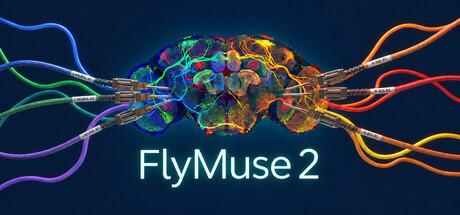 FlyMuse 2 Unclear | This game contains a neural network model. | XieXing Game | - | Oct 1, 2026 | |
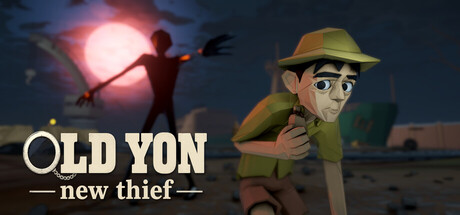 Old Yon. New thief In-game content arttext | Some character portraits were created with generative AI. AI tools were also used to help write and translate the store page and to translate the game's text. The story and dialogue were written by our team. | BoneApps | - | Sep 30, 2026 | |
 Backrooms Adventure In-game content arttextaudio | Some of this game's content was created with the help of generative AI tools during development:
- Artwork: some of the visual art in the game.
- Text: parts of the in-game writing, and the Simplified Chinese translation.
- Audio: a small number of sound effects. Most of the game's sound was made without AI.
Nothing is generated by AI while you play. | Glycine | - | Sep 30, 2026 | |
 准点下班 In-game content codeart | This game uses AI to assist in generating code and 3D models. | 3AGame | - | Sep 30, 2026 | |
 rogOut In-game content arttext | Portraits of characters and creatures are generated using Stable Diffusion. They appear in-game and in store page materials. I plan to replace all generated portraits with hand-drawn art.
Some in-game labels and text descriptions are placeholders generated by an LLM. I am gradually rewriting them by hand. | Stasoun | - | Sep 30, 2026 | |
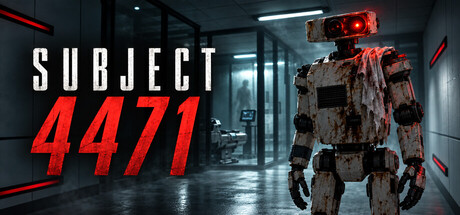 Subject 4471 In-game content artaudio | Some of the visual and audio assets in Subject 4471 were created with the assistance of generative AI tools during development. All AI-generated content was reviewed, curated, and edited by the developer to ensure it is appropriate, and the developer has taken steps to ensure it holds the rights necessary to use this content. This game does not generate any AI content in real time during gameplay. | KalisGo | - | Sep 30, 2026 | |
 Second Source In-game content audiotext | The soundtrack was produced with generative AI music tools and then edited, cut and mixed by the developer. Part of the game's text and this store page was written with AI assistance and reviewed line by line by the developer. Everything else - code, interface art, achievement icons, the map and every capsule and screenshot - is hand-made. No content is generated by AI while you play. | Pablo Marcelo Riestra | - | Sep 27, 2026 | |
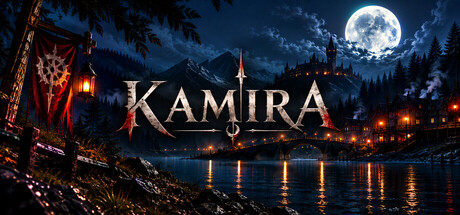 Kamira In-game content art | Artificial intelligence support has been utilized for technical and visual assets. | Daymark Studio | - | Sep 27, 2026 | |
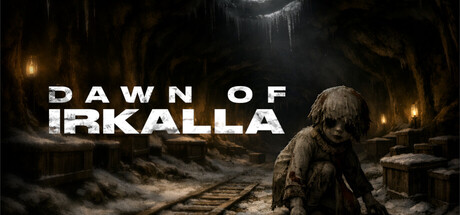 Dawn of Irkalla Dev only artcode | Dawn of Irkalla includes pre-generated AI-assisted content used during development, including some 3D models, images, and code assistance. The game's level design, story, lore, gameplay, music, and many other assets were created by us or sourced from licensed third parties. | GreenMind Media Inc | - | Sep 26, 2026 | |
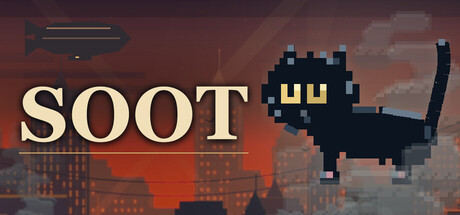 SOOT Dev only | Generative AI tools were used during development to assist with debugging. AI-assisted content included in the final game was reviewed and edited by the developer. No content is generated by AI during gameplay. | GR0GZ_GAMES | - | Sep 25, 2026 | |
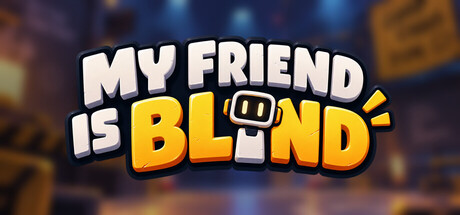 My Friend is Blind In-game content arttext | Some of the game's 3D models and artwork were created with the help of generative AI tools and then cleaned up and edited by hand. Parts of the store page text were drafted with AI assistance. The game does not generate any AI content while you play. | SStudio | - | Sep 25, 2026 | |
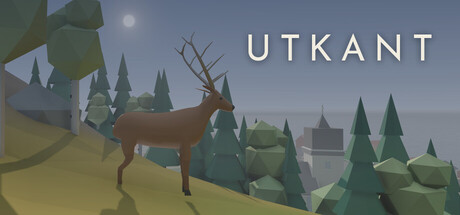 Utkant In-game content textcode | Utkant is a solo project developed with the help of AI coding assistants. The store page text and some in-game writing were drafted with AI assistance, then reviewed and edited by the developer. Nothing is generated by AI while you play. | Mathias Rørvik | - | Sep 25, 2026 | |
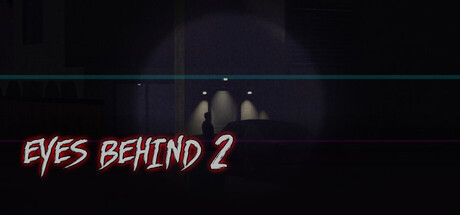 Eyes Behind 2 In-game content artaudiotext | AI tools assisted in developing certain visual and audio elements, design references, and translations. The development team reviewed and finalized all published content. | chambazGames | - | Sep 25, 2026 | |
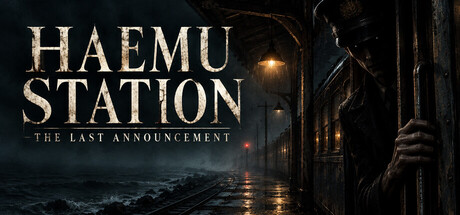 Haemu Station: The Last Announcement In-game content artaudiotext | Generative AI was used to create pre-rendered story illustrations, horror encounter images, promotional artwork and music. AI tools also assisted with narrative text and localization. These assets are prepared in advance; the game does not generate AI content during play. | NION | - | Sep 25, 2026 |


