








Disclosure
Generative AI was used as a development aid for selected content and assets. All final content was reviewed by the developer.
- Creator
- Marulk Studio
- Reviews
- -
- Added
- Oct 6, 2026
Public Steam disclosure research 25,376 disclosures tracked
Search developers’ Steam disclosures, compare classified AI use across games, and follow recorded changes. This index adds cross-game classifications and statistics to statements published on individual store pages.
Code help, debugging and other development work.
Capsule art, trailers and promotional material.
Pre-made art, audio, writing and other game assets.
Interactive or runtime AI features disclosed by the developer.
Groups reflect automatic analysis of public disclosures; mature records are excluded. These counts do not measure AI use across all of Steam. Missing or unclear statements cannot establish whether a game uses AI.
Generative AI was used as a development aid for selected content and assets. All final content was reviewed by the developer.
AI-assisted scripting was used to create visual and audio assets. AI tools also assisted with text and localization. No generative AI is used during gameplay.
Some content in this game was created with the help of generative AI during development. - Drafts of in-game text such as news articles, interviews and guidance messages - Translations into languages other than Korean - Some graphic elements, such as karts and maps
The Rend is made by a small indie team, with core character art, animation, and design created by human artists we've worked with and credited. We use generative AI tools in a supporting role for environment art direction and variation, additional views and variations of existing character designs, and some temporary UI artwork, such as achievement badges that haven't received their final art yet. No content is generated by AI during gameplay. All AI-assisted content is directed, reviewed, and edited by our team. As development continues, we'll keep working with artists and developers to improve the game's art and overall experience.
The store page capsule and library images (key art and logo) were created with the help of an AI image generator as temporary placeholders. They will be replaced with hand-made artwork in the future. The game itself does not use generative AI.
AI was used to enhance store page image assets.
Pre-generated AI content: The four background music tracks were generated with Suno AI under the developer's paid subscription (commercial license per Suno's Terms of Service). The source image of the application icon was generated with an AI image tool and manually processed. All in-game 3D models, textures, chalk illustrations and sound effects are procedurally generated by in-house scripts without AI. The game contains no live-generated AI content.
Some artwork in the game and its Steam store and marketing materials was created or refined with generative AI tools before release. Some music tracks were generated offline with ACE-Step. These are fixed, pre-generated assets. The game does not generate AI content during gameplay or connect to an external AI service.
Some visual and audio assets were generated with AI tools during development and edited for use in Dead Last. No AI content is generated during gameplay.
As a solo developer, generative AI tools were used to assist in creating promotional capsule artwork and achievement icons. All gameplay mechanics, coding, and game design were created directly by the developer.
Software engineering is primarily by hand in C# and python, with local SLM's, run via Ollama, and occasional cloud-based LLM's used to research knowledge deficits and prototype code snippets for specific systems that map to those deficits. Any AI-generated code was reviewed line-by-line, hand-integrated and heavily modified. The application requires local file access to files selected by the player from a standard operating system folder browser with permissions. It scans the user's system via the psutil and gputil standard python packages to ascertain the specifications of the user's system to select a model that will match their system's performance profile. Pinocchio and Hunyuan were used to generate 3D models of mushrooms from 19th century public domain botanical illustrations, and the integrated SLM model is used to generate text labels and summaries at runtime. The application has absolutely no chat interface. An SLM is integrated locally as a black-box system with robust system prompts to generate structured output in the form of JSON based on the player's file inputs. The JSON is consumed by the game to generate maps and levels. Additional Specifications & Technical Notes: - A localhost python server is back-compiled to a C executable and deployed with the main executable and invoked from its application domain to host the local model. - The local model is downloaded from the Internet via Ollama. - The end-user needs to have the Ollama client installed to run the model locally. - The python server has robust internal system prompts to prevent violation of the Terms of Service on the Steam and Itch platforms regarding disallowed content. - The python server is run from the main executable's application domain, in the same directory structure. - The python server and main executable communicate via a local socket connection via IANA-approved port numbers according to RFC 6335. Ports are tested and iterated to ensure that they are available on the local system. If an IANA-approved port listed in RFC 6335 is not available, the application will not run. Heaps adheres to the ARTS standard for AI labeling. A full accounting of our use of AI in this game can be found at: droidknot.com/ARTS/Heaps_SIS_082726.pdf
AI tools were used to generate base 2D images and concepts for character masks. These assets were then manually edited, polished, color-corrected, and integrated into the game by the developer.
AI-assisted coding and editor automation tools were used during development for workflow efficiency. Most of the art was hand-made by me. The remaining art generated by AI tools like icons or textures will be swapped to human-made art in the near future. AI translation tools were used to create localization drafts, that are being reviewed by speakers of the language.
The localization was generated with the help of AI, and artwork was based on game content but polished with AI.
The game logo, used in store art and the trailer, was created with AI image generation tools.
This game utilizes AI technology for some of its translations and content creation. While we make every effort to review and refine the content, some translations or expressions may contain inaccuracies or unnatural wording. If you notice any issues or have any feedback, we will work to address and improve them through future updates. Thank you for your understanding.
localization
This game contains pre-generated AI content. Some collectible item models and several furniture and decor props were created with AI image-to-3D and text-to-3D generation, then optimized and placed by the developer. Some surface textures and decorative images were AI-generated. The store capsule and library artwork, logo and icons were created with AI image generation using the game's own screenshots as reference. In-game and store text, including translations, was drafted with AI assistance and edited by the developer. Gameplay screenshots are real in-game captures without AI editing. The game does not generate AI content or connect to AI services while running.
Generative AI was used to assist with localization and to create some sprites included in this demo. We plan to replace these icons with original artwork for the full release.
Generative AI tools were used during development to create some pre-generated 2D artwork, including item icons, characters and environments, as well as store and marketing materials, including the cinematic teaser. These assets were selected, prepared and integrated by the development team. The game does not generate content using AI during gameplay or connect to external AI services.
Store images are ai generated.
Generative AI tools were used during development to assist with the creation and refinement of some textures and 3D assets.
Generative AI tools were used to assist in creating some pre-generated 3D models, textures, visual assets, and promotional artwork. All content is generated before gameplay, reviewed by the developer, and integrated into the finished game. No generative AI is used live during gameplay.
Steam store and library, including capsule images, the logo and icons Gameplay screenshots were captured directly from the game.
Memory House is based on our original concept, characters, storylines, gameplay, and creative direction. During development, we used generative AI as a tool to help produce illustrations, visual assets, and written narrative content based on those ideas. We selected and refined the resulting content for the game and some promotional materials. No AI content is generated during gameplay.
Generative AI tools were used to assist with the creation of some game and promotional content. All final content was reviewed and approved by the developer.
AI assistance used for some visuals.
The vast majority of this game—including original game design, programming, character creation, dialogue, custom audio, and overall creative direction—was fully developed and crafted by the author. Artificial Intelligence tools were used strictly as an auxiliary production aid for: Audio & Sound: Selective background music tracks and specific ambient sound effects to complement the game's soundscape. All core gameplay, visual assets, character designs, and mechanics are 100% original, hand-crafted work.
Some pre-generated promotional artwork and the game icon were created with generative AI. Gameplay screenshots and trailer footage are captured directly from the game. The game does not generate content during play.
Generative AI tools were used extensively throughout development. Most of the game's visual content, user interface, written text, audio, narrative and localization, and program code were created with the assistance of generative AI, then selected, edited, integrated, and refined by the developer. Generative AI is used only during development. The game does not connect to AI services or generate content in real time during gameplay.
AI helped with grammatical corrections for in-game text, which were then carefully reviewed and adjusted by hand. We only consider AI to be a supportive tool. Every detail is meticulously crafted with human intent, as our creative process is still firmly anchored in manual craftsmanship.
Glyphtrip is made by a studio of three: one human and two silicon genius-toddlers. The soundtrack stems were generated with AI and mixed and mastered by hand. The translations and custom font were made with AI.
AI was used to generate the art, music, sound effects, the captains' short vocal reactions, the game text and the translations, all curated and reviewed by hand. Nothing is generated at runtime.
As a solo developer, I’ve used AI to generate initial beta translations for the UI and text to help bring the game to more regions.
AI tools were used to assist with programming and to generate some promotional artwork and marketing materials. The game does not generate AI content during gameplay or connect to external AI services.
Steam store and library artwork, including capsule images, the logo and icons, was created using generative AI. Gameplay screenshots were captured directly from the game.
Generative AI tools were used during development to assist with some visual assets and portions of the game's code. AI-assisted artwork includes the title background, dungeon environments, monsters, adventurers, and trap visuals. All such content was created before release and integrated as fixed game assets. Hearthdeep does not generate AI content during gameplay and does not connect to external AI services while the game is running.
Some artwork, 3D models, and code in this game were created with the assistance of AI tools during development. All AI-assisted content is pre-made and included in the game files; no content or code is generated live during gameplay.
Current development builds include one AI-generated splash-screen image and a small number of prerecorded soldier voice lines created using generative AI. No content is generated by AI during gameplay.
All visual assets, audio, text, and promotional materials in this game were created using generative AI tools. The developer selected, edited, refined, and integrated the generated content into the final game. The game does not use generative AI to generate content in real time during gameplay.
Generative AI tools were used during the development of this game to help create some store artwork, user interface (UI) concepts, and cover designs. All AI-generated content was reviewed, edited, and finalized by humans. The game does not generate any AI content dynamically or in real time during gameplay.
AI helped with grammatical corrections for in-game text, which were then carefully reviewed and adjusted by hand Some store visuals modified with AI assistance
AI was used for the translation of the game.
Portions of this game's code and dialogue were written with the assistance of AI tools and then reviewed and edited by the developer. All art, 3D models, music and sound effects are human-made assets (Quaternius, Kay Lousberg, Kenney, omfgdude and SubspaceAudio, all CC0). Nothing is generated by AI while you play.
Generative AI was used to create the background artwork in the Steam store and library images, and the Drift Quest logo, which also appears in the game. AI tools were also used during development: AI coding assistants helped write the game's code, the store description was written with AI assistance, and the game and store texts were translated into 29 languages and reviewed with AI. AI also helped write some of the game's English text, such as quest, item and spell names. The in-game interface and icon art comes from licensed asset packs, and the music is licensed from Phat Phrog Studios. No content is generated by AI while you play.
Our logo and key art were created with the help of AI image generation tools and edited by us. All gameplay, 3D models, and audio were made by our team.
We use generative AI tools during development to create some concept art and supporting images, as well as certain materials for the store page. All in-game content, including final assets, models, and text, is created and reviewed by hand.
Generation of marketing materials and concept art was supported by generative AI.
AI tools assisted with some of the game's art and writing.
An AI assistant (Claude) was used during development. It wrote the in-game text translations, the store page text, and the scripts that build many of the game's 3D models, animations and textures, all under the developer's direction and review. Nothing is generated by AI while you play. All sounds are real recordings from CC0 libraries.
| Title⇅ | Disclosure | Creator⇅ | Src | Reviews⇅ | Added↓ |
|---|---|---|---|---|---|
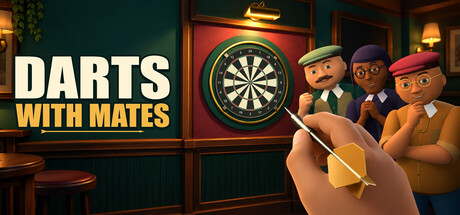 Darts With Mates Dev only | Generative AI was used as a development aid for selected content and assets. All final content was reviewed by the developer. | Marulk Studio | - | Oct 6, 2026 | |
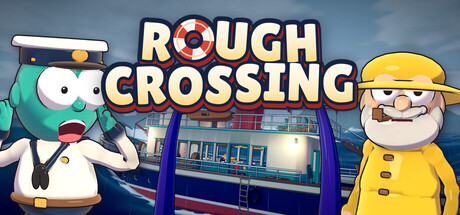 ROUGH CROSSING In-game content artaudiotext | AI-assisted scripting was used to create visual and audio assets. AI tools also assisted with text and localization. No generative AI is used during gameplay. | Summer | - | Oct 6, 2026 | |
 Kart League Manager In-game content textart | Some content in this game was created with the help of generative AI during development.
- Drafts of in-game text such as news articles, interviews and guidance messages
- Translations into languages other than Korean
- Some graphic elements, such as karts and maps | Flowdot | - | Oct 6, 2026 | |
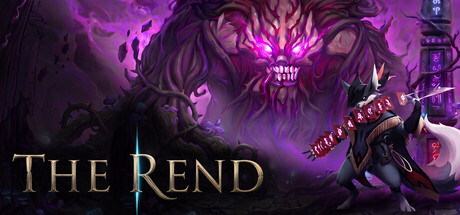 The Rend: Trials of the Drift In-game content art | The Rend is made by a small indie team, with core character art, animation, and design created by human artists we've worked with and credited.
We use generative AI tools in a supporting role for environment art direction and variation, additional views and variations of existing character designs, and some temporary UI artwork, such as achievement badges that haven't received their final art yet. No content is generated by AI during gameplay.
All AI-assisted content is directed, reviewed, and edited by our team. As development continues, we'll keep working with artists and developers to improve the game's art and overall experience. | Ludicrous Film and Games | - | Oct 6, 2026 | |
 Panda Flora Store/marketing art | The store page capsule and library images (key art and logo) were created with the help of an AI image generator as temporary placeholders. They will be replaced with hand-made artwork in the future. The game itself does not use generative AI. | PandaFlora | - | Oct 6, 2026 | |
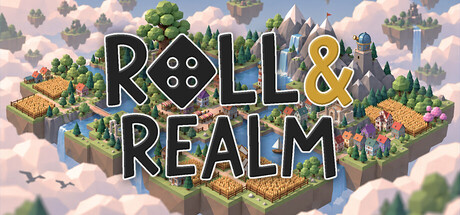 Roll & Realm Store/marketing art | AI was used to enhance store page image assets. | Spellmeat | - | Oct 6, 2026 | |
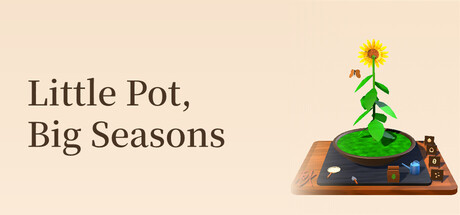 Little Pot, Big Seasons In-game content audioart | Pre-generated AI content: The four background music tracks were generated with Suno AI under the developer's paid subscription (commercial license per Suno's Terms of Service). The source image of the application icon was generated with an AI image tool and manually processed. All in-game 3D models, textures, chalk illustrations and sound effects are procedurally generated by in-house scripts without AI. The game contains no live-generated AI content. | zxdefine | - | Oct 6, 2026 | |
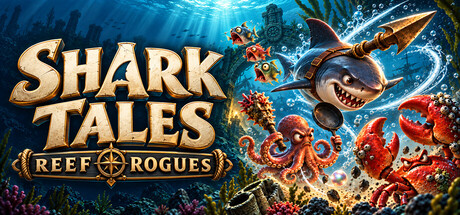 Shark Tales: Reef Rogues In-game content artaudio | Some artwork in the game and its Steam store and marketing materials was created or refined with generative AI tools before release. Some music tracks were generated offline with ACE-Step. These are fixed, pre-generated assets. The game does not generate AI content during gameplay or connect to an external AI service. | RadDad Basement Studio | - | Oct 6, 2026 | |
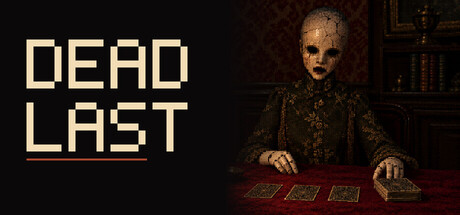 Dead Last In-game content artaudio | Some visual and audio assets were generated with AI tools during development and edited for use in Dead Last. No AI content is generated during gameplay. | Eddie Eizner | - | Oct 6, 2026 | |
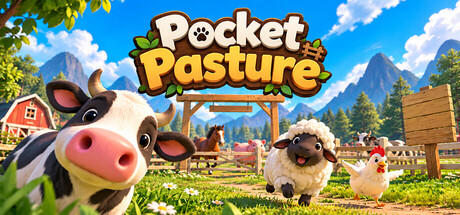 Pocket Pasture In-game content art | As a solo developer, generative AI tools were used to assist in creating promotional capsule artwork and achievement icons. All gameplay mechanics, coding, and game design were created directly by the developer. | OxygenStudio | - | Oct 6, 2026 | |
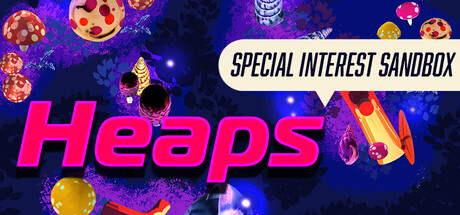 Heaps Live AI arttextcode | Software engineering is primarily by hand in C# and python, with local SLM's, run via Ollama, and occasional cloud-based LLM's used to research knowledge deficits and prototype code snippets for specific systems that map to those deficits. Any AI-generated code was reviewed line-by-line, hand-integrated and heavily modified.
The application requires local file access to files selected by the player from a standard operating system folder browser with permissions. It scans the user's system via the psutil and gputil standard python packages to ascertain the specifications of the user's system to select a model that will match their system's performance profile.
Pinocchio and Hunyuan were used to generate 3D models of mushrooms from 19th century public domain botanical illustrations, and the integrated SLM model is used to generate text labels and summaries at runtime.
The application has absolutely no chat interface. An SLM is integrated locally as a black-box system with robust system prompts to generate structured output in the form of JSON based on the player's file inputs. The JSON is consumed by the game to generate maps and levels.
Additional Specifications & Technical Notes:
- A localhost python server is back-compiled to a C executable and deployed with the main executable and invoked from its application domain to host the local model.
- The local model is downloaded from the Internet via Ollama.
- The end-user needs to have the Ollama client installed to run the model locally.
- The python server has robust internal system prompts to prevent violation of the Terms of Service on the Steam and Itch platforms regarding disallowed content.
- The python server is run from the main executable's application domain, in the same directory structure.
- The python server and main executable communicate via a local socket connection via IANA-approved port numbers according to RFC 6335. Ports are tested and iterated to ensure that they are available on the local system. If an IANA-approved port listed in RFC 6335 is not available, the application will not run.
Heaps adheres to the ARTS standard for AI labeling. A full accounting of our use of AI in this game can be found at:
droidknot.com/ARTS/Heaps_SIS_082726.pdf | Droidknot LLC | - | Oct 6, 2026 | |
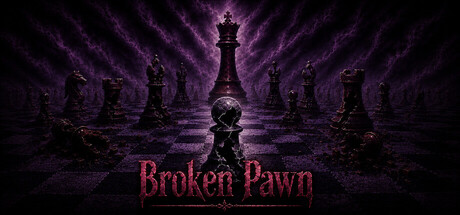 Broken Pawn In-game content art | AI tools were used to generate base 2D images and concepts for character masks. These assets were then manually edited, polished, color-corrected, and integrated into the game by the developer. | Morok Archive | - | Oct 6, 2026 | |
 White Christmas In-game content codearttext | AI-assisted coding and editor automation tools were used during development for workflow efficiency.
Most of the art was hand-made by me. The remaining art generated by AI tools like icons or textures will be swapped to human-made art in the near future.
AI translation tools were used to create localization drafts, that are being reviewed by speakers of the language. | Jele Studios | - | Oct 6, 2026 | |
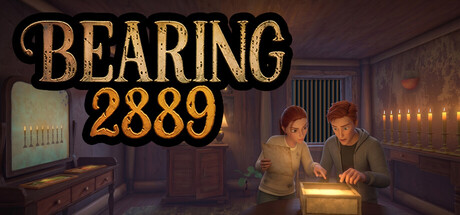 Bearing 2889 In-game content textart | The localization was generated with the help of AI, and artwork was based on game content but polished with AI. | Keycap Games LLC | - | Oct 6, 2026 | |
 Patchy Store/marketing art | The game logo, used in store art and the trailer, was created with AI image generation tools. | Root Cellar Games | - | Oct 6, 2026 | |
 あれ探し図鑑~猫編~ In-game content text | This game utilizes AI technology for some of its translations and content creation.
While we make every effort to review and refine the content, some translations or expressions may contain inaccuracies or unnatural wording.
If you notice any issues or have any feedback, we will work to address and improve them through future updates. Thank you for your understanding. | BEYOND INTERACTIVE, INC. | - | Oct 6, 2026 | |
 Dice Knight In-game content text | localization | Summit Games Interactive | - | Oct 6, 2026 | |
 Witch’s Tidy-Up In-game content arttext | This game contains pre-generated AI content. Some collectible item models and several furniture and decor props were created with AI image-to-3D and text-to-3D generation, then optimized and placed by the developer. Some surface textures and decorative images were AI-generated. The store capsule and library artwork, logo and icons were created with AI image generation using the game's own screenshots as reference. In-game and store text, including translations, was drafted with AI assistance and edited by the developer. Gameplay screenshots are real in-game captures without AI editing. The game does not generate AI content or connect to AI services while running. | Doodle Nest | - | Oct 5, 2026 | |
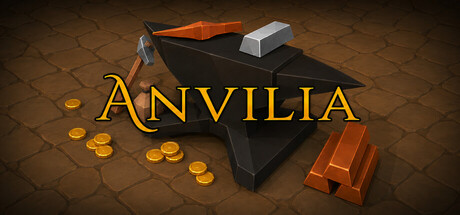 Anvilia In-game content arttext | Generative AI was used to assist with localization and to create some sprites included in this demo. We plan to replace these icons with original artwork for the full release. | DoubleLike | - | Oct 5, 2026 | |
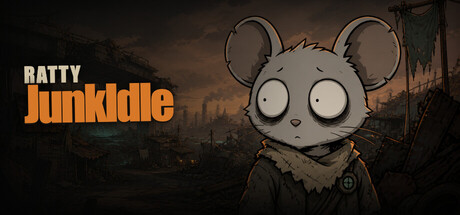 RattyJunkIdle In-game content art | Generative AI tools were used during development to create some pre-generated 2D artwork, including item icons, characters and environments, as well as store and marketing materials, including the cinematic teaser. These assets were selected, prepared and integrated by the development team. The game does not generate content using AI during gameplay or connect to external AI services. | Jujiu Studio | - | Oct 5, 2026 | |
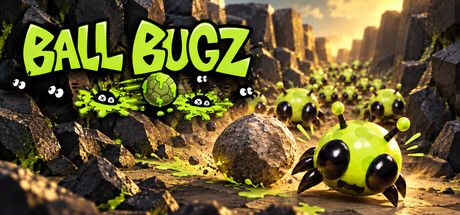 Ball Bugz Store/marketing art | Store images are ai generated. | Crush Bug Studios | - | Oct 5, 2026 | |
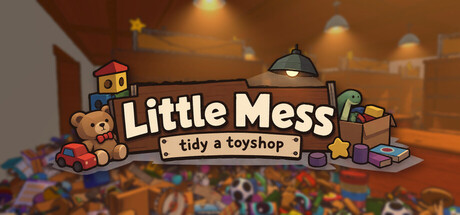 Little Mess: Tidy a toyshop In-game content art | Generative AI tools were used during development to assist with the creation and refinement of some textures and 3D assets. | Lich Software | - | Oct 5, 2026 | |
 Sort The Dumplings In-game content art | Generative AI tools were used to assist in creating some pre-generated 3D models, textures, visual assets, and promotional artwork. All content is generated before gameplay, reviewed by the developer, and integrated into the finished game. No generative AI is used live during gameplay. | Black Vault Games | - | Oct 4, 2026 | |
 Curb Hoppers Store/marketing art | Steam store and library, including capsule images, the logo and icons Gameplay screenshots were captured directly from the game. | Curb Hoppers Studio | - | Oct 4, 2026 | |
 Memory House In-game content arttext | Memory House is based on our original concept, characters, storylines, gameplay, and creative direction. During development, we used generative AI as a tool to help produce illustrations, visual assets, and written narrative content based on those ideas. We selected and refined the resulting content for the game and some promotional materials. No AI content is generated during gameplay. | Germes Studio | - | Oct 4, 2026 | |
 Mavora Unclear arttext | Generative AI tools were used to assist with the creation of some game and promotional content. All final content was reviewed and approved by the developer. | hyesmo | - | Oct 4, 2026 | |
 Wild Heroes: Fight Together Unclear art | AI assistance used for some visuals. | Smobu | - | Oct 4, 2026 | |
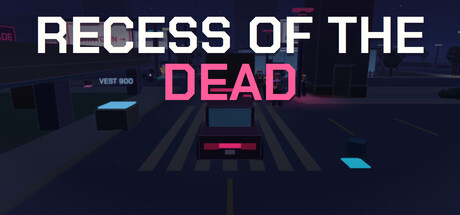 Recess of the Dead In-game content audio | The vast majority of this game—including original game design, programming, character creation, dialogue, custom audio, and overall creative direction—was fully developed and crafted by the author.
Artificial Intelligence tools were used strictly as an auxiliary production aid for:
Audio & Sound: Selective background music tracks and specific ambient sound effects to complement the game's soundscape.
All core gameplay, visual assets, character designs, and mechanics are 100% original, hand-crafted work. | Cobalt Rook Works | - | Oct 4, 2026 | |
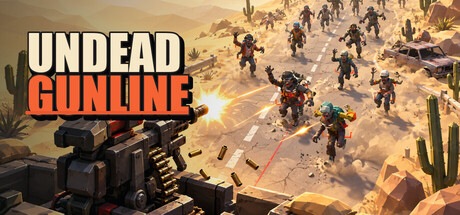 Undead Gunline In-game content art | Some pre-generated promotional artwork and the game icon were created with generative AI. Gameplay screenshots and trailer footage are captured directly from the game. The game does not generate content during play. | Undead Gunline Studio | - | Oct 4, 2026 | |
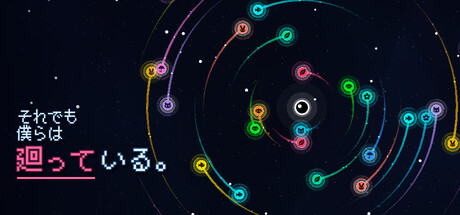 それでも僕らは廻っている。 In-game content arttextaudiocode | Generative AI tools were used extensively throughout development. Most of the game's visual content, user interface, written text, audio, narrative and localization, and program code were created with the assistance of generative AI, then selected, edited, integrated, and refined by the developer. Generative AI is used only during development. The game does not connect to AI services or generate content in real time during gameplay. | おまど | - | Oct 4, 2026 | |
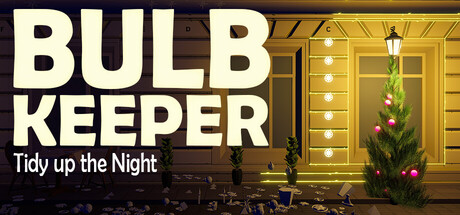 Bulb Keeper: Tidy up the Night In-game content text | AI helped with grammatical corrections for in-game text, which were then carefully reviewed and adjusted by hand.
We only consider AI to be a supportive tool. Every detail is meticulously crafted with human intent, as our creative process is still firmly anchored in manual craftsmanship. | YUKU Game | - | Oct 4, 2026 | |
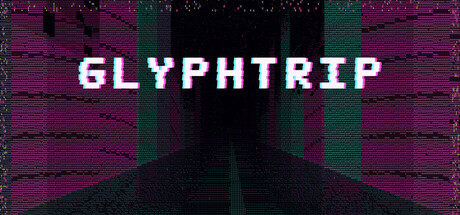 Glyphtrip In-game content audiotext | Glyphtrip is made by a studio of three: one human and two silicon genius-toddlers. The soundtrack stems were generated with AI and mixed and mastered by hand. The translations and custom font were made with AI. | Well-Read Varangians | - | Oct 4, 2026 | |
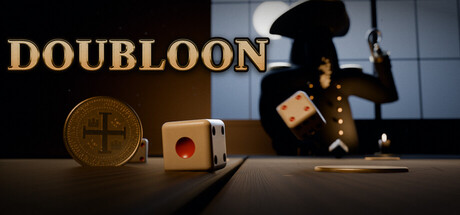 Doubloon: Pirate Dice Roguelike In-game content artaudiotext | AI was used to generate the art, music, sound effects, the captains' short vocal reactions, the game text and the translations, all curated and reviewed by hand. Nothing is generated at runtime. | Windvix Games | - | Oct 4, 2026 | |
 Trivia Mayhem In-game content text | As a solo developer, I’ve used AI to generate initial beta translations for the UI and text to help bring the game to more regions. | Zayd Jahangiri | - | Oct 4, 2026 | |
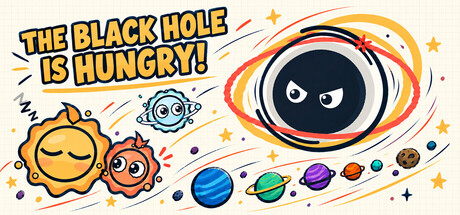 The Black Hole Is Hungry! Store/marketing codeart | AI tools were used to assist with programming and to generate some promotional artwork and marketing materials. The game does not generate AI content during gameplay or connect to external AI services. | duskquillstudio | - | Oct 4, 2026 | |
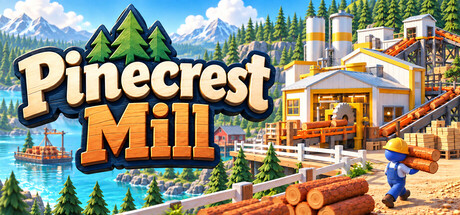 Pinecrest Mill In-game content art | Steam store and library artwork, including capsule images, the logo and icons, was created using generative AI. Gameplay screenshots were captured directly from the game. | Pinecrest Mill Studio | - | Oct 4, 2026 | |
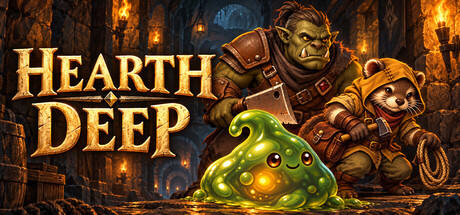 Hearthdeep In-game content artcode | Generative AI tools were used during development to assist with some visual assets and portions of the game's code. AI-assisted artwork includes the title background, dungeon environments, monsters, adventurers, and trap visuals. All such content was created before release and integrated as fixed game assets. Hearthdeep does not generate AI content during gameplay and does not connect to external AI services while the game is running. | Surume Games Studio | - | Oct 4, 2026 | |
 Gridlock TD In-game content artcode | Some artwork, 3D models, and code in this game were created with the assistance of AI tools during development. All AI-assisted content is pre-made and included in the game files; no content or code is generated live during gameplay. | Vekingen | - | Oct 4, 2026 | |
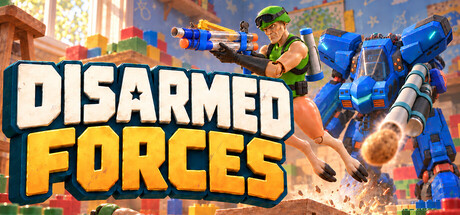 Disarmed Forces In-game content artaudio | Current development builds include one AI-generated splash-screen image and a small number of prerecorded soldier voice lines created using generative AI. No content is generated by AI during gameplay. | BrushBurger | - | Oct 4, 2026 | |
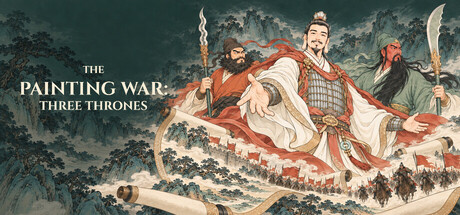 The Painting War: Three Thrones In-game content artaudiotext | All visual assets, audio, text, and promotional materials in this game were created using generative AI tools. The developer selected, edited, refined, and integrated the generated content into the final game. The game does not use generative AI to generate content in real time during gameplay. | SunDay | - | Oct 4, 2026 | |
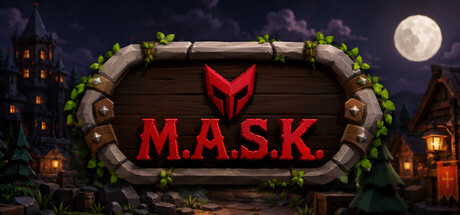 M.A.S.K. Store/marketing art | Generative AI tools were used during the development of this game to help create some store artwork, user interface (UI) concepts, and cover designs. All AI-generated content was reviewed, edited, and finalized by humans. The game does not generate any AI content dynamically or in real time during gameplay. | FUNFORCAN GAMES | - | Oct 4, 2026 | |
 Dice Sort Together: Arcane Hall In-game content text | AI helped with grammatical corrections for in-game text, which were then carefully reviewed and adjusted by hand
Some store visuals modified with AI assistance | Smobu | - | Oct 4, 2026 | |
 Gridbound In-game content text | AI was used for the translation of the game. | RheaGameProductions | - | Oct 4, 2026 | |
 Oniyama Academy: 14 Days of Rough Love In-game content codetext | Portions of this game's code and dialogue were written with the assistance of AI tools and then reviewed and edited by the developer. All art, 3D models, music and sound effects are human-made assets (Quaternius, Kay Lousberg, Kenney, omfgdude and SubspaceAudio, all CC0). Nothing is generated by AI while you play. | ivan | - | Oct 4, 2026 | |
 Drift Quest In-game content arttext | Generative AI was used to create the background artwork in the Steam store and library images, and the Drift Quest logo, which also appears in the game. AI tools were also used during development: AI coding assistants helped write the game's code, the store description was written with AI assistance, and the game and store texts were translated into 29 languages and reviewed with AI. AI also helped write some of the game's English text, such as quest, item and spell names. The in-game interface and icon art comes from licensed asset packs, and the music is licensed from Phat Phrog Studios. No content is generated by AI while you play. | NecoPlanet | - | Oct 4, 2026 | |
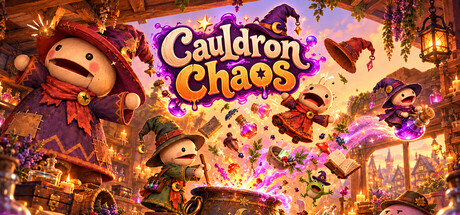 Cauldron Chaos Store/marketing art | Our logo and key art were created with the help of AI image generation tools and edited by us. All gameplay, 3D models, and audio were made by our team. | RavenMark Games | - | Oct 4, 2026 | |
 Windfall In-game content art | We use generative AI tools during development to create some concept art and supporting images, as well as certain materials for the store page. All in-game content, including final assets, models, and text, is created and reviewed by hand. | Nasty's Dev | - | Oct 4, 2026 | |
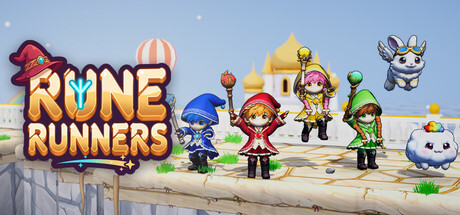 Rune Runners Store/marketing art | Generation of marketing materials and concept art was supported by generative AI. | Pierogi Games | - | Oct 3, 2026 | |
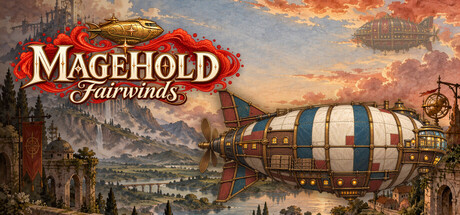 Magehold Fairwinds In-game content arttext | AI tools assisted with some of the game's art and writing. | Pixel Play Studio | - | Oct 3, 2026 | |
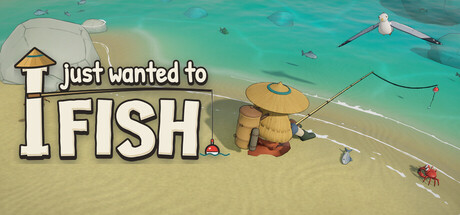 I Just Wanted to Fish In-game content textartcode | An AI assistant (Claude) was used during development. It wrote the in-game text translations, the store page text, and the scripts that build many of the game's 3D models, animations and textures, all under the developer's direction and review. Nothing is generated by AI while you play. All sounds are real recordings from CC0 libraries. | Auscan Games | - | Oct 3, 2026 |


