Public Steam disclosure research25,376 disclosures tracked
Where do games disclose AI use?
Search developers’ Steam disclosures, compare classified AI use across
games, and follow recorded changes.
This index adds cross-game classifications and statistics to
statements published on individual store pages.
Groups reflect automatic analysis of public disclosures; mature records are excluded. These counts do not measure AI use across all of Steam.
Missing or unclear statements cannot establish whether a game uses AI.
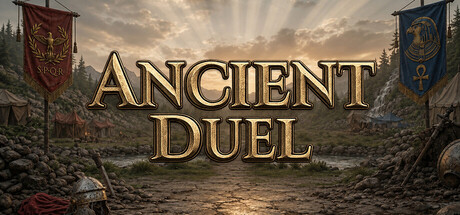
Generative AI tools were used during development to assist with the creation and refinement of some pre-generated visual artwork and marketing assets. All AI-assisted content was reviewed, edited, and integrated by the developer. Ancient Duel does not generate AI content during gameplay.
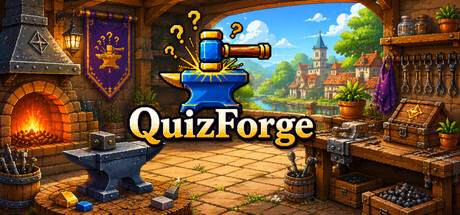
Some pre-generated game assets, artwork and translations were created or assisted using generative AI. All AI-generated content has been reviewed, edited and integrated by the developer. QuizForge does not use generative AI to create live in-game content during gameplay.
Some of the 3D models used for the table and room background in this game were created with the assistance of a generative AI (text-to-3D) tool, and were then adjusted and integrated by the developer. All other assets — including the dictionary data, UI artwork, sound, and all in-game text — were produced without generative AI. No content is generated by AI while you play.
Store page assets: These were primarily created by our designers through composition and arrangement of existing in-game assets, followed by minor AI-assisted adjustments to atmosphere (e.g., lighting, color tones). All final images have undergone thorough human review and refinement. The core design work was completed by our designers, with AI serving only as a supplementary tool to enhance the final presentation.
Generative AI tools were used during development to assist in the creation of some visual assets. All AI-assisted content is pre-generated and included as part of the game. The game does not generate AI content during gameplay.
Some of the art in this game was made with the help of generative AI. The voxel character portraits were generated from written prompts using an AI image generator, then cut out, colour-corrected, posed and animated by hand by the developer. The store page capsules and the achievement icons are composed from that same character art. Parts of the store page text, and the game's translations into its eight supported languages, were produced with AI assistance and reviewed by the developer.
No generative AI runs while you play — nothing is generated in real time. The patrons' behaviour is ordinary game AI: hand-written rules and probability tables. The music and every sound effect are not AI-generated; they are synthesised procedurally.
Wyrdane uses AI-generated artwork for its card illustrations. As a solo developer working without a starting budget, this is a pragmatic choice to bring the game's world to life and test its mechanics without a professional illustration budget. If the project finds its audience, the goal is to progressively replace these visuals with artwork made by human illustrators.
Game design, card balance, game mechanics, world-building, and creative direction are entirely human-made. AI is a production tool, not the creator of this game.
This game uses generative AI in a limited way. AI tools were used only to help create some of the store page and library artwork (such as the capsule images used to display the game in the Steam library and store). The game itself contains no AI-generated content.
All in-game art, assets, screenshots, and the trailer were created without generative AI. No AI content is generated while you play.
The game's 2D artwork, including card and unit illustrations, worker portraits, and store assets, was generated with AI image tools and then reviewed, selected, and edited by the developer. Parts of the in-game text and localizations were also written with AI assistance. The game does not generate any content with AI at runtime.
Some shipped content was created with the help of generative AI tools and then reviewed and edited by the developer: parts of the store and marketing artwork, the trailer music, and the first drafts of the interface translations (German, Spanish, French, Polish, Brazilian Portuguese). All gameplay, rules logic and code are deterministic and human-reviewed. The game does not generate any AI content at runtime.
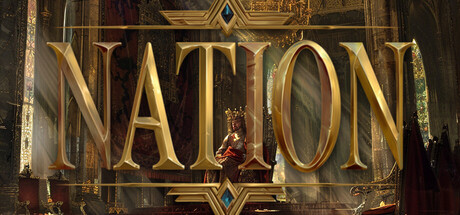
Some of Nation's 2D artwork — character portraits, card illustrations, backgrounds, and store/marketing images — was created with the assistance of generative AI tools, then selected, edited, and composited by our team. All game design, rules, writing, and code are human-made. The game does not generate content with AI while you play.
AI-generated content is used in this product. The store page capsule artwork was created using an AI image generation tool. Portions of the store page description text were drafted with the assistance of an AI writing tool and reviewed/edited by the developer.
Generative artwork is used in the creation of part or full of assets that can not be generated by the game engine. AI is used in the drafting of art and writing before it is reviewed and heavily edited.
Generative AI was used in the development of this game. 2D artwork (characters, familiars, cards, backgrounds, etc.) was created with image-generation AI, then curated, edited, and retouched by the developer. AI-assisted tools were also used during development (e.g., programming). No AI content is generated at runtime. BOT opponents are rule-based programs, not generative AI.
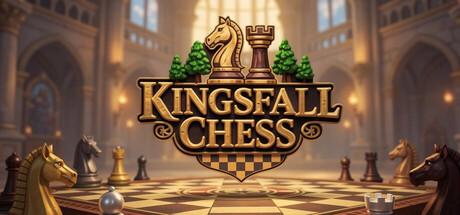
Kingsfall:Chess uses pre-generated AI-generated imagery for some visual assets within the game and promotional/store materials. Other visual assets were created by artists using traditional methods. No content is generated by AI during gameplay.
No live AI generation is used during gameplay. TinSpring Soccer's boards, characters, textures, and sounds are produced procedurally by game code. AI tools were used under developer direction for implementation, localization, and selected store page artwork.
Image assets and some localized text were created with generative AI assistance, then manually processed and reviewed by the developer. No content is generated at runtime.
Some visual assets, marketing materials, and/or text drafts may have been created or assisted with generative AI tools. All AI-assisted content is reviewed and edited by the developer before being included in the game or store page.
Some of the artwork in FAVOR — including character board illustrations, card art and cover art — was created with the help of generative AI image tools, then curated, edited and assembled by our team for the printed 1st Edition of the game and this digital adaptation. No content is generated live during gameplay: every card, board and illustration is a fixed, pre-made asset that ships with the game.
This game uses generative AI to power the pet's dialogue system. Players can choose to enable AI chat and freely select a local model (running offline) or a cloud API (requires their own API key), or completely disable AI chat and use preset or custom dialogue instead. Every AI conversation is generated in real time.
We've harnessed the power of Generative AI technology to create several of our game's unique theme background artworks, enhancing your gaming experience with visually stunning designs.
We use generative AI tools during the pre-production phase to create specific pre-rendered assets for the final game build. Specifically, AI assistance was utilized to generate elements of the instrumental soundtrack, ambient sound effects, and select minor environment/prop assets within the game world. No AI content is generated live or dynamically during gameplay, and all assets have been thoroughly reviewed to ensure they do not infringe on existing copyrights.
OpenSheet uses generative AI for optional artwork only. This is disabled by default.
Pre-rendered: the decorative art that ships with the app — character portraits, race and class backgrounds, creature illustrations, interface icons and stat-panel frames — was produced with OpenAI's image models, as were the application icon and this store page's artwork. All of it is decoration, every family of it can be switched off in Settings, and a new installation shows none of it by default.
No rules content is AI-generated. Every rule, statistic, feat, spell, item, monster and table comes from the published 3.5 Edition SRD source material and the PCGen data set. The app is built so the book always wins.
Generative AI tools were used during development to assist with the creation of some visual assets, store artwork and initial localization drafts. All generated content was reviewed, edited, and integrated by the developer.
Immortal Chess does not generate AI content during gameplay.
The capsule artwork, logo, some card illustrations, and soundtrack were created with the assistance of generative AI tools. All other in-game content — including UI, effects, and text — is hand-crafted without AI generation. No AI content is generated during gameplay.
Pre-generated content only. Some 2D artwork (menu and loading-screen key art) and UI sound effects were created or processed with generative AI tools, then reviewed and edited by the developer. No content is AI-generated at runtime.
AI translation tools were used to produce the localized text for the game. Additionally, initial concept drafts for select visual assets were generated using AI, but were subsequently heavily modified, painted over, and finalized by human artists.
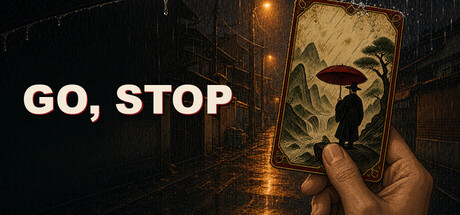
All 2D artwork (hwatu card illustrations, character portraits, backgrounds) and music tracks were created using generative AI tools, then curated, edited, and assembled by the developer. All AI content is pre-rendered during development — nothing is generated live at runtime. Localization was machine-assisted and human-reviewed. Store page assets were produced the same way.
Generative AI tools were used to create and refine some pre-generated 2D artwork and Steam store graphical assets. All outputs were reviewed, curated, and edited by the developer before inclusion. The game does not generate AI content at runtime or connect to external AI services.
This game uses generative AI for some of its content.
- 2D artwork: Some illustrations and icons, including the character portraits, were created with image-generation AI, then selected and hand-retouched by the developer before being included. The same applies to the images used on this store page.
- Text: Languages other than Japanese (English, Simplified Chinese, Traditional Chinese, Korean) are based on translations produced with a large language model.
Generative AI was not used for the music, sound effects, character voices, or 3D models. Those are licensed tracks and sound effects, recordings by voice actors, and models we made ourselves.
Generative AI is used only during development. The game never generates content with AI while you play, and it never connects to an external AI service.
Generative AI tools were used to assist with programming, debugging, and improving written content.
However, the developer remained fully responsible for the game's design, direction, overall programming, integration, testing, and all final decisions.
Promotional materials and store page artwork were created with the help of generative AI and then reviewed and edited by the developer. No generative AI is used during gameplay or connects to external AI services.
Pre-generated generative AI tools were used during development to assist in creating promotional artwork, background graphics, and card concept visuals.
I have used generative AI for some parts or sections of the trailer creation and some voices or images used inside the game itself. All the code and inner workings of the game have been created by a person.
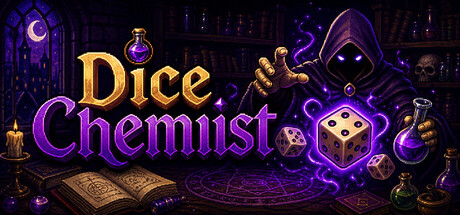
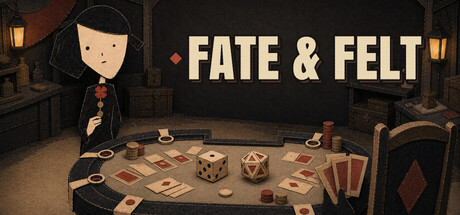
Some visual assets (character portraits, dice, and background pixel art) were created with the assistance of generative AI tools and were then curated and edited by the developer. The soundtrack was created with Suno under a paid commercial license. All AI-assisted content was reviewed and finalized by the developer. The game does not generate any content with AI at runtime.
Portions of the game's artwork and promotional graphics were created with the assistance of generative AI and then reviewed, edited, and integrated by the developer. No live AI-generated content is produced during gameplay.
Generative AI tools were used during development to assist with the creation and refinement of some pre-generated visual artwork and marketing assets. All AI-assisted content was reviewed, edited, and integrated by the developer. Ancient Duel does not generate AI content during gameplay.
Some pre-generated game assets, artwork and translations were created or assisted using generative AI. All AI-generated content has been reviewed, edited and integrated by the developer. QuizForge does not use generative AI to create live in-game content during gameplay.
Some of the 3D models used for the table and room background in this game were created with the assistance of a generative AI (text-to-3D) tool, and were then adjusted and integrated by the developer. All other assets — including the dictionary data, UI artwork, sound, and all in-game text — were produced without generative AI. No content is generated by AI while you play.
Store page assets: These were primarily created by our designers through composition and arrangement of existing in-game assets, followed by minor AI-assisted adjustments to atmosphere (e.g., lighting, color tones). All final images have undergone thorough human review and refinement. The core design work was completed by our designers, with AI serving only as a supplementary tool to enhance the final presentation.
Generative AI tools were used during development to assist in the creation of some visual assets. All AI-assisted content is pre-generated and included as part of the game. The game does not generate AI content during gameplay.
Some of the art in this game was made with the help of generative AI. The voxel character portraits were generated from written prompts using an AI image generator, then cut out, colour-corrected, posed and animated by hand by the developer. The store page capsules and the achievement icons are composed from that same character art. Parts of the store page text, and the game's translations into its eight supported languages, were produced with AI assistance and reviewed by the developer.
No generative AI runs while you play — nothing is generated in real time. The patrons' behaviour is ordinary game AI: hand-written rules and probability tables. The music and every sound effect are not AI-generated; they are synthesised procedurally.
Wyrdane uses AI-generated artwork for its card illustrations. As a solo developer working without a starting budget, this is a pragmatic choice to bring the game's world to life and test its mechanics without a professional illustration budget. If the project finds its audience, the goal is to progressively replace these visuals with artwork made by human illustrators.
Game design, card balance, game mechanics, world-building, and creative direction are entirely human-made. AI is a production tool, not the creator of this game.
This game uses generative AI in a limited way. AI tools were used only to help create some of the store page and library artwork (such as the capsule images used to display the game in the Steam library and store). The game itself contains no AI-generated content.
All in-game art, assets, screenshots, and the trailer were created without generative AI. No AI content is generated while you play.
The game's 2D artwork, including card and unit illustrations, worker portraits, and store assets, was generated with AI image tools and then reviewed, selected, and edited by the developer. Parts of the in-game text and localizations were also written with AI assistance. The game does not generate any content with AI at runtime.
Some shipped content was created with the help of generative AI tools and then reviewed and edited by the developer: parts of the store and marketing artwork, the trailer music, and the first drafts of the interface translations (German, Spanish, French, Polish, Brazilian Portuguese). All gameplay, rules logic and code are deterministic and human-reviewed. The game does not generate any AI content at runtime.
Some of Nation's 2D artwork — character portraits, card illustrations, backgrounds, and store/marketing images — was created with the assistance of generative AI tools, then selected, edited, and composited by our team. All game design, rules, writing, and code are human-made. The game does not generate content with AI while you play.
AI-generated content is used in this product. The store page capsule artwork was created using an AI image generation tool. Portions of the store page description text were drafted with the assistance of an AI writing tool and reviewed/edited by the developer.
Generative artwork is used in the creation of part or full of assets that can not be generated by the game engine. AI is used in the drafting of art and writing before it is reviewed and heavily edited.
Generative AI was used in the development of this game. 2D artwork (characters, familiars, cards, backgrounds, etc.) was created with image-generation AI, then curated, edited, and retouched by the developer. AI-assisted tools were also used during development (e.g., programming). No AI content is generated at runtime. BOT opponents are rule-based programs, not generative AI.
Kingsfall:Chess uses pre-generated AI-generated imagery for some visual assets within the game and promotional/store materials. Other visual assets were created by artists using traditional methods. No content is generated by AI during gameplay.
No live AI generation is used during gameplay. TinSpring Soccer's boards, characters, textures, and sounds are produced procedurally by game code. AI tools were used under developer direction for implementation, localization, and selected store page artwork.
Image assets and some localized text were created with generative AI assistance, then manually processed and reviewed by the developer. No content is generated at runtime.
Some visual assets, marketing materials, and/or text drafts may have been created or assisted with generative AI tools. All AI-assisted content is reviewed and edited by the developer before being included in the game or store page.
Some of the artwork in FAVOR — including character board illustrations, card art and cover art — was created with the help of generative AI image tools, then curated, edited and assembled by our team for the printed 1st Edition of the game and this digital adaptation. No content is generated live during gameplay: every card, board and illustration is a fixed, pre-made asset that ships with the game.
This game uses generative AI to power the pet's dialogue system. Players can choose to enable AI chat and freely select a local model (running offline) or a cloud API (requires their own API key), or completely disable AI chat and use preset or custom dialogue instead. Every AI conversation is generated in real time.
We've harnessed the power of Generative AI technology to create several of our game's unique theme background artworks, enhancing your gaming experience with visually stunning designs.
We use generative AI tools during the pre-production phase to create specific pre-rendered assets for the final game build. Specifically, AI assistance was utilized to generate elements of the instrumental soundtrack, ambient sound effects, and select minor environment/prop assets within the game world. No AI content is generated live or dynamically during gameplay, and all assets have been thoroughly reviewed to ensure they do not infringe on existing copyrights.
OpenSheet uses generative AI for optional artwork only. This is disabled by default.
Pre-rendered: the decorative art that ships with the app — character portraits, race and class backgrounds, creature illustrations, interface icons and stat-panel frames — was produced with OpenAI's image models, as were the application icon and this store page's artwork. All of it is decoration, every family of it can be switched off in Settings, and a new installation shows none of it by default.
No rules content is AI-generated. Every rule, statistic, feat, spell, item, monster and table comes from the published 3.5 Edition SRD source material and the PCGen data set. The app is built so the book always wins.
Generative AI tools were used during development to assist with the creation of some visual assets, store artwork and initial localization drafts. All generated content was reviewed, edited, and integrated by the developer.
Immortal Chess does not generate AI content during gameplay.
The capsule artwork, logo, some card illustrations, and soundtrack were created with the assistance of generative AI tools. All other in-game content — including UI, effects, and text — is hand-crafted without AI generation. No AI content is generated during gameplay.
Pre-generated content only. Some 2D artwork (menu and loading-screen key art) and UI sound effects were created or processed with generative AI tools, then reviewed and edited by the developer. No content is AI-generated at runtime.
AI translation tools were used to produce the localized text for the game. Additionally, initial concept drafts for select visual assets were generated using AI, but were subsequently heavily modified, painted over, and finalized by human artists.
All 2D artwork (hwatu card illustrations, character portraits, backgrounds) and music tracks were created using generative AI tools, then curated, edited, and assembled by the developer. All AI content is pre-rendered during development — nothing is generated live at runtime. Localization was machine-assisted and human-reviewed. Store page assets were produced the same way.
Generative AI tools were used to create and refine some pre-generated 2D artwork and Steam store graphical assets. All outputs were reviewed, curated, and edited by the developer before inclusion. The game does not generate AI content at runtime or connect to external AI services.
This game uses generative AI for some of its content.
- 2D artwork: Some illustrations and icons, including the character portraits, were created with image-generation AI, then selected and hand-retouched by the developer before being included. The same applies to the images used on this store page.
- Text: Languages other than Japanese (English, Simplified Chinese, Traditional Chinese, Korean) are based on translations produced with a large language model.
Generative AI was not used for the music, sound effects, character voices, or 3D models. Those are licensed tracks and sound effects, recordings by voice actors, and models we made ourselves.
Generative AI is used only during development. The game never generates content with AI while you play, and it never connects to an external AI service.
Generative AI tools were used to assist with programming, debugging, and improving written content.
However, the developer remained fully responsible for the game's design, direction, overall programming, integration, testing, and all final decisions.
Promotional materials and store page artwork were created with the help of generative AI and then reviewed and edited by the developer. No generative AI is used during gameplay or connects to external AI services.
Pre-generated generative AI tools were used during development to assist in creating promotional artwork, background graphics, and card concept visuals.
I have used generative AI for some parts or sections of the trailer creation and some voices or images used inside the game itself. All the code and inner workings of the game have been created by a person.
Some visual assets (character portraits, dice, and background pixel art) were created with the assistance of generative AI tools and were then curated and edited by the developer. The soundtrack was created with Suno under a paid commercial license. All AI-assisted content was reviewed and finalized by the developer. The game does not generate any content with AI at runtime.
Portions of the game's artwork and promotional graphics were created with the assistance of generative AI and then reviewed, edited, and integrated by the developer. No live AI-generated content is produced during gameplay.