Public Steam disclosure research25,376 disclosures tracked
Where do games disclose AI use?
Search developers’ Steam disclosures, compare classified AI use across
games, and follow recorded changes.
This index adds cross-game classifications and statistics to
statements published on individual store pages.
Groups reflect automatic analysis of public disclosures; mature records are excluded. These counts do not measure AI use across all of Steam.
Missing or unclear statements cannot establish whether a game uses AI.
Some of the card illustrations, title art, UI elements, and character voices in this game, as well as the store capsule images, library artwork, and other promotional images, were created with generative AI, then selected and adjusted by the developer. The English text is based on AI translation and has been reviewed by the developer.
As an optional feature, players can connect their own Claude (Anthropic's AI assistant) through a Claude Desktop extension to play against it or watch it play against the CPU. Claude's lines shown in the game are written by the player's own Claude; the game itself does not generate text or communicate with any AI service.
Some puzzle artwork was created using generative AI tools during development and was subsequently selected, reviewed and prepared by the developer. Kingdom of Pieces does not generate AI content during gameplay.
Some character avatars, application icons, store and library artwork, and fixed character voice lines were created with generative AI. The launch version uses local gameplay AI and prerecorded voice clips; it does not generate content during play or connect to external AI services.
Artwork: cards, lobby illustrations and achievement icons were pregenerated with AI image tools and rewritten by hand. The visual style was reviewed and rewritten artist.
Text: The German and Italian localizations were made with AI translation.
Generative AI was used during development to assist with the creation and refinement of some visual assets, marketing materials and localizations. No content is generated by AI during gameplay.
All card artwork, graphics and game design were created by the developer. AI tools were used to translate the in-game text and the store page into Spanish, French, German, Portuguese (Brazil). The trailer, GIFs and store capsules were edited with AI assistance, using only the developer's own artwork and real gameplay footage. The game does not generate any content with AI while it is running. Singleplayer opponents are traditional rule-based bots, not generative AI.
Tirona's development used AI tools for much of its 2D artwork (character portraits, card and scene illustrations, quest illustrations), some 3D models, the music (ElevenLabs) and the character voice performers' reference voices. All of it was selected, edited and placed by the developer, and ships as fixed game content.
While you play, a third-party large language model writes the narration and the dialogue of non-player characters in response to what you type or say. Character voices are synthesised locally on your PC from the generated text. You can optionally generate a portrait for your character from your creation choices.
The AI never decides the rules: dice, hit points, gold, items, experience, spells and quest progress change only through the game's own systems. Romance is opt-in, and anything sexual fades to black.
The store texts and parts of the game's content, such as text and some 3D models, were made with the help of generative AI and then reviewed and edited by the developer. Nothing is generated by AI while you play.
Generative AI tools were used during development to help create portions of the game's audio, visual assets, and written content, including background music and sound effects. AI assistance was also used for promotional artwork. These materials were selected, edited, and reviewed by the developer before inclusion. The core gameplay rules, design decisions, and final implementation were directed by the developer. The game uses pre-generated content and does not generate new content with AI during gameplay.
Generative AI tools were used during development to create 2D illustrations for in-game cards, environmental backgrounds, and store capsule graphics. All generated art assets have been curated, manually edited, and adapted for the game, ensuring they contain no copyrighted or infringing material.
AI was used to help generate code and as a tool to troubleshoot it. The poker chip images on the seat badges, and the achievement icons built from them, were generated with an image model from prompts written for this game, then prepared and finished by hand. Nothing is generated while the game runs.
IDE Code assistant used to optimize parts of the game's code and resolve bugs.
Certain assets in this game were created or modified with the assistance of genAI tools, then reviewed and integrated by our team.
AI tools were used only to assist with code and with English, Simplified Chinese and Japanese translations. No artwork, animation or audio uses generative AI, and no AI content is generated during gameplay.
[Generative AI Disclosure]This game contains content created or assisted by generative AI, including:Images: [card illustrations, backgrounds, UI icons, marketing art, etc.]Text: [in-game text, descriptions, localization drafts, prompt text, etc.]Voice: [character voice, narration, voice-over prompts, etc.]These assets are pre-generated during development and have been reviewed, edited, and integrated by the development team. They are not generated in real time during gameplay.
AI tools were used to help create some of the content, which was then selected and edited by the developer: the store page capsule and library images, the achievement icons, some item art, the Reaper cutscene videos, and some voice lines. Most in-game art, sound effects and fonts come from licensed asset packs, and the game's design, writing and rules are hand-crafted by a game designer.
1) Artwork: card illustrations and other visual assets were created with the help of AI image generation tools, then selected and edited by the developer.
2) Music: the soundtrack was created with the help of AI music generation tools.
Some of the game's text (menus, hints, minigame descriptions and translations) and the copy on this store page were written with the help of an AI language model. The game does not use AI to create anything while you play.
AI tools were used during development to assist with portions of the game’s artwork, audio, and gameplay logic, which were refined and integrated by the developer. All AI-assisted content was created in advance; the game does not use real-time generative AI during gameplay.
Generative AI was used to create pre-rendered English voice performances and selected music used in the game. All AI-generated content is fixed before release; GhostLine does not generate content during gameplay or connect to an external AI service.
Fliprium contains visual artwork, music, and sound effects created with the assistance of generative AI tools. OpenAI image-generation tools were used for some visual assets, Suno for some music, and ElevenLabs for some sound effects. These assets were selected, edited, and integrated into the game by the developer during production
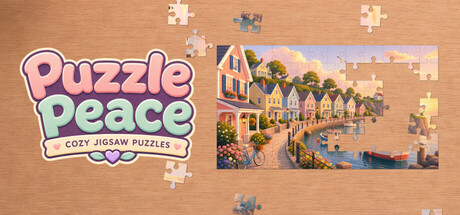
Puzzle Peace uses generative AI to help create puzzle artwork, music, and sound effects. As the developer, I direct the creative process, refine the generated material, and personally review and select the final assets to fit the game’s cozy style and atmosphere. All content is prepared before release; nothing is generated by AI during gameplay.
Generative AI tools were used during development to create some in-game artwork and sound effects, as well as some store and promotional visual assets. Generative AI also assisted with drafting store descriptions and translating them into English. This content is pre-generated. The game does not generate AI content or connect to external generative AI services during gameplay.
"Generative AI was used to create the game's cover art and the free scenario assets (such as character images). We plan to replace these art resources as soon as possible."
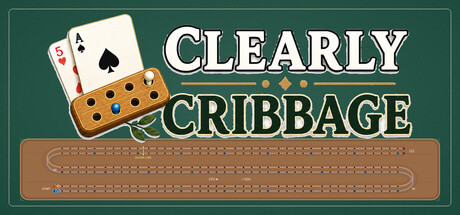
Clearly Cribbage is my first game as a developer. I used AI tools to help with coding, debugging, testing, and working through design ideas while I learned to build it.
The opening studio image, game logo and icon, and some Steam artwork were made with AI image generation under my direction. Some of the licensed music in the game is also identified by its creators as AI-generated. I chose what to use and made the final decisions about the game.
No generative AI creates content while you play.
Memory House is based on our original concept, characters, storylines, gameplay, and creative direction. During development, we used generative AI as a tool to help produce illustrations, visual assets, and written narrative content based on those ideas. We selected and refined the resulting content for the game and some promotional materials. No AI content is generated during gameplay.
The character art, idle animations, icons and store images were created with locally run AI image tools, then selected and retouched by hand. Nothing is generated by AI while the game runs.
AI was used to generate the art, music, sound effects, the captains' short vocal reactions, the game text and the translations, all curated and reviewed by hand. Nothing is generated at runtime.
We used an AI assistant (Claude) during development. No image-generating AI was used, and the game contains no AI-generated images, music, sound effects or voices. Nothing is generated by AI while you play.
- 3D shapes: The puppet parts and board objects are built from simple geometric shapes by scripts that the AI assistant helped write. The developer reviewed and adjusted every result.
- Text and translation: In-game text was drafted with the assistant, and the Japanese and English versions were translated with its help. The developer reviewed and edited all text.
- Studio logo: Built from basic shapes as code written with the same assistant.
All sound effects and music are recorded and made by the developer.
Some game assets were created using AI generative tools. AI-generated visual assets were subsequently painted over, edited, and composited manually by the developer in Photoshop/Photopea. AI was also used to assist with localized text translations.
All visual assets, audio, text, and promotional materials in this game were created using generative AI tools. The developer selected, edited, refined, and integrated the generated content into the final game. The game does not use generative AI to generate content in real time during gameplay.
AI was used as a supporting tool during the development of this game. However, the original game idea and its underlying concept were created several years ago and were developed entirely independently of AI.
The entire project is being created by a solo developer with a university degree in Game Design. Over the years, several hundred hours of work, experience, creativity, and personal passion have gone into the concept, development, and realization of the game.
AI was used to assist with certain parts of the development process. This includes support with coding as well as some aspects of soundtrack and visual asset creation. Many of the visual assets were subsequently edited, refined, adapted, or partially recreated manually using image editing software to achieve the intended style and quality.
AI was also used as a supporting tool for written content, primarily to make minor improvements to texts written by the developer and to correct grammar and wording.
AI therefore serves as an additional tool within the development process. The original game concept, game design, creative decisions, final direction, and implementation of the game remain the work of the developer. Various sounds and some of the soundtracks used in the game were also created and composed by the developer.
Some 2D artwork used in the game and on the store page was created with generative image tools and then selected, edited, composited, and integrated by the developer. This includes selected backgrounds, character or enemy illustrations, card-related artwork, logos, and promotional assets. The game does not generate new content from player input at runtime, and no generative AI system is used for gameplay decisions or player interactions.
Some of the game's artwork was created with the help of AI image tools, and was then chosen, edited and placed by the developer. AI tools were also used to help translate the game's text into French, German, Spanish, Portuguese and Chinese. Nothing is generated while you play.
Generative AI was used to create artwork for the truck, cargo, environments, route illustrations, and store materials. AI tools also assisted with writing and localization. All such content was created before release. The game does not generate AI content or connect to AI services during gameplay.
Made by one developer with a little help from AI! Some artwork and text started life in generative AI tools, then got edited and polished by hand. Nothing is generated while you play.
Pre-generated content: Generative AI tools were used to create the game's visual and audio assets, including card and item artwork, backgrounds, key art and store capsule images, and the background music. The developer directed, selected, edited and integrated all AI-generated assets. Game design, rules and balance were created by the developer. No content is generated live by AI during gameplay.
Some of the card illustrations, title art, UI elements, and character voices in this game, as well as the store capsule images, library artwork, and other promotional images, were created with generative AI, then selected and adjusted by the developer. The English text is based on AI translation and has been reviewed by the developer.
As an optional feature, players can connect their own Claude (Anthropic's AI assistant) through a Claude Desktop extension to play against it or watch it play against the CPU. Claude's lines shown in the game are written by the player's own Claude; the game itself does not generate text or communicate with any AI service.
Some puzzle artwork was created using generative AI tools during development and was subsequently selected, reviewed and prepared by the developer. Kingdom of Pieces does not generate AI content during gameplay.
Some character avatars, application icons, store and library artwork, and fixed character voice lines were created with generative AI. The launch version uses local gameplay AI and prerecorded voice clips; it does not generate content during play or connect to external AI services.
Artwork: cards, lobby illustrations and achievement icons were pregenerated with AI image tools and rewritten by hand. The visual style was reviewed and rewritten artist.
Text: The German and Italian localizations were made with AI translation.
Generative AI was used during development to assist with the creation and refinement of some visual assets, marketing materials and localizations. No content is generated by AI during gameplay.
All card artwork, graphics and game design were created by the developer. AI tools were used to translate the in-game text and the store page into Spanish, French, German, Portuguese (Brazil). The trailer, GIFs and store capsules were edited with AI assistance, using only the developer's own artwork and real gameplay footage. The game does not generate any content with AI while it is running. Singleplayer opponents are traditional rule-based bots, not generative AI.
Tirona's development used AI tools for much of its 2D artwork (character portraits, card and scene illustrations, quest illustrations), some 3D models, the music (ElevenLabs) and the character voice performers' reference voices. All of it was selected, edited and placed by the developer, and ships as fixed game content.
While you play, a third-party large language model writes the narration and the dialogue of non-player characters in response to what you type or say. Character voices are synthesised locally on your PC from the generated text. You can optionally generate a portrait for your character from your creation choices.
The AI never decides the rules: dice, hit points, gold, items, experience, spells and quest progress change only through the game's own systems. Romance is opt-in, and anything sexual fades to black.
The store texts and parts of the game's content, such as text and some 3D models, were made with the help of generative AI and then reviewed and edited by the developer. Nothing is generated by AI while you play.
Generative AI tools were used during development to help create portions of the game's audio, visual assets, and written content, including background music and sound effects. AI assistance was also used for promotional artwork. These materials were selected, edited, and reviewed by the developer before inclusion. The core gameplay rules, design decisions, and final implementation were directed by the developer. The game uses pre-generated content and does not generate new content with AI during gameplay.
Generative AI tools were used during development to create 2D illustrations for in-game cards, environmental backgrounds, and store capsule graphics. All generated art assets have been curated, manually edited, and adapted for the game, ensuring they contain no copyrighted or infringing material.
AI was used to help generate code and as a tool to troubleshoot it. The poker chip images on the seat badges, and the achievement icons built from them, were generated with an image model from prompts written for this game, then prepared and finished by hand. Nothing is generated while the game runs.
IDE Code assistant used to optimize parts of the game's code and resolve bugs.
Certain assets in this game were created or modified with the assistance of genAI tools, then reviewed and integrated by our team.
AI tools were used only to assist with code and with English, Simplified Chinese and Japanese translations. No artwork, animation or audio uses generative AI, and no AI content is generated during gameplay.
[Generative AI Disclosure]This game contains content created or assisted by generative AI, including:Images: [card illustrations, backgrounds, UI icons, marketing art, etc.]Text: [in-game text, descriptions, localization drafts, prompt text, etc.]Voice: [character voice, narration, voice-over prompts, etc.]These assets are pre-generated during development and have been reviewed, edited, and integrated by the development team. They are not generated in real time during gameplay.
AI tools were used to help create some of the content, which was then selected and edited by the developer: the store page capsule and library images, the achievement icons, some item art, the Reaper cutscene videos, and some voice lines. Most in-game art, sound effects and fonts come from licensed asset packs, and the game's design, writing and rules are hand-crafted by a game designer.
1) Artwork: card illustrations and other visual assets were created with the help of AI image generation tools, then selected and edited by the developer.
2) Music: the soundtrack was created with the help of AI music generation tools.
Some of the game's text (menus, hints, minigame descriptions and translations) and the copy on this store page were written with the help of an AI language model. The game does not use AI to create anything while you play.
AI tools were used during development to assist with portions of the game’s artwork, audio, and gameplay logic, which were refined and integrated by the developer. All AI-assisted content was created in advance; the game does not use real-time generative AI during gameplay.
Generative AI was used to create pre-rendered English voice performances and selected music used in the game. All AI-generated content is fixed before release; GhostLine does not generate content during gameplay or connect to an external AI service.
Fliprium contains visual artwork, music, and sound effects created with the assistance of generative AI tools. OpenAI image-generation tools were used for some visual assets, Suno for some music, and ElevenLabs for some sound effects. These assets were selected, edited, and integrated into the game by the developer during production
Puzzle Peace uses generative AI to help create puzzle artwork, music, and sound effects. As the developer, I direct the creative process, refine the generated material, and personally review and select the final assets to fit the game’s cozy style and atmosphere. All content is prepared before release; nothing is generated by AI during gameplay.
Generative AI tools were used during development to create some in-game artwork and sound effects, as well as some store and promotional visual assets. Generative AI also assisted with drafting store descriptions and translating them into English. This content is pre-generated. The game does not generate AI content or connect to external generative AI services during gameplay.
"Generative AI was used to create the game's cover art and the free scenario assets (such as character images). We plan to replace these art resources as soon as possible."
Clearly Cribbage is my first game as a developer. I used AI tools to help with coding, debugging, testing, and working through design ideas while I learned to build it.
The opening studio image, game logo and icon, and some Steam artwork were made with AI image generation under my direction. Some of the licensed music in the game is also identified by its creators as AI-generated. I chose what to use and made the final decisions about the game.
No generative AI creates content while you play.
Memory House is based on our original concept, characters, storylines, gameplay, and creative direction. During development, we used generative AI as a tool to help produce illustrations, visual assets, and written narrative content based on those ideas. We selected and refined the resulting content for the game and some promotional materials. No AI content is generated during gameplay.
The character art, idle animations, icons and store images were created with locally run AI image tools, then selected and retouched by hand. Nothing is generated by AI while the game runs.
AI was used to generate the art, music, sound effects, the captains' short vocal reactions, the game text and the translations, all curated and reviewed by hand. Nothing is generated at runtime.
We used an AI assistant (Claude) during development. No image-generating AI was used, and the game contains no AI-generated images, music, sound effects or voices. Nothing is generated by AI while you play.
- 3D shapes: The puppet parts and board objects are built from simple geometric shapes by scripts that the AI assistant helped write. The developer reviewed and adjusted every result.
- Text and translation: In-game text was drafted with the assistant, and the Japanese and English versions were translated with its help. The developer reviewed and edited all text.
- Studio logo: Built from basic shapes as code written with the same assistant.
All sound effects and music are recorded and made by the developer.
Some game assets were created using AI generative tools. AI-generated visual assets were subsequently painted over, edited, and composited manually by the developer in Photoshop/Photopea. AI was also used to assist with localized text translations.
All visual assets, audio, text, and promotional materials in this game were created using generative AI tools. The developer selected, edited, refined, and integrated the generated content into the final game. The game does not use generative AI to generate content in real time during gameplay.
AI was used as a supporting tool during the development of this game. However, the original game idea and its underlying concept were created several years ago and were developed entirely independently of AI.
The entire project is being created by a solo developer with a university degree in Game Design. Over the years, several hundred hours of work, experience, creativity, and personal passion have gone into the concept, development, and realization of the game.
AI was used to assist with certain parts of the development process. This includes support with coding as well as some aspects of soundtrack and visual asset creation. Many of the visual assets were subsequently edited, refined, adapted, or partially recreated manually using image editing software to achieve the intended style and quality.
AI was also used as a supporting tool for written content, primarily to make minor improvements to texts written by the developer and to correct grammar and wording.
AI therefore serves as an additional tool within the development process. The original game concept, game design, creative decisions, final direction, and implementation of the game remain the work of the developer. Various sounds and some of the soundtracks used in the game were also created and composed by the developer.
Some 2D artwork used in the game and on the store page was created with generative image tools and then selected, edited, composited, and integrated by the developer. This includes selected backgrounds, character or enemy illustrations, card-related artwork, logos, and promotional assets. The game does not generate new content from player input at runtime, and no generative AI system is used for gameplay decisions or player interactions.
Some of the game's artwork was created with the help of AI image tools, and was then chosen, edited and placed by the developer. AI tools were also used to help translate the game's text into French, German, Spanish, Portuguese and Chinese. Nothing is generated while you play.
Generative AI was used to create artwork for the truck, cargo, environments, route illustrations, and store materials. AI tools also assisted with writing and localization. All such content was created before release. The game does not generate AI content or connect to AI services during gameplay.
Made by one developer with a little help from AI! Some artwork and text started life in generative AI tools, then got edited and polished by hand. Nothing is generated while you play.
Pre-generated content: Generative AI tools were used to create the game's visual and audio assets, including card and item artwork, backgrounds, key art and store capsule images, and the background music. The developer directed, selected, edited and integrated all AI-generated assets. Game design, rules and balance were created by the developer. No content is generated live by AI during gameplay.