








Disclosure
We used AI to generate images, as we don't have an artist on our team. The gameplay, design, and atmosphere are all human-created.
- Creator
- NeonGameStudio
- Reviews
- -
- Added
- Jul 23, 2026
Public Steam disclosure research 25,380 disclosures tracked
Search developers’ Steam disclosures, compare classified AI use across games, and follow recorded changes. This index adds cross-game classifications and statistics to statements published on individual store pages.
Code help, debugging and other development work.
Capsule art, trailers and promotional material.
Pre-made art, audio, writing and other game assets.
Interactive or runtime AI features disclosed by the developer.
Groups reflect automatic analysis of public disclosures; mature records are excluded. These counts do not measure AI use across all of Steam. Missing or unclear statements cannot establish whether a game uses AI.
We used AI to generate images, as we don't have an artist on our team. The gameplay, design, and atmosphere are all human-created.
This game uses generative AI as a starting point for visual art and music. We then edited many of the assets by hand.
This game uses some assets that were AI generated. This includes some store images and in-game content.
Generative AI was used to assist in creating certain store assets. Additionally, some in-game enemy artwork was generated from developer-created mockups.
Evo Ascension includes limited AI‑generated content. Some audio and select graphical elements were created using AI tools, with most visuals further refined and hand‑edited in Aseprite. All gameplay systems, pixel art characters, animations, and core design remain handcrafted by the developer.
Used AI to generate cover photo of the game.
AI tools were used during development to help write the game's code and store text.
Generative AI tools were utilized to create some base visual and audio assets for Warix. AI was used to generate background textures, character sprites, and promotional store art. All AI-generated imagery was subsequently edited, composited, and polished by hand to fit the game's final aesthetic.
The achievement icons and some store page promotional images were created with the assistance of generative AI tools.
Artificial intelligence tools were used in the creation of this game’s art assets and code.
Some visual assets in its store and marketing materials were created with the help of generative AI image tools, and were then edited, refined, and integrated by hand.
AI voice over for missions and some promotional art just fine tuned with AI.
An AI assistant (Anthropic's Claude) helped write the game's code and draft store/marketing text, all reviewed by the developer. All art is hand-made and procedurally rendered; all music and sound effects are human-created or licensed (CC0 / commissioned). No AI-generated art, audio, or voice ships in the game, and no AI content is generated during play.
Some 3D models (aircraft) in this game were created with generative AI tools and then reviewed and edited by our development team.
Generative artificial intelligence has been used to create store page thumbnails based on the developer's scene work. Generative artificial intelligence has been used by the developer to vastly improve the performance of the developers code with respect to loading times. The developer struggled for months to figure out how to reduce a 30 second+ loading time and thanks to the contributions of gen AI that has been brought down to 5 seconds.
Generative AI was used during development as an assistance tool for code development, review, debugging, and refinement. Final implementation and testing were performed by the developer. The game does not use generative AI to create content at runtime. Visual assets are either original works or appropriately licensed third-party assets that were manually edited and adapted for the game.
Generative AI was used solely for the creation of pre-rendered visual assets (store page illustrations, library assets, and in-game images).
The game's localization was done using AI.
The game assets were inspired by AI assistance
This game uses AI-generated content for marketing and promotional materials, including the game trailer, teaser, Steam capsule images, title images, and other marketing assets. Most of the AI-generated images were additionally edited and refined by our team using artistic and creative techniques to better fit the game's visual style. The AI-generated content is limited to external marketing materials only. All actual gameplay, game mechanics, and in-game content were created by the development team.
Promotional videos and images related to the game's story were rendered with AI
AI was used for the code base and art/design of the game to allow development by only one person, Henrik Kjærulff.
Generative AI was used during development to assist with portions of the game's artwork, Steam store assets, sound effects, and voice narration. All AI-assisted content has been reviewed, edited, and/or refined by the developer. No generative AI is used during gameplay.
Some assets on my store page are optimized with generative AI.
AI tools are used exclusively to translate game content into different languages.
Some store page visuals and marketing materials were created with the assistance of AI image generation tools. All in-game assets are human-made or licensed from asset stores.
AI was only used to generate the images of the game login screen throughout the entire game.
AI is used to enhance images and icons by applying filters and visual refinements to assets we originally created ourselves.
Chrome Circuit is developed by a solo developer who uses generative AI as part of the production pipeline. Character and environment sprite art was created using AI image generation, then processed, edited, and integrated by hand. Portions of the game's code were written with AI assistance under the developer's direction, with all systems designed, reviewed, and tested by the developer. All AI-generated content is created during development ("pre-generated") — the game does not generate any content while you play, and no AI runs on your machine. Game design, writing, and all creative decisions are the work of the developer.
Some 2D art (sprites, icons, key art) was generated with a locally run image model, then hand-curated and edited by the developer. Sound effects and music were generated with local audio models and hand-picked. Everything shipped was reviewed by a human; the game performs no AI generation at runtime.
Several of the original tracks included with the base game were created with the help of AI tooling as was some of the initial iconography and translations.
Some visual assets used in this game were created or assisted by generative AI tools during development. All AI-generated content was reviewed, edited, and integrated by the developer before being included in the final game. No AI-generated content is created during gameplay.
Generative AI was used during development to create selected pre-generated audio assets used in the game, including background music and sound effects. Generative AI was also used to create selected studio logos and promotional artwork used on the Steam store page and in marketing materials. No content is generated by AI during gameplay, and the game does not connect to any external AI services.
AI is used for all sounds: sounds effects, musics.
AI Assisted Coding AI Assisted Localization
AI tools were utilized to generate art assets on the store page and in-game.
Some of the 2D assets and Page Logo and Banners
Some of this game's Steam store and marketing art was created using AI image-generation tools. Specifically, the store capsule images (header, main, small, and vertical capsules), the library artwork (library capsule and hero image), and the logo background were AI-generated. AI was used only for this promotional store art. All in-game content — pixel-art sprites, backgrounds, UI, animations, and effects — is made from licensed, human-authored pixel-art assets and contains no AI-generated content. The game's audio and gameplay contain no AI-generated content.
Some of the displayed assets and upgrade text descriptions in-game are using human-verified LLM pre-generated content.
Ai was used to help generate artwork for the steam page
Generative AI tools were used during development to assist with drafting, revising, and refactoring portions of the game’s source code. It was reviewed, edited, compiled, and tested by the developer before inclusion.
Retro Robot Rescue was developed with the assistance of generative AI tools. AI assisted tools were used during development to help create and refine certain visual assets, music, sound effects, localization content, marketing materials, and portions of the game's code. All content included in the final game was selected, reviewed, edited, and integrated by the developer.
The new Steam capsule and library images were created using AI.
The new Steam capsule and library images were created using AI.
This game uses pre-generated AI-assisted content. Most of the visual assets used in the game and its promotional materials were created with the help of generative AI tools, including character images, background images, key visual materials, and video/trailer assets. All AI-assisted outputs were reviewed, selected, edited, and integrated by the developer before being included in the game. The game does not generate AI content in real time during gameplay.
Generative AI was used during development to assist with polishing promotional illustrations and drafting portions of the game's logic code. Some manually drawn promotional artwork was refined with AI assistance to improve less polished areas. AI-assisted code was manually reviewed by the developer, integrated by hand, and verified through local builds and hands-on playtesting before use. The game does not include player-facing real-time AI generation.
Generative AI was used to create some of the capsule and promotional artwork displayed on the game's Steam store page. All such artwork was reviewed and selected by the developer. No AI-generated content is created during gameplay.
Parts of Hollow Orbit were made with help from generative AI tools — assisting with the game's code, some in-engine visuals and audio, and store/marketing assets like the logo and trailer graphics. All output was reviewed and finalized by the developer, and no content is generated by AI during gameplay.
Fading Reel uses machine translation (automated translation software) to provide in-game interface text in languages other than English. English menus, upgrades, tutorials, and story intertitles were written by the developer; non-English versions were generated from that English source and may contain errors. Game art, audio, gameplay, store screenshots, and the trailer were not created with generative AI.
Asset Generation and Code auditing
| Title⇅ | Disclosure | Creator⇅ | Src | Reviews⇅ | Added↓ |
|---|---|---|---|---|---|
 N.E.O.N. HORIZON In-game content art | We used AI to generate images, as we don't have an artist on our team.
The gameplay, design, and atmosphere are all human-created. | NeonGameStudio | - | Jul 23, 2026 | |
 Alien Siege: Earth In-game content artaudio | This game uses generative AI as a starting point for visual art and music. We then edited many of the assets by hand. | Don'tSayGame | - | Jul 23, 2026 | |
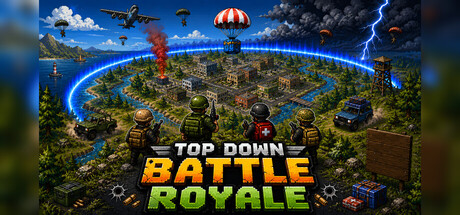 Top Down Battle Royale 2D In-game content art | This game uses some assets that were AI generated. This includes some store images and in-game content. | Shamrock Studios | - | Jul 23, 2026 | |
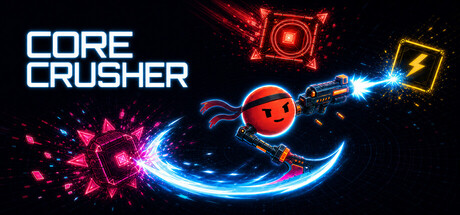 Core Crusher In-game content art | Generative AI was used to assist in creating certain store assets. Additionally, some in-game enemy artwork was generated from developer-created mockups. | gubestudios | - | Jul 23, 2026 | |
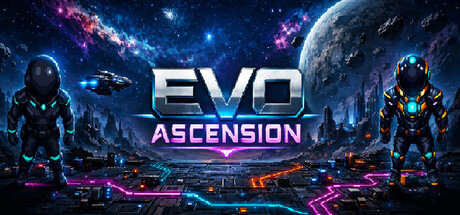 Evo Ascension In-game content artaudio | Evo Ascension includes limited AI‑generated content. Some audio and select graphical elements were created using AI tools, with most visuals further refined and hand‑edited in Aseprite. All gameplay systems, pixel art characters, animations, and core design remain handcrafted by the developer. | C4 Interactive | - | Jul 23, 2026 | |
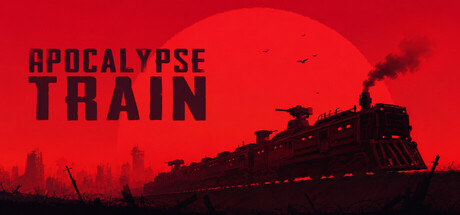 Apocalypse Train Store/marketing art | Used AI to generate cover photo of the game. | volaryus | - | Jul 22, 2026 | |
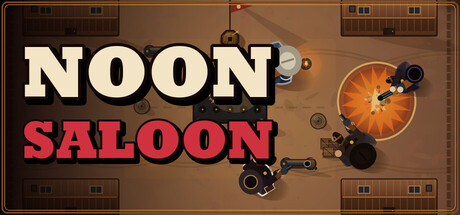 Noon Saloon Dev only textcode | AI tools were used during development to help write the game's code and store text. | Racc PG | - | Jul 22, 2026 | |
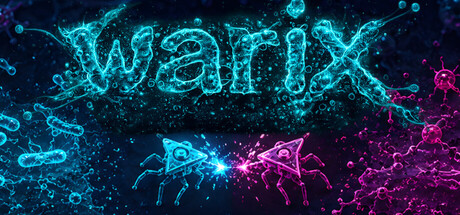 Warix In-game content artaudio | Generative AI tools were utilized to create some base visual and audio assets for Warix. AI was used to generate background textures, character sprites, and promotional store art. All AI-generated imagery was subsequently edited, composited, and polished by hand to fit the game's final aesthetic. | Star-snuffing Black | - | Jul 22, 2026 | |
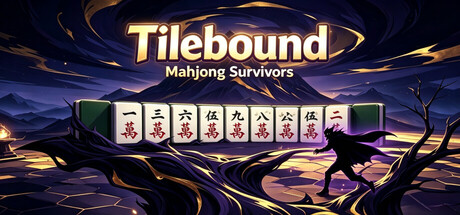 Tilebound:Mahjong Survivors In-game content art | The achievement icons and some store page promotional images were created with the assistance of generative AI tools. | BambooByte Studio | - | Jul 22, 2026 | |
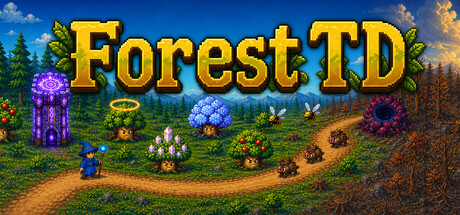 Forest TD In-game content artcode | Artificial intelligence tools were used in the creation of this game’s art assets and code. | HXZ | - | Jul 22, 2026 | |
 Pixel Evolution Store/marketing art | Some visual assets in its store and marketing materials were created with the help of generative AI image tools, and were then edited, refined, and integrated by hand. | Alfish Games | - | Jul 22, 2026 | |
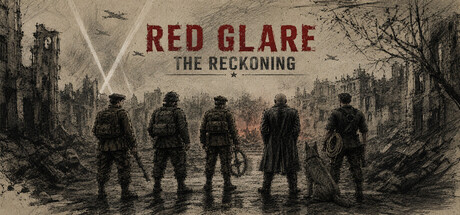 Red Glare The Reckoning In-game content audioart | AI voice over for missions and some promotional art just fine tuned with AI. | BT Studios | - | Jul 22, 2026 | |
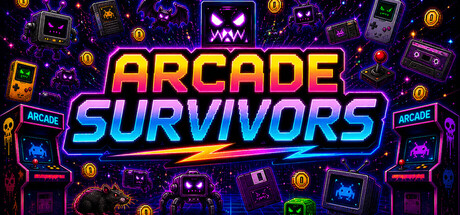 Arcade Survivors Dev only codetext | An AI assistant (Anthropic's Claude) helped write the game's code and draft store/marketing text, all reviewed by the developer. All art is hand-made and procedurally rendered; all music and sound effects are human-created or licensed (CC0 / commissioned). No AI-generated art, audio, or voice ships in the game, and no AI content is generated during play. | Martin Szerment | - | Jul 22, 2026 | |
 마지막 적 함대를 막기위해 출격합니다 In-game content art | Some 3D models (aircraft) in this game were created with generative AI tools and then reviewed and edited by our development team. | RDSOFT | - | Jul 22, 2026 | |
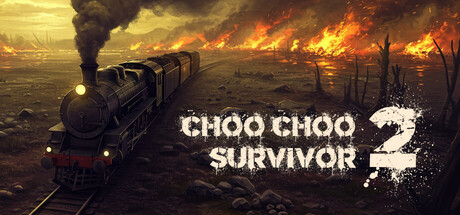 Choo Choo Survivor 2 Store/marketing code | Generative artificial intelligence has been used to create store page thumbnails based on the developer's scene work.
Generative artificial intelligence has been used by the developer to vastly improve the performance of the developers code with respect to loading times. The developer struggled for months to figure out how to reduce a 30 second+ loading time and thanks to the contributions of gen AI that has been brought down to 5 seconds. | GTGD | 40 | Jul 21, 2026 | |
 Starforge Reborn Dev only code | Generative AI was used during development as an assistance tool for code development, review, debugging, and refinement. Final implementation and testing were performed by the developer. The game does not use generative AI to create content at runtime. Visual assets are either original works or appropriately licensed third-party assets that were manually edited and adapted for the game. | CommandoGamesStudio | - | Jul 18, 2026 | |
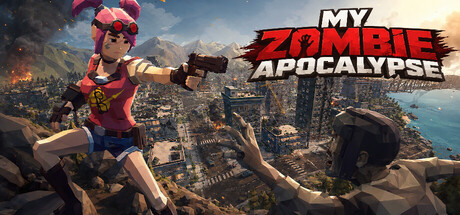 My Zombie Apocalypse In-game content art | Generative AI was used solely for the creation of pre-rendered visual assets (store page illustrations, library assets, and in-game images). | Kornux Games | - | Jul 17, 2026 | |
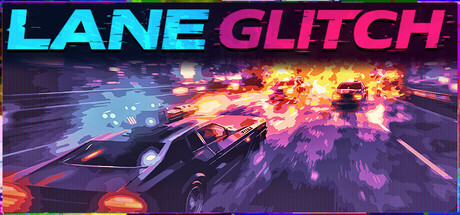 Lane Glitch In-game content text | The game's localization was done using AI. | Playactive Games | - | Jul 17, 2026 | |
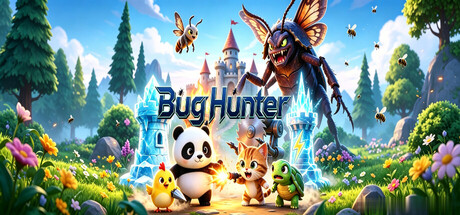 Bug Hunter Unclear | The game assets were inspired by AI assistance | QianYi | - | Jul 17, 2026 | |
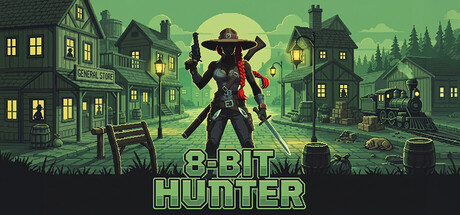 8BIT HUNTER art | This game uses AI-generated content for marketing and
promotional materials, including the game trailer, teaser,
Steam capsule images, title images, and other marketing assets.
Most of the AI-generated images were additionally edited and
refined by our team using artistic and creative techniques
to better fit the game's visual style.
The AI-generated content is limited to external marketing
materials only. All actual gameplay, game mechanics, and
in-game content were created by the development team. | John Mountain Studio | - | Jul 17, 2026 | |
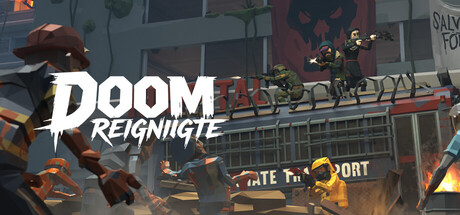 Doom Reignite In-game content art | Promotional videos and images related to the game's story were rendered with AI | Chengdu Shengming Leyou Network Technology Co., Ltd. | - | Jul 16, 2026 | |
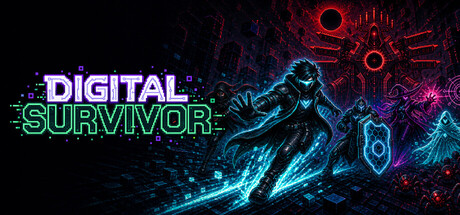 Digital Survivor In-game content artcode | AI was used for the code base and art/design of the game to allow development by only one person, Henrik Kjærulff. | Henrik 'WackyJacky101' Kjærulff | - | Jul 15, 2026 | |
 Mine the Deep In-game content artaudio | Generative AI was used during development to assist with portions of the game's artwork, Steam store assets, sound effects, and voice narration. All AI-assisted content has been reviewed, edited, and/or refined by the developer. No generative AI is used during gameplay. | WRONG POTATO GAMES | - | Jul 15, 2026 | |
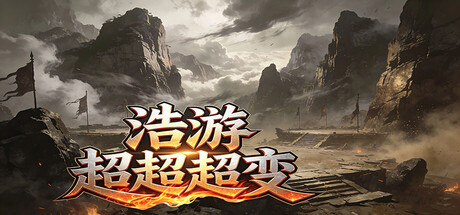 浩游超超超变 Store/marketing art | Some assets on my store page are optimized with generative AI. | 浩游超超超变 | - | Jul 15, 2026 | |
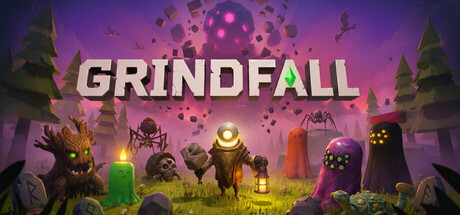 GrindFall In-game content text | AI tools are used exclusively to translate game content into different languages. | OnePersonDevelopment | - | Jul 15, 2026 | |
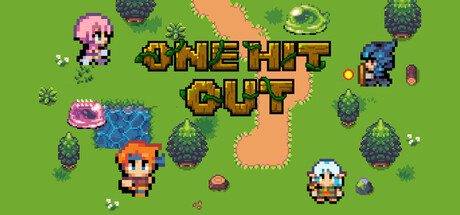 One Hit Out art | Some store page visuals and marketing materials
were created with the assistance of AI image
generation tools. All in-game assets are
human-made or licensed from asset stores. | Talking Potato | - | Jul 15, 2026 | |
 Tank Tower Defense | 坦克塔防 In-game content art | AI was only used to generate the images of the game login screen throughout the entire game. | Azure Dragon Studio | - | Jul 13, 2026 | |
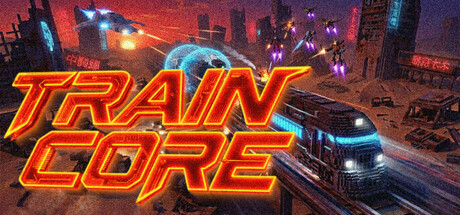 TRAINCORE In-game content art | AI is used to enhance images and icons by applying filters and visual refinements to assets we originally created ourselves. | MM88 | - | Jul 11, 2026 | |
 Chrome Circuit In-game content artcode | Chrome Circuit is developed by a solo developer who uses generative AI as part of the production pipeline. Character and environment sprite art was created using AI image generation, then processed, edited, and integrated by hand. Portions of the game's code were written with AI assistance under the developer's direction, with all systems designed, reviewed, and tested by the developer. All AI-generated content is created during development ("pre-generated") — the game does not generate any content while you play, and no AI runs on your machine. Game design, writing, and all creative decisions are the work of the developer. | David Gamble | - | Jul 11, 2026 | |
 Deepforge Brawl In-game content artaudio | Some 2D art (sprites, icons, key art) was generated with a locally run image model, then hand-curated and edited by the developer. Sound effects and music were generated with local audio models and hand-picked. Everything shipped was reviewed by a human; the game performs no AI generation at runtime. | David Rediger | - | Jul 11, 2026 | |
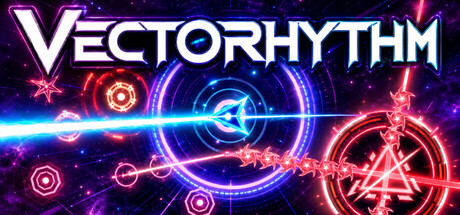 VECTORHYTHM In-game content audioarttext | Several of the original tracks included with the base game were created with the help of AI tooling as was some of the initial iconography and translations. | Seneku Design | - | Jul 11, 2026 | |
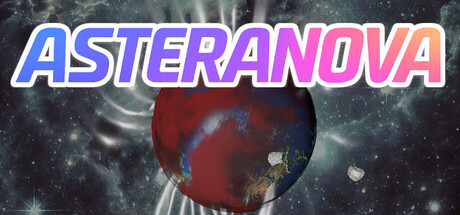 Asteranova In-game content art | Some visual assets used in this game were created or assisted by generative AI tools during development. All AI-generated content was reviewed, edited, and integrated by the developer before being included in the final game. No AI-generated content is created during gameplay. | AM Factory | - | Jul 9, 2026 | |
 Circulo In-game content audioart | Generative AI was used during development to create selected pre-generated audio assets used in the game, including background music and sound effects. Generative AI was also used to create selected studio logos and promotional artwork used on the Steam store page and in marketing materials.
No content is generated by AI during gameplay, and the game does not connect to any external AI services. | Zyneros Studio | - | Jul 8, 2026 | |
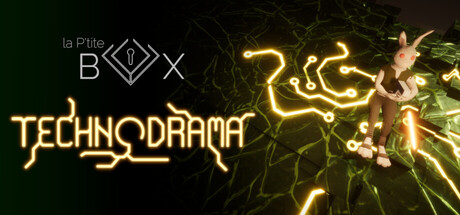 La P'tite Box: Technodrama In-game content audio | AI is used for all sounds: sounds effects, musics. | Cyclopsquid | - | Jul 8, 2026 | |
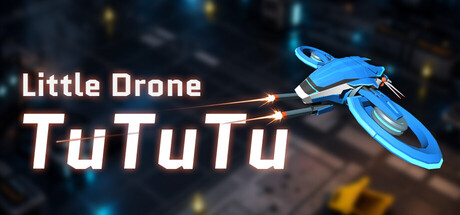 Little Drone TuTuTu In-game content codetext | AI Assisted Coding
AI Assisted Localization | Illumina Games Co., Ltd. | - | Jul 8, 2026 | |
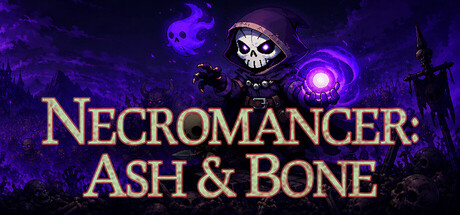 Necromancer: Ash & Bone In-game content art | AI tools were utilized to generate art assets on the store page and in-game. | Binx.tv | - | Jul 7, 2026 | |
 Rouge Process Store/marketing art | Some of the 2D assets and Page Logo and Banners | Splice | - | Jul 6, 2026 | |
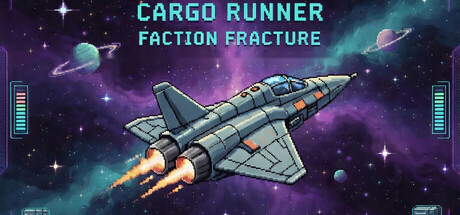 Cargo Runner: Faction Fracture In-game content art | Some of this game's Steam store and marketing art was created using AI image-generation tools. Specifically, the store capsule images (header, main, small, and vertical capsules), the library artwork (library capsule and hero image), and the logo background were AI-generated.
AI was used only for this promotional store art. All in-game content — pixel-art sprites, backgrounds, UI, animations, and effects — is made from licensed, human-authored pixel-art assets and contains no AI-generated content. The game's audio and gameplay contain no AI-generated content. | Aech | - | Jul 6, 2026 | |
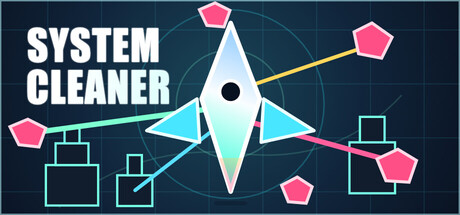 System Cleaner In-game content text | Some of the displayed assets and upgrade text descriptions in-game are using human-verified LLM pre-generated content. | Radiant Bear Games | - | Jul 3, 2026 | |
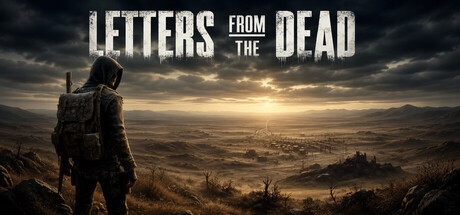 Letters From The Dead Store/marketing art | Ai was used to help generate artwork for the steam page | Bludgames | - | Jul 2, 2026 | |
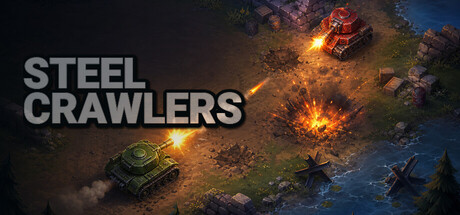 Steel Crawlers Dev only code | Generative AI tools were used during development to assist with drafting, revising, and refactoring portions of the game’s source code. It was reviewed, edited, compiled, and tested by the developer before inclusion. | Artcodeup | - | Jul 2, 2026 | |
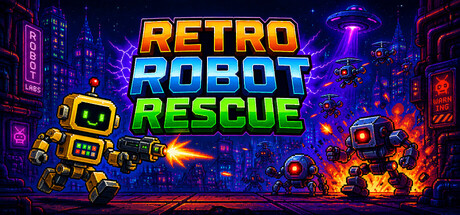 Retro Robot Rescue In-game content artaudiocodetext | Retro Robot Rescue was developed with the assistance of generative AI tools. AI assisted tools were used during development to help create and refine certain visual assets, music, sound effects, localization content, marketing materials, and portions of the game's code. All content included in the final game was selected, reviewed, edited, and integrated by the developer. | Z Digital | - | Jul 2, 2026 | |
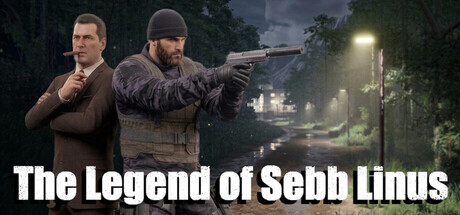 The Legend of Sebb Linus Store/marketing art | The new Steam capsule and library images were created using AI. | Christian Bommert | - | Jun 30, 2026 | |
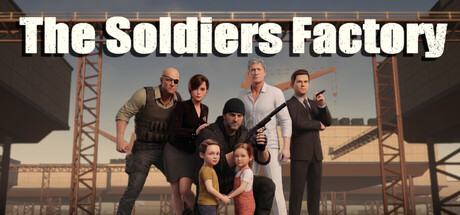 The Soldiers Factory Store/marketing art | The new Steam capsule and library images were created using AI. | Christian Bommert | - | Jun 30, 2026 | |
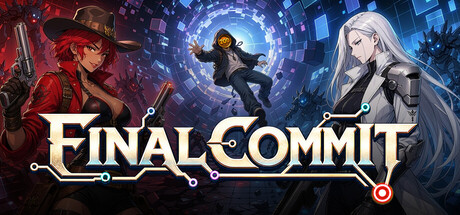 Final Commit In-game content art | This game uses pre-generated AI-assisted content.
Most of the visual assets used in the game and its promotional materials were created with the help of generative AI tools, including character images, background images, key visual materials, and video/trailer assets.
All AI-assisted outputs were reviewed, selected, edited, and integrated by the developer before being included in the game. The game does not generate AI content in real time during gameplay. | Gold Saucer | - | Jun 29, 2026 | |
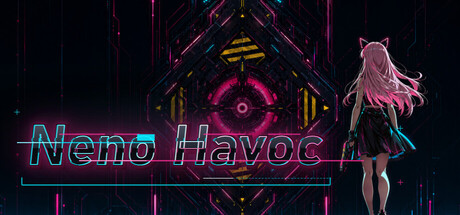 Neno Havoc Store/marketing artcode | Generative AI was used during development to assist with polishing promotional illustrations and drafting portions of the game's logic code. Some manually drawn promotional artwork was refined with AI assistance to improve less polished areas. AI-assisted code was manually reviewed by the developer, integrated by hand, and verified through local builds and hands-on playtesting before use. The game does not include player-facing real-time AI generation. | Dusk Quill Studio | - | Jun 28, 2026 | |
 Finish The Dishes Store/marketing art | Generative AI was used to create some of the capsule and promotional artwork displayed on the game's Steam store page. All such artwork was reviewed and selected by the developer. No AI-generated content is created during gameplay. | Fractbit | - | Jun 28, 2026 | |
 Hollow Orbit In-game content artaudiocode | Parts of Hollow Orbit were made with help from generative AI tools — assisting with the game's code, some in-engine visuals and audio, and store/marketing assets like the logo and trailer graphics. All output was reviewed and finalized by the developer, and no content is generated by AI during gameplay. | Dead Battery Games | - | Jun 28, 2026 | |
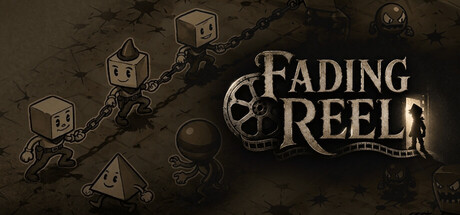 Fading Reel In-game content text | Fading Reel uses machine translation (automated translation software) to provide in-game interface text in languages other than English. English menus, upgrades, tutorials, and story intertitles were written by the developer; non-English versions were generated from that English source and may contain errors.
Game art, audio, gameplay, store screenshots, and the trailer were not created with generative AI. | Fadestrand Games | - | Jun 28, 2026 | |
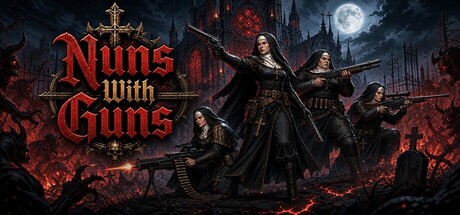 Nuns With Guns Unclear artcode | Asset Generation and Code auditing | Romellija | - | Jun 28, 2026 |


