Public Steam disclosure research25,519 disclosures tracked
Where do games disclose AI use?
Search developers’ Steam disclosures, compare classified AI use across
games, and follow recorded changes.
This index adds cross-game classifications and statistics to
statements published on individual store pages.
Groups reflect automatic analysis of public disclosures; mature records are excluded. These counts do not measure AI use across all of Steam.
Missing or unclear statements cannot establish whether a game uses AI.
Our App employs AI-powered image generation tools to aid in the production of visual assets and background artwork for marketing materials, including store page screenshots and preview assets, as well as for full-screen in-game interfaces such as the home screen and event pages.
During development, generative AI was used as an assistive tool to create some in-game text and translations, 2D graphics, and store images. The generated content was reviewed and modified by the developer before being included in the game. Generative AI is not used to create content while the game is running, and no player input or personal information is sent to AI services.
Some visual assets in the game and its store materials were created with the assistance of generative AI. All AI-assisted content was generated prior to release and curated for use in the final game.
Some visual assets and promotional materials were created or assisted using generative AI tools and have been reviewed, modified, and integrated by the developer.
All gameplay, programming, level design, and game logic were created and implemented by the developer.
To enhance the gaming experience, a very small portion of the video footage, visual effects, and game interface were created with the assistance of artificial intelligence. AI-generated content accounts for less than 1% of the total content. Thank you for your understanding.
During the development of this game, Artificial Intelligence (AI) technologies were utilized as supplementary tools to streamline production and enhance the overall player experience. Specifically, AI-assisted systems were employed during the localization process to translate in-game text into multiple languages, ensuring broader accessibility for a global audience. Furthermore, AI tools were utilized to assist in the editing, generation, and refinement of certain in-game materials and visual assets. All AI-assisted content has been carefully reviewed, modified, and integrated by our development team to ensure it meets our quality standards and artistic vision.
The majority of this game is hand-coded. AI support was used to generate code for CPU player states, modify/rearrange UI elements, create custom shaders, and generate the main menu background image.
Some visual assets, sound effects, and music in Wondernauts were created with the help of generative AI tools during development, then refined, validated, and integrated by the development team. All gameplay logic and game systems are human-authored.
Some 2D art assets in this game — including UI textures, item icons, and the title and loading screens — were created with the help of generative AI tools and then hand-edited for use in the game. All game design, simulation systems, and gameplay logic are authored and directed by the developer. No content is generated by AI while the game is running.
Generating general in-game scripts
Music
Level design
In general, the developer uses AI to create like a cubes; ultimately, they decide where to place each cube to build a castle—or, in this case, the video game itself.
Generative AI tools were used during development to assist with certain parts of the game, including code and game assets such as artwork, audio, and localization. All AI generated content has been reviewed before being included in the game.
Some store page artwork, promotional images, textures, and visual assets were created using generative AI tools and then edited and finalized by the developer. AI-generated content is used only for visual assets and does not generate content during gameplay.
Some 3D models and pictures in the game were created with generative AI tools. Store promotional images were generated with AI and then manually edited.
Generative AI tools were used during development to create and refine some pre-generated 2D visual assets, including character artwork, backgrounds, UI elements, and promotional/store-page images. Some of the music featured in the game and promotional materials was generated using Suno. All AI-generated content was reviewed and curated by the developer before inclusion. The game does not generate content using AI while it is running.
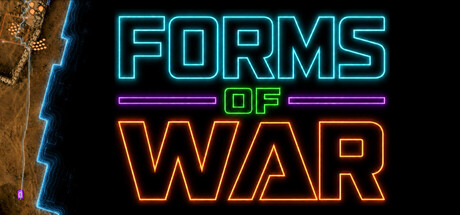
Some pre-generated visual assets currently used in Forms of War and its store materials were created with generative AI tools. Most in-game visuals are drawn procedurally in code using Phaser. AI-assisted coding tools were used during development. No generative AI is used while the game is running.
This game uses generative AI to create the following content:
- Images (backgrounds, character portraits, item art, UI, and store capsule art): image generation models
- Music: Suno
- Sound effects: procedural synthesis, plus OpenMOSS MOSS-SoundEffect v2 (Apache-2.0)
- Text and code: created with the assistance of generative AI
All of the above were pre-generated during development. No AI runs at runtime.
Generative AI tools were used during development to assist with the creation and iteration of some pre-generated 2D visual assets, UI elements, and promotional materials. All AI-assisted content is reviewed and curated by the developer. No AI-generated content is created during gameplay.
Some visual assets (character and environment art, store and marketing images) were created or assisted with generative AI tools, then selected and edited by the developer. The game does not use generative AI at runtime.
Some background music tracks were created with the assistance of generative AI tools and subsequently edited and modified by the developer. No generative AI content is created during gameplay.
Generative AI was used to create some artwork and visual assets for the game, including store page artwork and in-game icons. These assets were reviewed and integrated by the developer.
Some of this game's dialogue was refined with the help of a generative AI tool during revision. Every line in the finished game was reviewed and edited by the developer.
No generative AI was used to create the artwork, sound, or music, and no content is generated during gameplay.
Suno (commercial rights) was used to generate the game's music and the hobo's spoken lines, then hand-selected and edited to match the tone of the game. The translated dialogues were produced with the assistance of a language model.
The game's design and direction are entirely my own. All visuals are generated procedurally by the game's own code.
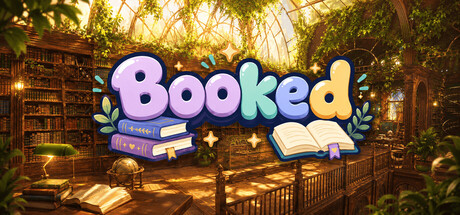
BOOKED uses generative AI-assisted artwork for some fictional in-game book covers and selected promotional/store artwork. Generative AI was also used to assist with some fictional book titles and creative concepts. All generated content was reviewed and selected by the developer before being included in the game.
Some of the sprites and marketing material started as AI-generated art that was processed and reworked by hand before use. No content is generated by AI while the game is running.
I am a solo developer with ten years of experience, who started out as a 3D artist.
Every piece of 3D art in this game was made by me: the models, the UVs, the LODs. All of the game code and architecture was designed and programmed by me.
I used generative AI to assist me with some of the textures and the music.
This is a solo project with no funding and I wanted it to follow my vision so I needed any help I could get. If I ever could afford to hire people, that is what I am going to do! So we can deliver even better quality games!
This game was developed with the assistance of generative AI tools during the development process. Generative AI was used to help produce elements of the game's code, artwork, and music. All AI-assisted output was reviewed, edited, and curated by our team before being included in the final game, ensuring it met our creative and quality standards.
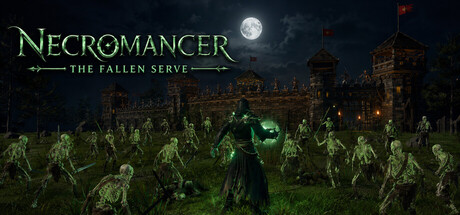
Necromancer: The Fallen Serve is primarily developed by me as a solo indie developer. I use generative AI as one of the tools in the project, including for some 3D assets, character voice lines, music, and promotional artwork. I've also worked with freelance artists and animators on parts of the game, including the skeleton army and animation work. I personally go through, refine and rework the assets until they fit the game the way I want them to. No generative AI content is created during gameplay.
Generative AI tools were used during development to assist with portions of the game's code, written text, localization, and marketing copy. All resulting content was reviewed and edited by the developer. The game does not generate content live.
Generative AI was used during development to assist with some image assets and written or localized text for the game and its store page, as well as three in-game background music tracks. All AI-assisted content is pre-generated and fixed. The game does not generate content at runtime or send player input or data to AI services.
Generative AI was used to create some pre-rendered marketing artwork for the Steam store page and to assist with drafting and translating store-page text. No generative AI content is generated during gameplay.
This game uses generative AI for part of its artwork and its voice lines.
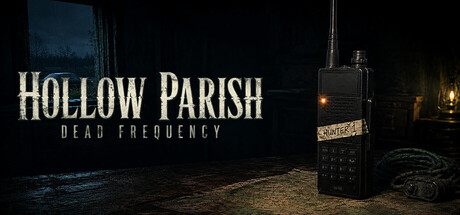
The hunter portraits were created with a generative AI image model, then selected, retouched and approved by hand. The voices you hear over the radio were produced with an AI voice model, speaking scripts written by the developer.
All of this was generated during development and is fixed in the build. No generative AI runs while you play: nothing is created live, and the game never contacts an AI service.
Some 2D art in Kyle Coral — including certain background/scene art and store and marketing images — is created with the help of generative AI image tools and then reviewed and edited by the developer. The game's core gameplay visuals are generated procedurally in code.
Some of the artwork was created using AI tools. The code was also reviewed with, or assisted by, AI.
If the concept finds its audience, we intend to pay an artist to produce artwork that is not AI-generated. Artists who would like to be part of the project are welcome to join us.
AI was used to assist with the translation of the game's text into supported languages. No generative AI was used to create the game's art, music, or other game content.
Our App employs AI-powered image generation tools to aid in the production of visual assets and background artwork for marketing materials, including store page screenshots and preview assets, as well as for full-screen in-game interfaces such as the home screen and event pages.
During development, generative AI was used as an assistive tool to create some in-game text and translations, 2D graphics, and store images. The generated content was reviewed and modified by the developer before being included in the game. Generative AI is not used to create content while the game is running, and no player input or personal information is sent to AI services.
Some visual assets in the game and its store materials were created with the assistance of generative AI. All AI-assisted content was generated prior to release and curated for use in the final game.
Some visual assets and promotional materials were created or assisted using generative AI tools and have been reviewed, modified, and integrated by the developer.
All gameplay, programming, level design, and game logic were created and implemented by the developer.
To enhance the gaming experience, a very small portion of the video footage, visual effects, and game interface were created with the assistance of artificial intelligence. AI-generated content accounts for less than 1% of the total content. Thank you for your understanding.
During the development of this game, Artificial Intelligence (AI) technologies were utilized as supplementary tools to streamline production and enhance the overall player experience. Specifically, AI-assisted systems were employed during the localization process to translate in-game text into multiple languages, ensuring broader accessibility for a global audience. Furthermore, AI tools were utilized to assist in the editing, generation, and refinement of certain in-game materials and visual assets. All AI-assisted content has been carefully reviewed, modified, and integrated by our development team to ensure it meets our quality standards and artistic vision.
The majority of this game is hand-coded. AI support was used to generate code for CPU player states, modify/rearrange UI elements, create custom shaders, and generate the main menu background image.
Some visual assets, sound effects, and music in Wondernauts were created with the help of generative AI tools during development, then refined, validated, and integrated by the development team. All gameplay logic and game systems are human-authored.
Some 2D art assets in this game — including UI textures, item icons, and the title and loading screens — were created with the help of generative AI tools and then hand-edited for use in the game. All game design, simulation systems, and gameplay logic are authored and directed by the developer. No content is generated by AI while the game is running.
Generating general in-game scripts
Music
Level design
In general, the developer uses AI to create like a cubes; ultimately, they decide where to place each cube to build a castle—or, in this case, the video game itself.
Generative AI tools were used during development to assist with certain parts of the game, including code and game assets such as artwork, audio, and localization. All AI generated content has been reviewed before being included in the game.
Some store page artwork, promotional images, textures, and visual assets were created using generative AI tools and then edited and finalized by the developer. AI-generated content is used only for visual assets and does not generate content during gameplay.
Some 3D models and pictures in the game were created with generative AI tools. Store promotional images were generated with AI and then manually edited.
Generative AI tools were used during development to create and refine some pre-generated 2D visual assets, including character artwork, backgrounds, UI elements, and promotional/store-page images. Some of the music featured in the game and promotional materials was generated using Suno. All AI-generated content was reviewed and curated by the developer before inclusion. The game does not generate content using AI while it is running.
Some pre-generated visual assets currently used in Forms of War and its store materials were created with generative AI tools. Most in-game visuals are drawn procedurally in code using Phaser. AI-assisted coding tools were used during development. No generative AI is used while the game is running.
This game uses generative AI to create the following content:
- Images (backgrounds, character portraits, item art, UI, and store capsule art): image generation models
- Music: Suno
- Sound effects: procedural synthesis, plus OpenMOSS MOSS-SoundEffect v2 (Apache-2.0)
- Text and code: created with the assistance of generative AI
All of the above were pre-generated during development. No AI runs at runtime.
Generative AI tools were used during development to assist with the creation and iteration of some pre-generated 2D visual assets, UI elements, and promotional materials. All AI-assisted content is reviewed and curated by the developer. No AI-generated content is created during gameplay.
Some visual assets (character and environment art, store and marketing images) were created or assisted with generative AI tools, then selected and edited by the developer. The game does not use generative AI at runtime.
Some background music tracks were created with the assistance of generative AI tools and subsequently edited and modified by the developer. No generative AI content is created during gameplay.
Generative AI was used to create some artwork and visual assets for the game, including store page artwork and in-game icons. These assets were reviewed and integrated by the developer.
Some of this game's dialogue was refined with the help of a generative AI tool during revision. Every line in the finished game was reviewed and edited by the developer.
No generative AI was used to create the artwork, sound, or music, and no content is generated during gameplay.
Suno (commercial rights) was used to generate the game's music and the hobo's spoken lines, then hand-selected and edited to match the tone of the game. The translated dialogues were produced with the assistance of a language model.
The game's design and direction are entirely my own. All visuals are generated procedurally by the game's own code.
BOOKED uses generative AI-assisted artwork for some fictional in-game book covers and selected promotional/store artwork. Generative AI was also used to assist with some fictional book titles and creative concepts. All generated content was reviewed and selected by the developer before being included in the game.
Some of the sprites and marketing material started as AI-generated art that was processed and reworked by hand before use. No content is generated by AI while the game is running.
I am a solo developer with ten years of experience, who started out as a 3D artist.
Every piece of 3D art in this game was made by me: the models, the UVs, the LODs. All of the game code and architecture was designed and programmed by me.
I used generative AI to assist me with some of the textures and the music.
This is a solo project with no funding and I wanted it to follow my vision so I needed any help I could get. If I ever could afford to hire people, that is what I am going to do! So we can deliver even better quality games!
This game was developed with the assistance of generative AI tools during the development process. Generative AI was used to help produce elements of the game's code, artwork, and music. All AI-assisted output was reviewed, edited, and curated by our team before being included in the final game, ensuring it met our creative and quality standards.
Necromancer: The Fallen Serve is primarily developed by me as a solo indie developer. I use generative AI as one of the tools in the project, including for some 3D assets, character voice lines, music, and promotional artwork. I've also worked with freelance artists and animators on parts of the game, including the skeleton army and animation work. I personally go through, refine and rework the assets until they fit the game the way I want them to. No generative AI content is created during gameplay.
Generative AI tools were used during development to assist with portions of the game's code, written text, localization, and marketing copy. All resulting content was reviewed and edited by the developer. The game does not generate content live.
Generative AI was used during development to assist with some image assets and written or localized text for the game and its store page, as well as three in-game background music tracks. All AI-assisted content is pre-generated and fixed. The game does not generate content at runtime or send player input or data to AI services.
Generative AI was used to create some pre-rendered marketing artwork for the Steam store page and to assist with drafting and translating store-page text. No generative AI content is generated during gameplay.
This game uses generative AI for part of its artwork and its voice lines.
The hunter portraits were created with a generative AI image model, then selected, retouched and approved by hand. The voices you hear over the radio were produced with an AI voice model, speaking scripts written by the developer.
All of this was generated during development and is fixed in the build. No generative AI runs while you play: nothing is created live, and the game never contacts an AI service.
Some 2D art in Kyle Coral — including certain background/scene art and store and marketing images — is created with the help of generative AI image tools and then reviewed and edited by the developer. The game's core gameplay visuals are generated procedurally in code.
Some of the artwork was created using AI tools. The code was also reviewed with, or assisted by, AI.
If the concept finds its audience, we intend to pay an artist to produce artwork that is not AI-generated. Artists who would like to be part of the project are welcome to join us.
AI was used to assist with the translation of the game's text into supported languages. No generative AI was used to create the game's art, music, or other game content.