Public Steam disclosure research25,376 disclosures tracked
Where do games disclose AI use?
Search developers’ Steam disclosures, compare classified AI use across
games, and follow recorded changes.
This index adds cross-game classifications and statistics to
statements published on individual store pages.
Groups reflect automatic analysis of public disclosures; mature records are excluded. These counts do not measure AI use across all of Steam.
Missing or unclear statements cannot establish whether a game uses AI.
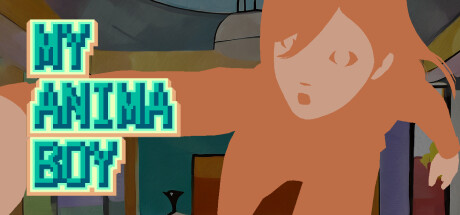
The picture clue in the office scene is generated by AI. It shows no real people's face nor impersonate any real people.
The cover picture of the bakery book in the bedroom scene is generated by AI. It contains some bread.
We deeply value human creators. While we used generative AI to help speed up development, we’re dedicating proceeds from the early access period to commission artists and community members for artwork that will gradually replace it in the game.
These assets are limited to non-essential parts of the game and don't affect the core gameplay experience.
Our main focus has always been on creating a handcrafted, immersive experience for our players. We appreciate your understanding and continued support!
Art graphics and assets were generated using non-infringing, copyright free, public domain image sources for training data sets in our AI graphics generator.
In some cases, we used our own photographs to create reference data such as background pictures.
The key idea behind this game is to allow players to generate their own situations, scenarios, effects etc, and for that content to be visible by other players. This demands the use of AI and without AI this game can't exist.
The specific art and style shown so far is subject to change based on the general player feedback.
"Uncanny Valley: Machine" uses images and music generated by neural networks.
Images are generated using stable diffusion. When creating the models used, commercial use of the generated images is permitted.
When creating the images, no names of any authors or companies were indicated.
Most of the images were edited using photo editors.
The following types of images were generated by II:
Characters;
Backgrounds;
Interior objects.
All music in "Uncanny Valley: Machine" was generated by the MusicGen AI, which allows the generated music to be used for commercial purposes.
The design of each character and location is thought out and created manually by me alone, but I also use neural networks in pre-production to help render fine details faster. No Live-Generated AI content is used.
AI is used to generate the handful of character portraits. Original prompts describing each character is used, and iteratively adjusted to discover the final image that represents the character we imagine to be in our story world.
The creative process taken to generate each character starts first with an imagination of what the inhabitants of the game's fantasy world setting would look like, including the personalities, outfit, abilities, jobs, and overall stylistic theme of the game, while balancing between character uniqueness versus technical complexity to implement.
To avoid any legal issues, we use original prompts written by ourselves using generic descriptive keywords, without reference to any names of artists or existing creative works.
Some of the background art in this game was initially generated using AI, then extensively modified and improved by our human artist to fit the style and vision of the game. The characters, inventory, interface, and other art assets were created directly by human artists without AI.
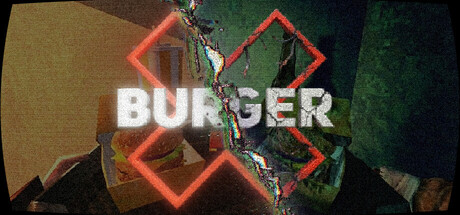
AI tools were used to support the development process of X Burger:
Visuals: Some environmental textures and specific parts of the promotional art on the store page were created or edited with the assistance of AI.
Music & Audio: Some musical backgrounds supporting the game's atmosphere were composed or enhanced using AI tools.
Content Generation: The entire script and core game design are 100% hand-crafted by the developer; AI was utilized solely as a tool to visually and audibly support this creative vision.
Ai is used in some of the background character's voices. The AI comes from Replica Studios (https://www.replicastudios.com/) and is legal and does not violate any copyright laws. The majority of the voice acting comes from hired professionals. Additionally, some of the artists I hired may have used AI to create or edit some of the art.
As a self funded, mostly solo indie dev Ai Art has been used during development for prototyping and concept art as well as promotional/marketing materials.
All art in game before and during early access should be considered a WIP and not final. It is my goal that sales during EA can fund hiring artists to update/replace this content.
The trees in the Germany Stage (shown in the first trailer) were generated with retro-diffusion.
I intend to replace them with hand-drawn trees in the final game.
There's also the "modern art" enemy that has ai-generated images displayed inside a frame.
Besides that everything is hand made.
The game features narrative scenes where speech texts appear in front of an image.
The background images during the narrative scenes were created by artificial intelligence.
Some songs on the soundtrack were also done by A.I.
As a solo developer, this feature was essential for the project's realization.
Some of our artwork is placeholder AI. We have decided to use AI art to allow us to quickly test cards and features that are rapidly changing. We consider AI art as a development tool and not as a substitute for talented artists. We respect the concerns the community has about the use of AI artwork and plan to remove all AI art from the game as cards and features become locked. This means AI art will be removed iteratively during Early Access, with Village Studio committed to it being completely removed by full launch.
AI tools were utilized sparingly to assist in early development of some background images. All AI-assisted content has been heavily refined and painted over by the artist.
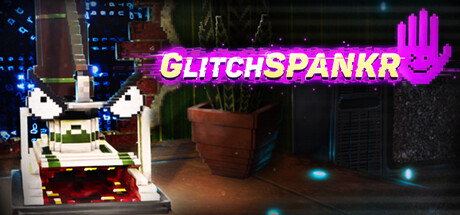
GlitchSPANKR was handcrafted. We used AI audio sparingly and purposefully:
We remixed our own original tracks into ambient variations (e.g. a French-style version of “Friend”).
A handful of songs had lyrics we wrote and used AI to help generate their music, which we refined and often re-recorded ourselves.
One minor joke character uses an AI voice by design.
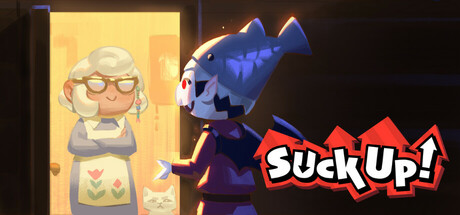
Suck Up! uses advanced AI to create dynamic gameplay. Players interact with AI characters using their voice, and the AI responds in real time based on tone and strategy. With unique personalities and behaviors, the AI challenges players to outwit them, ensuring immersive and unpredictable experiences.
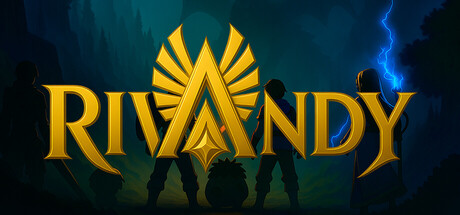
In Rivandy, Artificial Intelligence is only used as a creative assistant. Since we are a very small team, AI helps us mainly with artistic aspects—such as illustrations to enhance immersion, or voice generation to ensure consistency across characters. Occasionally, it may assist in code prototyping to unblock situations.
However, the game itself is essentially human-made: the core code, design, and mechanics are developed by us, and all visual assets such as FX and 3D models are purchased, not AI-generated.
This way, we can stay focused on building a unique, handcrafted experience while using AI only as a supportive tool.
The game will provide an opportunity to try yourself in a story led by a non-human.
The AI explained exactly how it would act and interact with the player if they had a certain personality. And we recreated it in a game. All dialogue with the player is written by AI.
I used AI as a base translations to languages other than English, Spanish, Catalan. I believe it's better AI translation than no translation.
Also used AI to generate the images of the relics.
Our Policy for AI Use
Even if, and disclose from time to time that, we use AI in some of our products, it never means that our product consists of AI-generated content, which is simply impossible but may be presumed by some people. We continue our due diligence and necessary efforts to come up with the best content.
AI is a field that we keep track of and welcome curiously and excitedly. It is something not the world gives us but what we get from the world according to our requirements.
However,
We always consider the rights of commercial and ethical use of AI. Therefore, we subscribe to their content, pay their respective fee, and keep their receipts/licenses.
In this game, we use a few asset generators like open-source make-human generations or some publicly available animations or the generators of the asset store such as the Spaceship Generator or Character Creator 2d, which we have purchased, and which have been around for many years. These assets allow us to design or randomly generate our character models according to our requirements. We are also working on the trailer of the game which might include some elements that we make by distorting some AI images.
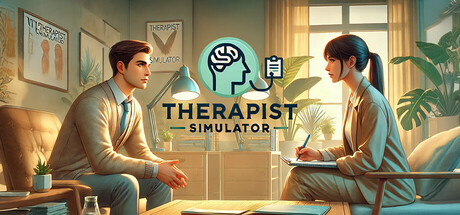
During the development of this game, we utilised generative AI tools to assist with tasks such as code completion, optimisation, and drafting small code snippets. This use was for developer assistance during the creation process. All final assets, code, and gameplay systems were reviewed and authored by our development team to ensure originality and compliance with legal and copyright standards. No in-game content is dynamically generated by AI.
The picture clue in the office scene is generated by AI. It shows no real people's face nor impersonate any real people.
The cover picture of the bakery book in the bedroom scene is generated by AI. It contains some bread.
We deeply value human creators. While we used generative AI to help speed up development, we’re dedicating proceeds from the early access period to commission artists and community members for artwork that will gradually replace it in the game.
These assets are limited to non-essential parts of the game and don't affect the core gameplay experience.
Our main focus has always been on creating a handcrafted, immersive experience for our players. We appreciate your understanding and continued support!
Art graphics and assets were generated using non-infringing, copyright free, public domain image sources for training data sets in our AI graphics generator.
In some cases, we used our own photographs to create reference data such as background pictures.
The key idea behind this game is to allow players to generate their own situations, scenarios, effects etc, and for that content to be visible by other players. This demands the use of AI and without AI this game can't exist.
The specific art and style shown so far is subject to change based on the general player feedback.
"Uncanny Valley: Machine" uses images and music generated by neural networks.
Images are generated using stable diffusion. When creating the models used, commercial use of the generated images is permitted.
When creating the images, no names of any authors or companies were indicated.
Most of the images were edited using photo editors.
The following types of images were generated by II:
Characters;
Backgrounds;
Interior objects.
All music in "Uncanny Valley: Machine" was generated by the MusicGen AI, which allows the generated music to be used for commercial purposes.
The design of each character and location is thought out and created manually by me alone, but I also use neural networks in pre-production to help render fine details faster. No Live-Generated AI content is used.
AI is used to generate the handful of character portraits. Original prompts describing each character is used, and iteratively adjusted to discover the final image that represents the character we imagine to be in our story world.
The creative process taken to generate each character starts first with an imagination of what the inhabitants of the game's fantasy world setting would look like, including the personalities, outfit, abilities, jobs, and overall stylistic theme of the game, while balancing between character uniqueness versus technical complexity to implement.
To avoid any legal issues, we use original prompts written by ourselves using generic descriptive keywords, without reference to any names of artists or existing creative works.
Some of the background art in this game was initially generated using AI, then extensively modified and improved by our human artist to fit the style and vision of the game. The characters, inventory, interface, and other art assets were created directly by human artists without AI.
AI tools were used to support the development process of X Burger:
Visuals: Some environmental textures and specific parts of the promotional art on the store page were created or edited with the assistance of AI.
Music & Audio: Some musical backgrounds supporting the game's atmosphere were composed or enhanced using AI tools.
Content Generation: The entire script and core game design are 100% hand-crafted by the developer; AI was utilized solely as a tool to visually and audibly support this creative vision.
Ai is used in some of the background character's voices. The AI comes from Replica Studios (https://www.replicastudios.com/) and is legal and does not violate any copyright laws. The majority of the voice acting comes from hired professionals. Additionally, some of the artists I hired may have used AI to create or edit some of the art.
As a self funded, mostly solo indie dev Ai Art has been used during development for prototyping and concept art as well as promotional/marketing materials.
All art in game before and during early access should be considered a WIP and not final. It is my goal that sales during EA can fund hiring artists to update/replace this content.
The trees in the Germany Stage (shown in the first trailer) were generated with retro-diffusion.
I intend to replace them with hand-drawn trees in the final game.
There's also the "modern art" enemy that has ai-generated images displayed inside a frame.
Besides that everything is hand made.
The game features narrative scenes where speech texts appear in front of an image.
The background images during the narrative scenes were created by artificial intelligence.
Some songs on the soundtrack were also done by A.I.
As a solo developer, this feature was essential for the project's realization.
Some of our artwork is placeholder AI. We have decided to use AI art to allow us to quickly test cards and features that are rapidly changing. We consider AI art as a development tool and not as a substitute for talented artists. We respect the concerns the community has about the use of AI artwork and plan to remove all AI art from the game as cards and features become locked. This means AI art will be removed iteratively during Early Access, with Village Studio committed to it being completely removed by full launch.
AI tools were utilized sparingly to assist in early development of some background images. All AI-assisted content has been heavily refined and painted over by the artist.
GlitchSPANKR was handcrafted. We used AI audio sparingly and purposefully:
We remixed our own original tracks into ambient variations (e.g. a French-style version of “Friend”).
A handful of songs had lyrics we wrote and used AI to help generate their music, which we refined and often re-recorded ourselves.
One minor joke character uses an AI voice by design.
Suck Up! uses advanced AI to create dynamic gameplay. Players interact with AI characters using their voice, and the AI responds in real time based on tone and strategy. With unique personalities and behaviors, the AI challenges players to outwit them, ensuring immersive and unpredictable experiences.
In Rivandy, Artificial Intelligence is only used as a creative assistant. Since we are a very small team, AI helps us mainly with artistic aspects—such as illustrations to enhance immersion, or voice generation to ensure consistency across characters. Occasionally, it may assist in code prototyping to unblock situations.
However, the game itself is essentially human-made: the core code, design, and mechanics are developed by us, and all visual assets such as FX and 3D models are purchased, not AI-generated.
This way, we can stay focused on building a unique, handcrafted experience while using AI only as a supportive tool.
The game will provide an opportunity to try yourself in a story led by a non-human.
The AI explained exactly how it would act and interact with the player if they had a certain personality. And we recreated it in a game. All dialogue with the player is written by AI.
I used AI as a base translations to languages other than English, Spanish, Catalan. I believe it's better AI translation than no translation.
Also used AI to generate the images of the relics.
Our Policy for AI Use
Even if, and disclose from time to time that, we use AI in some of our products, it never means that our product consists of AI-generated content, which is simply impossible but may be presumed by some people. We continue our due diligence and necessary efforts to come up with the best content.
AI is a field that we keep track of and welcome curiously and excitedly. It is something not the world gives us but what we get from the world according to our requirements.
However,
We always consider the rights of commercial and ethical use of AI. Therefore, we subscribe to their content, pay their respective fee, and keep their receipts/licenses.
In this game, we use a few asset generators like open-source make-human generations or some publicly available animations or the generators of the asset store such as the Spaceship Generator or Character Creator 2d, which we have purchased, and which have been around for many years. These assets allow us to design or randomly generate our character models according to our requirements. We are also working on the trailer of the game which might include some elements that we make by distorting some AI images.
During the development of this game, we utilised generative AI tools to assist with tasks such as code completion, optimisation, and drafting small code snippets. This use was for developer assistance during the creation process. All final assets, code, and gameplay systems were reviewed and authored by our development team to ensure originality and compliance with legal and copyright standards. No in-game content is dynamically generated by AI.