Public Steam disclosure research25,695 disclosures tracked
Where do games disclose AI use?
Search developers’ Steam disclosures, compare classified AI use across
games, and follow recorded changes.
This index adds cross-game classifications and statistics to
statements published on individual store pages.
Groups reflect automatic analysis of public disclosures; mature records are excluded. These counts do not measure AI use across all of Steam.
Missing or unclear statements cannot establish whether a game uses AI.
Generative AI was used to help create certain visual assets and promotional materials. Originally hand-drawn building graphics were processed with AI tools to increase detail and were subsequently manually edited.
Some pre-rendered artwork and marketing assets were created with generative AI tools and then reviewed and edited by the developer before inclusion. The game does not generate new content during gameplay.
This game uses AI-generated audio effects (via ElevenLabs) for a limited set of sound effects, layered and processed alongside licensed library sounds. As a solo developer on a tight budget, this let me create specific, bespoke sounds without the cost of a full custom audio pack for assets that are only used a handful of times.
Some of these may be replaced with human-composed audio as the game develops.
Generative AI tools were used during the development of ScrapBound to assist with the creation of some visual and audio assets. AI-generated imagery was used as a starting point for various game assets, which were then modified, edited, and integrated to fit the game's visual style. Many of these assets will over time be replaced as the development of the game continues.
Some 2D art in the game was created with the help of an AI pixel-art tool during development, specifically the application icons and and was hand-adjusted before shipping. The rest of the game's art, including all fish sprites and item icons, was made without AI.
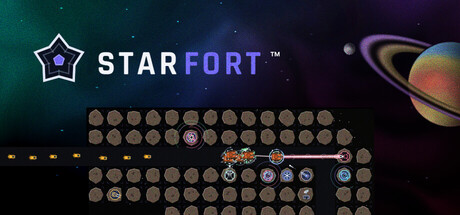
Some assets in Starfort, including selected voice lines, artwork, and marketing materials, were created with the help of generative AI tools during development. All such content was reviewed, edited, curated, and finalized by the developer and is pre-generated. Starfort does not generate content during gameplay or connect to external AI services.
Some of the artwork in this game — including bumper, ball, table and mark sprites — was created with AI-assisted pixel art tools and then reviewed, edited and assembled by hand. The world and boss music comes from licensed artists who state that they work with AI assistance; the sound effects are not AI-generated. Parts of the source code were written with AI assistance. No content is generated by AI while playing.
- AI coding agents were used to assist with general game programming for Sudden Death Golf in order to iterate over gameplay ideas faster as a solo dev
- Some parts of in-game UI/UX design were created with the assist of AI
- No 3D models or textures were made with AI. Most were made by hand by me, some were bought or commissioned
AI tools were used during the development of this game to assist with programming, and the creation of some sound effects and UI images. All AI-assisted content was reviewed and edited by the developer before being incorporated into the game.
Some plant artwork and store assets were created with AI-assisted tools and then manually reviewed, edited, and integrated into the game. DeskBloom does not generate AI images, text, audio, or other content during gameplay.
Development of PUCKVPUCK was assisted by an AI coding assistant. It helped write and review the game's code — including the sound effects, which are synthesised mathematically in code rather than recorded or sampled — and it drafted text for this store page. No AI image, audio or video generation models were used: the visuals are drawn procedurally by hand-written code, every screenshot and trailer clip is real captured gameplay, and all music was written and performed by the developers. Nothing is generated live while you play.
Some shipped content was created with the help of generative AI tools and then reviewed and edited by the developer: parts of the store and marketing artwork, the trailer music, and the first drafts of the interface translations (German, Spanish, French, Polish, Brazilian Portuguese). All gameplay, rules logic and code are deterministic and human-reviewed. The game does not generate any AI content at runtime.
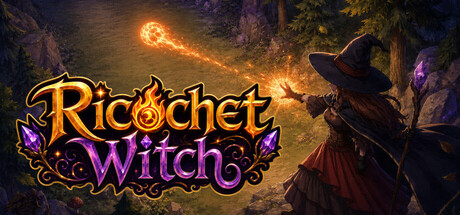
Ricochet Witch includes content created with the assistance of generative AI tools. Every AI-assisted element was directed, selected and edited by the developer, and all of it was reviewed before release.
- 2D artwork (title illustration, game logo, clear end card, scoreboard background, and the application icon, which is a crop of the title illustration): generated with Google Gemini and OpenAI ChatGPT, then selected and edited by the developer.
- Achievement icons: base images generated with OpenAI ChatGPT; the grayscale (locked) versions were made by the developer in Photoshop.
- The player character 3D model: generated with Meshy AI, then adjusted and integrated into the game by the developer.
- English localization text: translated with the assistance of a generative AI tool (Anthropic Claude), then reviewed and adjusted by the developer.
- Store page description text (Simplified Chinese, Korean, Traditional Chinese, Brazilian Portuguese, German and Spanish): translated with the assistance of generative AI tools (OpenAI ChatGPT and Anthropic Claude), then reviewed and adjusted by the developer.
- Store page images: these use the AI-assisted artwork described above.
No content is generated by AI while the game is running.
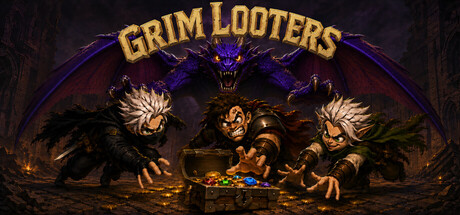
The visual assets in Grim Looters — character, monster, item and card artwork, plus the store and marketing images — were created with the assistance of generative AI image tools and then curated, edited, and assembled by the developer. Some background music was AI-assisted. All AI-generated content is reviewed by the developer to ensure it is appropriate and cleared for use. No AI content is generated live during gameplay.
Generative AI tools were used to create visual concepts and initial drafts for most of the game's artwork. These drafts were used as references and starting points for the final pixel art assets, which were manually created, reviewed, edited, and refined by the developer before being included in the game or its marketing materials.
Generative AI tools were also used to assist with localization and the creation of some in-game names and text. All AI-assisted text was manually reviewed and edited by the developer before being included in the game.
The game does not use generative AI to create content during gameplay.
Some Steam store and library presentation artwork was created with assistance from generative AI tools, then selected and edited by the developer. Localization was completed conventionally, with AI used to assist in verification and quality checks.
1. During development, due to objective constraints including limited budget, we utilized AI models such as GPT Image2, Banana2, Banana Pro and Seedream 5.0 Pro for art asset creation. Relevant AI-generated assets will be gradually replaced with fully original materials as development progresses.
2. DeepSeek V4 was used to assist translations for non-Chinese text versions. Chinese is the only official language of this game. Players may switch to other available languages in game settings, yet Ritsuai Works provides no guarantee regarding the quality of non-Chinese translations.
Generative AI was used extensively during development to create pre-generated artwork, visual assets, text, and localization included in the game and its store and marketing materials. All AI-generated content was reviewed and edited by the developer. No AI content is generated live during gameplay.
Some background music inside the game was created with generative AI tools. Generative AI was also used as a development assistant for some debugging, and code building. The game does not use live AI generation during playing.
Generative AI was used solely as a development assistance tool. All player-facing artwork, audio, narrative, localization, and marketing assets were created by the developer. The game does not include or generate AI-created content.
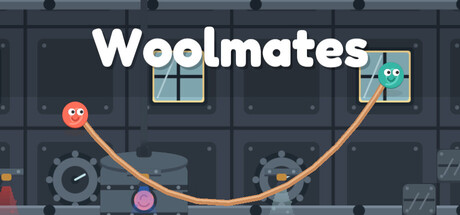
All graphics and sounds in Woolmates are calculated at runtime by the game itself; no AI-generated image, audio, or video files are delivered. AI assistance tools were used in the development of the program code as well as in text and marketing materials. No AI is used during the actual game.
Generative AI was used during development to assist with some
pre-generated 2D artwork, icons, card and character illustrations,
store graphical assets, localization, written content, and portions
of code implementation. All outputs were reviewed, selected, edited
where needed, and manually integrated by the developer. The game
does not generate AI content or code during gameplay.
This game uses generative AI in a limited way. Some in-game and store-page text was drafted, edited, or partially translated with the help of an AI model, then reviewed, adapted, and finalized by the developer. None of the game's art, sprites, animation, music or sound is AI-generated.
This game uses AI-generated art assets (character portraits,
backgrounds, and promotional images) created during development.
AI tools also assisted with coding. All AI-generated content has
been reviewed and finalized by the developer. The game does NOT
generate any AI content in real-time during gameplay.
Generative AI tools were used to assist in creating a limited number of 2D images included in the game and certain store-page graphical assets. All AI-assisted images were subsequently manually edited, corrected, and finalized by the developer. Other assets were created by the developer or obtained from appropriately licensed or free-to-use sources. The game does not use generative AI in real time.
This game uses AI tools (Anthropic's Claude) for localization. The game's UI text, building prompts, and store descriptions were translated from Japanese into 9 other languages with AI assistance, and all translations were reviewed by the developer. No AI-generated content is created at runtime (no live-generated AI). All other assets (art, music, sound effects) are hand-made or licensed (CC0).
This game used generative artificial intelligence to assist in creating certain content, including: concept designs for the opening comic and concept art for some UI elements. All AI-assisted content has been reviewed, edited, and remade manually. The game does not generate real-time AI content during runtime.
Artificial intelligence was utilized in the programming phase of development. All other game content, including art, audio, and design, was created entirely by human effort.
Generative AI Disclosure
This game features real-time generative AI to create a unique experience for each player:
Dynamic Dialogue: Our NPC interaction system uses an LLM to respond to player queries in real-time, allowing for more natural and varied conversations.
AI Guardrails: We have implemented strict filtering and pre-defined safety protocols to ensure that all AI-generated content remains appropriate and consistent with the game's world.
All live-generated content is monitored to prevent the generation of illegal or harmful material.
Generative AI was used to help create certain visual assets and promotional materials. Originally hand-drawn building graphics were processed with AI tools to increase detail and were subsequently manually edited.
Some pre-rendered artwork and marketing assets were created with generative AI tools and then reviewed and edited by the developer before inclusion. The game does not generate new content during gameplay.
This game uses AI-generated audio effects (via ElevenLabs) for a limited set of sound effects, layered and processed alongside licensed library sounds. As a solo developer on a tight budget, this let me create specific, bespoke sounds without the cost of a full custom audio pack for assets that are only used a handful of times.
Some of these may be replaced with human-composed audio as the game develops.
Generative AI tools were used during the development of ScrapBound to assist with the creation of some visual and audio assets. AI-generated imagery was used as a starting point for various game assets, which were then modified, edited, and integrated to fit the game's visual style. Many of these assets will over time be replaced as the development of the game continues.
Some 2D art in the game was created with the help of an AI pixel-art tool during development, specifically the application icons and and was hand-adjusted before shipping. The rest of the game's art, including all fish sprites and item icons, was made without AI.
Some assets in Starfort, including selected voice lines, artwork, and marketing materials, were created with the help of generative AI tools during development. All such content was reviewed, edited, curated, and finalized by the developer and is pre-generated. Starfort does not generate content during gameplay or connect to external AI services.
Some of the artwork in this game — including bumper, ball, table and mark sprites — was created with AI-assisted pixel art tools and then reviewed, edited and assembled by hand. The world and boss music comes from licensed artists who state that they work with AI assistance; the sound effects are not AI-generated. Parts of the source code were written with AI assistance. No content is generated by AI while playing.
- AI coding agents were used to assist with general game programming for Sudden Death Golf in order to iterate over gameplay ideas faster as a solo dev
- Some parts of in-game UI/UX design were created with the assist of AI
- No 3D models or textures were made with AI. Most were made by hand by me, some were bought or commissioned
AI tools were used during the development of this game to assist with programming, and the creation of some sound effects and UI images. All AI-assisted content was reviewed and edited by the developer before being incorporated into the game.
Some plant artwork and store assets were created with AI-assisted tools and then manually reviewed, edited, and integrated into the game. DeskBloom does not generate AI images, text, audio, or other content during gameplay.
Development of PUCKVPUCK was assisted by an AI coding assistant. It helped write and review the game's code — including the sound effects, which are synthesised mathematically in code rather than recorded or sampled — and it drafted text for this store page. No AI image, audio or video generation models were used: the visuals are drawn procedurally by hand-written code, every screenshot and trailer clip is real captured gameplay, and all music was written and performed by the developers. Nothing is generated live while you play.
Some shipped content was created with the help of generative AI tools and then reviewed and edited by the developer: parts of the store and marketing artwork, the trailer music, and the first drafts of the interface translations (German, Spanish, French, Polish, Brazilian Portuguese). All gameplay, rules logic and code are deterministic and human-reviewed. The game does not generate any AI content at runtime.
Ricochet Witch includes content created with the assistance of generative AI tools. Every AI-assisted element was directed, selected and edited by the developer, and all of it was reviewed before release.
- 2D artwork (title illustration, game logo, clear end card, scoreboard background, and the application icon, which is a crop of the title illustration): generated with Google Gemini and OpenAI ChatGPT, then selected and edited by the developer.
- Achievement icons: base images generated with OpenAI ChatGPT; the grayscale (locked) versions were made by the developer in Photoshop.
- The player character 3D model: generated with Meshy AI, then adjusted and integrated into the game by the developer.
- English localization text: translated with the assistance of a generative AI tool (Anthropic Claude), then reviewed and adjusted by the developer.
- Store page description text (Simplified Chinese, Korean, Traditional Chinese, Brazilian Portuguese, German and Spanish): translated with the assistance of generative AI tools (OpenAI ChatGPT and Anthropic Claude), then reviewed and adjusted by the developer.
- Store page images: these use the AI-assisted artwork described above.
No content is generated by AI while the game is running.
The visual assets in Grim Looters — character, monster, item and card artwork, plus the store and marketing images — were created with the assistance of generative AI image tools and then curated, edited, and assembled by the developer. Some background music was AI-assisted. All AI-generated content is reviewed by the developer to ensure it is appropriate and cleared for use. No AI content is generated live during gameplay.
Generative AI tools were used to create visual concepts and initial drafts for most of the game's artwork. These drafts were used as references and starting points for the final pixel art assets, which were manually created, reviewed, edited, and refined by the developer before being included in the game or its marketing materials.
Generative AI tools were also used to assist with localization and the creation of some in-game names and text. All AI-assisted text was manually reviewed and edited by the developer before being included in the game.
The game does not use generative AI to create content during gameplay.
Some Steam store and library presentation artwork was created with assistance from generative AI tools, then selected and edited by the developer. Localization was completed conventionally, with AI used to assist in verification and quality checks.
1. During development, due to objective constraints including limited budget, we utilized AI models such as GPT Image2, Banana2, Banana Pro and Seedream 5.0 Pro for art asset creation. Relevant AI-generated assets will be gradually replaced with fully original materials as development progresses.
2. DeepSeek V4 was used to assist translations for non-Chinese text versions. Chinese is the only official language of this game. Players may switch to other available languages in game settings, yet Ritsuai Works provides no guarantee regarding the quality of non-Chinese translations.
Generative AI was used extensively during development to create pre-generated artwork, visual assets, text, and localization included in the game and its store and marketing materials. All AI-generated content was reviewed and edited by the developer. No AI content is generated live during gameplay.
Some background music inside the game was created with generative AI tools. Generative AI was also used as a development assistant for some debugging, and code building. The game does not use live AI generation during playing.
Generative AI was used solely as a development assistance tool. All player-facing artwork, audio, narrative, localization, and marketing assets were created by the developer. The game does not include or generate AI-created content.
All graphics and sounds in Woolmates are calculated at runtime by the game itself; no AI-generated image, audio, or video files are delivered. AI assistance tools were used in the development of the program code as well as in text and marketing materials. No AI is used during the actual game.
Generative AI was used during development to assist with some
pre-generated 2D artwork, icons, card and character illustrations,
store graphical assets, localization, written content, and portions
of code implementation. All outputs were reviewed, selected, edited
where needed, and manually integrated by the developer. The game
does not generate AI content or code during gameplay.
This game uses generative AI in a limited way. Some in-game and store-page text was drafted, edited, or partially translated with the help of an AI model, then reviewed, adapted, and finalized by the developer. None of the game's art, sprites, animation, music or sound is AI-generated.
This game uses AI-generated art assets (character portraits,
backgrounds, and promotional images) created during development.
AI tools also assisted with coding. All AI-generated content has
been reviewed and finalized by the developer. The game does NOT
generate any AI content in real-time during gameplay.
Generative AI tools were used to assist in creating a limited number of 2D images included in the game and certain store-page graphical assets. All AI-assisted images were subsequently manually edited, corrected, and finalized by the developer. Other assets were created by the developer or obtained from appropriately licensed or free-to-use sources. The game does not use generative AI in real time.
This game uses AI tools (Anthropic's Claude) for localization. The game's UI text, building prompts, and store descriptions were translated from Japanese into 9 other languages with AI assistance, and all translations were reviewed by the developer. No AI-generated content is created at runtime (no live-generated AI). All other assets (art, music, sound effects) are hand-made or licensed (CC0).
This game used generative artificial intelligence to assist in creating certain content, including: concept designs for the opening comic and concept art for some UI elements. All AI-assisted content has been reviewed, edited, and remade manually. The game does not generate real-time AI content during runtime.
Artificial intelligence was utilized in the programming phase of development. All other game content, including art, audio, and design, was created entirely by human effort.
Generative AI Disclosure
This game features real-time generative AI to create a unique experience for each player:
Dynamic Dialogue: Our NPC interaction system uses an LLM to respond to player queries in real-time, allowing for more natural and varied conversations.
AI Guardrails: We have implemented strict filtering and pre-defined safety protocols to ensure that all AI-generated content remains appropriate and consistent with the game's world.
All live-generated content is monitored to prevent the generation of illegal or harmful material.