Public Steam disclosure research25,519 disclosures tracked
Where do games disclose AI use?
Search developers’ Steam disclosures, compare classified AI use across
games, and follow recorded changes.
This index adds cross-game classifications and statistics to
statements published on individual store pages.
Groups reflect automatic analysis of public disclosures; mature records are excluded. These counts do not measure AI use across all of Steam.
Missing or unclear statements cannot establish whether a game uses AI.
Silly Agent is a labor of love by a single developer. To make a game of this scale possible, I've integrated AI technology for specific assets like background music, character voices, and some 3D model foundations. This tech acts as my "extended team," allowing me to deliver a rich, voiced, and musically atmospheric world that would otherwise take years for one person to build manually.
Scenarios for using generative AI in games:
-Using generative AI to adjust game programs
-Using generative AI to create art assets
-Used AI tools to assist with multilingual localization translation (pre-generated text)
This game uses AI assistance in the following areas:
- Localization: Some translations were assisted by AI tools.
- Some promotional or UI images were partially generated or refined using AI tools.
All gameplay content, art direction, and core assets are created by human developers.
This game uses pre-generated AI content for its Steam store capsules and some in-game audio elements. These tools were used to support the creative process and maintain the game's aesthetic consistency.
Some visual assets (card art and character portraits) generated using Google Gemini image models. Some SFX partially generated via ElevenLabs where Unity Assets were not available. All licensed for commercial use. Game design, code, and text content are original.
his game uses generative AI in the following areas:
🎵 Music: Portions of the game's original soundtrack were composed using generative AI tools.
🎙️ Voice Acting: Character dialogue is performed using AI-generated voices. All dialogue, script, and performance direction were written and directed by the development team.
All AI-generated content was reviewed, edited, and approved by the developers before inclusion in the final game.
Generative AI was used solely as a supplementary tool for music composition and a small number of non-core textures (such as background patterns and decorative assets). All AI-assisted content has undergone significant manual refinement and human oversight to ensure it meets our artistic standards and visual style. AI was used only to enhance development efficiency; all core character designs, key art, and narrative elements remain 100% human-authored.
This game uses AI to generate dynamic NPC dialogue during gameplay. NPCs respond to player actions and choices with unique, contextual conversations. All AI-generated text is filtered to ensure appropriate content.
Our game uses pre-generated AI content exclusively for audio production. Specifically, we utilize generative AI tools to assist in the creation of our background music tracks and to generate voice-over (VO) dialogue for characters. All AI-assisted audio is pre-rendered during development and baked into the final game files. We do not use live-generated AI at runtime, and we do not use generative AI for visual artwork, 3D models, code, or the written narrative.
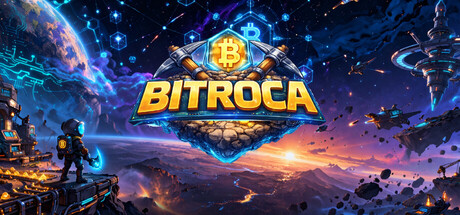
Some of Bitroca's visual assets, UI elements, and audio were created with the help of generative AI tools, then
reviewed and finalized by a human developer before shipping. All content is pre-rendered and baked into the build no AI content is generated during gameplay.
AI-assisted tools were used in the creation of some background images included in the game.
AI-assisted translation was also used for the English and Korean localization. The translated text was reviewed and adjusted during development.
There is no content generated by AI in real time during gameplay.
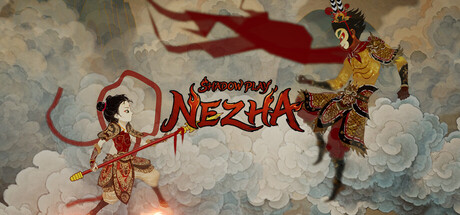
This game utilizes AI-assisted technologies in its development process. Generative AI was used to assist in writing code, refining localized text, and generating certain background ambient music and sound effects. Additionally, AI tools were used to help conceptualize and refine the unique "Shadow Puppetry" and "Ink-wash" artistic style assets to ensure a high-quality visual experience.
The game uses AI voice generation tools to create audio voiceovers for partial narrative texts and dialogue. All underlying text and story are originally created by the developer.
This game uses generative AI as part of the development process.
AI tools were used to assist in the creation of certain visual assets, concepts, and marketing materials.
All AI-generated content was reviewed, edited, and integrated manually to ensure consistency with the game's design and quality standards.
The gameplay itself is fully designed and controlled by the developer, with no real-time AI-generated content during play.
AI tools including ChatGPT, Gemini, Meshy, Tripo, and Fish AI
were used to assist in generating some concepts, translations,
voiceovers, and distant model processing.
This game uses generative AI in the following areas:
- Some in-game background images
- Some sound effects
- Translation for some languages
All AI-generated content was reviewed and edited by the developer.
During development, we used generative AI tools to assist with certain visual assets, including images and 3D models. All AI-generated content was pre-produced during the development phase and has been manually reviewed and validated. No real-time AI generation occurs during gameplay.
Some text content prepared in advance, including descriptions and localized text, may be created, translated, or improved with the assistance of AI-based tools.
Peter the Stash Hunter has been mostly designed and coded by hand by a single developer using traditional methods. AI tools were used in the development process only in two supporting roles:
- Translating store descriptions and in-game text into different languages
- Acting as a helper assistant during code writing
All AI outputs have been reviewed and edited by the developer. Translations are planned to be improved over time based on community feedback. None of the game's visuals, story, characters, music, sound effects, gameplay mechanics, or design decisions have been generated by AI. There is also no AI system running inside the game.
During the development of this game, generative AI tools were used as a supportive resource for technical and creative tasks. Specifically, AI was utilized to assist in structuring complex C# scripts and providing visual reference images for world-building and character design. This allowed me as a solo developer to streamline my technical workflow and focus more on the core gameplay, environmental puzzles, and the unique atmospheric feel of the project. Every piece of AI-assisted logic or visual concept has been manually reviewed, adapted, and implemented by me to ensure it fits perfectly within the game's overall design.
Steam page design and English localization - This is an unusual game. It consists of a huge amount of text. We couldn't translate it with a professional translator due to the enormous cost. Despite this, we really want as many people as possible to play our game. That's why we made the game free. We also hope that this game will become a great experience for our next game.
The developer uses Generative AI tools to assist in the creation of 2D character sprites, background artwork, UI elements, and visual effects frames. All AI-generated graphical assets are pre-rendered, manually edited, and carefully integrated into the game engine by the developer. The game does not generate any AI content in real-time during gameplay.
I used AI tools (such as ChatGPT) to assist in writing scripts and optimizing the game code, which helped bridge the technical gap as an individual developer. Additionally, AI was used for English translation and proofreading to ensure a natural and high-quality narrative for global players.
AI Disclosure
Generative AI tools were used to assist with writing store page descriptions and game development. All gameplay content — including art, audio, maze generation, and game mechanics — is created programmatically through traditional algorithms and code.
This game was developed with the assistance of generative AI tools, which were used to help create visual assets, code, and some audio elements. All generated content was reviewed, edited, and integrated by the developer to ensure consistency and quality.
No generative AI is used during gameplay. All content is pre-generated and curated before release.
AI-based translation tools were used for localizing the in-game text and store page descriptions from Japanese to English. All translated content has been reviewed and refined by the developer.
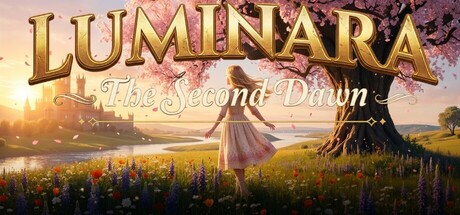
Luminara: The Second Dawn was created by a solo developer with the help of AI tools to bring the game to life. Every piece of content—art, music, story, and code—has been personally reviewed, curated, and directed by me to ensure it fits the game's vision and quality standards.
Silly Agent is a labor of love by a single developer. To make a game of this scale possible, I've integrated AI technology for specific assets like background music, character voices, and some 3D model foundations. This tech acts as my "extended team," allowing me to deliver a rich, voiced, and musically atmospheric world that would otherwise take years for one person to build manually.
Scenarios for using generative AI in games:
-Using generative AI to adjust game programs
-Using generative AI to create art assets
-Used AI tools to assist with multilingual localization translation (pre-generated text)
This game uses AI assistance in the following areas:
- Localization: Some translations were assisted by AI tools.
- Some promotional or UI images were partially generated or refined using AI tools.
All gameplay content, art direction, and core assets are created by human developers.
This game uses pre-generated AI content for its Steam store capsules and some in-game audio elements. These tools were used to support the creative process and maintain the game's aesthetic consistency.
Some visual assets (card art and character portraits) generated using Google Gemini image models. Some SFX partially generated via ElevenLabs where Unity Assets were not available. All licensed for commercial use. Game design, code, and text content are original.
his game uses generative AI in the following areas:
🎵 Music: Portions of the game's original soundtrack were composed using generative AI tools.
🎙️ Voice Acting: Character dialogue is performed using AI-generated voices. All dialogue, script, and performance direction were written and directed by the development team.
All AI-generated content was reviewed, edited, and approved by the developers before inclusion in the final game.
Generative AI was used solely as a supplementary tool for music composition and a small number of non-core textures (such as background patterns and decorative assets). All AI-assisted content has undergone significant manual refinement and human oversight to ensure it meets our artistic standards and visual style. AI was used only to enhance development efficiency; all core character designs, key art, and narrative elements remain 100% human-authored.
This game uses AI to generate dynamic NPC dialogue during gameplay. NPCs respond to player actions and choices with unique, contextual conversations. All AI-generated text is filtered to ensure appropriate content.
Our game uses pre-generated AI content exclusively for audio production. Specifically, we utilize generative AI tools to assist in the creation of our background music tracks and to generate voice-over (VO) dialogue for characters. All AI-assisted audio is pre-rendered during development and baked into the final game files. We do not use live-generated AI at runtime, and we do not use generative AI for visual artwork, 3D models, code, or the written narrative.
Some of Bitroca's visual assets, UI elements, and audio were created with the help of generative AI tools, then
reviewed and finalized by a human developer before shipping. All content is pre-rendered and baked into the build no AI content is generated during gameplay.
AI-assisted tools were used in the creation of some background images included in the game.
AI-assisted translation was also used for the English and Korean localization. The translated text was reviewed and adjusted during development.
There is no content generated by AI in real time during gameplay.
This game utilizes AI-assisted technologies in its development process. Generative AI was used to assist in writing code, refining localized text, and generating certain background ambient music and sound effects. Additionally, AI tools were used to help conceptualize and refine the unique "Shadow Puppetry" and "Ink-wash" artistic style assets to ensure a high-quality visual experience.
The game uses AI voice generation tools to create audio voiceovers for partial narrative texts and dialogue. All underlying text and story are originally created by the developer.
This game uses generative AI as part of the development process.
AI tools were used to assist in the creation of certain visual assets, concepts, and marketing materials.
All AI-generated content was reviewed, edited, and integrated manually to ensure consistency with the game's design and quality standards.
The gameplay itself is fully designed and controlled by the developer, with no real-time AI-generated content during play.
AI tools including ChatGPT, Gemini, Meshy, Tripo, and Fish AI
were used to assist in generating some concepts, translations,
voiceovers, and distant model processing.
This game uses generative AI in the following areas:
- Some in-game background images
- Some sound effects
- Translation for some languages
All AI-generated content was reviewed and edited by the developer.
During development, we used generative AI tools to assist with certain visual assets, including images and 3D models. All AI-generated content was pre-produced during the development phase and has been manually reviewed and validated. No real-time AI generation occurs during gameplay.
Some text content prepared in advance, including descriptions and localized text, may be created, translated, or improved with the assistance of AI-based tools.
Peter the Stash Hunter has been mostly designed and coded by hand by a single developer using traditional methods. AI tools were used in the development process only in two supporting roles:
- Translating store descriptions and in-game text into different languages
- Acting as a helper assistant during code writing
All AI outputs have been reviewed and edited by the developer. Translations are planned to be improved over time based on community feedback. None of the game's visuals, story, characters, music, sound effects, gameplay mechanics, or design decisions have been generated by AI. There is also no AI system running inside the game.
During the development of this game, generative AI tools were used as a supportive resource for technical and creative tasks. Specifically, AI was utilized to assist in structuring complex C# scripts and providing visual reference images for world-building and character design. This allowed me as a solo developer to streamline my technical workflow and focus more on the core gameplay, environmental puzzles, and the unique atmospheric feel of the project. Every piece of AI-assisted logic or visual concept has been manually reviewed, adapted, and implemented by me to ensure it fits perfectly within the game's overall design.
Steam page design and English localization - This is an unusual game. It consists of a huge amount of text. We couldn't translate it with a professional translator due to the enormous cost. Despite this, we really want as many people as possible to play our game. That's why we made the game free. We also hope that this game will become a great experience for our next game.
The developer uses Generative AI tools to assist in the creation of 2D character sprites, background artwork, UI elements, and visual effects frames. All AI-generated graphical assets are pre-rendered, manually edited, and carefully integrated into the game engine by the developer. The game does not generate any AI content in real-time during gameplay.
I used AI tools (such as ChatGPT) to assist in writing scripts and optimizing the game code, which helped bridge the technical gap as an individual developer. Additionally, AI was used for English translation and proofreading to ensure a natural and high-quality narrative for global players.
AI Disclosure
Generative AI tools were used to assist with writing store page descriptions and game development. All gameplay content — including art, audio, maze generation, and game mechanics — is created programmatically through traditional algorithms and code.
This game was developed with the assistance of generative AI tools, which were used to help create visual assets, code, and some audio elements. All generated content was reviewed, edited, and integrated by the developer to ensure consistency and quality.
No generative AI is used during gameplay. All content is pre-generated and curated before release.
AI-based translation tools were used for localizing the in-game text and store page descriptions from Japanese to English. All translated content has been reviewed and refined by the developer.
Luminara: The Second Dawn was created by a solo developer with the help of AI tools to bring the game to life. Every piece of content—art, music, story, and code—has been personally reviewed, curated, and directed by me to ensure it fits the game's vision and quality standards.