Public Steam disclosure research25,376 disclosures tracked
Where do games disclose AI use?
Search developers’ Steam disclosures, compare classified AI use across
games, and follow recorded changes.
This index adds cross-game classifications and statistics to
statements published on individual store pages.
Groups reflect automatic analysis of public disclosures; mature records are excluded. These counts do not measure AI use across all of Steam.
Missing or unclear statements cannot establish whether a game uses AI.
In Zero Factory, there is no option for users to generate content using AI or other means that could infringe on intellectual property rights. The game’s content is fully curated and controlled by the development team, ensuring that any assets or user interactions within the game are legally compliant and original.
AI was used in some of the linear story parts. AI just helped generating some casual dialogue text lines and translations in game text without any copyright element.
AI voice cloning has been used, however, all acting has been performed by the voice actor, only the voice has been changed through AI technology.
ChatGPT was used to generate model numbers and descriptions for the in game parts store.
We utilize AI-assisted tools to create some of the 2D artwork assets used within the game’s narrative sections. All generated art has been reviewed and refined by our development team to ensure quality and consistency with the game's world.
Chat GPT is used to search for programming solutions and
to generate names.
AI is used to translate to other languages than English.
The paintings are prepared with a mixed canvas of AI images, 3D models, photos, textures and other paintings. And is then manually painted over, together with some filters and effects.
Generated audio melodies, voices and sound filters for game events are used.
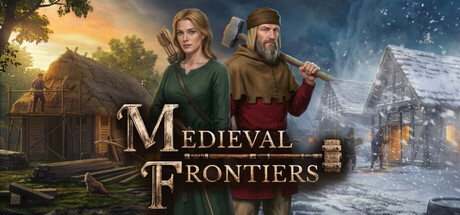
Some game content, marketing materials, and character voices for Medieval Frontiers were created or translated with the assistance of AI tools. While we use these technologies to support our workflow, every feature and narrative beat is a result of our team’s deliberate creative decisions. The final experience is hand-guided by our vision to ensure the world feels authentic to our players.
We leveraged AI-generated content to enrich our game with elements that would have been otherwise challenging to include. Specifically, we used AI for the AI character voiceover in different languages, a feature made possible thanks to this technology. In this case it made even more sense since the character is actually an AI. Otherwise, all the core art and visual elements of the game have been designed by human talents.
Some of the voice-over dialogs during the introduction cut-scene are computer generated. Some of the images during the introduction cut-scene were stylized using generative AI.
While almost the entirety of the game is human-made, there are still some places where AI was used to speed up work, data validation or help with tedious tasks - such as converting old crafting recipes to a new format, improving wording of some in-game item descriptions, or generating placeholder thumbnails for internal use (e.g. testing GUI layout and renderer).
In Zero Factory, there is no option for users to generate content using AI or other means that could infringe on intellectual property rights. The game’s content is fully curated and controlled by the development team, ensuring that any assets or user interactions within the game are legally compliant and original.
AI was used in some of the linear story parts. AI just helped generating some casual dialogue text lines and translations in game text without any copyright element.
AI voice cloning has been used, however, all acting has been performed by the voice actor, only the voice has been changed through AI technology.
ChatGPT was used to generate model numbers and descriptions for the in game parts store.
We utilize AI-assisted tools to create some of the 2D artwork assets used within the game’s narrative sections. All generated art has been reviewed and refined by our development team to ensure quality and consistency with the game's world.
Chat GPT is used to search for programming solutions and
to generate names.
AI is used to translate to other languages than English.
The paintings are prepared with a mixed canvas of AI images, 3D models, photos, textures and other paintings. And is then manually painted over, together with some filters and effects.
Generated audio melodies, voices and sound filters for game events are used.
Some game content, marketing materials, and character voices for Medieval Frontiers were created or translated with the assistance of AI tools. While we use these technologies to support our workflow, every feature and narrative beat is a result of our team’s deliberate creative decisions. The final experience is hand-guided by our vision to ensure the world feels authentic to our players.
We leveraged AI-generated content to enrich our game with elements that would have been otherwise challenging to include. Specifically, we used AI for the AI character voiceover in different languages, a feature made possible thanks to this technology. In this case it made even more sense since the character is actually an AI. Otherwise, all the core art and visual elements of the game have been designed by human talents.
Some of the voice-over dialogs during the introduction cut-scene are computer generated. Some of the images during the introduction cut-scene were stylized using generative AI.
While almost the entirety of the game is human-made, there are still some places where AI was used to speed up work, data validation or help with tedious tasks - such as converting old crafting recipes to a new format, improving wording of some in-game item descriptions, or generating placeholder thumbnails for internal use (e.g. testing GUI layout and renderer).