
Disclosure
Generative AI was used to assist in the creation of some scripts and visual assets. All generated content was reviewed and integrated by the developer.
- Creator
- KRUSTY GAMES
- Reviews
- -
- Added
- Sep 3, 2026
Public Steam disclosure research 25,695 disclosures tracked
Search developers’ Steam disclosures, compare classified AI use across games, and follow recorded changes. This index adds cross-game classifications and statistics to statements published on individual store pages.
Code help, debugging and other development work.
Capsule art, trailers and promotional material.
Pre-made art, audio, writing and other game assets.
Interactive or runtime AI features disclosed by the developer.
Groups reflect automatic analysis of public disclosures; mature records are excluded. These counts do not measure AI use across all of Steam. Missing or unclear statements cannot establish whether a game uses AI.
Generative AI was used to assist in the creation of some scripts and visual assets. All generated content was reviewed and integrated by the developer.
This game was developed with the assistance of AI for textures, translations, and scripting.
The game to contain art assets generated by artificial intelligence
Some pre-generated visual assets were created with the assistance of generative AI during development. No generative AI is used during gameplay.
Generative AI tools were used in the creation of certain assets for Camedieo. Each was reviewed, reworked and integrated by us so the finished product holds a single consistent direction.
The developer used generative AI tools during the development process to assist with concept art and text translations. All final assets were reviewed and curated by the developer.
We used AI tool to assist with localization and translation. ChatGPT Images 2.0 was used to assist in generating concept art and backgrounds.
Generative AI tools were used during development to assist with the creation of [artwork, voice audio, text, and localization]. All AI-assisted content was reviewed and edited by the developer before being included in the game. The game does not generate AI content during gameplay.
Some pre-generated assets were created with the assistance of generative AI. No generative AI is used during gameplay.
Generative AI was used during development to assist in creating some 2D art assets, including scene backgrounds, character and monster artwork, UI elements, and icons for items, equipment, skills, and status effects. Generative AI was also used to assist in drafting some in-game text. All AI-assisted content was selected, edited, post-processed, and integrated by the developer. The game does not use generative AI at runtime and does not generate content in real time in response to player input.
The game does not generate any content with AI at runtime. Some illustrations and some in-game artwork were pre-generated using generative AI image tools, then curated, edited and integrated by our team. All game design, code, writing and final art direction are human-made.
Resolution upscaling, fictive product ads, some of the voiceovers
"Some art assets, music, and sound effects in this game were created with the assistance of generative AI."
Cat Spirit RPG uses generative AI tools during development to assist with the creation and iteration of some pre-generated visual assets and promotional artwork. All AI-assisted content is reviewed, edited, and refined by the development team to ensure it meets the game's established quality standards and creative direction before being included in the game or its marketing materials. The game does not generate AI content during gameplay.
This game includes some pre-generated AI-assisted visual and audio content. It does not use live AI generation at runtime
Pocket Pawns was made with the help of generative AI, and the game's own credits name every tool used. Images and music: the chess piece art was generated with ChatGPT, the board art with Gemini, and the world and environment art from assets created with Nano Banana Pro alongside free-to-use CC0 packs found online. The soundtrack is from Suno. Claude wrote the game's code, its writing, and its translations into ten languages — and made much of what you see and hear directly in code rather than from an image generator: the character pixel art, the in-world props and interface, the three-dimensional rooms, the animation, and the sound effects. The chess itself is not generated. The puzzles come from the Lichess puzzle database, released under CC0, and your opponent is Stockfish, a classical open-source chess engine. Real positions, a real engine. Nothing is generated while you play. Pocket Pawns creates no content at runtime and never connects to an AI service. It does not need an internet connection to play.
Some of the artwork and text content in this game was created with the help of generative AI.
Use of tools like DeepL to partially translate the user interface.
AI helps me create textures or sounds.
Crie au loup is made with AI, from the first prototype to the illustrations. That is not a manufacturing detail: it is as much the project as the game itself. My role is not a craftsman's: I painted no card, and I did not write the code line by line. I designed the system, I direct it, I arbitrate and I verify. Deciding what makes it into the game, what gets redone, what gets cut: that is production work, and it is mine. What is generated: the creature and location artwork, the interface, a large share of the code and the writing. What is measured rather than assumed: card balance, computed over thousands of simulated matches before every update. What is verified: the historical sources behind every legend, published one by one on the official site, where you can open them and prove me wrong. What is never generated is your match. No image, no text and no game decision comes out of a model while you play: the engine is deterministic, and the solo opponent is a classic program applying the rules. Crie au loup is one of the projects I run around generative AI, and the only one you can play. The making-of is documented without varnish in the devlog on the official site.
Some of this game's 2D art assets — creature, machine, prop and building sprites — were produced with the assistance of generative AI image tools during development. All generated material was reviewed, edited and hand-finished by our artists before it shipped, and it is integrated as fixed, pre-rendered art. The game does not generate any content live while you play.
The game's art assets were created with the assistance of AI tools, including ChatGPT and Tencent Hunyuan. The game's music and sound effects were generated using Suno. Localized text for languages other than Chinese was translated with the assistance of ChatGPT. AI-assisted programming tools, including ChatGPT, were also used during the game's development.
Hostile Boards uses AI-generated content minimally, primarily for image creation and touch-ups in some of our visual assets. All AI-generated images are based on original designs and concepts created by our team. No live AI content generation or dynamic AI use occurs during gameplay
Some of the game's background music was created using generative AI, and a very small portion of the visuals underwent refinement or fine-tuning using generative AI.
Generative AI was used during development to assist with portions of pre-generated in-game artwork and Steam store/marketing artwork. All outputs were reviewed, cleaned, composited, color-adjusted, and quality-checked by the development team. The game does not generate AI content at runtime.
This game uses generative AI for some visual content, including icons, logos, game art, Steam store page art, and website marketing images. Some store and website descriptions were written with AI assistance. Store, website, and marketing art is made to match the actual in-game look and design.
Some 3D models and sounds were made with AI tools.
Some character artwork was developed from AI-assisted concept images, then rebuilt and refined by the developer through 3D modelling and a deterministic No generative AI is used while the game is running.
OpenAI ImageGen was used during development to generate and edit some pre-generated 2D pixel-art visual assets, including UI elements, icons, backgrounds, environment artwork, and character or animation source frames. All outputs were reviewed, selected, manually edited, cleaned up, resized, palette-normalized, and integrated by the developer as fixed game assets. The game does not use generative AI at runtime and does not generate live AI content.
A small number of static meshes in this demo were generated using AI tools. This AI-generated content is temporary and will be fully replaced with original, non-AI assets in future updates. By the time the full game is released, it will contain no AI-generated content.
This game uses AI for background music generation and localization.
As part of our early access work, we have used AI-generated images as placeholders for the illustrations on our cards and leader icons. This allows us to iterate quickly and see which game mechanics players like or dislike. We will replace these with human art once we've received enough feedback to finalize what we keep or discard.
Spring Tales uses generative AI in the following way: Some of the game's 2D pixel-art assets — including certain characters, enemies, equipment and item icons, environment tiles, and user-interface elements — were created with the help of an AI-assisted art generation tool. Every AI-assisted asset was reviewed, edited, curated, and integrated by the developer to match the game's art style and quality standards. No generative AI runs live during gameplay. The game does not generate any content in real time while you play — all art, text, and content shipped in the game is fixed and was produced during development.
This game uses generative AI to assist with multilingual translation and to create some of its in-game music. All related content was generated in advance during development and reviewed and edited by the development team.
AI tools were used to assist in creating character sprites during development, followed by manual retouching and adjustments. The game does not generate real-time AI content during gameplay.
Generative AI is used to assist in the creation of character illustrations, icons, backgrounds, and other 2D artwork. All AI-generated assets are reviewed, edited, and refined by the developer to ensure they fit the game's content and quality standards. Text in languages other than Japanese is translated using generative AI, then reviewed by the developer before being included in the game.
Some in-game images, depicting traditional dress, festivals, food, and cultural artifacts, were created using an AI image generation pipeline (Google Gemini through an automated workflow). Every generated image was reviewed, curated, and approved by the developer before it was added to the game. No AI content is generated live during gameplay.
I used AI for localization and during performance testing for handheld support, coding agents were used to help identify ways to optimize the game
Some of Crashborn's art, audio and base 3D models were created with generative AI tools and edited by hand. They are placeholders being replaced with work from dedicated artists ahead of the 1.0 release. The game does not generate content at runtime.
Artificial intelligence has been used solely to generate certain 2D icons used in the game's menus, such as icons for weapon upgrades, artifacts, and similar elements. AI has not been used under any circumstances to generate 3D models, user interfaces, in-game menus, weapons, enemies, environments, animations, VFX, or any other playable content or assets. The use of AI is strictly limited to specific 2D icons of a visual and informational nature within the interface.
AI tools have been used in game programming and localization. All audiovisual assets by human artists.
This game uses pre-generated AI-assisted artwork for characters, scene backgrounds, and store promotional assets. All AI-generated content was created before release. No content is generated by AI during gameplay, and the game does not connect to external AI services.
Some images and music were made with the help of AI.
Generative AI tools were used during the development and preparation of the game and its visual materials. The game logo used in the main menu and pause panel was created with the assistance of AI. AI assistance was used during the coding and development process when needed. The logo animations shown at the beginning of the games were created with AI assistance. Visual materials prepared for the Steam store page, excluding the in-game visuals, were created with AI assistance. AI was used specifically for the intro logo animation. For Steam visuals, suitable designs were selected from AI-generated concepts and then enhanced and upscaled using image enhancement tools.
Background graphics have been generated with AI. This might change during Early Access, as the goal is to replace all AI artwork by artwork made by real artists.
Generative AI tools were used extensively during the development of DashBreaker. They assisted with programming, selected sound effects and visual materials, player-facing text and localization, and Steam store and marketing materials. All AI-assisted output was reviewed, edited, tested, and integrated by the developer. No content or code is generated by AI during gameplay, and the game does not connect to external AI services while running.
Some images have been generated by AI. This include the in-game background as well as the Logo and other visual assets on the steam store associated with this game.
In ALASH, we utilized generative AI as a supplementary tool to assist in creating 2D art assets. Specifically, AI networks were used to help develop certain environment elements, textures, and background images to enhance the unique visual style of our alternate history setting. Please note that all game design, core mechanics, storyline, tower defense logic, and programming code were created entirely by hand by our development team. AI was used solely to support our artistic vision, ensuring that the integrity and soul of the gameplay remain entirely human-made.
Generative AI tools were used to support the creation and iteration of some visual assets and development-related content. All final assets are reviewed, edited, and selected by the developer before being included in the game or promotional materials. The game does not generate AI content live during gameplay.
As a solo developer, AI has been used as a tool to get the game where it is today. Primary used as a tool to help with areas of development and certain text generations. No art or music was generated by AI. 95% of the artwork in the game is procedurally generated by code, while the rest is hand done by me. The music was also created by me specifically for the game. AI was used in places like name and description generations for items in the game as well as some text areas within the tutorial coach text to help guide players through the initial stages of the game.
| Title⇅ | Disclosure | Creator⇅ | Src | Reviews⇅ | Added↓ |
|---|---|---|---|---|---|
 Blocky Miner In-game content artcode | Generative AI was used to assist in the creation of some scripts and visual assets. All generated content was reviewed and integrated by the developer. | KRUSTY GAMES | - | Sep 3, 2026 | |
 Unfold Flower In-game content arttextcode | This game was developed with the assistance of AI for textures, translations, and scripting. | flycat.games | - | Sep 3, 2026 | |
 Console Space In-game content art | The game to contain art assets generated by artificial intelligence | Piece Of Voxel | - | Sep 3, 2026 | |
 Industeria In-game content art | Some pre-generated visual assets were created with the assistance of generative AI during development. No generative AI is used during gameplay. | Arcane Labs | - | Sep 3, 2026 | |
 Camedieo In-game content art | Generative AI tools were used in the creation of certain assets for Camedieo.
Each was reviewed, reworked and integrated by us so the finished product holds a single consistent direction. | TrivialPlanet | - | Sep 3, 2026 | |
 Balloon Bus In-game content arttext | The developer used generative AI tools during the development process to assist with concept art and text translations. All final assets were reviewed and curated by the developer. | Studio Sieun | - | Sep 3, 2026 | |
 Coinfetti In-game content textart | We used AI tool to assist with localization and translation. ChatGPT Images 2.0 was used to assist in generating concept art and backgrounds. | Cash Flow Games | - | Sep 3, 2026 | |
 VIRSTEX ENDSTRAIN In-game content artaudiotext | Generative AI tools were used during development to assist with the creation of [artwork, voice audio, text, and localization]. All AI-assisted content was reviewed and edited by the developer before being included in the game. The game does not generate AI content during gameplay. | MOSAIC CAT | - | Sep 3, 2026 | |
 02:17 The Trader’s Path In-game content art | Some pre-generated assets were created with the assistance of generative AI. No generative AI is used during gameplay. | DannyDavis Studio | - | Sep 3, 2026 | |
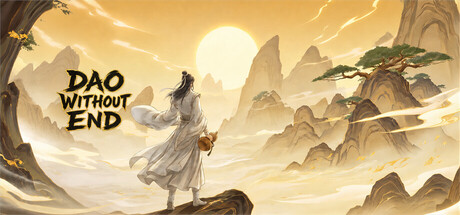 无尽仙路Dao Without End In-game content arttext | Generative AI was used during development to assist in creating some 2D art assets, including scene backgrounds, character and monster artwork, UI elements, and icons for items, equipment, skills, and status effects. Generative AI was also used to assist in drafting some in-game text. All AI-assisted content was selected, edited, post-processed, and integrated by the developer. The game does not use generative AI at runtime and does not generate content in real time in response to player input. | Dreamin Studio | - | Sep 3, 2026 | |
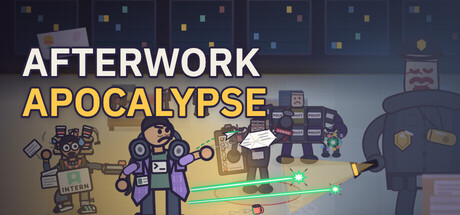 Afterwork Apocalypse In-game content art | The game does not generate any content with AI at runtime. Some illustrations and some in-game artwork were pre-generated using generative AI image tools, then curated, edited and integrated by our team. All game design, code, writing and final art direction are human-made. | Main Thread Games | - | Sep 3, 2026 | |
 Lost Budapest In-game content artaudio | Resolution upscaling, fictive product ads, some of the voiceovers | Lost Budapest | - | Sep 3, 2026 | |
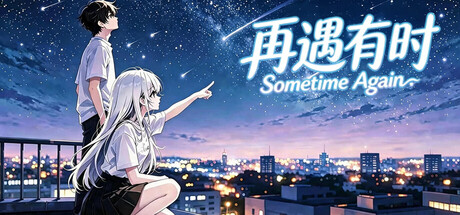 Sometime Again In-game content artaudio | "Some art assets, music, and sound effects in this game were created with the assistance of generative AI." | 因遇制作组 | - | Sep 3, 2026 | |
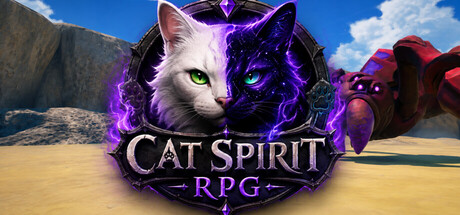 Cat Spirit RPG In-game content art | Cat Spirit RPG uses generative AI tools during development to assist with the creation and iteration of some pre-generated visual assets and promotional artwork. All AI-assisted content is reviewed, edited, and refined by the development team to ensure it meets the game's established quality standards and creative direction before being included in the game or its marketing materials.
The game does not generate AI content during gameplay. | Shadow Sight Studios LLC | - | Sep 3, 2026 | |
 The Burrow Takes Heaven In-game content artaudio | This game includes some pre-generated AI-assisted visual and audio content. It does not use live AI generation at runtime | Group Link: https://steamcommunity.com/groups/beardoandsonogames | - | Sep 3, 2026 | |
 Pocket Pawns In-game content artaudiotext | Pocket Pawns was made with the help of generative AI, and the game's own credits name every tool used.
Images and music: the chess piece art was generated with ChatGPT, the board art with Gemini, and the world and environment art from assets created with Nano Banana Pro alongside free-to-use CC0 packs found online. The soundtrack is from Suno.
Claude wrote the game's code, its writing, and its translations into ten languages — and made much of what you see and hear directly in code rather than from an image generator: the character pixel art, the in-world props and interface, the three-dimensional rooms, the animation, and the sound effects.
The chess itself is not generated. The puzzles come from the Lichess puzzle database, released under CC0, and your opponent is Stockfish, a classical open-source chess engine. Real positions, a real engine.
Nothing is generated while you play. Pocket Pawns creates no content at runtime and never connects to an AI service. It does not need an internet connection to play. | Pocket Pawn Games | - | Sep 3, 2026 | |
 Liquidity In-game content arttext | Some of the artwork and text content in this game was created with the help of generative AI. | Kitchen Table Studios | - | Sep 3, 2026 | |
 Price War In-game content text | Use of tools like DeepL to partially translate the user interface. | SoyWar | - | Sep 3, 2026 | |
 The Old Forge In-game content artaudio | AI helps me create textures or sounds. | ToF Studio | - | Sep 3, 2026 | |
 Crie au loup In-game content arttextcode | Crie au loup is made with AI, from the first prototype to the illustrations. That is not a manufacturing detail: it is as much the project as the game itself.
My role is not a craftsman's: I painted no card, and I did not write the code line by line. I designed the system, I direct it, I arbitrate and I verify. Deciding what makes it into the game, what gets redone, what gets cut: that is production work, and it is mine.
What is generated: the creature and location artwork, the interface, a large share of the code and the writing. What is measured rather than assumed: card balance, computed over thousands of simulated matches before every update. What is verified: the historical sources behind every legend, published one by one on the official site, where you can open them and prove me wrong.
What is never generated is your match. No image, no text and no game decision comes out of a model while you play: the engine is deterministic, and the solo opponent is a classic program applying the rules.
Crie au loup is one of the projects I run around generative AI, and the only one you can play. The making-of is documented without varnish in the devlog on the official site. | NXUS | - | Sep 3, 2026 | |
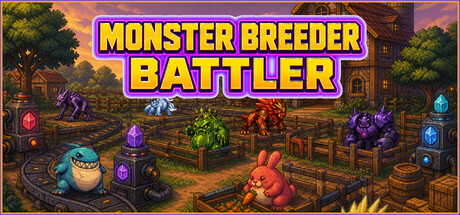 Monster Breeder Battler In-game content art | Some of this game's 2D art assets — creature, machine, prop and building sprites — were produced with the assistance of generative AI image tools during development. All generated material was reviewed, edited and hand-finished by our artists before it shipped, and it is integrated as fixed, pre-rendered art. The game does not generate any content live while you play. | ioStudios | - | Sep 3, 2026 | |
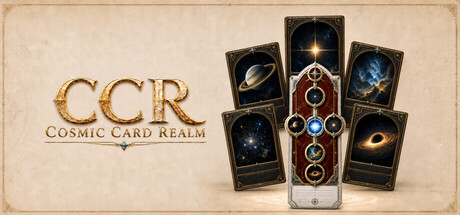 CCR - Cosmic Card Realm In-game content artaudiotextcode | The game's art assets were created with the assistance of AI tools, including ChatGPT and Tencent Hunyuan. The game's music and sound effects were generated using Suno. Localized text for languages other than Chinese was translated with the assistance of ChatGPT. AI-assisted programming tools, including ChatGPT, were also used during the game's development. | Nan | - | Sep 3, 2026 | |
 Hostile Boards In-game content art | Hostile Boards uses AI-generated content minimally, primarily for image creation and touch-ups in some of our visual assets. All AI-generated images are based on original designs and concepts created by our team. No live AI content generation or dynamic AI use occurs during gameplay | ChessFinity | - | Sep 3, 2026 | |
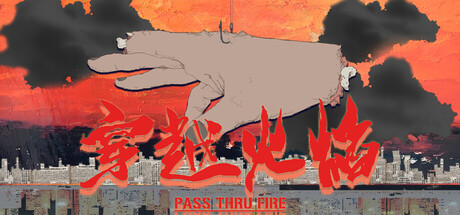 穿越火焰 Pass Thru Fire In-game content audioart | Some of the game's background music was created using generative AI, and a very small portion of the visuals underwent refinement or fine-tuning using generative AI. | 方郎 | - | Sep 3, 2026 | |
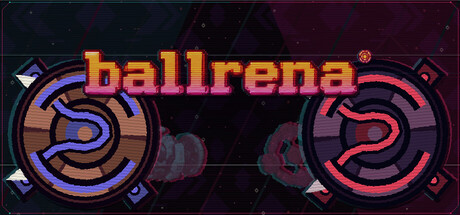 BALLRENA In-game content art | Generative AI was used during development to assist with portions of pre-generated in-game artwork and Steam store/marketing artwork. All outputs were reviewed, cleaned, composited, color-adjusted, and quality-checked by the development team. The game does not generate AI content at runtime. | vampireblackcat | - | Sep 3, 2026 | |
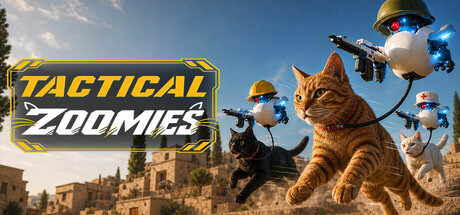 Tactical Zoomies In-game content arttext | This game uses generative AI for some visual content, including icons, logos, game art, Steam store page art, and website marketing images. Some store and website descriptions were written with AI assistance. Store, website, and marketing art is made to match the actual in-game look and design. | HyberHub | - | Sep 3, 2026 | |
 Honest Work In-game content artaudio | Some 3D models and sounds were made with AI tools. | Coldframe Studios | - | Sep 3, 2026 | |
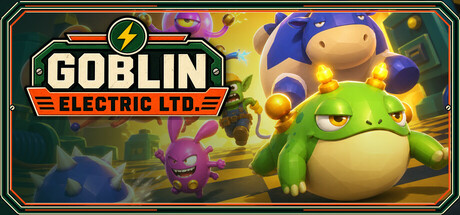 GOBLIN ELECTRIC LTD. In-game content art | Some character artwork was developed from AI-assisted concept images, then
rebuilt and refined by the developer through 3D modelling and a deterministic
No generative AI is used while the game is running. | SIU FAI CHUI | - | Sep 3, 2026 | |
 Drawforge In-game content art | OpenAI ImageGen was used during development to generate and edit some pre-generated 2D pixel-art visual assets, including UI elements, icons, backgrounds, environment artwork, and character or animation source frames. All outputs were reviewed, selected, manually edited, cleaned up, resized, palette-normalized, and integrated by the developer as fixed game assets. The game does not use generative AI at runtime and does not generate live AI content. | Drawforge | - | Sep 3, 2026 | |
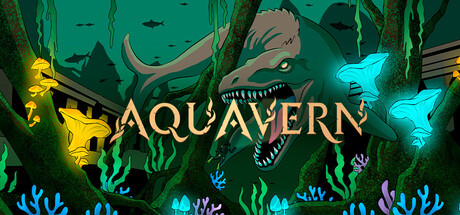 Aquavern In-game content art | A small number of static meshes in this demo were generated using AI tools. This AI-generated content is temporary and will be fully replaced with original, non-AI assets in future updates. By the time the full game is released, it will contain no AI-generated content. | Cainedev11 | - | Sep 3, 2026 | |
 WATT FUR? Animal Power Plant In-game content audiotext | This game uses AI for background music generation and localization. | Mimosa Works | - | Sep 3, 2026 | |
 Zaman In-game content art | As part of our early access work, we have used AI-generated images as placeholders for the illustrations on our cards and leader icons. This allows us to iterate quickly and see which game mechanics players like or dislike. We will replace these with human art once we've received enough feedback to finalize what we keep or discard. | Naleka Studio | - | Sep 3, 2026 | |
 Warrior Extraction In-game content art | Spring Tales uses generative AI in the following way:
Some of the game's 2D pixel-art assets — including certain characters, enemies, equipment and item icons, environment tiles, and user-interface elements — were created with the help of an AI-assisted art generation tool. Every AI-assisted asset was reviewed, edited, curated, and integrated by the developer to match the game's art style and quality standards.
No generative AI runs live during gameplay. The game does not generate any content in real time while you play — all art, text, and content shipped in the game is fixed and was produced during development. | Spring Tales | - | Sep 3, 2026 | |
 Starfall Samurai In-game content audiotext | This game uses generative AI to assist with multilingual translation and to create some of its in-game music. All related content was generated in advance during development and reviewed and edited by the development team. | YANCHA GAMES | - | Sep 3, 2026 | |
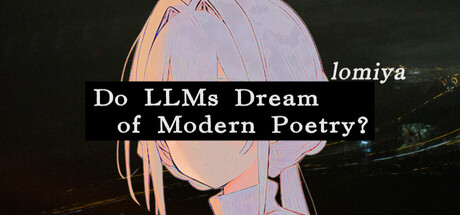 Lomiya: Do LLMs Dream of Modern Poetry? In-game content art | AI tools were used to assist in creating character sprites during development, followed by manual retouching and adjustments. The game does not generate real-time AI content during gameplay. | Terminal Poetry | - | Sep 3, 2026 | |
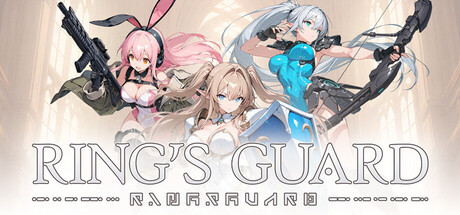 Ring's Guard In-game content arttext | Generative AI is used to assist in the creation of character illustrations, icons, backgrounds, and other 2D artwork. All AI-generated assets are reviewed, edited, and refined by the developer to ensure they fit the game's content and quality standards.
Text in languages other than Japanese is translated using generative AI, then reviewed by the developer before being included in the game. | Tomat | - | Sep 3, 2026 | |
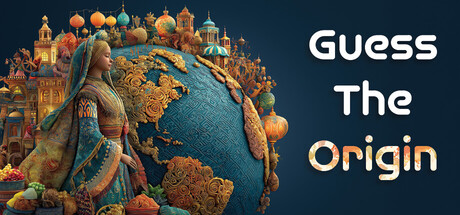 Guess the Origin In-game content art | Some in-game images, depicting traditional dress, festivals, food, and cultural artifacts, were created using an AI image generation pipeline (Google Gemini through an automated workflow). Every generated image was reviewed, curated, and approved by the developer before it was added to the game. No AI content is generated live during gameplay. | Karam Ghazzi | - | Sep 3, 2026 | |
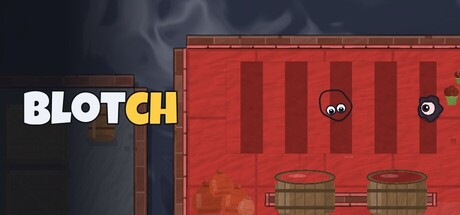 Blotch In-game content textcode | I used AI for localization and during performance testing for handheld support, coding agents were used to help identify ways to optimize the game | Nathan Glover | - | Sep 3, 2026 | |
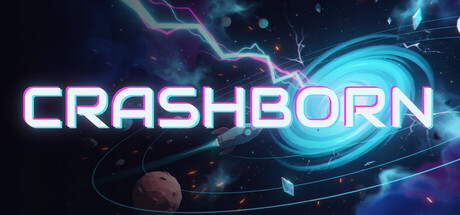 Crashborn In-game content artaudio | Some of Crashborn's art, audio and base 3D models were created with generative AI tools and edited by hand. They are placeholders being replaced with work from dedicated artists ahead of the 1.0 release. The game does not generate content at runtime. | Rukium Labs | - | Sep 3, 2026 | |
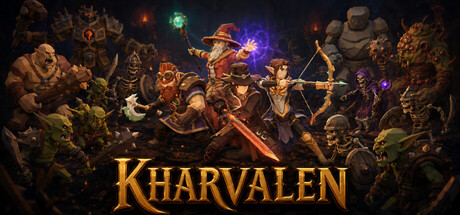 Kharvalen In-game content art | Artificial intelligence has been used solely to generate certain 2D icons used in the game's menus, such as icons for weapon upgrades, artifacts, and similar elements.
AI has not been used under any circumstances to generate 3D models, user interfaces, in-game menus, weapons, enemies, environments, animations, VFX, or any other playable content or assets.
The use of AI is strictly limited to specific 2D icons of a visual and informational nature within the interface. | Lisarde | - | Sep 3, 2026 | |
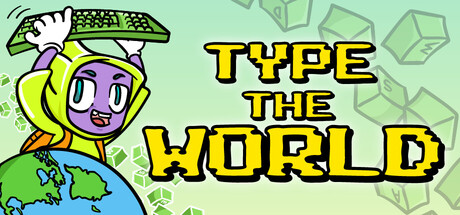 Type the World In-game content codetext | AI tools have been used in game programming and localization. All audiovisual assets by human artists. | Groundpoint Games | - | Sep 3, 2026 | |
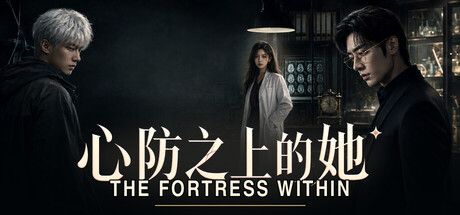 心防之上的她 In-game content art | This game uses pre-generated AI-assisted artwork for characters, scene backgrounds, and store promotional assets. All AI-generated content was created before release. No content is generated by AI during gameplay, and the game does not connect to external AI services. | 温州金酷网络科技有限公司 | - | Sep 3, 2026 | |
 Do you remember? In-game content artaudio | Some images and music were made with the help of AI. | Voider Games | - | Sep 3, 2026 | |
 Where Are My Cats? In-game content art | Generative AI tools were used during the development and preparation of the game and its visual materials.
The game logo used in the main menu and pause panel was created with the assistance of AI.
AI assistance was used during the coding and development process when needed.
The logo animations shown at the beginning of the games were created with AI assistance.
Visual materials prepared for the Steam store page, excluding the in-game visuals, were created with AI assistance.
AI was used specifically for the intro logo animation.
For Steam visuals, suitable designs were selected from AI-generated concepts and then enhanced and upscaled using image enhancement tools. | Ozy Cozy Games | - | Sep 3, 2026 | |
 Retro Club Manager In-game content art | Background graphics have been generated with AI. This might change during Early Access, as the goal is to replace all AI artwork by artwork made by real artists. | Victus Fatis | - | Sep 3, 2026 | |
 DashBreaker In-game content artaudiotext | Generative AI tools were used extensively during the development of DashBreaker. They assisted with programming, selected sound effects and visual materials, player-facing text and localization, and Steam store and marketing materials. All AI-assisted output was reviewed, edited, tested, and integrated by the developer. No content or code is generated by AI during gameplay, and the game does not connect to external AI services while running. | sagelab | - | Sep 3, 2026 | |
 Mayor: City in Session In-game content art | Some images have been generated by AI. This include the in-game background as well as the Logo and other visual assets on the steam store associated with this game. | HeavyRescue112 | - | Sep 3, 2026 | |
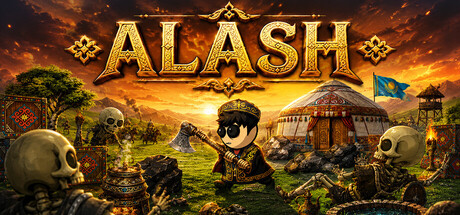 ALASH In-game content art | In ALASH, we utilized generative AI as a supplementary tool to assist in creating 2D art assets. Specifically, AI networks were used to help develop certain environment elements, textures, and background images to enhance the unique visual style of our alternate history setting. Please note that all game design, core mechanics, storyline, tower defense logic, and programming code were created entirely by hand by our development team. AI was used solely to support our artistic vision, ensuring that the integrity and soul of the gameplay remain entirely human-made. | YERKEBULAN TOKTARKHAN | - | Sep 3, 2026 | |
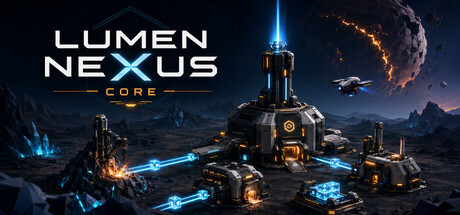 Lumen Nexus: Core In-game content art | Generative AI tools were used to support the creation and iteration of some visual assets and development-related content. All final assets are reviewed, edited, and selected by the developer before being included in the game or promotional materials. The game does not generate AI content live during gameplay. | ToddLN | - | Sep 3, 2026 | |
 Vectorfall In-game content text | As a solo developer, AI has been used as a tool to get the game where it is today. Primary used as a tool to help with areas of development and certain text generations.
No art or music was generated by AI. 95% of the artwork in the game is procedurally generated by code, while the rest is hand done by me. The music was also created by me specifically for the game.
AI was used in places like name and description generations for items in the game as well as some text areas within the tutorial coach text to help guide players through the initial stages of the game. | Nubgamerz | - | Sep 3, 2026 |


