Public Steam disclosure research25,695 disclosures tracked
Where do games disclose AI use?
Search developers’ Steam disclosures, compare classified AI use across
games, and follow recorded changes.
This index adds cross-game classifications and statistics to
statements published on individual store pages.
Groups reflect automatic analysis of public disclosures; mature records are excluded. These counts do not measure AI use across all of Steam.
Missing or unclear statements cannot establish whether a game uses AI.
Regarding the use of AI, the game scenes images, character designs, and animations of monsters were generated using AI.
We will replace these with manually created resources in the official version later
Generative AI tools were used exclusively during the development process for brainstorming ideas and coding assistance. All in-game assets—including art, animation, audio, and narrative—were entirely created by our human team.
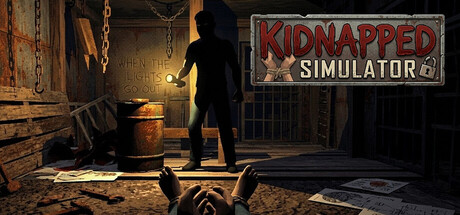
This game uses a custom-built local AI language model running entirely on the player's machine via the proprietary GROLAF3D ENGINE. The AI generates all dialogue, actions, and narrative responses from the kidnapper character in real time during gameplay. No internet connection is required and no player input is transmitted to external servers. The AI also powers an optional voice synthesis system for spoken responses. All AI-generated content is produced live based on player input and is unique to each session.
AI tools were used only during development for tasks such as code assistance and partial media creation (e.g., some music elements).
No AI systems run in the game itself, and AI does not affect gameplay or player experience
This game uses AI-generated imagery for store page assets and marketing materials. Including, capsule art and banner images. AI-generated music was used in the trailer and promotional materials. All in-game content is crated by developer.
This game uses AI-assisted tools during development for certain visual and technical elements. All generated content has been manually reviewed, refined, and integrated to ensure a cohesive artistic direction and high-quality player experience.
Of course, we used some artificial intelligence technologies to speed up our business processes and produce higher quality and better-performing games. We used Claude for code development, ChatGPT for visual production, created the game's cover art with ChatGPT, and wrote the game's overall code architecture with the help of Claude. These AIs significantly sped up our work, but absolutely do not think: "the developers produced this game without any hassle, using only a single prompt." This thought is completely wrong. What actually happened was that we gave these AIs some of the tasks we would have done ourselves, and they did them in stages to speed up the process. Even with this setup, it still took 6 months to finish the game.
Certain visual assets, including the game’s logo and box art, were created with the assistance of AI tools and may have been further refined or edited by the developer
Generative AI was used to assist in the creation of visual assets, such as textures and UI backgrounds. Additionally, in-game text was refined and localized with the help of AI to ensure grammatical accuracy and a natural flow in English
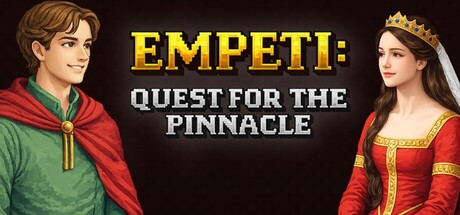
Empetiti: Quest for the Pinnacle uses generative AI as part of the production pipeline for selected images and voice-over/audio assets appearing in the game and some promotional materials. These assets are reviewed and refined by the development team before being published. The game does not use live-generated AI during gameplay.
THE GAME IS CONSTANTLY BEING REWORKED TO FURTHER MINIMISE THE USE OF AI-GENERATED IMAGES AND VOICES.
We use AI to improve our work in all spheres of the game. We generate images where appropriate and enhance them where it makes the game better. AI helps us with animations and in-between frames in cutscenes, and also assists in writing music
All visual assets within this game—including scenes, characters, and interface-related visuals—were created using the Doubao generative AI tool and constitute AI-generated visual content. The developer carefully curated, refined, and optimized these AI-generated assets to ensure they align seamlessly with the game's overall artistic style and gameplay requirements. Conversely, the game's core gameplay design, programming, logical architecture, sound effect selection, and store listing copy were developed entirely by the developer independently, without the use of generative AI tools. We hereby provide this full and honest disclosure to our players to ensure complete content transparency.
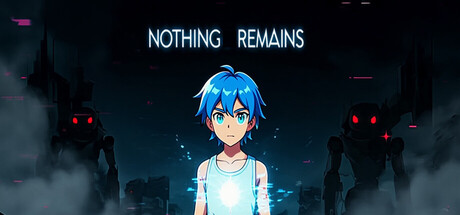
Some store and promotional artwork for Nothing Remains has been created or enhanced using AI-assisted tools. All gameplay systems, mechanics, and in-game content are fully original and developed without the use of generative AI.
This game uses generative AI to create various pre-rendered 2D visual assets, such as user interface elements, backgrounds, and item icons. Some pre-rendered audio and sound effects were also generated using AI tools. There is no live-generation of AI content while playing the game.
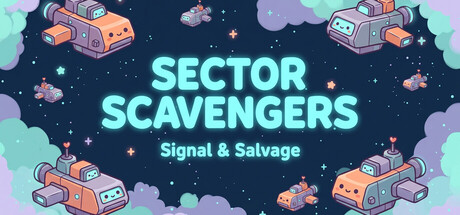
Sector Scavengers was built almost 100% using AI agents and tools. Makko.ai created the game art, animations, and game code/logic, and the trailers were made with a combination of Grok and 11 Labs.
This game uses AI-generated audio for select in-game dialogue, designed to achieve a synthetic, machine-like sound aesthetic. Certain in-game artwork, including hint posters and environmental paintings, was also created with AI generation tools.
AI was used during development to assist with brainstorming and iteration, while all final rooms, puzzles, and gameplay mechanics were designed by the developer.
Generative AI was sporadically used to create initial references and placeholder assets, which have been or will be replaced with hand-crafted content during production.
Some visual and textual elements of this game were initially created using generative artificial intelligence tools as part of the development process. All content has subsequently been reviewed, edited, and manually refined by the team to ensure its quality, consistency, and suitability for the final game experience.
AI-powered image generation tools were used to create the game's visual elements, including character and environment images. AI tools were also used to support translations into multiple languages.
A small number of visual elements in this game have been created using generative artificial intelligence. These AI-generated images are limited to a few specific artworks, while the vast majority of visuals, as well as all gameplay, story, and mechanics, are crafted by professional artists and staff.
This game includes some AI-generated visual assets, such as certain in-game images and store page artwork like the logo are ai. These assets are used for visual design purposes and do not impact gameplay or player interaction.
This game was made using tools like Photoshop, Chat GPT and Grok. As a solo developer it is useful to have these tools available to create games like this one.
This game uses generative artificial intelligence as part of its development process. AI tools were used to assist in creating early concept art, drafting dialogue, generating ideas during brainstorming, producing some 3D assets, and supporting debugging and problem-solving during development.
All AI-assisted content and outputs were reviewed, edited, and refined by our development team. Final assets, writing, and implementation were curated to ensure consistency, quality, and alignment with the game’s vision.
AI is not used to generate content dynamically during gameplay; all in-game content is pre-created and finalized by the developers.
We are committed to using these tools responsibly and transparently, with strong human oversight across all aspects of the game.
This game uses generative AI during development to assist in creating some user interface (UI) icons. All AI-generated content has been reviewed, edited, and integrated by the development team. Generative AI is not used in gameplay or during the runtime of the game.
Regarding the use of AI, the game scenes images, character designs, and animations of monsters were generated using AI.
We will replace these with manually created resources in the official version later
Generative AI tools were used exclusively during the development process for brainstorming ideas and coding assistance. All in-game assets—including art, animation, audio, and narrative—were entirely created by our human team.
This game uses a custom-built local AI language model running entirely on the player's machine via the proprietary GROLAF3D ENGINE. The AI generates all dialogue, actions, and narrative responses from the kidnapper character in real time during gameplay. No internet connection is required and no player input is transmitted to external servers. The AI also powers an optional voice synthesis system for spoken responses. All AI-generated content is produced live based on player input and is unique to each session.
AI tools were used only during development for tasks such as code assistance and partial media creation (e.g., some music elements).
No AI systems run in the game itself, and AI does not affect gameplay or player experience
This game uses AI-generated imagery for store page assets and marketing materials. Including, capsule art and banner images. AI-generated music was used in the trailer and promotional materials. All in-game content is crated by developer.
This game uses AI-assisted tools during development for certain visual and technical elements. All generated content has been manually reviewed, refined, and integrated to ensure a cohesive artistic direction and high-quality player experience.
Of course, we used some artificial intelligence technologies to speed up our business processes and produce higher quality and better-performing games. We used Claude for code development, ChatGPT for visual production, created the game's cover art with ChatGPT, and wrote the game's overall code architecture with the help of Claude. These AIs significantly sped up our work, but absolutely do not think: "the developers produced this game without any hassle, using only a single prompt." This thought is completely wrong. What actually happened was that we gave these AIs some of the tasks we would have done ourselves, and they did them in stages to speed up the process. Even with this setup, it still took 6 months to finish the game.
Certain visual assets, including the game’s logo and box art, were created with the assistance of AI tools and may have been further refined or edited by the developer
Generative AI was used to assist in the creation of visual assets, such as textures and UI backgrounds. Additionally, in-game text was refined and localized with the help of AI to ensure grammatical accuracy and a natural flow in English
Empetiti: Quest for the Pinnacle uses generative AI as part of the production pipeline for selected images and voice-over/audio assets appearing in the game and some promotional materials. These assets are reviewed and refined by the development team before being published. The game does not use live-generated AI during gameplay.
THE GAME IS CONSTANTLY BEING REWORKED TO FURTHER MINIMISE THE USE OF AI-GENERATED IMAGES AND VOICES.
We use AI to improve our work in all spheres of the game. We generate images where appropriate and enhance them where it makes the game better. AI helps us with animations and in-between frames in cutscenes, and also assists in writing music
All visual assets within this game—including scenes, characters, and interface-related visuals—were created using the Doubao generative AI tool and constitute AI-generated visual content. The developer carefully curated, refined, and optimized these AI-generated assets to ensure they align seamlessly with the game's overall artistic style and gameplay requirements. Conversely, the game's core gameplay design, programming, logical architecture, sound effect selection, and store listing copy were developed entirely by the developer independently, without the use of generative AI tools. We hereby provide this full and honest disclosure to our players to ensure complete content transparency.
Some store and promotional artwork for Nothing Remains has been created or enhanced using AI-assisted tools. All gameplay systems, mechanics, and in-game content are fully original and developed without the use of generative AI.
This game uses generative AI to create various pre-rendered 2D visual assets, such as user interface elements, backgrounds, and item icons. Some pre-rendered audio and sound effects were also generated using AI tools. There is no live-generation of AI content while playing the game.
Sector Scavengers was built almost 100% using AI agents and tools. Makko.ai created the game art, animations, and game code/logic, and the trailers were made with a combination of Grok and 11 Labs.
This game uses AI-generated audio for select in-game dialogue, designed to achieve a synthetic, machine-like sound aesthetic. Certain in-game artwork, including hint posters and environmental paintings, was also created with AI generation tools.
AI was used during development to assist with brainstorming and iteration, while all final rooms, puzzles, and gameplay mechanics were designed by the developer.
Generative AI was sporadically used to create initial references and placeholder assets, which have been or will be replaced with hand-crafted content during production.
Some visual and textual elements of this game were initially created using generative artificial intelligence tools as part of the development process. All content has subsequently been reviewed, edited, and manually refined by the team to ensure its quality, consistency, and suitability for the final game experience.
AI-powered image generation tools were used to create the game's visual elements, including character and environment images. AI tools were also used to support translations into multiple languages.
A small number of visual elements in this game have been created using generative artificial intelligence. These AI-generated images are limited to a few specific artworks, while the vast majority of visuals, as well as all gameplay, story, and mechanics, are crafted by professional artists and staff.
This game includes some AI-generated visual assets, such as certain in-game images and store page artwork like the logo are ai. These assets are used for visual design purposes and do not impact gameplay or player interaction.
This game was made using tools like Photoshop, Chat GPT and Grok. As a solo developer it is useful to have these tools available to create games like this one.
This game uses generative artificial intelligence as part of its development process. AI tools were used to assist in creating early concept art, drafting dialogue, generating ideas during brainstorming, producing some 3D assets, and supporting debugging and problem-solving during development.
All AI-assisted content and outputs were reviewed, edited, and refined by our development team. Final assets, writing, and implementation were curated to ensure consistency, quality, and alignment with the game’s vision.
AI is not used to generate content dynamically during gameplay; all in-game content is pre-created and finalized by the developers.
We are committed to using these tools responsibly and transparently, with strong human oversight across all aspects of the game.
This game uses generative AI during development to assist in creating some user interface (UI) icons. All AI-generated content has been reviewed, edited, and integrated by the development team. Generative AI is not used in gameplay or during the runtime of the game.