Public Steam disclosure research25,380 disclosures tracked
Where do games disclose AI use?
Search developers’ Steam disclosures, compare classified AI use across
games, and follow recorded changes.
This index adds cross-game classifications and statistics to
statements published on individual store pages.
Groups reflect automatic analysis of public disclosures; mature records are excluded. These counts do not measure AI use across all of Steam.
Missing or unclear statements cannot establish whether a game uses AI.
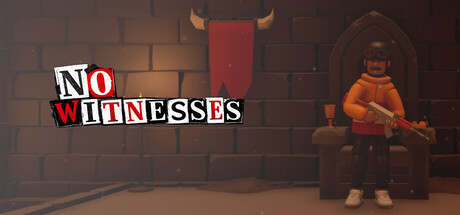
No Witnesses is developed by a two-man team, therefore generative AI has been used to assist in the creation of marketing assets and other player facing interfaces. All generated content is reviewed and perfected by a human before use.No Witnesses utilises third-party assets, of which we cannot attest to the creation of.
Generative AI tools were used to assist in the creation of selected promotional and store artwork. During gameplay, players can also optionally use generative AI to create custom word sets and hints.
Pre-generated AI: GPT Image 2 was used during development to create 2D paper-cut-style images included in the app, including weather phenomena, collectible visitors, ecosystem entities, Steam achievement icons, and key art for Steam store capsules and library assets. The developer selected and edited these images, including cropping, background removal, color and alpha cleanup, and export. The app does not use generative AI at runtime.
AI tools were used to assist with pre-created text content: the localization of the game's UI text into 8 languages (reviewed by the developer) and the store page texts. All artwork, 3D models, animations and audio are human-made licensed assets; no AI-generated imagery or audio ships with the game. The game does not generate any AI content at runtime.
Generative AI was used during development to create certain music, assist with localization, and produce some icon assets. All AI-generated content included in the final game was reviewed, edited, and approved by the development team before release.
Some artwork used in this game was created with the assistance of generative AI. All AI-assisted graphics were further edited, refined, and finalized by the developer before being included in the final game.
During the development of this game, some codes, texture materials and background music were produced with the help of AI, and all related contents were reviewed and adjusted by the developers.
2D artwork for this game and its Steam store page — including the logo, store capsules, key art, and in-game textures — was created using generative AI image tools, generated ahead of time during development. The 3D models are stock/CC0 assets and the dust-bunny character is procedural/code-generated. Screenshots are captures of actual gameplay. No generative AI runs at runtime. All AI-generated images were reviewed to ensure they do not reproduce third-party intellectual property.
Some 2D art assets (e.g. icons, store capsules, background art) were created with the help of generative AI image tools and then curated and edited by the developer. No AI-generated content is produced live during gameplay.
Some static art candidate assets were assisted by generative AI tools during development. Any such assets included in the game are manually reviewed, selected, edited, cleaned, style-matched, and checked before being shipped as fixed static game assets. The game does not use generative AI at runtime and does not generate text, images, audio, video, or other content in response to player input while the game is running.
Claude Code was used to scaffold most of the Rust code for this game, and the art assets were built from prompting latent diffusion models with human hand drawn sketches and text prompts.
We leverage AI to generate in-game image assets and use Suno AI to create the game’s background music. All AI-generated visual and audio materials have been manually reviewed and edited to ensure compliance with content standards.
This game uses pre-generated generative AI content to assist with select 2D artwork, UI elements, and/or marketing materials. This content was reviewed and, where necessary, edited by the developer. No content is generated live by AI during gameplay.
Generative AI tools were used to assist in the creation of certain visual assets during development. All final in-game content was created and reviewed by professional artists.
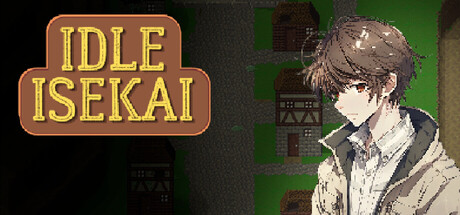
I am currently a solo developer working hard to bring this project to life. To keep development moving during the early stages, you will notice some placeholder character portraits and backgrounds that were AI-assisted.
My goal and commitment is to replace every piece of AI-generated content with custom-made, hand-crafted pixel art by the time of the official 1.0 release. All current monster designs, battle maps, and GUI elements are already original pixel artwork. I appreciate your patience as I work to ensure the final version of the game fully reflects my personal artistic vision!
This game and its store page may include pre-generated AI-assisted content, such as visual assets, store artwork, marketing images, text drafts and localization support. All AI-assisted content is reviewed, selected and edited manually before inclusion.
The game does not use live-generated AI during gameplay.
AI Content Disclosure
During development, this game used generative AI tools to create some of its content:
Music: The background music was created using the AI music-generation tool Suno.
Code: Some of the code was written with the assistance of AI tools.
Images: Some of the artwork and icons were created using AI image-generation tools.
All AI-generated content was selected, adjusted, and integrated into the game by the developer, and was pre-generated (completed during development). No AI content is generated in real time while the game is running.
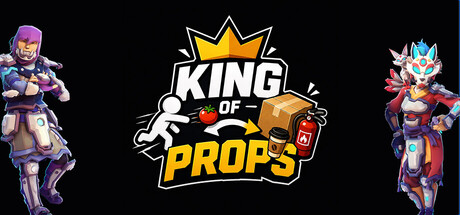
In King of Props, generative AI is used exclusively for text-based content: An AI assistant helped translate the in-game texts and menus into the supported languages (German, English, French, Spanish, Italian, Japanese) and assisted with drafts for shop pages and marketing texts. I reviewed and revised all results. Visual assets come from licensed asset packs and are not generated by AI; no AI runs during gameplay.
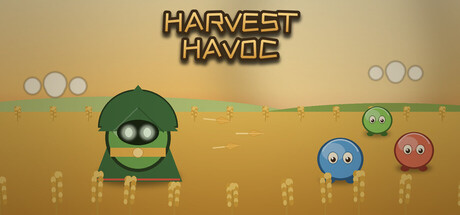
Some non-interactive assets in Harvest Havoc were produced with AI-assisted tools:
- Background music tracks were generated via AI music synthesis models, then curated and mixed by the developer.
- Sound effects were produced with AI-assisted audio generation tools.
- English and Japanese in-game text was drafted with AI translation assistance and then reviewed by the developer.
All gameplay code, level design, sprite art, and character animations were created by the developer without AI generation. No AI content is generated at runtime.
This game uses AI-assisted tools for the creation of some content. Certain artwork, voice lines, and sound effects are generated or assisted using third-party AI services, including ElevenLabs. All AI-assisted content is reviewed and integrated during development to ensure it fits the game’s style and overall experience.
Generative AI was used to create promotional video content for the game's marketing materials (specifically, a cinematic trailer generated with Kling AI). The game's core assets, gameplay, artwork, and audio were created by the development team. No AI-generated content is included in the in-game experience itself.
Marketing key art (Steam store capsules, library art, page background) and the comic-book intro trailer were generated using Fal.ai's Flux 2 image diffusion model. Initial concept sketches and in-game sprite references were generated using ChatGPT's image generation, then hand-cleaned and integrated by the developer. All assets are pre-rendered at build time and shipped as static files within the game package - no generative AI runs during gameplay, and no AI is used to generate live content for players. AI was not used for code, voice acting, music, or any system that interacts with the player at runtime.
Generative AI was used as a development assistance tool for this game.
It was used to support coding, development tools for difficulty adjustment, concept and idea generation, research, localization, advice, bug detection, image creation, texture generation, and mesh generation.
I have updated the AI Content Survey to better reflect the content used in the game.
Some background images were created with the assistance of generative AI. A small number of player card artworks were also created using generative AI, but the majority of the cards were created without AI-generated artwork. Additionally, some promotional/store images contain AI-generated elements, while many others do not.
The AI-generated content is limited to certain visual assets and does not affect gameplay or game logic.
The coding, general game mechanics, story and brancing paths are all human designed. The art and audio content of this game is strategically and intentionally produced by AI generation.
This game makes extensive use of generative AI for nearly all player-facing content.
All assets, textures, shaders, fonts, some animations, sound effects, and music are fully generated using AI tools and then integrated and refined within the game. As a core rule of the project, everything the player sees and hears has to be AI-generated.
Game design, mechanics, level design, and technical implementation are created and controlled by the developer. AI is used as a content creation tool and does not dynamically generate gameplay content or influence player experience in real time.
No personal player data is processed by AI systems during gameplay.
AI tools are used only as internal support during the development process, such as checking dialogue for typos, missing words, and the correctness of text-effect tags, as well as providing programming support.
Some visual assets and artwork used in this game were created or assisted with generative AI tools. All generated content was reviewed, edited, and integrated into the game by the developer.
This game contains content created with the assistance of generative AI during development.
Generative AI tools were used to help create and iterate on parts of the game code, music, artwork, images, and multilingual translations. All AI-assisted content was reviewed, edited, selected, and integrated by the developer.
The game does not use generative AI to create content during gameplay.
No Witnesses is developed by a two-man team, therefore generative AI has been used to assist in the creation of marketing assets and other player facing interfaces. All generated content is reviewed and perfected by a human before use.No Witnesses utilises third-party assets, of which we cannot attest to the creation of.
Generative AI tools were used to assist in the creation of selected promotional and store artwork. During gameplay, players can also optionally use generative AI to create custom word sets and hints.
Pre-generated AI: GPT Image 2 was used during development to create 2D paper-cut-style images included in the app, including weather phenomena, collectible visitors, ecosystem entities, Steam achievement icons, and key art for Steam store capsules and library assets. The developer selected and edited these images, including cropping, background removal, color and alpha cleanup, and export. The app does not use generative AI at runtime.
AI tools were used to assist with pre-created text content: the localization of the game's UI text into 8 languages (reviewed by the developer) and the store page texts. All artwork, 3D models, animations and audio are human-made licensed assets; no AI-generated imagery or audio ships with the game. The game does not generate any AI content at runtime.
Generative AI was used during development to create certain music, assist with localization, and produce some icon assets. All AI-generated content included in the final game was reviewed, edited, and approved by the development team before release.
Some artwork used in this game was created with the assistance of generative AI. All AI-assisted graphics were further edited, refined, and finalized by the developer before being included in the final game.
During the development of this game, some codes, texture materials and background music were produced with the help of AI, and all related contents were reviewed and adjusted by the developers.
2D artwork for this game and its Steam store page — including the logo, store capsules, key art, and in-game textures — was created using generative AI image tools, generated ahead of time during development. The 3D models are stock/CC0 assets and the dust-bunny character is procedural/code-generated. Screenshots are captures of actual gameplay. No generative AI runs at runtime. All AI-generated images were reviewed to ensure they do not reproduce third-party intellectual property.
Some 2D art assets (e.g. icons, store capsules, background art) were created with the help of generative AI image tools and then curated and edited by the developer. No AI-generated content is produced live during gameplay.
Some static art candidate assets were assisted by generative AI tools during development. Any such assets included in the game are manually reviewed, selected, edited, cleaned, style-matched, and checked before being shipped as fixed static game assets. The game does not use generative AI at runtime and does not generate text, images, audio, video, or other content in response to player input while the game is running.
Claude Code was used to scaffold most of the Rust code for this game, and the art assets were built from prompting latent diffusion models with human hand drawn sketches and text prompts.
We leverage AI to generate in-game image assets and use Suno AI to create the game’s background music. All AI-generated visual and audio materials have been manually reviewed and edited to ensure compliance with content standards.
This game uses pre-generated generative AI content to assist with select 2D artwork, UI elements, and/or marketing materials. This content was reviewed and, where necessary, edited by the developer. No content is generated live by AI during gameplay.
Generative AI tools were used to assist in the creation of certain visual assets during development. All final in-game content was created and reviewed by professional artists.
I am currently a solo developer working hard to bring this project to life. To keep development moving during the early stages, you will notice some placeholder character portraits and backgrounds that were AI-assisted.
My goal and commitment is to replace every piece of AI-generated content with custom-made, hand-crafted pixel art by the time of the official 1.0 release. All current monster designs, battle maps, and GUI elements are already original pixel artwork. I appreciate your patience as I work to ensure the final version of the game fully reflects my personal artistic vision!
This game and its store page may include pre-generated AI-assisted content, such as visual assets, store artwork, marketing images, text drafts and localization support. All AI-assisted content is reviewed, selected and edited manually before inclusion.
The game does not use live-generated AI during gameplay.
AI Content Disclosure
During development, this game used generative AI tools to create some of its content:
Music: The background music was created using the AI music-generation tool Suno.
Code: Some of the code was written with the assistance of AI tools.
Images: Some of the artwork and icons were created using AI image-generation tools.
All AI-generated content was selected, adjusted, and integrated into the game by the developer, and was pre-generated (completed during development). No AI content is generated in real time while the game is running.
In King of Props, generative AI is used exclusively for text-based content: An AI assistant helped translate the in-game texts and menus into the supported languages (German, English, French, Spanish, Italian, Japanese) and assisted with drafts for shop pages and marketing texts. I reviewed and revised all results. Visual assets come from licensed asset packs and are not generated by AI; no AI runs during gameplay.
Some non-interactive assets in Harvest Havoc were produced with AI-assisted tools:
- Background music tracks were generated via AI music synthesis models, then curated and mixed by the developer.
- Sound effects were produced with AI-assisted audio generation tools.
- English and Japanese in-game text was drafted with AI translation assistance and then reviewed by the developer.
All gameplay code, level design, sprite art, and character animations were created by the developer without AI generation. No AI content is generated at runtime.
This game uses AI-assisted tools for the creation of some content. Certain artwork, voice lines, and sound effects are generated or assisted using third-party AI services, including ElevenLabs. All AI-assisted content is reviewed and integrated during development to ensure it fits the game’s style and overall experience.
Generative AI was used to create promotional video content for the game's marketing materials (specifically, a cinematic trailer generated with Kling AI). The game's core assets, gameplay, artwork, and audio were created by the development team. No AI-generated content is included in the in-game experience itself.
Marketing key art (Steam store capsules, library art, page background) and the comic-book intro trailer were generated using Fal.ai's Flux 2 image diffusion model. Initial concept sketches and in-game sprite references were generated using ChatGPT's image generation, then hand-cleaned and integrated by the developer. All assets are pre-rendered at build time and shipped as static files within the game package - no generative AI runs during gameplay, and no AI is used to generate live content for players. AI was not used for code, voice acting, music, or any system that interacts with the player at runtime.
Generative AI was used as a development assistance tool for this game.
It was used to support coding, development tools for difficulty adjustment, concept and idea generation, research, localization, advice, bug detection, image creation, texture generation, and mesh generation.
I have updated the AI Content Survey to better reflect the content used in the game.
Some background images were created with the assistance of generative AI. A small number of player card artworks were also created using generative AI, but the majority of the cards were created without AI-generated artwork. Additionally, some promotional/store images contain AI-generated elements, while many others do not.
The AI-generated content is limited to certain visual assets and does not affect gameplay or game logic.
The coding, general game mechanics, story and brancing paths are all human designed. The art and audio content of this game is strategically and intentionally produced by AI generation.
This game makes extensive use of generative AI for nearly all player-facing content.
All assets, textures, shaders, fonts, some animations, sound effects, and music are fully generated using AI tools and then integrated and refined within the game. As a core rule of the project, everything the player sees and hears has to be AI-generated.
Game design, mechanics, level design, and technical implementation are created and controlled by the developer. AI is used as a content creation tool and does not dynamically generate gameplay content or influence player experience in real time.
No personal player data is processed by AI systems during gameplay.
AI tools are used only as internal support during the development process, such as checking dialogue for typos, missing words, and the correctness of text-effect tags, as well as providing programming support.
Some visual assets and artwork used in this game were created or assisted with generative AI tools. All generated content was reviewed, edited, and integrated into the game by the developer.
This game contains content created with the assistance of generative AI during development.
Generative AI tools were used to help create and iterate on parts of the game code, music, artwork, images, and multilingual translations. All AI-assisted content was reviewed, edited, selected, and integrated by the developer.
The game does not use generative AI to create content during gameplay.