Public Steam disclosure research25,376 disclosures tracked
Where do games disclose AI use?
Search developers’ Steam disclosures, compare classified AI use across
games, and follow recorded changes.
This index adds cross-game classifications and statistics to
statements published on individual store pages.
Groups reflect automatic analysis of public disclosures; mature records are excluded. These counts do not measure AI use across all of Steam.
Missing or unclear statements cannot establish whether a game uses AI.
Our game utilizes AI in several ways. We generated some concept art using AI, which helped shape the visual direction of the game. Additionally, we partially used AI for translation tasks to ensure a broader audience can enjoy the game. AI also assisted us in some coding tasks, streamlining development and allowing us to focus on crafting a better gameplay experience.
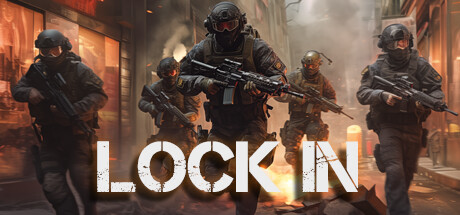
The only use of AI gen tools were for the backgrounds on the Store page images. Nowhere else is AI used. Certainly not anywhere in the actual Game itself. Any and all Images in the game itself have been rendered directly out of the game project without any sort of AI gen tools in the process whatsoever.
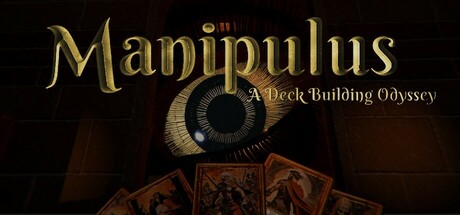
Manipulus features some pre-rendered AI-generated images created using Adobe Firefly, which Adobe states is trained exclusively on content from Adobe Stock and other licensed sources.
Players are able to have free-form conversations with NPCs. We also use generative AI for item data, quest generation, NPC memory and decision-making, crafting recipes, in-game events, game logic, and more.
As a solo developer, I rely on AI tools to make my game a reality. I use ChatGPT to translate my game's text from my native language to English, ensuring it's accessible to everyone. For visuals, I turn to MidJourney to create stunning backgrounds and other artwork. These tools are essential for me, making it possible to develop my game on my own.
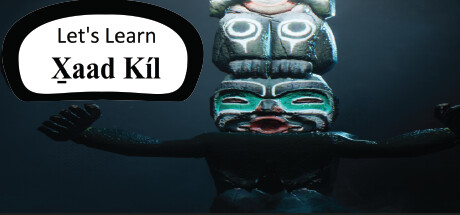
I am using AI to generate images to be used for educational purposes along with vector stock images. Important note: I do not train AI models on Northwest coast art nor will I train it on the illustration work of tribal community.
We have removed all AI from our game. It has been in Illusion's mechanics previously, but right now it's not.
Please read the article for the AI removal that we posted.
However, we will keep the label until we replace the trailer, which had an AI asset in it (Illusions).
But the game itself does not contain any AI content now.
Game uses built-in text generation AI to determine Unity-chan responses in chat, her relation responses and optionally remembers facts the user tells in chat. All generation happens offline and does not require any third party accounts or payments.
The use of AI in the development process has been strictly limited to translation purposes. All graphical assets and code have been exclusively created by professional developers and artists, with no exceptions. And also no AI-generated content has been utilized in the production of these elements.
1.Partial text adjustment was assisted by AI.
2.Some images were modified in style using AI based on commercially available materials.
3.A small number of images were generated by AI
“It’s Not Me, It's You...” uses cutting edge AI as a breakup simulator to help prepare you when you decide to ultimately end whatever relationship you’re in. By specifying a partner and relationship information, you can prepare for how realistic their responses may be so when you decide to have the actual conversation, you’ll be ready.
The AI generated references for the backgrounds, to which the artists of our team were able to use these materials for further redrawing into finished unique background images.
Game allows player to use voice as a main input tool. To achieve great quality of speech to text, a base version of openai's whisper model is used.
Model:
https://openaipublic.azureedge.net/main/whisper/models/ed3a0b6b1c0edf879ad9b11b1af5a0e6ab5db9205f891f668f8b0e6c6326e34e/base.pt
Repository with license:
https://github.com/openai/whisper
The content seen in the game is not live-generated. The player's input is embedded into a vector through a small model with 278M parameters.
Model:
https://huggingface.co/sentence-transformers/paraphrase-multilingual-mpnet-base-v2
Then, the game uses Faiss to match the player's input to known, predefined inputs. Each of those describes a reaction and change in the state of the game.
Repository and License:
https://github.com/facebookresearch/faiss
Icon was made with local diffusion model.
The picture clue in the office scene is generated by AI. It shows no real people's face nor impersonate any real people.
The cover picture of the bakery book in the bedroom scene is generated by AI. It contains some bread.
In the game, NPCs have text-based artificial intelligence language models, and as long as we have an internet connection, you can converse with them just like talking to someone in real life.
All answers are created by generative ai (large language model inference), the complete chat is filtered by a stopword blocklist. We cannot control the output 100%, so it may be inaccurate or offending as for all generative ai.
In order to create an experimental mystery game that focuses on interactive conversations with characters, I also used generative AI to create the visuals, as I don't have an artistic background or the funds to hire a professional artist.
Some of the background art in this game was initially generated using AI, then extensively modified and improved by our human artist to fit the style and vision of the game. The characters, inventory, interface, and other art assets were created directly by human artists without AI.
We believe AI can create new experiences for the player not possible before. In this game AI is used to generate text responses to make the NPC's in the game dynamically act and respond like humans. This differs from previously available technologies since all responses are tailored to this player input.
Generative AI has been used to simulate voices and generate artwork that you find in the game. Additionally AI was used for some text generation. These have been done so purposely alongside the use of generic assets to illustrate overarching points made by the game: namely the use of generative AI in video games as a topic, in keeping with the themes of the game and points it is making.
This game uses a locally-run language model to power live, on-device conversations with an AI character — no data leaves your computer. All visual and audio assets are human-made or commercially licensed. A small number of assets used AI generation as an early drafting tool; each was subsequently revised and finalized by human artists to meet our visual and quality standards.
Our game utilizes AI in several ways. We generated some concept art using AI, which helped shape the visual direction of the game. Additionally, we partially used AI for translation tasks to ensure a broader audience can enjoy the game. AI also assisted us in some coding tasks, streamlining development and allowing us to focus on crafting a better gameplay experience.
The only use of AI gen tools were for the backgrounds on the Store page images. Nowhere else is AI used. Certainly not anywhere in the actual Game itself. Any and all Images in the game itself have been rendered directly out of the game project without any sort of AI gen tools in the process whatsoever.
Manipulus features some pre-rendered AI-generated images created using Adobe Firefly, which Adobe states is trained exclusively on content from Adobe Stock and other licensed sources.
Players are able to have free-form conversations with NPCs. We also use generative AI for item data, quest generation, NPC memory and decision-making, crafting recipes, in-game events, game logic, and more.
As a solo developer, I rely on AI tools to make my game a reality. I use ChatGPT to translate my game's text from my native language to English, ensuring it's accessible to everyone. For visuals, I turn to MidJourney to create stunning backgrounds and other artwork. These tools are essential for me, making it possible to develop my game on my own.
I am using AI to generate images to be used for educational purposes along with vector stock images. Important note: I do not train AI models on Northwest coast art nor will I train it on the illustration work of tribal community.
We have removed all AI from our game. It has been in Illusion's mechanics previously, but right now it's not.
Please read the article for the AI removal that we posted.
However, we will keep the label until we replace the trailer, which had an AI asset in it (Illusions).
But the game itself does not contain any AI content now.
Game uses built-in text generation AI to determine Unity-chan responses in chat, her relation responses and optionally remembers facts the user tells in chat. All generation happens offline and does not require any third party accounts or payments.
The use of AI in the development process has been strictly limited to translation purposes. All graphical assets and code have been exclusively created by professional developers and artists, with no exceptions. And also no AI-generated content has been utilized in the production of these elements.
1.Partial text adjustment was assisted by AI.
2.Some images were modified in style using AI based on commercially available materials.
3.A small number of images were generated by AI
“It’s Not Me, It's You...” uses cutting edge AI as a breakup simulator to help prepare you when you decide to ultimately end whatever relationship you’re in. By specifying a partner and relationship information, you can prepare for how realistic their responses may be so when you decide to have the actual conversation, you’ll be ready.
The AI generated references for the backgrounds, to which the artists of our team were able to use these materials for further redrawing into finished unique background images.
Game allows player to use voice as a main input tool. To achieve great quality of speech to text, a base version of openai's whisper model is used.
Model:
https://openaipublic.azureedge.net/main/whisper/models/ed3a0b6b1c0edf879ad9b11b1af5a0e6ab5db9205f891f668f8b0e6c6326e34e/base.pt
Repository with license:
https://github.com/openai/whisper
The content seen in the game is not live-generated. The player's input is embedded into a vector through a small model with 278M parameters.
Model:
https://huggingface.co/sentence-transformers/paraphrase-multilingual-mpnet-base-v2
Then, the game uses Faiss to match the player's input to known, predefined inputs. Each of those describes a reaction and change in the state of the game.
Repository and License:
https://github.com/facebookresearch/faiss
Icon was made with local diffusion model.
The picture clue in the office scene is generated by AI. It shows no real people's face nor impersonate any real people.
The cover picture of the bakery book in the bedroom scene is generated by AI. It contains some bread.
In the game, NPCs have text-based artificial intelligence language models, and as long as we have an internet connection, you can converse with them just like talking to someone in real life.
All answers are created by generative ai (large language model inference), the complete chat is filtered by a stopword blocklist. We cannot control the output 100%, so it may be inaccurate or offending as for all generative ai.
In order to create an experimental mystery game that focuses on interactive conversations with characters, I also used generative AI to create the visuals, as I don't have an artistic background or the funds to hire a professional artist.
Some of the background art in this game was initially generated using AI, then extensively modified and improved by our human artist to fit the style and vision of the game. The characters, inventory, interface, and other art assets were created directly by human artists without AI.
We believe AI can create new experiences for the player not possible before. In this game AI is used to generate text responses to make the NPC's in the game dynamically act and respond like humans. This differs from previously available technologies since all responses are tailored to this player input.
Generative AI has been used to simulate voices and generate artwork that you find in the game. Additionally AI was used for some text generation. These have been done so purposely alongside the use of generic assets to illustrate overarching points made by the game: namely the use of generative AI in video games as a topic, in keeping with the themes of the game and points it is making.
This game uses a locally-run language model to power live, on-device conversations with an AI character — no data leaves your computer. All visual and audio assets are human-made or commercially licensed. A small number of assets used AI generation as an early drafting tool; each was subsequently revised and finalized by human artists to meet our visual and quality standards.