








Disclosure
AI was used to generate code and art assets.
- Creator
- Nightfeather Studio
- Reviews
- -
- Added
- Aug 4, 2026
Public Steam disclosure research 25,380 disclosures tracked
Search developers’ Steam disclosures, compare classified AI use across games, and follow recorded changes. This index adds cross-game classifications and statistics to statements published on individual store pages.
Code help, debugging and other development work.
Capsule art, trailers and promotional material.
Pre-made art, audio, writing and other game assets.
Interactive or runtime AI features disclosed by the developer.
Groups reflect automatic analysis of public disclosures; mature records are excluded. These counts do not measure AI use across all of Steam. Missing or unclear statements cannot establish whether a game uses AI.
AI was used to generate code and art assets.
Some pre-generated 2D artwork, character portraits, branding, and marketing assets were created using generative AI tools and subsequently selected, edited, and integrated by the developer. The game does not use live-generated AI content during gameplay.
All visual assets and store page copy that ship with the product were created using generative AI tools during development, then reviewed and edited by the developer. This includes: card illustrations, creature and hazard art, UI iconography, and backgrounds within the game; the Steam capsule and header images; and the written store page description. Store page screenshots are unaltered captures of the running game. No content is generated at runtime; all assets are static and baked into the build. Procedural systems in the game (seeded board layout, salvage rolls) are deterministic algorithms, not generative AI.
AI has been used to help code and shape the games content including Codex and Claude code. A premium Suno account was used to create music for the game. Codex was used to help generate art and in-game assets. All lore, scripting, and general architecture was hand crafted by the author of the game.
Some images are maded with AI
Game code and some sound effects were created using generative AI. All art and music were created by very talented people.
Used to assist with the codebase that runs this game.
The promotional pictures for the store were generated by AI, while there is no AI-generated content within the game.
AI was used to create character art, splashes, and maps. Includes additional music and codes.
Some artwork in this game was edited with the assistance of generative AI tools as part of the development process.
Some sound effects, written content, and artwork were generated with AI and then manually edited and refined.
applying filters and effect to artwork for promotional materials on the Steam page generating simple sounds/audio for later editing and mixing in Audacity
Some of this game's assets were created with the assistance of generative AI tools during development, and were curated and edited by the developer.
Generative AI is used to post-process capsule and marketing artwork on this game's Steam page; the underlying compositions and creative direction are the developer's own.
AI tools (coding assistants) were used to help write portions of the game's source code during development. All art, music, and game content shipped in the product are hand-authored or procedurally generated by our own code; no generative AI is used to produce any assets, and no AI generates content at runtime. Basically, I write software for a living but I was not a video game dev, so I used some coding assistants to help me out with areas I was less familiar.
Generative AI tools were used during development to create and refine portions of the game’s pre-generated visual artwork, including character and enemy art, environments, UI elements, icons, effects, and cutscene imagery. Generative AI was also used for sound effects and as an assistant during programming and development. All generated material was reviewed, edited, and integrated by the developer.
Includes AI and handcrafted artwork and audio
AI tools assisted with coding and select supporting visual assets. All writing, mechanics, systems, and game design are original.
The game's art, audio and voice content — including visual assets, UI elements, narrator voice-over, music, and store page artwork — was generated with the assistance of AI tools during development and then refined by the team. All AI-generated content was created during development; the game does not generate content while you play.
Generative AI was used during the development process to assist in writing the game's story, dialogue, and optimizing parts of the game code.
Generative AI was used in the creation of a small number of image assets included in this game.
Ironwake contains pre-generated AI content. Some 2D art assets (character sprites, portraits, item illustrations, backgrounds, and icon sets) were created using AI image-generation tools (PixelLab and MidJourney, plus licensed third-party icon packs produced with Stable Diffusion). Some sound effects, ambient audio, and music tracks were created using AI audio-generation tools (ElevenLabs). All AI-generated assets were reviewed, curated, and edited by the developer. The game does not generate any content with AI at runtime, and no live AI models are accessed by the game.
Some of the art and audio in The Ancient Caverns was created with the help of generative AI tools — including character and creature animations, item, weapon and environment art, and the musical soundtrack. All AI-assisted assets were reviewed, edited and integrated by the developer. The game does not generate any content with AI while you play; everything is fixed and created ahead of time.
Generative AI is used in this game for both asset creation (such as UI elements and character visuals) and as a tool to assist in the development process (such as code organization). Every piece of content generated by AI is carefully reviewed and refined by the development team to ensure it meets our quality standards.
Many scene illustrations were generated with AI image tools, then selected, edited, and integrated by hand. Every image in the game was individually reviewed and curated by the developer.
Some 2D, 3D artwork and sounds were generated with AI assistance.
Some visual assets were created using generative AI and post-processed, including filtering, compositing, and integration into the game's final environments.
Some in-game visual assets were created or refined using generative AI during development. These assets are pre-generated and included with the game. The game does not generate AI content while running.
Some in-game item icons are created with the help of AI-assisted generation tools.
AI was used strictly to block out a few initial base meshes, which I then manually reworked to fit the game's style & performance. No AI runs at runtime.
All in-game illustrations (character portraits, NPC and monster art, location and item images, key art) were pre-generated during development using generative AI tools and manually curated by the developer. The game does not create AI-generated content at runtime.
Some in‑game icons were created using AI, while the artwork and translations were produced with human editing based on AI‑generated drafts.
AI was used to create the artwork (not the logo) for the store's website.
AI generated art and other assets were referenced and partly used during development, but every effort is taken to make the game original. At UWS, we make every effort to support our art/design team and use AI very rarely to meet our production needs
Human-designed, AI-assisted in the creation of game assets.
World of ClaudeCraft is, unapologetically, a game built with AI — the name is a hint. We used AI in two ways, and we want to be clear about both. During development, the game's code was written with an AI coding assistant, and we used AI generation tools to create some of the assets that ship in the game as ordinary, fixed files: Sound: Most in-game sound effects and all spoken NPC voice lines were generated with ElevenLabs' AI audio and text-to-speech models. The written dialogue itself is authored by us; AI produced the spoken audio. 3D models: A small number of creature models (the "Drowned Litany") were generated with Meshy AI (text-to-3D). Everything else is either created by the game's own code (the world, towns, terrain, water, weather, and the music soundtrack are all generated procedurally at runtime) or is licensed third-party art — CC0 model, texture, and HDRI packs plus a purchased commercial icon set. That content is not AI-generated. Critically: no generative AI runs while you play. Every AI-made asset was generated once, offline, during development and baked into the game as a static file. The running game makes no AI or LLM calls, and none of your gameplay or personal data is ever sent to an AI system. The simulation is fully deterministic — the same inputs always produce the same result.
We’re currently using AI-generated images for our Steam page as temporary placeholders. We plan to replace them with original artwork as soon as possible.
Generative AI was used to enhance and improve some cutscene visuals. Apart from these specific visual assets, no other parts of the game were created using generative AI. All gameplay systems, game design, programming, writing, balancing, and the majority of visual content were created manually by the developer.
部分过场视频、角色语音使用了生成式AI
The game uses Generative AI for the following in a Static manner nothing is dynamically generated I have used some of it for: Some Card Art, Some Event Art and finally Localization - Please try the free demo before purchase if you require a language other than English to see if its workable. Thank you!
Some 2D art assets in Brimir: Pilgrimage to the Heart (such as background illustrations and key art) were created with the help of AI image-generation tools, then reviewed and edited by the development team. Purchased asset packs and tilesets, as well as all game code, systems, and design, are not AI-generated. We have taken care to ensure the generated content does not infringe on existing intellectual property.
AI Coding tools are used for optimisation and bug fixes.
This game called upon several artificial intelligences during its development, both in terms of functions and visuals.
Part of the store page assets were optimized with AI tools.
Some AI was used to generate images (player and creature portraits) used in this game.
During the development of this game, generative AI technologies were utilized to assist in creating certain 3D models and character/environmental textures. All AI-assisted assets have been manually refined, optimized, and reviewed to ensure high quality and full compliance with platform copyright policies.
AI used to make pieces of capsule art then assembled and edited in photopea (free online photoshop). All the content in the game, dialogues, colors, quests, items, icons, layouts, proc gen, easter eggs, everything is handcrafted, handpicked and intentionally placed by me, or is a CC0 licenced asset which will be credited upon game's full release.
I’m a User Experience Designer by day, and making a game has been a childhood dream of mine. I used generative AI as part of my development process, including helping with code and creating visual assets. Every asset included in the final game was personally selected, refined, placed, and directed by me to match the game’s overall vision.
AI was used to assist with grammar corrections for in-game text, which were then carefully reviewed and refined by hand. We use AI solely as a supporting tool. Every aspect of the game is guided by human creativity, and our development process remains firmly centered on manual work.
AI was used for the code base and art/design of the game to allow development by only one person, Henrik Kjærulff.
| Title⇅ | Disclosure | Creator⇅ | Src | Reviews⇅ | Added↓ |
|---|---|---|---|---|---|
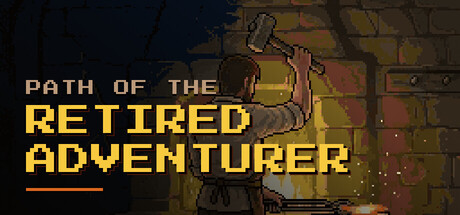 Path of the Retired Adventurer In-game content artcode | AI was used to generate code and art assets. | Nightfeather Studio | - | Aug 4, 2026 | |
 RuinsEnd Store/marketing art | Some pre-generated 2D artwork, character portraits, branding, and marketing assets were created using generative AI tools and subsequently selected, edited, and integrated by the developer. The game does not use live-generated AI content during gameplay. | Dungeon Builder Studios | - | Aug 2, 2026 | |
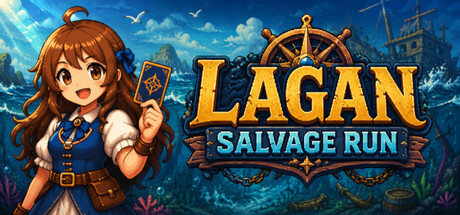 Lagan Salvage Run In-game content arttext | All visual assets and store page copy that ship with the product were created using generative AI tools during development, then reviewed and edited by the developer. This includes: card illustrations, creature and hazard art, UI iconography, and backgrounds within the game; the Steam capsule and header images; and the written store page description. Store page screenshots are unaltered captures of the running game. No content is generated at runtime; all assets are static and baked into the build. Procedural systems in the game (seeded board layout, salvage rolls) are deterministic algorithms, not generative AI. | Drumlin | - | Aug 2, 2026 | |
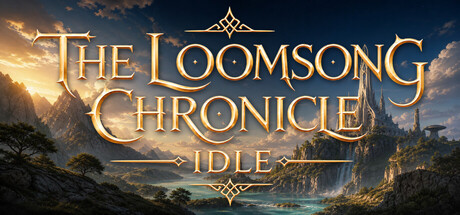 The Loomsong Chronicle Idle In-game content artaudiocode | AI has been used to help code and shape the games content including Codex and Claude code. A premium Suno account was used to create music for the game. Codex was used to help generate art and in-game assets. All lore, scripting, and general architecture was hand crafted by the author of the game. | Nitrocodon Dynamics | - | Aug 2, 2026 | |
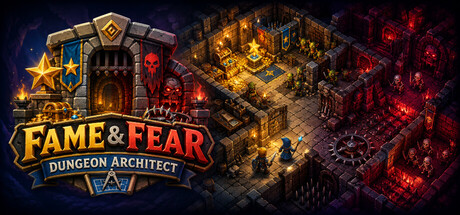 Fame & Fear: Dungeon Architect Unclear art | Some images are maded with AI | Wasdlab | - | Aug 2, 2026 | |
 Schizm In-game content codeaudio | Game code and some sound effects were created using generative AI. All art and music were created by very talented people. | Strombo Games | - | Aug 2, 2026 | |
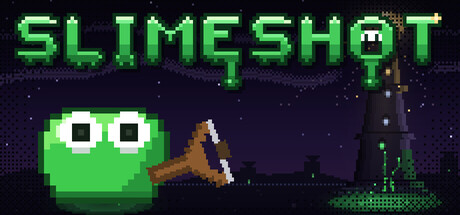 Slimeshot Dev only code | Used to assist with the codebase that runs this game. | devoidsloth | - | Aug 1, 2026 | |
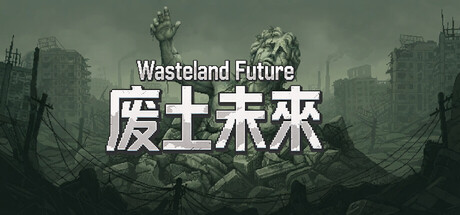 Wasteland Future Store/marketing art | The promotional pictures for the store were generated by AI, while there is no AI-generated content within the game. | 1029studio | - | Aug 1, 2026 | |
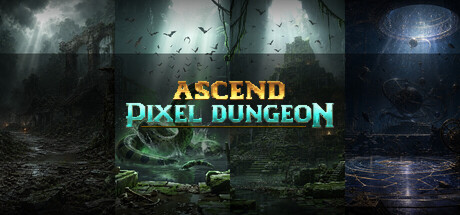 Ascend Pixel Dungeon In-game content artaudiocode | AI was used to create character art, splashes, and maps. Includes additional music and codes. | Heaven's door | - | Aug 1, 2026 | |
 Mega Dig In-game content art | Some artwork in this game was edited with the assistance of generative AI tools as part of the development process. | Sergey Bedrosyants | - | Aug 1, 2026 | |
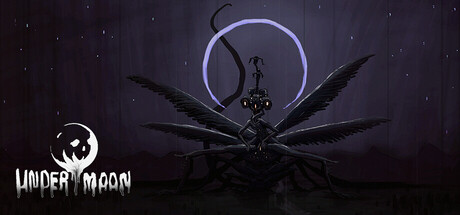 Undermoon In-game content audiotextart | Some sound effects, written content, and artwork were generated with AI and then manually edited and refined. | momorange | - | Jul 31, 2026 | |
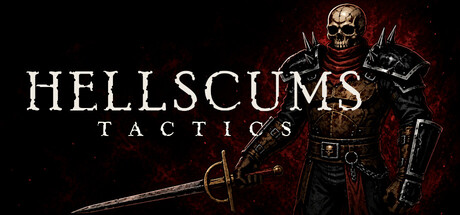 Hellscums tactics In-game content artaudio | applying filters and effect to artwork for promotional materials on the Steam page
generating simple sounds/audio for later editing and mixing in Audacity | Iron Wolf Story | - | Jul 30, 2026 | |
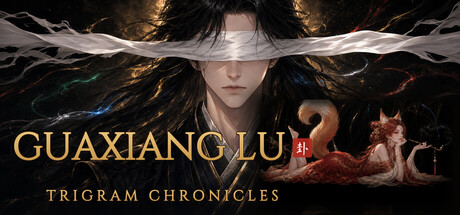 修仙·卦象录 In-game content art | Some of this game's assets were created with the assistance of generative AI tools during development, and were curated and edited by the developer. | Bixie Games | - | Jul 30, 2026 | |
 Knucklebones Store/marketing art | Generative AI is used to post-process capsule and marketing artwork on this game's Steam page; the underlying compositions and creative direction are the developer's own. | Iron Quill Games Studio | - | Jul 30, 2026 | |
 Depths of Providence Dev only code | AI tools (coding assistants) were used to help write portions of the game's source code during development. All art, music, and game content shipped in the product are hand-authored or procedurally generated by our own code; no generative AI is used to produce any assets, and no AI generates content at runtime.
Basically, I write software for a living but I was not a video game dev, so I used some coding assistants to help me out with areas I was less familiar. | Ryan Lutz | - | Jul 29, 2026 | |
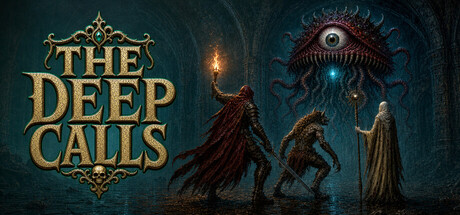 The Deep Calls In-game content artaudiocode | Generative AI tools were used during development to create and refine portions of the game’s pre-generated visual artwork, including character and enemy art, environments, UI elements, icons, effects, and cutscene imagery. Generative AI was also used for sound effects and as an assistant during programming and development. All generated material was reviewed, edited, and integrated by the developer. | RandyPotatoGames | - | Jul 29, 2026 | |
 Captive 3000 In-game content artaudio | Includes AI and handcrafted artwork and audio | Twin-FX | - | Jul 29, 2026 | |
 Everdeep Idle Dev only artcode | AI tools assisted with coding and select supporting visual assets. All writing, mechanics, systems, and game design are original. | SeveredGD | - | Jul 29, 2026 | |
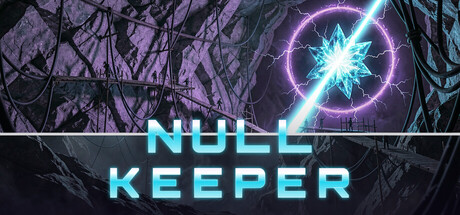 Null Keeper In-game content artaudiotext | The game's art, audio and voice content — including visual assets, UI elements, narrator voice-over, music, and store page artwork — was generated with the assistance of AI tools during development and then refined by the team. All AI-generated content was created during development; the game does not generate content while you play. | ioStudios | - | Jul 29, 2026 | |
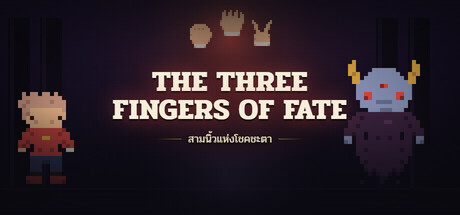 The Three Fingers of Fate In-game content textcode | Generative AI was used during the development process to assist in writing the game's story, dialogue, and optimizing parts of the game code. | Aisariya | - | Jul 29, 2026 | |
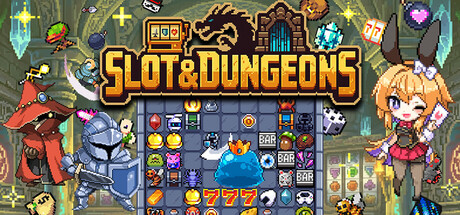 Slot & Dungeons In-game content art | Generative AI was used in the creation of a small number of image assets included in this game. | MUC GAMES | 257 | Jul 28, 2026 | |
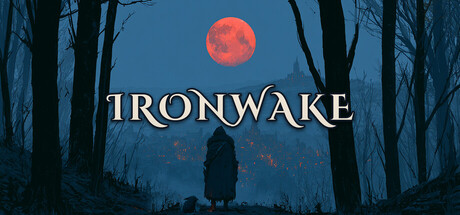 Ironwake In-game content artaudio | Ironwake contains pre-generated AI content. Some 2D art assets (character sprites, portraits, item illustrations,
backgrounds, and icon sets) were created using AI image-generation tools (PixelLab and MidJourney, plus licensed
third-party icon packs produced with Stable Diffusion). Some sound effects, ambient audio, and music tracks were created
using AI audio-generation tools (ElevenLabs). All AI-generated assets were reviewed, curated, and edited by the
developer. The game does not generate any content with AI at runtime, and no live AI models are accessed by the game. | Seahorse Games | - | Jul 27, 2026 | |
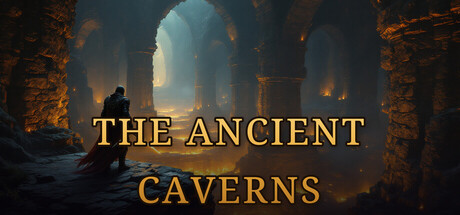 The Ancient Caverns In-game content artaudio | Some of the art and audio in The Ancient Caverns was created with the help of generative AI tools — including character and creature animations, item, weapon and environment art, and the musical soundtrack. All AI-assisted assets were reviewed, edited and integrated by the developer. The game does not generate any content with AI while you play; everything is fixed and created ahead of time. | Meridian Studios | - | Jul 25, 2026 | |
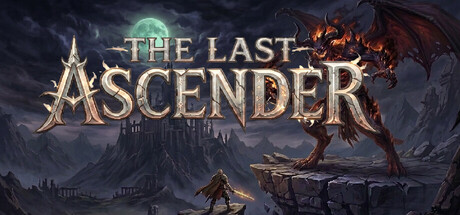 Last Ascender In-game content artcode | Generative AI is used in this game for both asset creation (such as UI elements and character visuals) and as a tool to assist in the development process (such as code organization). Every piece of content generated by AI is carefully reviewed and refined by the development team to ensure it meets our quality standards. | Ideal Creative | - | Jul 25, 2026 | |
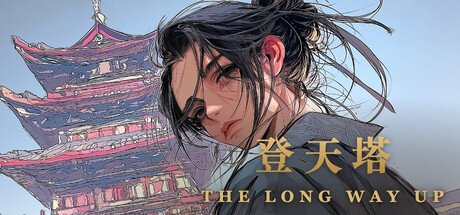 The Long Way Up In-game content art | Many scene illustrations were generated with AI image tools, then selected, edited, and integrated by hand. Every image in the game was individually reviewed and curated by the developer. | Flytel | - | Jul 25, 2026 | |
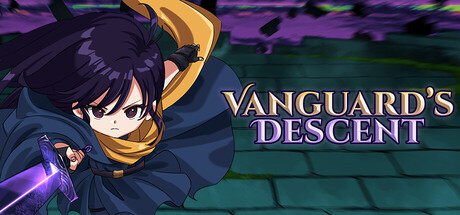 Vanguard's Descent In-game content artaudio | Some 2D, 3D artwork and sounds were generated with AI assistance. | Devichi | - | Jul 25, 2026 | |
 The Hunt for the Lich King In-game content art | Some visual assets were created using generative AI and post-processed, including filtering, compositing, and integration into the game's final environments. | Federico Poli | - | Jul 23, 2026 | |
 Among Demons In-game content art | Some in-game visual assets were created or refined using generative AI during development. These assets are pre-generated and included with the game. The game does not generate AI content while running. | purecosu | - | Jul 23, 2026 | |
 Grimspire In-game content art | Some in-game item icons are created with the help of AI-assisted generation tools. | GuavaPurr Studio | - | Jul 23, 2026 | |
 Willcaster Dev only art | AI was used strictly to block out a few initial base meshes, which I then manually reworked to fit the game's style & performance.
No AI runs at runtime. | Enes Altun | - | Jul 23, 2026 | |
 WyrmGate In-game content art | All in-game illustrations (character portraits, NPC and monster art, location and item images, key art) were pre-generated during development using generative AI tools and manually curated by the developer. The game does not create AI-generated content at runtime. | Evgeny Popov | - | Jul 23, 2026 | |
 Old Coin Pusher Gaiden arttext | Some in‑game icons were created using AI, while the artwork and translations were produced with human editing based on AI‑generated drafts. | STP WORKS | 63 | Jul 23, 2026 | |
 Tower of Scherbenmark Store/marketing art | AI was used to create the artwork (not the logo) for the store's website. | Bernhard Kokesch | - | Jul 22, 2026 | |
 Warden of the Sunken Keep Dev only art | AI generated art and other assets were referenced and partly used during development, but every effort is taken to make the game original. At UWS, we make every effort to support our art/design team and use AI very rarely to meet our production needs | codegamedev | - | Jul 22, 2026 | |
 Chronicles of the Fallen Realm In-game content art | Human-designed, AI-assisted in the creation of game assets. | Cinderfall Games | - | Jul 22, 2026 | |
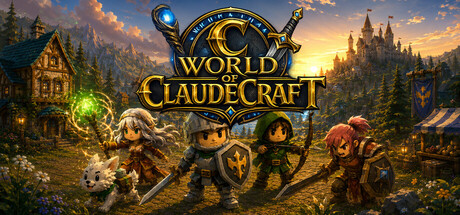 World of ClaudeCraft In-game content audioartcode | World of ClaudeCraft is, unapologetically, a game built with AI — the name is a hint. We used AI in two ways, and we want to be clear about both.
During development, the game's code was written with an AI coding assistant, and we used AI generation tools to create some of the assets that ship in the game as ordinary, fixed files:
Sound: Most in-game sound effects and all spoken NPC voice lines were generated with ElevenLabs' AI audio and text-to-speech models. The written dialogue itself is authored by us; AI produced the spoken audio.
3D models: A small number of creature models (the "Drowned Litany") were generated with Meshy AI (text-to-3D).
Everything else is either created by the game's own code (the world, towns, terrain, water, weather, and the music soundtrack are all generated procedurally at runtime) or is licensed third-party art — CC0 model, texture, and HDRI packs plus a purchased commercial icon set. That content is not AI-generated.
Critically: no generative AI runs while you play. Every AI-made asset was generated once, offline, during development and baked into the game as a static file. The running game makes no AI or LLM calls, and none of your gameplay or personal data is ever sent to an AI system. The simulation is fully deterministic — the same inputs always produce the same result. | Levy Street Games | - | Jul 22, 2026 | |
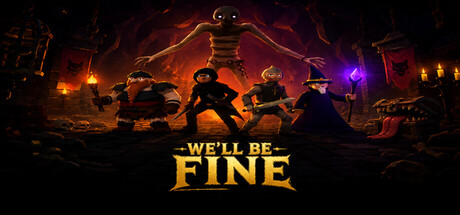 We'll Be Fine Store/marketing art | We’re currently using AI-generated images for our Steam page as temporary placeholders. We plan to replace them with original artwork as soon as possible. | BlindFoxGames | - | Jul 22, 2026 | |
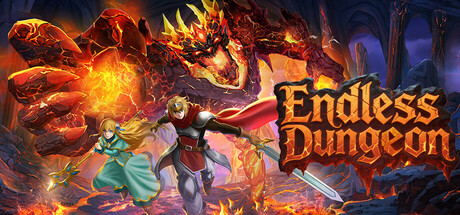 无尽地下城 In-game content art | Generative AI was used to enhance and improve some cutscene visuals. Apart from these specific visual assets, no other parts of the game were created using generative AI.
All gameplay systems, game design, programming, writing, balancing, and the majority of visual content were created manually by the developer. | 起源工作室 | - | Jul 21, 2026 | |
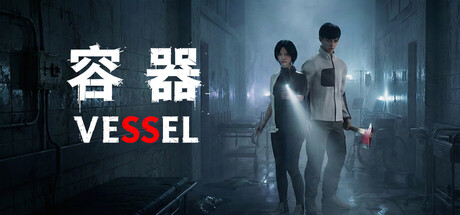 容器 In-game content artaudio | 部分过场视频、角色语音使用了生成式AI | OJStudio | 105 | Jul 19, 2026 | |
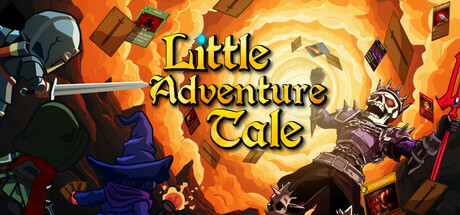 Little Adventure Tale In-game content arttext | The game uses Generative AI for the following in a Static manner nothing is dynamically generated I have used some of it for: Some Card Art, Some Event Art and finally Localization - Please try the free demo before purchase if you require a language other than English to see if its workable. Thank you! | TheOilyGooseStudio | - | Jul 19, 2026 | |
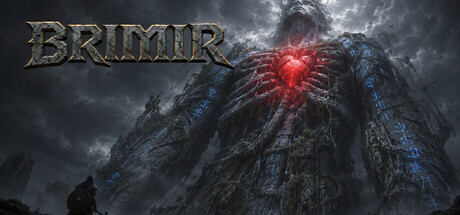 Brimir: Pilgrimage to the Heart In-game content art | Some 2D art assets in Brimir: Pilgrimage to the Heart (such as background illustrations and key art) were created with the help of AI image-generation tools, then reviewed and edited by the development team. Purchased asset packs and tilesets, as well as all game code,
systems, and design, are not AI-generated. We have taken care to ensure the generated content does not infringe on existing intellectual property. | SANG WOOK KIM | 27 | Jul 18, 2026 | |
 Botter Dev only code | AI Coding tools are used for optimisation and bug fixes. | Dean Ryan | - | Jul 18, 2026 | |
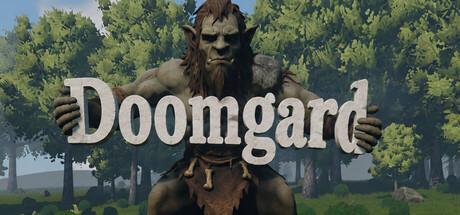 Doomgard Unclear | This game called upon several artificial intelligences during its development, both in terms of functions and visuals. | 99th Game Project | - | Jul 17, 2026 | |
 猎国沉默专属 Store/marketing art | Part of the store page assets were optimized with AI tools. | 猎国沉默专属 | - | Jul 17, 2026 | |
 Fantasy Classic: Dungeon Crawler In-game content art | Some AI was used to generate images (player and creature portraits) used in this game. | Eternal Play Office | - | Jul 17, 2026 | |
 Ashen Blade In-game content art | During the development of this game, generative AI technologies were utilized to assist in creating certain 3D models and character/environmental textures. All AI-assisted assets have been manually refined, optimized, and reviewed to ensure high quality and full compliance with platform copyright policies. | Li Zhi | - | Jul 17, 2026 | |
 Dome In-game content art | AI used to make pieces of capsule art then assembled and edited in photopea (free online photoshop). All the content in the game, dialogues, colors, quests, items, icons, layouts, proc gen, easter eggs, everything is handcrafted, handpicked and intentionally placed by me, or is a CC0 licenced asset which will be credited upon game's full release. | Nenad Juric | - | Jul 17, 2026 | |
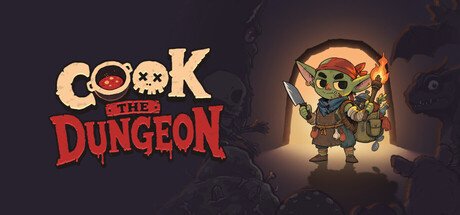 Grinveil In-game content artcode | I’m a User Experience Designer by day, and making a game has been a childhood dream of mine. I used generative AI as part of my development process, including helping with code and creating visual assets. Every asset included in the final game was personally selected, refined, placed, and directed by me to match the game’s overall vision. | Danny Limanseta | - | Jul 16, 2026 | |
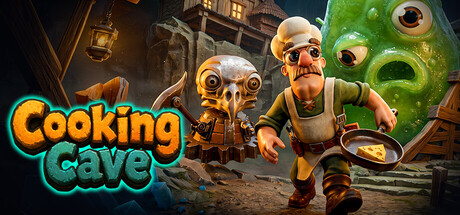 Cooking Cave In-game content text | AI was used to assist with grammar corrections for in-game text, which were then carefully reviewed and refined by hand.
We use AI solely as a supporting tool. Every aspect of the game is guided by human creativity, and our development process remains firmly centered on manual work. | RawDex | - | Jul 16, 2026 | |
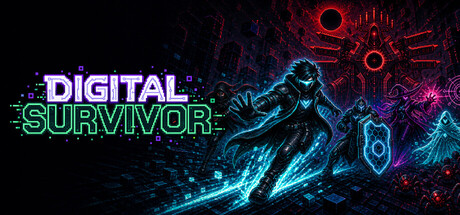 Digital Survivor In-game content artcode | AI was used for the code base and art/design of the game to allow development by only one person, Henrik Kjærulff. | Henrik 'WackyJacky101' Kjærulff | - | Jul 15, 2026 |


