Public Steam disclosure research25,376 disclosures tracked
Where do games disclose AI use?
Search developers’ Steam disclosures, compare classified AI use across
games, and follow recorded changes.
This index adds cross-game classifications and statistics to
statements published on individual store pages.
Groups reflect automatic analysis of public disclosures; mature records are excluded. These counts do not measure AI use across all of Steam.
Missing or unclear statements cannot establish whether a game uses AI.
Generative AI was used for UI icons, the intro video, and retouching of store capsule images. In-game 3D assets, characters and environments are licensed or hand-made, not AI-generated. AI was used as an assistive tool for code, text and translation.
An AI-generated sketch is used as a starting point. Everything else is made by a human: every shipped image is redrawn and retouched by hand, and the code, game design and texts are written by the developer.
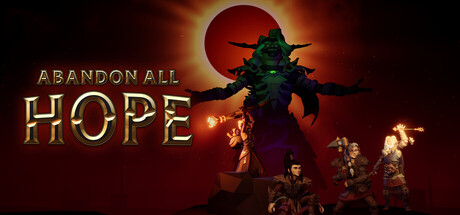
Custom Built LLM & Vertex DB, 100% home made AI model built by developer of Abandon All Hope was used to aid in padding out Dialog for the game, as well as the store page description. All Other content has been hand crafted.
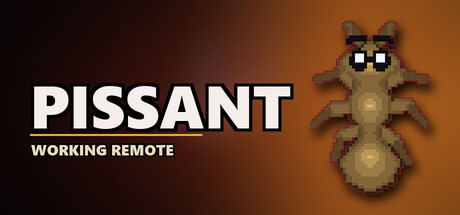
Pissant is built with AI-assisted code. The developer directs and edits everything; an AI assistant helps write the game's code, its in-game text, the music scores and the store and marketing text. No AI image, video or voice generator made anything in the game: every visual is drawn by the game's own procedural code, and every sound and note of music comes from its own synthesis engine. No generative AI runs during gameplay, and the game does not connect to any AI service.
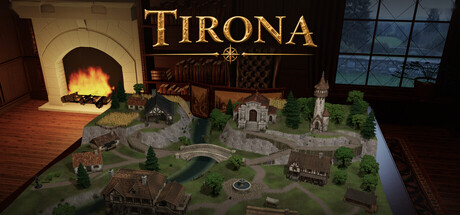
Tirona's development used AI tools for much of its 2D artwork (character portraits, card and scene illustrations, quest illustrations), some 3D models, the music (ElevenLabs) and the character voice performers' reference voices. All of it was selected, edited and placed by the developer, and ships as fixed game content.
While you play, a third-party large language model writes the narration and the dialogue of non-player characters in response to what you type or say. Character voices are synthesised locally on your PC from the generated text. You can optionally generate a portrait for your character from your creation choices.
The AI never decides the rules: dice, hit points, gold, items, experience, spells and quest progress change only through the game's own systems. Romance is opt-in, and anything sexual fades to black.
Some character and equipment models were generated with an AI 3D tool and then rigged, recoloured and edited by hand. The icons were designed with AI tools and drawn in code, and the game's text was written with AI assistance and edited by the developer. Environments use asset packs made by people, sound effects come from a sound pack recorded by people, and the music is synthesised by the game's own code. No AI generates anything while you play.
Character, enemy, and terrain sprites and the key art were produced with AI image tools from our own concept art and style references, then selected, corrected, and composited by hand. All game rules, code, writing, board layout, and interface art are made by the developer without generative AI at runtime. The game does not generate content with AI while you play.
Some assets and promotional materials for No Map Home were created with help from generative AI tools. I personally reviewed, refined, and integrated all AI-generated content to make sure it fits the game’s visual style and my creative vision for it.
Generative AI tools were used in the development of some visual assets, primarily to help enhance and upscale textures and create additional variations. All assets were reviewed and integrated by the development team as part of the game's art pipeline.
Some in-game visual assets were created with the assistance of generative AI. All AI-assisted content is pre-generated and included in the shipped game; no content is generated during gameplay.
AI-assisted tools were used during development to create and edit visual assets, including characters, equipment, creatures, environments, UI and store illustrations, and to assist with story text and localization. Music and sound effects were made using AI-assisted synthesis code and composition rules. The game uses prepared assets and predefined effects; it does not generate AI content or connect to generative AI services during play.
This game uses generative AI in the production and development process. All AI-assisted art is reviewed and curated by the development team before being included in the game.
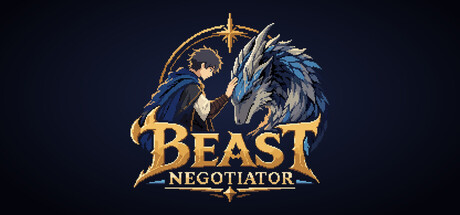
This game uses generative AI to create pre-generated content that ships with the game: character and monster artwork, backgrounds and other images, the logo, negotiation dialogue text, and level design. The store page text and marketing images are also created with AI assistance. No AI content is generated live while you play.
Translation: AI tools assisted with translating the game's text into Simplified Chinese, Japanese, Korean, Spanish, Brazilian Portuguese, Italian and French. The English text, all art, music and sound are made by hand.
The game itself contains no AI-generated assets. Generative AI was used only for some promotional artwork on the store page such as posters. This artwork was edited by the development team.
This game utilizes generative AI tools to assist in the production of select art, sound, and music assets. However, no raw AI content is used. Every single AI-generated asset has been extensively modified, remade, and personalized by hand to fit the game's specific creative vision.
We utilize generative AI tools during the development process to assist in creating certain game assets. Specifically, AI image generation is used to produce some 2D graphical assets, such as item icons, UI backgrounds, or character portraits.
This game contains content created with the assistance of AI tools. AI was used during development to assist with programming, visual assets, and other creative elements. All generated content was reviewed, edited, and integrated by the dev.
The card illustrations were made with an AI image tool from our own low-poly style references, then reviewed and placed by hand. All other art, the map, characters, interface, voices and writing were made by people. Store art and screenshots are captured from the game itself. I'm hoping I can replace the card art by proper human art before full release.
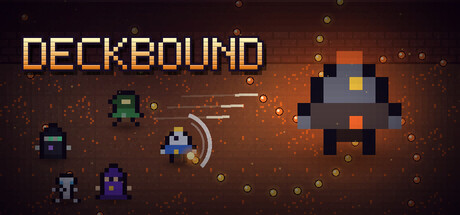
Deckbound was designed and directed by a solo developer. Generative AI was used as a tool during development to help write in-game text (card, item and enemy descriptions), and produce the pixel artwork. All of it was reviewed, edited and curated by hand. The game itself does not use AI while you play — nothing is generated in real time.
Pre-generated content: some 3D models (character/boss bodies and props) were generated with AI and then cleaned up, rigged and textured by hand in Blender and Unity; some voice lines and sound effects were generated with AI voice/SFX tools; parts of the trailer footage were AI-assisted; in-game text translations for some languages were produced with AI assistance and reviewed. No content is generated live while the game is running.
Most of the visual assets in this game (character illustrations, background art, UI assets, etc.) were created using AI image generation tools. Game design, programming, scenario writing, and combat balancing were done by the developer.
Some artwork used on this store page and in marketing materials (key art and capsule images), and some in-game 2D art such as item icons, was created with the help of generative AI tools and then selected, edited and composited by the developer. The game does not generate any AI content during gameplay and does not connect to any AI service.
Asharven's code, in-game text, logo and store text were created with the help of AI tools and reviewed by the developer. 3D models, animations, textures, icons, effects and music are licensed assets made by people. The game does not generate content with AI while it is running.
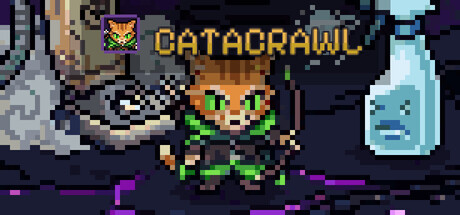
Pre-generated content only, nothing is generated while the game runs. Most of the pixel art for monsters, bosses, world objects (shrines, totems, traps, items), boon card art and the three hero cats was generated with PixelLab (an AI pixel-art tool) from text prompts and from our own hand-drawn references, then hand-corrected, quantized to the game's palette and animated frame by frame. The music and all sound effects are synthesized procedurally in our own code (no AI). Purchased asset packs (tiles, UI) are hand-drawn by their artists. No AI-generated text, voices or story.
Generative AI tools were used during development to assist with the creation and editing of some text content and graphical materials used in the game and its related assets.
AI coding tools help write and maintain the game's plugin code, and parts of the in-game text like NPC combinatorial string banks and translations were written with AI assistance, all being reviewed manully by the developer.
Generative AI is used during development to create visual and music assets for the game and its promotional materials. It is not used to create the scenario, written text, or voices. All AI-generated assets are pre-generated; the game does not generate content or connect to external AI services during gameplay.
Glyphtrip is made by a studio of three: one human and two silicon genius-toddlers. The soundtrack stems were generated with AI and mixed and mastered by hand. The translations and custom font were made with AI.
Some scenery, creature and equipment sprites, as well as some quest texts, were created with the help of generative AI tools, then manually edited and reviewed before integration. Playable characters (Liberated Pixel Cup), music and main texts are human-created works.
During play, some NPCs offer optional, private text conversations generated by external AI services through our game server. A short memory summary may be generated to help that NPC remember previous conversations with the same player. These conversations are separate from scripted quest dialogue and cannot grant quests, items or rewards. This feature has usage limits and carries no additional charge.
AI was used as a support tool during development (code assistance and initial image generation). All artwork was individually reworked by hand, and no content is generated live during gameplay.
The store capsule artwork (and the app/shortcut icons cropped from it) was created with AI image generation tools. All in-game content — art, models, audio, writing — was not AI generated.
Generative AI was used during development to create some promotional artwork, including Steam store capsule images and logo variations. Generative AI is not used during gameplay, and no AI-generated content is created in real time.
Generative AI was used to create the illustrations, as well as a small portion of the character artwork and dialogue. This content was created during development. The game does not generate AI content during gameplay.
Crawlgan uses generative AI for pre-made content only. All artwork, music and sound effects in the game and on this store page were created with generative AI tools, then selected and edited by the developer. The game text and store page are translated into other languages with AI assistance. Nothing is generated by AI while you play.
Character, monster, and item artwork in this game was pre-generated using AI image generation tools (FLUX.1). No AI-generated content is created live during gameplay, and the game does not connect to any third-party AI service at runtime.
This game used AI to make it possible to be developed by one person in reasonable time, with the hope that more people will join later to replace the AI part.
Generative AI tools were used during development to create or assist with character illustrations, some character sprites and other visual assets, store and promotional artwork, background music, and portions of localized text. These assets were selected, processed and integrated by the developer. The game does not generate AI content during play and does not connect to external AI services at runtime.
Generative AI was used for UI icons, the intro video, and retouching of store capsule images. In-game 3D assets, characters and environments are licensed or hand-made, not AI-generated. AI was used as an assistive tool for code, text and translation.
An AI-generated sketch is used as a starting point. Everything else is made by a human: every shipped image is redrawn and retouched by hand, and the code, game design and texts are written by the developer.
Custom Built LLM & Vertex DB, 100% home made AI model built by developer of Abandon All Hope was used to aid in padding out Dialog for the game, as well as the store page description. All Other content has been hand crafted.
Pissant is built with AI-assisted code. The developer directs and edits everything; an AI assistant helps write the game's code, its in-game text, the music scores and the store and marketing text. No AI image, video or voice generator made anything in the game: every visual is drawn by the game's own procedural code, and every sound and note of music comes from its own synthesis engine. No generative AI runs during gameplay, and the game does not connect to any AI service.
Tirona's development used AI tools for much of its 2D artwork (character portraits, card and scene illustrations, quest illustrations), some 3D models, the music (ElevenLabs) and the character voice performers' reference voices. All of it was selected, edited and placed by the developer, and ships as fixed game content.
While you play, a third-party large language model writes the narration and the dialogue of non-player characters in response to what you type or say. Character voices are synthesised locally on your PC from the generated text. You can optionally generate a portrait for your character from your creation choices.
The AI never decides the rules: dice, hit points, gold, items, experience, spells and quest progress change only through the game's own systems. Romance is opt-in, and anything sexual fades to black.
Some character and equipment models were generated with an AI 3D tool and then rigged, recoloured and edited by hand. The icons were designed with AI tools and drawn in code, and the game's text was written with AI assistance and edited by the developer. Environments use asset packs made by people, sound effects come from a sound pack recorded by people, and the music is synthesised by the game's own code. No AI generates anything while you play.
Character, enemy, and terrain sprites and the key art were produced with AI image tools from our own concept art and style references, then selected, corrected, and composited by hand. All game rules, code, writing, board layout, and interface art are made by the developer without generative AI at runtime. The game does not generate content with AI while you play.
Some assets and promotional materials for No Map Home were created with help from generative AI tools. I personally reviewed, refined, and integrated all AI-generated content to make sure it fits the game’s visual style and my creative vision for it.
Generative AI tools were used in the development of some visual assets, primarily to help enhance and upscale textures and create additional variations. All assets were reviewed and integrated by the development team as part of the game's art pipeline.
Some in-game visual assets were created with the assistance of generative AI. All AI-assisted content is pre-generated and included in the shipped game; no content is generated during gameplay.
AI-assisted tools were used during development to create and edit visual assets, including characters, equipment, creatures, environments, UI and store illustrations, and to assist with story text and localization. Music and sound effects were made using AI-assisted synthesis code and composition rules. The game uses prepared assets and predefined effects; it does not generate AI content or connect to generative AI services during play.
This game uses generative AI in the production and development process. All AI-assisted art is reviewed and curated by the development team before being included in the game.
This game uses generative AI to create pre-generated content that ships with the game: character and monster artwork, backgrounds and other images, the logo, negotiation dialogue text, and level design. The store page text and marketing images are also created with AI assistance. No AI content is generated live while you play.
Translation: AI tools assisted with translating the game's text into Simplified Chinese, Japanese, Korean, Spanish, Brazilian Portuguese, Italian and French. The English text, all art, music and sound are made by hand.
The game itself contains no AI-generated assets. Generative AI was used only for some promotional artwork on the store page such as posters. This artwork was edited by the development team.
This game utilizes generative AI tools to assist in the production of select art, sound, and music assets. However, no raw AI content is used. Every single AI-generated asset has been extensively modified, remade, and personalized by hand to fit the game's specific creative vision.
We utilize generative AI tools during the development process to assist in creating certain game assets. Specifically, AI image generation is used to produce some 2D graphical assets, such as item icons, UI backgrounds, or character portraits.
This game contains content created with the assistance of AI tools. AI was used during development to assist with programming, visual assets, and other creative elements. All generated content was reviewed, edited, and integrated by the dev.
The card illustrations were made with an AI image tool from our own low-poly style references, then reviewed and placed by hand. All other art, the map, characters, interface, voices and writing were made by people. Store art and screenshots are captured from the game itself. I'm hoping I can replace the card art by proper human art before full release.
Deckbound was designed and directed by a solo developer. Generative AI was used as a tool during development to help write in-game text (card, item and enemy descriptions), and produce the pixel artwork. All of it was reviewed, edited and curated by hand. The game itself does not use AI while you play — nothing is generated in real time.
Pre-generated content: some 3D models (character/boss bodies and props) were generated with AI and then cleaned up, rigged and textured by hand in Blender and Unity; some voice lines and sound effects were generated with AI voice/SFX tools; parts of the trailer footage were AI-assisted; in-game text translations for some languages were produced with AI assistance and reviewed. No content is generated live while the game is running.
Most of the visual assets in this game (character illustrations, background art, UI assets, etc.) were created using AI image generation tools. Game design, programming, scenario writing, and combat balancing were done by the developer.
Some artwork used on this store page and in marketing materials (key art and capsule images), and some in-game 2D art such as item icons, was created with the help of generative AI tools and then selected, edited and composited by the developer. The game does not generate any AI content during gameplay and does not connect to any AI service.
Asharven's code, in-game text, logo and store text were created with the help of AI tools and reviewed by the developer. 3D models, animations, textures, icons, effects and music are licensed assets made by people. The game does not generate content with AI while it is running.
Pre-generated content only, nothing is generated while the game runs. Most of the pixel art for monsters, bosses, world objects (shrines, totems, traps, items), boon card art and the three hero cats was generated with PixelLab (an AI pixel-art tool) from text prompts and from our own hand-drawn references, then hand-corrected, quantized to the game's palette and animated frame by frame. The music and all sound effects are synthesized procedurally in our own code (no AI). Purchased asset packs (tiles, UI) are hand-drawn by their artists. No AI-generated text, voices or story.
Generative AI tools were used during development to assist with the creation and editing of some text content and graphical materials used in the game and its related assets.
AI coding tools help write and maintain the game's plugin code, and parts of the in-game text like NPC combinatorial string banks and translations were written with AI assistance, all being reviewed manully by the developer.
Generative AI is used during development to create visual and music assets for the game and its promotional materials. It is not used to create the scenario, written text, or voices. All AI-generated assets are pre-generated; the game does not generate content or connect to external AI services during gameplay.
Glyphtrip is made by a studio of three: one human and two silicon genius-toddlers. The soundtrack stems were generated with AI and mixed and mastered by hand. The translations and custom font were made with AI.
Some scenery, creature and equipment sprites, as well as some quest texts, were created with the help of generative AI tools, then manually edited and reviewed before integration. Playable characters (Liberated Pixel Cup), music and main texts are human-created works.
During play, some NPCs offer optional, private text conversations generated by external AI services through our game server. A short memory summary may be generated to help that NPC remember previous conversations with the same player. These conversations are separate from scripted quest dialogue and cannot grant quests, items or rewards. This feature has usage limits and carries no additional charge.
AI was used as a support tool during development (code assistance and initial image generation). All artwork was individually reworked by hand, and no content is generated live during gameplay.
The store capsule artwork (and the app/shortcut icons cropped from it) was created with AI image generation tools. All in-game content — art, models, audio, writing — was not AI generated.
Generative AI was used during development to create some promotional artwork, including Steam store capsule images and logo variations. Generative AI is not used during gameplay, and no AI-generated content is created in real time.
Generative AI was used to create the illustrations, as well as a small portion of the character artwork and dialogue. This content was created during development. The game does not generate AI content during gameplay.
Crawlgan uses generative AI for pre-made content only. All artwork, music and sound effects in the game and on this store page were created with generative AI tools, then selected and edited by the developer. The game text and store page are translated into other languages with AI assistance. Nothing is generated by AI while you play.
Character, monster, and item artwork in this game was pre-generated using AI image generation tools (FLUX.1). No AI-generated content is created live during gameplay, and the game does not connect to any third-party AI service at runtime.
This game used AI to make it possible to be developed by one person in reasonable time, with the hope that more people will join later to replace the AI part.
Generative AI tools were used during development to create or assist with character illustrations, some character sprites and other visual assets, store and promotional artwork, background music, and portions of localized text. These assets were selected, processed and integrated by the developer. The game does not generate AI content during play and does not connect to external AI services at runtime.