Public Steam disclosure research25,380 disclosures tracked
Where do games disclose AI use?
Search developers’ Steam disclosures, compare classified AI use across
games, and follow recorded changes.
This index adds cross-game classifications and statistics to
statements published on individual store pages.
Groups reflect automatic analysis of public disclosures; mature records are excluded. These counts do not measure AI use across all of Steam.
Missing or unclear statements cannot establish whether a game uses AI.
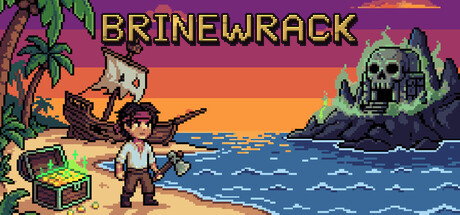
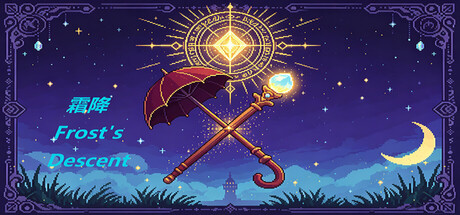
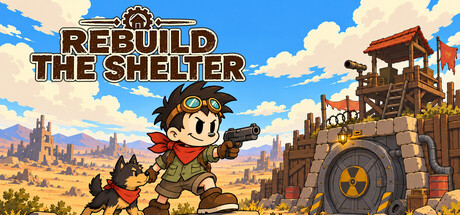
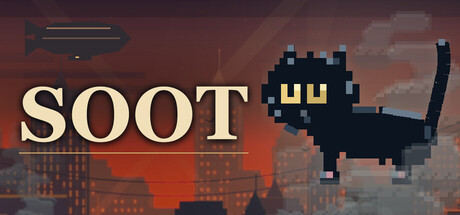
Pre-generated content: the pixel art (characters, animations, tiles, props, UI frames) and the store capsule art were made with the help of an AI pixel-art tool, then selected, edited and assembled by the developer. Store page texts and their translations were drafted with AI assistance and reviewed by the developer. The game does not generate any content with AI while you play. Music, sound effects and fonts are licensed assets made by people.
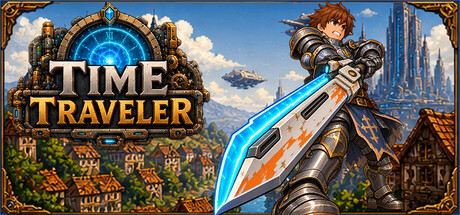
Time Traveler: Divergence uses locally running generative AI to enable dynamic NPC conversations. AI-generated dialogue is constrained by the game's predefined rules, characters, world knowledge, and simulation state. AI is also used locally to generate voice-over for these dynamic conversations. No external AI service is required during gameplay.
Some images shipped in the game were created with generative AI during development and then selected and reviewed by the developer. No other shipped content was generated by AI.
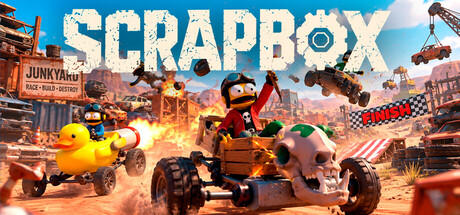
Generative AI tools were used during the development of SCRAPBOX to assist with programming, UI design, voice acting, music, and the creation of some 3D models and other game assets. The game does not generate AI content during gameplay.
Hero Chains of Destiny includes pre-generated content created with the assistance of generative AI tools during development. This includes selected artwork, music, and sound effects. All generated content is reviewed, curated, and approved by the developer before being included in the game.
As a solo developer, I used AI text-to-speech to voice characters. Everything else, including 3D models, textures, writing, and design, was made by me.
Generative AI was used during development to create visual assets, including illustrations and backgrounds, produce background music, and translate in-game text. Images created using generative AI are also used on the Steam store page and in promotional materials. No content is generated using AI during gameplay.
Generative AI was used during development to assist in the creation of some 3D models and visual assets. These assets are used alongside content created manually by the developer.
Generative AI was used as an assistive development tool for programming, debugging and technical problem solving. Some developer created 2D concepts may also be refined using generative AI. Final creative direction, editing, implementation, game design and level design are handled by the developer.
Generative AI tools were used to assist with the creation and refinement of some pre-generated 3D assets and localization. All AI-assisted content was reviewed, edited, and integrated by the developer. The game does not use generative AI to create content during gameplay.
Generative AI was used during development as an assistive tool for code prototyping and localization, and to create some pre-generated visual content, including fictional patient photographs used as environmental and narrative elements in the game. AI-generated concept art is used only as internal visual reference and is not included as game assets.
All AI-generated content included in the game is pre-generated. No generative AI runs during gameplay. Final level design, asset placement, gameplay systems, narrative implementation, and asset integration are created and assembled by the developer.
Generative AI tools were used during development to assist with the creation of some 2D visual assets and development-related content. All AI-assisted content is reviewed and integrated by the development team.
Pre-generated generative AI was used to create some 2D visual assets, including selected in-game sign textures and store/marketing artwork. No generative AI is used during gameplay.
Generative AI assisted in creating some in-game art and visual-effect assets, Steam store promotional images, background music, and some localized text. The developer reviewed and selected these materials, editing them where needed before including them in the game or store page. The game does not use generative AI to create content at runtime.
Hexpanse is a solo developer's experiment in building a game 100% with AI, and it is developed with AI assistance (including its source code). The game itself is built almost entirely from procedural, code-generated pixel art and synthesized audio — produced algorithmically by our own code, not by AI. Generative AI was used in two limited, pre-rendered ways: (1) as a starting point for some ship and station part illustrations, later cleaned up, processed and integrated by hand; and (2) to produce the neural text-to-speech voice-over of the intro cinematic. In Early Access, the community feedback I find relevant feeds the AI-assisted development. No generative AI runs while you play — nothing is generated live in-game.
The game's original languages are Portuguese and English. Generative AI was used exclusively to translate and localize the text into the other supported languages, making the game accessible to more players worldwide at launch. All code, game design, artwork, audio, and original Portuguese and English text were created by humans.
The use of AI is limited to select visual assets, which were manually reviewed, repainted, and integrated to fit the art direction. The project features original artwork hand-drawn by my artistic partner alongside an original acoustic piano score, entirely composed and performed by me.
This is an independent, completely free passion project with zero monetization, made out of a genuine love for game development. Thank you for playing.
We use generative AI across all disciplines of game development with heavy amounts of human editing. That involves audio and visual art. We use it as a productivity tool so we can achieve a higher level of quality, faster, than we would have been able to.
Parts of this game's content were produced with generative AI tools.
No content is generated at runtime. Every asset shipped with the game was produced, reviewed and approved prior to release.
・Some of the posters were created using generative AI (ChatGPT and Gemini).
・Some of the voices were created using generative AI (Ondoku).
・The translations were created using generative AI (Gemini).
A handful of key art pieces, concept illustrations, and store-page graphics were generated with AI image-generation software to help communicate. This use of AI is limited strictly to marketing materials.
Generative AI was used as a supporting tool for selected elements of the artwork. Most elements were extensively modified and adapted through substantial hands-on work, including repainting, rigging, and animation.
This game contains some images, videos, audio, text, and 3D assets created using generative AI. Generative AI is not used to generate content or code in real time during gameplay.
Generative AI tools were used in parts of the developer's workflow: some texture source images (such as water splash sprites and certain ground materials) originate from AI image tools, and the dragon character's base mesh was initially created with AI assistance. All of this content was then extensively hand-edited, sculpted, rigged and integrated by the developer. Some music tracks were generated with Suno (licensed under a paid subscription). The world itself, the environment models and the game's art direction are hand-made. The game does not generate any content at runtime.
Some of the pre-made content in this game (such as artwork, audio and/or text) was created with the help of generative AI tools and was reviewed and edited by the developer. No AI content is generated during gameplay.
Generative AI tools were used during development to assist with draft text, localization, concept references, and asset iteration. All final content included in the game has been reviewed and edited by the developer. The game does not generate AI content during gameplay.
Generative AI was used during development to create certain pre-generated visual assets and character textures included in the game, as well as to assist with translation into certain languages (French, German, and Spanish). These assets are created during development and are integrated into the game; there is no real-time AI content generation during gameplay.
I am a solo developer with no budget. This game (my first) has been a passion project of about two years. I have developed it in between work and life. During that time, I made the decision to use a text-to-speech program to generate some NPC dialogue. Someday I hope to be working with a budget; but for now, since I don't have one, I believe that my current solution delivers the best experience for the player.
The developer uses generative AI during development for prototyping (placeholder models/assets), and some current store‑page marketing images are AI‑composed. No generative AI runs during gameplay.
Dawn of Irkalla includes pre-generated AI-assisted content used during development, including some 3D models, images, and code assistance. The game's level design, story, lore, gameplay, music, and many other assets were created by us or sourced from licensed third parties.
This game was made by a two-person team: a developer and a designer/artist. AI tools were used only as an aid during development. An AI 3D generator provided rough starting shapes for the capybara figurines, which the team then remodeled, textured and set up in the game engine. level design, gameplay, art direction, UI and text was designed and made by the team. The game does not generate any AI content while you play.
Generative AI tools were used during development to assist with debugging. AI-assisted content included in the final game was reviewed and edited by the developer. No content is generated by AI during gameplay.
Generative AI was used with human review to assist with portions of the store page text, promotional artwork, and illustrative building blueprint previews. These illustrations are development artwork; actual gameplay appearance may vary. During gameplay, a locally running language model generates text responses in the AI OS tablet and robot chat interfaces. Robot gathering and construction actions use programmed game systems. The language model runs on the player’s computer and does not require an external third-party AI service.
Pre-generated content: the pixel art (characters, animations, tiles, props, UI frames) and the store capsule art were made with the help of an AI pixel-art tool, then selected, edited and assembled by the developer. Store page texts and their translations were drafted with AI assistance and reviewed by the developer. The game does not generate any content with AI while you play. Music, sound effects and fonts are licensed assets made by people.
Time Traveler: Divergence uses locally running generative AI to enable dynamic NPC conversations. AI-generated dialogue is constrained by the game's predefined rules, characters, world knowledge, and simulation state. AI is also used locally to generate voice-over for these dynamic conversations. No external AI service is required during gameplay.
Some images shipped in the game were created with generative AI during development and then selected and reviewed by the developer. No other shipped content was generated by AI.
Generative AI tools were used during the development of SCRAPBOX to assist with programming, UI design, voice acting, music, and the creation of some 3D models and other game assets. The game does not generate AI content during gameplay.
Hero Chains of Destiny includes pre-generated content created with the assistance of generative AI tools during development. This includes selected artwork, music, and sound effects. All generated content is reviewed, curated, and approved by the developer before being included in the game.
As a solo developer, I used AI text-to-speech to voice characters. Everything else, including 3D models, textures, writing, and design, was made by me.
Generative AI was used during development to create visual assets, including illustrations and backgrounds, produce background music, and translate in-game text. Images created using generative AI are also used on the Steam store page and in promotional materials. No content is generated using AI during gameplay.
Generative AI was used during development to assist in the creation of some 3D models and visual assets. These assets are used alongside content created manually by the developer.
Generative AI was used as an assistive development tool for programming, debugging and technical problem solving. Some developer created 2D concepts may also be refined using generative AI. Final creative direction, editing, implementation, game design and level design are handled by the developer.
Generative AI tools were used to assist with the creation and refinement of some pre-generated 3D assets and localization. All AI-assisted content was reviewed, edited, and integrated by the developer. The game does not use generative AI to create content during gameplay.
Generative AI was used during development as an assistive tool for code prototyping and localization, and to create some pre-generated visual content, including fictional patient photographs used as environmental and narrative elements in the game. AI-generated concept art is used only as internal visual reference and is not included as game assets.
All AI-generated content included in the game is pre-generated. No generative AI runs during gameplay. Final level design, asset placement, gameplay systems, narrative implementation, and asset integration are created and assembled by the developer.
Generative AI tools were used during development to assist with the creation of some 2D visual assets and development-related content. All AI-assisted content is reviewed and integrated by the development team.
Pre-generated generative AI was used to create some 2D visual assets, including selected in-game sign textures and store/marketing artwork. No generative AI is used during gameplay.
Generative AI assisted in creating some in-game art and visual-effect assets, Steam store promotional images, background music, and some localized text. The developer reviewed and selected these materials, editing them where needed before including them in the game or store page. The game does not use generative AI to create content at runtime.
Hexpanse is a solo developer's experiment in building a game 100% with AI, and it is developed with AI assistance (including its source code). The game itself is built almost entirely from procedural, code-generated pixel art and synthesized audio — produced algorithmically by our own code, not by AI. Generative AI was used in two limited, pre-rendered ways: (1) as a starting point for some ship and station part illustrations, later cleaned up, processed and integrated by hand; and (2) to produce the neural text-to-speech voice-over of the intro cinematic. In Early Access, the community feedback I find relevant feeds the AI-assisted development. No generative AI runs while you play — nothing is generated live in-game.
The game's original languages are Portuguese and English. Generative AI was used exclusively to translate and localize the text into the other supported languages, making the game accessible to more players worldwide at launch. All code, game design, artwork, audio, and original Portuguese and English text were created by humans.
The use of AI is limited to select visual assets, which were manually reviewed, repainted, and integrated to fit the art direction. The project features original artwork hand-drawn by my artistic partner alongside an original acoustic piano score, entirely composed and performed by me.
This is an independent, completely free passion project with zero monetization, made out of a genuine love for game development. Thank you for playing.
We use generative AI across all disciplines of game development with heavy amounts of human editing. That involves audio and visual art. We use it as a productivity tool so we can achieve a higher level of quality, faster, than we would have been able to.
Parts of this game's content were produced with generative AI tools.
No content is generated at runtime. Every asset shipped with the game was produced, reviewed and approved prior to release.
・Some of the posters were created using generative AI (ChatGPT and Gemini).
・Some of the voices were created using generative AI (Ondoku).
・The translations were created using generative AI (Gemini).
A handful of key art pieces, concept illustrations, and store-page graphics were generated with AI image-generation software to help communicate. This use of AI is limited strictly to marketing materials.
Generative AI was used as a supporting tool for selected elements of the artwork. Most elements were extensively modified and adapted through substantial hands-on work, including repainting, rigging, and animation.
This game contains some images, videos, audio, text, and 3D assets created using generative AI. Generative AI is not used to generate content or code in real time during gameplay.
Generative AI tools were used in parts of the developer's workflow: some texture source images (such as water splash sprites and certain ground materials) originate from AI image tools, and the dragon character's base mesh was initially created with AI assistance. All of this content was then extensively hand-edited, sculpted, rigged and integrated by the developer. Some music tracks were generated with Suno (licensed under a paid subscription). The world itself, the environment models and the game's art direction are hand-made. The game does not generate any content at runtime.
Some of the pre-made content in this game (such as artwork, audio and/or text) was created with the help of generative AI tools and was reviewed and edited by the developer. No AI content is generated during gameplay.
Generative AI tools were used during development to assist with draft text, localization, concept references, and asset iteration. All final content included in the game has been reviewed and edited by the developer. The game does not generate AI content during gameplay.
Generative AI was used during development to create certain pre-generated visual assets and character textures included in the game, as well as to assist with translation into certain languages (French, German, and Spanish). These assets are created during development and are integrated into the game; there is no real-time AI content generation during gameplay.
I am a solo developer with no budget. This game (my first) has been a passion project of about two years. I have developed it in between work and life. During that time, I made the decision to use a text-to-speech program to generate some NPC dialogue. Someday I hope to be working with a budget; but for now, since I don't have one, I believe that my current solution delivers the best experience for the player.
The developer uses generative AI during development for prototyping (placeholder models/assets), and some current store‑page marketing images are AI‑composed. No generative AI runs during gameplay.
Dawn of Irkalla includes pre-generated AI-assisted content used during development, including some 3D models, images, and code assistance. The game's level design, story, lore, gameplay, music, and many other assets were created by us or sourced from licensed third parties.
This game was made by a two-person team: a developer and a designer/artist. AI tools were used only as an aid during development. An AI 3D generator provided rough starting shapes for the capybara figurines, which the team then remodeled, textured and set up in the game engine. level design, gameplay, art direction, UI and text was designed and made by the team. The game does not generate any AI content while you play.
Generative AI tools were used during development to assist with debugging. AI-assisted content included in the final game was reviewed and edited by the developer. No content is generated by AI during gameplay.
Generative AI was used with human review to assist with portions of the store page text, promotional artwork, and illustrative building blueprint previews. These illustrations are development artwork; actual gameplay appearance may vary. During gameplay, a locally running language model generates text responses in the AI OS tablet and robot chat interfaces. Robot gathering and construction actions use programmed game systems. The language model runs on the player’s computer and does not require an external third-party AI service.