Public Steam disclosure research25,380 disclosures tracked
Where do games disclose AI use?
Search developers’ Steam disclosures, compare classified AI use across
games, and follow recorded changes.
This index adds cross-game classifications and statistics to
statements published on individual store pages.
Groups reflect automatic analysis of public disclosures; mature records are excluded. These counts do not measure AI use across all of Steam.
Missing or unclear statements cannot establish whether a game uses AI.
Some of the in-game background images and the store Capsule image art assets in this game were created using pre-rendered generative AI tools. These assets were then reviewed, refined, and integrated by our development team to fit the game's artistic vision
Some artistic assets in this game (including scene materials, item icons, visual effects, etc.) are created with the assistance of generative AI technology. All AI-generated content has been manually screened, adjusted, and reviewed for compliance by the development team to meet relevant regulations and platform policies.
We have used AI for generating the Achievement Icons and ingredients icons which were then edited to keep a consistent art style. AI mockups were used for inspiration along side many UI from different games. All UI graphics, logos and 3D models in game are either manually created, purchased or dowloaded from asset store.
Some visual and audio assets were created with generative AI tools and then reviewed and edited by the developer: the city background scenes, the store trailers (including the animated cinematic and its character), the music tracks and ambient loops, and store/marketing images such as capsules and the icon. All gameplay, game design, code, UI, and text were written by the developer. No AI-generated content is created at runtime.
This game uses generative AI-assisted content in some pre-rendered assets, such as visual effects, UI elements, background or promotional artwork, marketing/community materials, and localization. No live generative AI system is used during gameplay, and the game does not generate new player-facing content dynamically while the player is playing.
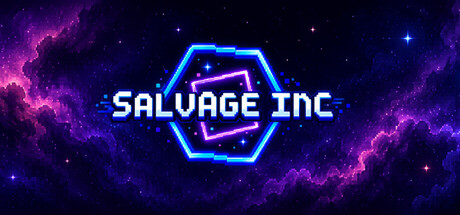
Salvage Inc. was designed, developed, and assembled by a human developer. Generative AI tools were used to assist in the creation of some game assets, including certain visual and audio elements.
This game features AI-assisted artwork and language translation. All assets were [reviewed or edited or approved] by the developer to ensure quality and consistency with the game's vision.
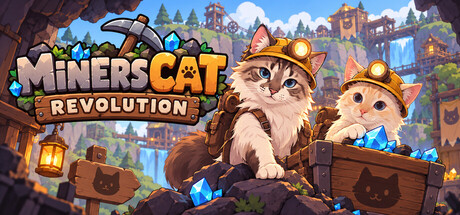
The pixel art in Miners Cat Revolution: the cats, the icons and the store art was generated with AI and then edited and assembled by hand. The translations into the nine languages other than Spanish were AI-assisted and reviewed afterwards.
Everything else is human-made: the code, the game design, the balance and the original Spanish text are written by one person.
Nothing is generated while you play. All of it ships with the game, finished and fixed.
The store and library capsule images and the logo were created with AI image generation tools and edited by hand; AI also assisted with the store description and the in-game translations. The game itself contains no AI-generated content and generates nothing while you play. All screenshots and trailer footage come from the actual game.
We use generative AI to support the creation of promotional materials, translations, selected artwork, music, and sound effects. These tools help bring our ideas to life, while the game’s creative direction and final decisions will always remain in human hands.
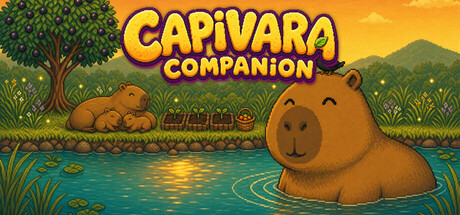
Art assets (backgrounds, capybara and object sprites, capsules, icon), the store trailer footage, sound effects, ambience and music were generated with AI tools (image and video generation, PixelLab, ElevenLabs) from the developer's own references and direction, then cropped, scaled, palette-snapped and composed by hand-written code. The translations of the game and store texts into languages other than Portuguese and English were produced with AI and reviewed by the developer. All code, game design, writing and the original Portuguese and English texts are human-made. The game does not generate any content at runtime.
We are using AI to help write, structure, and/or review written code by the team. Some of the artwork in this game was produced with the help of generative AI tools.
Generative AI was used during development to assist with the creation of some visual assets and marketing materials. All AI-assisted content used in the final game and on the Steam store page has been reviewed and edited by the developer.
Grindveil's art is made with generative AI tools. We generate, then pick, crop, recolour and optimise every piece by hand before it ships, and we throw out the ones that do not fit. The same goes for part of the writing: item and location names, some of the lore in the in-game Codex, and the interface translations for our fourteen languages are drafted with AI help and reviewed by us.
Nothing is generated while you play. No AI runs on your machine, nothing you type is sent to an AI service, and every image and every line of text in the game was made and checked before release.
Some of the content in Abyss Floors was created with the help of generative AI tools, always under the developer's direction and review:
Text — Portions of the game's descriptive and flavor text (item and ability descriptions, interface copy, and atmospheric lore lines) were drafted with AI assistance and edited by the developer.
Store & branding art — The store-page capsules, library images, and other branding graphics were produced with AI-assisted tools.
Abyss Floors is a text- and table-driven simulation, so there is no AI-generated illustrated art in actual gameplay, and all screenshots on this page are captured directly from the live game. The game's design, balance, systems, and code are the developer's own, with AI used as a development aid rather than to generate gameplay content.
This game utilized generative AI tools to assist with code writing. All AI-generated content has been strictly tested, reviewed, and optimized to ensure game quality and stability.
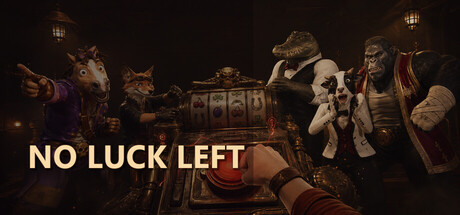
No Luck Left is developed by a solo developer. To help create the game's 3D character models within the scope of a one-person project, I used generative AI tools such as Meshy and TripoSR during development. The resulting pre-generated assets were selected, optimized and integrated into the game by me. No content is generated by AI during gameplay, and the game does not connect to an external AI service.
The game’s core artwork and content were created by people. Generative AI use was limited to select elements of UI images and icons, Steam capsule image retouching, map and calendar textures within buildings, and localization translations.
Some art assets and marketing images were created or assisted with generative AI during development, then curated and edited for the final game. The game does not generate AI content in real time during play.
Generative AI was used during development to assist in creating some pre-generated visual assets and marketing materials. All AI-assisted content was reviewed, selected, and adjusted by the developer before being included in the game or on its Steam store page. The game does not use generative AI to create content during gameplay.
AI was used as a coding assistant during development, and for translations.
I’m a software engineer with 25 years of programming experience. I used AI to help with technical implementation while I focused on the game’s design, systems, balance, and overall feel.
Generative AI was used to assist in coding and translations for different languages.
Some graphical store assets also used AI in its design, mostly as a composition tool to combine game scenes with human made art.
Generative AI was used to create musical compositions for fictional K-pop groups. All such content was created in advance; the AI does not generate new content during gameplay.
Some store visuals (capsule art) were created using AI image generation tools.
Game text translations for languages other than English/Turkish were done with the assistance of AI translation and manual review.
Cutscenes and the visual slides featuring dialogue were created with the assistance of AI.
The key art was developed by hand by our art team but some AI generated content may have been included via store asses. A coding agent was used to help write features.
Generative AI was used exclusively to assist in polishing the game's logo. All gameplay systems, code, and visual elements were developed directly by me.
Some of the images used in the game were created with generative AI tools. However, all questions, answer choices, facts, and other written content were created and edited by humans.
Some of the in-game background images and the store Capsule image art assets in this game were created using pre-rendered generative AI tools. These assets were then reviewed, refined, and integrated by our development team to fit the game's artistic vision
Some artistic assets in this game (including scene materials, item icons, visual effects, etc.) are created with the assistance of generative AI technology. All AI-generated content has been manually screened, adjusted, and reviewed for compliance by the development team to meet relevant regulations and platform policies.
We have used AI for generating the Achievement Icons and ingredients icons which were then edited to keep a consistent art style. AI mockups were used for inspiration along side many UI from different games. All UI graphics, logos and 3D models in game are either manually created, purchased or dowloaded from asset store.
Some visual and audio assets were created with generative AI tools and then reviewed and edited by the developer: the city background scenes, the store trailers (including the animated cinematic and its character), the music tracks and ambient loops, and store/marketing images such as capsules and the icon. All gameplay, game design, code, UI, and text were written by the developer. No AI-generated content is created at runtime.
This game uses generative AI-assisted content in some pre-rendered assets, such as visual effects, UI elements, background or promotional artwork, marketing/community materials, and localization. No live generative AI system is used during gameplay, and the game does not generate new player-facing content dynamically while the player is playing.
Salvage Inc. was designed, developed, and assembled by a human developer. Generative AI tools were used to assist in the creation of some game assets, including certain visual and audio elements.
This game features AI-assisted artwork and language translation. All assets were [reviewed or edited or approved] by the developer to ensure quality and consistency with the game's vision.
The pixel art in Miners Cat Revolution: the cats, the icons and the store art was generated with AI and then edited and assembled by hand. The translations into the nine languages other than Spanish were AI-assisted and reviewed afterwards.
Everything else is human-made: the code, the game design, the balance and the original Spanish text are written by one person.
Nothing is generated while you play. All of it ships with the game, finished and fixed.
The store and library capsule images and the logo were created with AI image generation tools and edited by hand; AI also assisted with the store description and the in-game translations. The game itself contains no AI-generated content and generates nothing while you play. All screenshots and trailer footage come from the actual game.
We use generative AI to support the creation of promotional materials, translations, selected artwork, music, and sound effects. These tools help bring our ideas to life, while the game’s creative direction and final decisions will always remain in human hands.
Art assets (backgrounds, capybara and object sprites, capsules, icon), the store trailer footage, sound effects, ambience and music were generated with AI tools (image and video generation, PixelLab, ElevenLabs) from the developer's own references and direction, then cropped, scaled, palette-snapped and composed by hand-written code. The translations of the game and store texts into languages other than Portuguese and English were produced with AI and reviewed by the developer. All code, game design, writing and the original Portuguese and English texts are human-made. The game does not generate any content at runtime.
We are using AI to help write, structure, and/or review written code by the team. Some of the artwork in this game was produced with the help of generative AI tools.
Generative AI was used during development to assist with the creation of some visual assets and marketing materials. All AI-assisted content used in the final game and on the Steam store page has been reviewed and edited by the developer.
Grindveil's art is made with generative AI tools. We generate, then pick, crop, recolour and optimise every piece by hand before it ships, and we throw out the ones that do not fit. The same goes for part of the writing: item and location names, some of the lore in the in-game Codex, and the interface translations for our fourteen languages are drafted with AI help and reviewed by us.
Nothing is generated while you play. No AI runs on your machine, nothing you type is sent to an AI service, and every image and every line of text in the game was made and checked before release.
Some of the content in Abyss Floors was created with the help of generative AI tools, always under the developer's direction and review:
Text — Portions of the game's descriptive and flavor text (item and ability descriptions, interface copy, and atmospheric lore lines) were drafted with AI assistance and edited by the developer.
Store & branding art — The store-page capsules, library images, and other branding graphics were produced with AI-assisted tools.
Abyss Floors is a text- and table-driven simulation, so there is no AI-generated illustrated art in actual gameplay, and all screenshots on this page are captured directly from the live game. The game's design, balance, systems, and code are the developer's own, with AI used as a development aid rather than to generate gameplay content.
This game utilized generative AI tools to assist with code writing. All AI-generated content has been strictly tested, reviewed, and optimized to ensure game quality and stability.
No Luck Left is developed by a solo developer. To help create the game's 3D character models within the scope of a one-person project, I used generative AI tools such as Meshy and TripoSR during development. The resulting pre-generated assets were selected, optimized and integrated into the game by me. No content is generated by AI during gameplay, and the game does not connect to an external AI service.
The game’s core artwork and content were created by people. Generative AI use was limited to select elements of UI images and icons, Steam capsule image retouching, map and calendar textures within buildings, and localization translations.
Some art assets and marketing images were created or assisted with generative AI during development, then curated and edited for the final game. The game does not generate AI content in real time during play.
Generative AI was used during development to assist in creating some pre-generated visual assets and marketing materials. All AI-assisted content was reviewed, selected, and adjusted by the developer before being included in the game or on its Steam store page. The game does not use generative AI to create content during gameplay.
AI was used as a coding assistant during development, and for translations.
I’m a software engineer with 25 years of programming experience. I used AI to help with technical implementation while I focused on the game’s design, systems, balance, and overall feel.
Generative AI was used to assist in coding and translations for different languages.
Some graphical store assets also used AI in its design, mostly as a composition tool to combine game scenes with human made art.
Generative AI was used to create musical compositions for fictional K-pop groups. All such content was created in advance; the AI does not generate new content during gameplay.
Some store visuals (capsule art) were created using AI image generation tools.
Game text translations for languages other than English/Turkish were done with the assistance of AI translation and manual review.
Cutscenes and the visual slides featuring dialogue were created with the assistance of AI.
The key art was developed by hand by our art team but some AI generated content may have been included via store asses. A coding agent was used to help write features.
Generative AI was used exclusively to assist in polishing the game's logo. All gameplay systems, code, and visual elements were developed directly by me.
Some of the images used in the game were created with generative AI tools. However, all questions, answer choices, facts, and other written content were created and edited by humans.