Public Steam disclosure research25,380 disclosures tracked
Where do games disclose AI use?
Search developers’ Steam disclosures, compare classified AI use across
games, and follow recorded changes.
This index adds cross-game classifications and statistics to
statements published on individual store pages.
Groups reflect automatic analysis of public disclosures; mature records are excluded. These counts do not measure AI use across all of Steam.
Missing or unclear statements cannot establish whether a game uses AI.
AI was only used to generate minimal resources to support ball and chalk design.
All AI-assisted content has been reviewed, and the final assets were manually drawn and retouched to fit the game's artistic style and atmosphere.
This game used generative AI tools during development to assist with a limited portion of visual and audio asset creation. All AI-assisted content was reviewed and curated by the developer before release. No AI content is generated live during gameplay.
I developed this game entirely on my own, handling all the game design, hand-drawn artwork, and music composition myself.
Only the translations/localizations were generated by AI.
Portions of the in-game codex (character biographies, historical battle summaries) were drafted with the assistance of a large language model based on the developer's own lore notes and edited by hand. A subset of pixel-art tile and prop textures were procedurally generated from developer-written Python scripts. All content is reviewed and finalized by the developer; no generative image models (e.g. Stable Diffusion, Midjourney) were used to produce in-game art.
This game makes extensive use of generative AI in the creation of most game assets, including 3D modeling, voice, sound, video, images, textures, scenario and narrative writing, and translation/localization. As a result, various content and assets included in the game may be generated or assisted using generative AI.
All assets in this game — art, music, and text — were created by humans. During development, generative AI tools were used for coding assistance and debugging. All resulting code was reviewed and approved by a human developer before inclusion.
As a solo developer, AI has been a big help in making the development of this game more efficient by assisting in, but not be the sole performer of: testing, performing repetitive and some programming tasks, brainstorming and discussions, translations and some design.
Some character, creature, environment, loop-video, and marketing artwork was created with generative AI during development, then reviewed, edited, and approved by the development team. The game does not generate content at runtime, connect to external AI services, or send player input to AI services.
Generative AI tools were used during development to assist in creating and refining some pre-generated 2D artwork and Steam store marketing assets. All AI-assisted content was reviewed and edited by the development team. The game does not generate AI content during gameplay.
Portions of the game's code were written with AI assistance and reviewed, tested and integrated by the developer. Localization into non-English languages was machine-assisted and human-reviewed. Some 2D concept/marketing artwork was AI-assisted and manually refined. All gameplay, game design and audio are human-made. The game does not generate any content with AI at runtime.
Generative AI was used during development to create selected pre-generated store graphics, story illustrations, and in-game art. These assets were reviewed and edited before inclusion. The game does not generate AI content at runtime and does not send player input or personal data to AI services.
Generative AI was used selectively during development for certain materials; all final content was refined by the developer. No real-time AI generation is used.
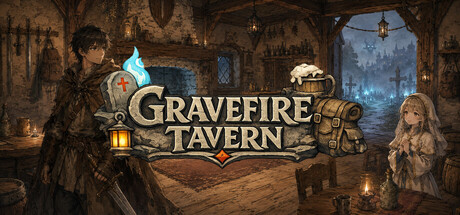
This game contains pre-generated 2D artwork and source code created with ChatGPT during development. All game source code was generated with ChatGPT, then reviewed, tested, debugged, and integrated by the developer. The artwork was generated from original prompts written for Gravefire Tavern, then reviewed, selected, edited, composited, cropped, and integrated by the developer. No generative AI runs during gameplay, and no player input is sent to an AI service.
All AI involvement is pre-generated and human-reviewed: nothing is generated while you play, the game runs no AI models, and it never sends your data anywhere.
Galithia uses generative AI during development for some concepting, visual iteration, and content support. Any AI-assisted assets or materials are reviewed, modified, and integrated by the developer, with final approval and creative direction remaining fully human-led. Gameplay systems, combat balance, encounter design, and final implementation are developer-controlled.
AI was used during development to assist with the creation of certain visual elements.
All AI-assisted content is reviewed, edited, and approved by the developer before being integrated into the game.
The game's menu interface and Steam store page assets (capsule images and other promotional artwork) were designed with the assistance of an AI-based design tool. All other art, environments, characters, and audio in the game were created without the use of generative AI.
AI tools were used as part of the game's visual production and post-production workflow.
The game's 3D assets, environments, characters, animations, and scenes are created and rendered by the developer. AI is primarily used to upscale lower-resolution renders to higher resolutions, helping reduce rendering time while maintaining the desired visual quality.
In some cinematic sequences, AI-assisted tools are also used as part of the production process. Additionally, AI may be used for certain visual corrections, modifications, or minor fixes to rendered images instead of re-rendering an entire scene.
AI is therefore used as a supporting tool in the development and post-production process, while the overall artistic direction, 3D production, scene creation, rendering, and final implementation are handled by the developer.
Generative AI tools were used during development to assist in creating some in-game visual assets, graphical assets, and store marketing artwork. All generated materials were selected, edited, adjusted, and reviewed by the developer before being included. The game does not use generative AI to generate content during gameplay.
Generative AI was used during development to create all visual art assets and music featured in the game. The generated content was reviewed, selected, and integrated by the developer. The game does not generate AI content during gameplay.
Generative AI was used during development to assist with some programming tasks, multilingual translations of in-game text, and the creation of certain graphics and sounds. All AI-assisted output was reviewed and edited by the developer. No AI content is generated in real time during gameplay.
Generative AI tools were used during development to create and refine selected 2D artwork and UI elements, and to assist with some narrative text and localization. All AI-assisted content was reviewed, edited, and integrated by the developer. The game does not generate content using AI during gameplay.
Generative AI was used to assist in creating some visual assets, dialogue, and localization for the game. AI-generated visual assets were manually pixel-edited, recolored, and refined by the developer to match the game's art style. AI-assisted dialogue and localization were reviewed and edited by the developer before being included in the game. No generative AI content is created dynamically during gameplay.
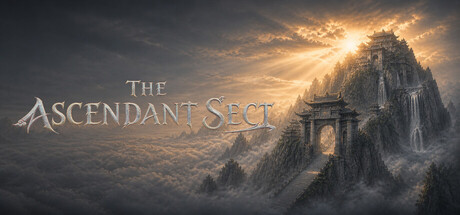
About 10% of this game’s art assets were created with AI-assisted design, including some combat scenes and talent icons. All AI-generated content was reviewed, adjusted, and polished by artists. The remaining art assets were hand-crafted.
Generative AI tools were used during the development of this game to assist with programming, debugging, translation, and content creation. Some artwork, text, and other assets were also generated or processed with the assistance of generative AI, then reviewed and edited by the development team. The game does not use generative AI at runtime or generate content in response to player input. The development team remains responsible for all content included in the final game.
Generative AI tools were used during development to create some pre-generated 2D visual assets, including 102 high-value loot icons. The outputs were selected, manually cleaned, cropped, edited, and reviewed before inclusion in the game. No content is generated during gameplay, and the game makes no runtime connection to external generative-AI services.
Generative AI tools were used during development to assist in creating selected pre-generated 2D visual assets, promotional artwork, and localized text. All AI-assisted content was reviewed, edited, and curated by the developer before being included in the game or its store materials. Altaria Online does not use generative AI to create content during gameplay, and no player input is sent to external AI services.
AI was used during development to help produce the game's code and visual art, including item icons. All AI-assisted work is reviewed, refined, and finalized by the developer. No content is generated by AI while the game is running.
Portions of this game were created with the assistance of generative artificial intelligence (AI) technologies, as detailed below:
· Art assets: In-game item icons, character portraits, and grotto building sprites were produced using AI image generation tools during the creative process, then curated, modified, and integrated by the development team.
· Text content: Certain narrative text, item descriptions, and multilingual localization translations were drafted with the assistance of AI language models, and subsequently reviewed and revised by hand.
· Real-time NPC dialogue: The game features an optional NPC dialogue system through which players may configure their own large language model API to have NPCs generate dialogue in real time. This feature is entirely optional; when not configured, the game uses built-in pre-written dialogue lines.
Creator
Hangzhou Binjiang Huan Yinfeng Network Technology Studio
Generative AI tools were used during development to create and assist with many of the game's visual assets, including character artwork, card illustrations, backgrounds, and UI elements. These assets were generated during development and are included in the game as pre-generated, static content. The game does not use generative AI to create content during gameplay.
Some in-game 2D assets (item and UI icons) and marketing materials (store capsule artwork and logo) were created with the help of generative AI image tools and then edited by hand. All code, level design, 3D assets and gameplay systems are authored by the developer. No content is generated by AI during gameplay.
Generative AI was used during development to assist with programming and to help
produce some 3D models and logo artwork, all reviewed and integrated by the developer.
No AI runs while you play: the game is fully offline and generates no content at runtime.
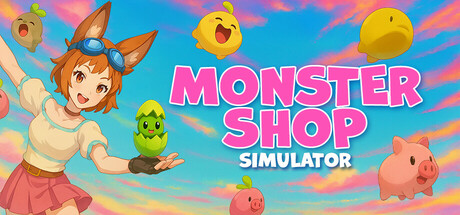
The images shown on the monster reveal screen after an egg is cracked, and the artwork used on the daily report screen, were created with generative AI.
Generative AI tools were used to assist in the creation of some artwork, store page graphics, 3D assets, and audio content. No generative AI is used to generate content live during gameplay.
DriveGear includes some pre-generated visual and audio assets created with AI tools. These assets were selected and edited by the developer and ship as fixed content. No content is generated by AI during gameplay.
AI was only used to generate minimal resources to support ball and chalk design.
All AI-assisted content has been reviewed, and the final assets were manually drawn and retouched to fit the game's artistic style and atmosphere.
This game used generative AI tools during development to assist with a limited portion of visual and audio asset creation. All AI-assisted content was reviewed and curated by the developer before release. No AI content is generated live during gameplay.
I developed this game entirely on my own, handling all the game design, hand-drawn artwork, and music composition myself.
Only the translations/localizations were generated by AI.
Portions of the in-game codex (character biographies, historical battle summaries) were drafted with the assistance of a large language model based on the developer's own lore notes and edited by hand. A subset of pixel-art tile and prop textures were procedurally generated from developer-written Python scripts. All content is reviewed and finalized by the developer; no generative image models (e.g. Stable Diffusion, Midjourney) were used to produce in-game art.
This game makes extensive use of generative AI in the creation of most game assets, including 3D modeling, voice, sound, video, images, textures, scenario and narrative writing, and translation/localization. As a result, various content and assets included in the game may be generated or assisted using generative AI.
All assets in this game — art, music, and text — were created by humans. During development, generative AI tools were used for coding assistance and debugging. All resulting code was reviewed and approved by a human developer before inclusion.
As a solo developer, AI has been a big help in making the development of this game more efficient by assisting in, but not be the sole performer of: testing, performing repetitive and some programming tasks, brainstorming and discussions, translations and some design.
Some character, creature, environment, loop-video, and marketing artwork was created with generative AI during development, then reviewed, edited, and approved by the development team. The game does not generate content at runtime, connect to external AI services, or send player input to AI services.
Generative AI tools were used during development to assist in creating and refining some pre-generated 2D artwork and Steam store marketing assets. All AI-assisted content was reviewed and edited by the development team. The game does not generate AI content during gameplay.
Portions of the game's code were written with AI assistance and reviewed, tested and integrated by the developer. Localization into non-English languages was machine-assisted and human-reviewed. Some 2D concept/marketing artwork was AI-assisted and manually refined. All gameplay, game design and audio are human-made. The game does not generate any content with AI at runtime.
Generative AI was used during development to create selected pre-generated store graphics, story illustrations, and in-game art. These assets were reviewed and edited before inclusion. The game does not generate AI content at runtime and does not send player input or personal data to AI services.
Generative AI was used selectively during development for certain materials; all final content was refined by the developer. No real-time AI generation is used.
This game contains pre-generated 2D artwork and source code created with ChatGPT during development. All game source code was generated with ChatGPT, then reviewed, tested, debugged, and integrated by the developer. The artwork was generated from original prompts written for Gravefire Tavern, then reviewed, selected, edited, composited, cropped, and integrated by the developer. No generative AI runs during gameplay, and no player input is sent to an AI service.
All AI involvement is pre-generated and human-reviewed: nothing is generated while you play, the game runs no AI models, and it never sends your data anywhere.
Galithia uses generative AI during development for some concepting, visual iteration, and content support. Any AI-assisted assets or materials are reviewed, modified, and integrated by the developer, with final approval and creative direction remaining fully human-led. Gameplay systems, combat balance, encounter design, and final implementation are developer-controlled.
AI was used during development to assist with the creation of certain visual elements.
All AI-assisted content is reviewed, edited, and approved by the developer before being integrated into the game.
The game's menu interface and Steam store page assets (capsule images and other promotional artwork) were designed with the assistance of an AI-based design tool. All other art, environments, characters, and audio in the game were created without the use of generative AI.
AI tools were used as part of the game's visual production and post-production workflow.
The game's 3D assets, environments, characters, animations, and scenes are created and rendered by the developer. AI is primarily used to upscale lower-resolution renders to higher resolutions, helping reduce rendering time while maintaining the desired visual quality.
In some cinematic sequences, AI-assisted tools are also used as part of the production process. Additionally, AI may be used for certain visual corrections, modifications, or minor fixes to rendered images instead of re-rendering an entire scene.
AI is therefore used as a supporting tool in the development and post-production process, while the overall artistic direction, 3D production, scene creation, rendering, and final implementation are handled by the developer.
Generative AI tools were used during development to assist in creating some in-game visual assets, graphical assets, and store marketing artwork. All generated materials were selected, edited, adjusted, and reviewed by the developer before being included. The game does not use generative AI to generate content during gameplay.
Generative AI was used during development to create all visual art assets and music featured in the game. The generated content was reviewed, selected, and integrated by the developer. The game does not generate AI content during gameplay.
Generative AI was used during development to assist with some programming tasks, multilingual translations of in-game text, and the creation of certain graphics and sounds. All AI-assisted output was reviewed and edited by the developer. No AI content is generated in real time during gameplay.
Generative AI tools were used during development to create and refine selected 2D artwork and UI elements, and to assist with some narrative text and localization. All AI-assisted content was reviewed, edited, and integrated by the developer. The game does not generate content using AI during gameplay.
Generative AI was used to assist in creating some visual assets, dialogue, and localization for the game. AI-generated visual assets were manually pixel-edited, recolored, and refined by the developer to match the game's art style. AI-assisted dialogue and localization were reviewed and edited by the developer before being included in the game. No generative AI content is created dynamically during gameplay.
About 10% of this game’s art assets were created with AI-assisted design, including some combat scenes and talent icons. All AI-generated content was reviewed, adjusted, and polished by artists. The remaining art assets were hand-crafted.
Generative AI tools were used during the development of this game to assist with programming, debugging, translation, and content creation. Some artwork, text, and other assets were also generated or processed with the assistance of generative AI, then reviewed and edited by the development team. The game does not use generative AI at runtime or generate content in response to player input. The development team remains responsible for all content included in the final game.
Generative AI tools were used during development to create some pre-generated 2D visual assets, including 102 high-value loot icons. The outputs were selected, manually cleaned, cropped, edited, and reviewed before inclusion in the game. No content is generated during gameplay, and the game makes no runtime connection to external generative-AI services.
Generative AI tools were used during development to assist in creating selected pre-generated 2D visual assets, promotional artwork, and localized text. All AI-assisted content was reviewed, edited, and curated by the developer before being included in the game or its store materials. Altaria Online does not use generative AI to create content during gameplay, and no player input is sent to external AI services.
AI was used during development to help produce the game's code and visual art, including item icons. All AI-assisted work is reviewed, refined, and finalized by the developer. No content is generated by AI while the game is running.
Portions of this game were created with the assistance of generative artificial intelligence (AI) technologies, as detailed below:
· Art assets: In-game item icons, character portraits, and grotto building sprites were produced using AI image generation tools during the creative process, then curated, modified, and integrated by the development team.
· Text content: Certain narrative text, item descriptions, and multilingual localization translations were drafted with the assistance of AI language models, and subsequently reviewed and revised by hand.
· Real-time NPC dialogue: The game features an optional NPC dialogue system through which players may configure their own large language model API to have NPCs generate dialogue in real time. This feature is entirely optional; when not configured, the game uses built-in pre-written dialogue lines.
Hangzhou Binjiang Huan Yinfeng Network Technology Studio
Generative AI tools were used during development to create and assist with many of the game's visual assets, including character artwork, card illustrations, backgrounds, and UI elements. These assets were generated during development and are included in the game as pre-generated, static content. The game does not use generative AI to create content during gameplay.
Some in-game 2D assets (item and UI icons) and marketing materials (store capsule artwork and logo) were created with the help of generative AI image tools and then edited by hand. All code, level design, 3D assets and gameplay systems are authored by the developer. No content is generated by AI during gameplay.
Generative AI was used during development to assist with programming and to help
produce some 3D models and logo artwork, all reviewed and integrated by the developer.
No AI runs while you play: the game is fully offline and generates no content at runtime.
The images shown on the monster reveal screen after an egg is cracked, and the artwork used on the daily report screen, were created with generative AI.
Generative AI tools were used to assist in the creation of some artwork, store page graphics, 3D assets, and audio content. No generative AI is used to generate content live during gameplay.
DriveGear includes some pre-generated visual and audio assets created with AI tools. These assets were selected and edited by the developer and ship as fixed content. No content is generated by AI during gameplay.