


Disclosure
AI tools were used during development to create the pixel art, the game's text and promotional images. Pawnbroke does not generate AI content during gameplay.
- Creator
- Kasperzack Games
- Reviews
- -
- Added
- Oct 12, 2026
Public Steam disclosure research 25,376 disclosures tracked
Search developers’ Steam disclosures, compare classified AI use across games, and follow recorded changes. This index adds cross-game classifications and statistics to statements published on individual store pages.
Code help, debugging and other development work.
Capsule art, trailers and promotional material.
Pre-made art, audio, writing and other game assets.
Interactive or runtime AI features disclosed by the developer.
Groups reflect automatic analysis of public disclosures; mature records are excluded. These counts do not measure AI use across all of Steam. Missing or unclear statements cannot establish whether a game uses AI.
AI tools were used during development to create the pixel art, the game's text and promotional images. Pawnbroke does not generate AI content during gameplay.
No generative AI models or services run during gameplay.
AI tools were used in making this game.
Generative AI tools were used to create music and visual artwork, including store and promotional images. These assets were generated before release and selected by the developer. No AI content is generated during gameplay.
AI-assisted tools were used during the development of Tidy Up Her Toys as part of the creative and production workflow. AI was utilized to assist with certain aspects of programming and development, music creation, and the production of selected graphical and visual elements. These tools were used to support the development process, experimentation, iteration, and creative production. The overall game design, direction, implementation, integration, editing, and final creative decisions were handled by the developer. AI-generated and AI-assisted content was reviewed, adapted, and integrated into the game as part of the development process.
Some of the images on our store page were created by artificial intelligence and edits were made on the images. and some images in the game were made by artificial intelligence.
AI image tools were used to make some of the art, which was then edited by hand. No content is generated while the game runs.
AI tools assisted with translations of some in-game text for localization.
Some of the ui and logos use ai
Generative AI was used during development to help create visual assets, including textures and 3D models, as well as music, in-game text, including fictional film titles and catalog descriptions, and translations. AI tools were also used to create store and promotional artwork. All such content was created in advance. The game does not generate AI content during gameplay or connect to external AI services.
An AI-generated sketch is used as a starting point. Everything else is made by a human: every shipped image is redrawn and retouched by hand, and the code, game design and texts are written by the developer.
Some AI-generated content is used as placeholder during development and will be replaced before release.
We used AI tools a bit to help with some assets, then reworked them ourselves until they felt right for the game.
Generative AI tools were used to help create promotional artwork and store page images for VoxelCraft. AI is not used to generate in-game content, code, or gameplay at runtime.
Generative AI was used to assist with localization of in-game text from English to Spanish, French, German, Japanese, Korean, Simplified Chinese, Portuguese, and Russian.
Some graphical assets were created using generative AI during development.
Generative AI assisted in creating selected illustrations, visual assets, narrative text, and translations during development, including store materials. No content is generated by AI during gameplay.
The game is made by a single developer, with help from two friends. I used generative AI for some of the artwork (backgrounds, portraits, icons, book covers, record sleeves, skies) and for some of the music, selecting, editing and integrating every asset by hand. 3D models were bought from their creators, taken from free libraries or made in Blender, and sound effects come from free sound libraries: all authors are credited in the game.
Generative AI tools were used to help create some visual assets, music, and store/promotional materials, and to assist with translation. No generative AI is used to create content during gameplay.
Pre-generated AI artwork and audio. No AI is generated during gameplay. Licensed third-party assets are used.
Generative AI was used to create promotional store artwork and assist with written store descriptions. The game includes Midnight Cocktails, an instrumental background-music track created with Suno. It contains no sung or spoken words.
Generative AI tools were used during development to assist in creating some pre-generated 3D assets. All AI-assisted content is created and reviewed during development. The game does not generate AI content during gameplay and does not connect to external AI services.
Generative AI was used for some visual and audio assets and text. No content is generated during play.
This game uses AI-generated art and other assets.
Pre-generated AI was used to create some promotional artwork for the Steam store page. All such assets are reviewed and selected by the developer before publication. The game does not use live-generated AI content during gameplay.
Text has been embellished with AI and translations are also AI.
The game's UI assets, background music, and sound effects are generated using AI
Generative AI tools were used in the development of some visual assets, primarily to help enhance and upscale textures and create additional variations. All assets were reviewed and integrated by the development team as part of the game's art pipeline.
Generative AI assisted some game art, store illustrations, logos and icons. Screenshots show the actual development build. No AI content is generated during gameplay.
All content in Stack Heroes is generated using AI, including artwork, character and scene illustrations, UI graphics, music, sound effects, story and dialogue, other text, localization, and game program code. This content is generated during development and included in the game. The game does not generate AI content during gameplay or connect to external AI services.
Generative AI was used during development to assist with pre-rendered character and environment artwork, animations, music and sound effects, and portions of narrative writing and localization. These materials are included as fixed game assets. The game does not generate AI content or connect to external AI services during gameplay.
AI coding tools have been used to aid development.
I used AI for the Code assistance and for Graphics
Some artwork and music in the game were created using generative AI. Generative AI was also used to create store and promotional artwork.
The in game graphics were generated with ai.
AI tools were used during development to create music, selected sound effects and promotional artwork, and to assist with written content and translations. Content is prepared in advance; no AI content is generated during gameplay.
This game uses generative AI in the production and development process. All AI-assisted art is reviewed and curated by the development team before being included in the game.
Nuclear Kitty Games is a human-led studio whose team brings 15 years of professional game-development experience. We use AI and large language models (LLMs) to support development and content creation, improve our workflows and speed up iteration. Our developers direct the design and development of every game, and review and integrate the final content. We are game makers and players who care about the games we create. Some content included in this game and its promotional materials was created with generative AI assistance. No content is AI-generated during gameplay.
Some promotional artwork for Escape From Space, including images on its Steam store and library pages, was created with the assistance of generative AI and reviewed before use. The game does not generate content with AI during gameplay.
Generative AI tools may be used to assist with text localization/translation and to support sound effects or background audio production during development. No AI-generated visual assets, 3D models, or artwork are used in the final build of the game.
This game did use generative AI during its development. This was more of a fun side project while working on the main project (Ducki's Descent, which doesn't use AI), tinkering around with AI since my fiancé likes this genre of games, so since it uses AI its free.
The original 100 000+ word story was written by me in German. I used the AI ChatGPT to help me with localising that into English. This translation was prepared, guided and proof-read by me, to ensure that certain fantastic elements of the story and the world within the game carried over into English. Despite that, much of the actual translating was done by the AI.
This game includes pre-generated AI-assisted visual and audio assets, including gemstone, tool, environment, achievement, and promotional artwork, background music, and sound effects, as well as AI-assisted localization drafts. All included content was generated before release and was selected, edited, composited, mixed, and reviewed by the developer. The game does not generate content with AI during gameplay and does not connect to a generative AI service.
Generative AI was used during development to create selected pre-generated visual assets, including some character models, weapon presentation models and related images, as well as some promotional artwork for the store. These assets were selected, post-processed and integrated by the developer. Store gameplay screenshots are captured from the running game and have not been generatively altered; they may show game content that uses pre-generated AI assets. The current game does not call generative AI services or generate new content during play.
Generative AI tools were used during development to create and refine visual artwork, including spacecraft images, environments, story illustrations, and promotional graphics. This content was prepared during development and is included as fixed assets. Fleet Forge does not generate AI artwork, dialogue, or other content during gameplay.
AI was used to edit capsule artwork and background music tracks.
Generative AI tools may be used during development to assist in creating certain pre-generated visual, written, audio, or marketing content. All such content is reviewed and curated by the development team before inclusion. The game does not use generative AI to generate content during gameplay.
Generative AI tools were used during development to help create [name the specific assets, such as textures, character animations, or sound effects]. These assets are included as fixed content. The game does not generate AI content during gameplay.
Generative AI tools were used during the development of this game to assist with creating certain visual assets, audio assets, and programming code. All AI-assisted content has been reviewed, edited, and integrated by the developer to ensure consistency with the game's artistic direction and overall quality. The game does not use generative AI to create content during gameplay.
Generative AI was used to generate some marketing materials. No generative AI was used for any asset in the game.
| Title⇅ | Disclosure | Creator⇅ | Src | Reviews⇅ | Added↓ |
|---|---|---|---|---|---|
 Pawnbroke In-game content arttext | AI tools were used during development to create the pixel art, the game's text and promotional images. Pawnbroke does not generate AI content during gameplay. | Kasperzack Games | - | Oct 12, 2026 | |
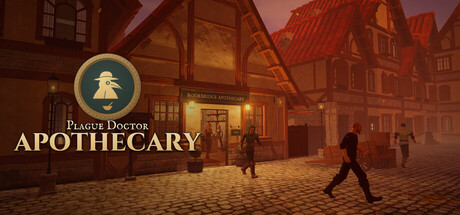 Plague Doctor: Apothecary general | No generative AI models or services run during gameplay. | PolyPixel Interactive | - | Oct 12, 2026 | |
 Lostwell Unclear | AI tools were used in making this game. | Claywire Games | - | Oct 12, 2026 | |
 Autonomous System Zero In-game content artaudio | Generative AI tools were used to create music and visual artwork, including store and promotional images. These assets were generated before release and selected by the developer. No AI content is generated during gameplay. | OneManSprint | - | Oct 12, 2026 | |
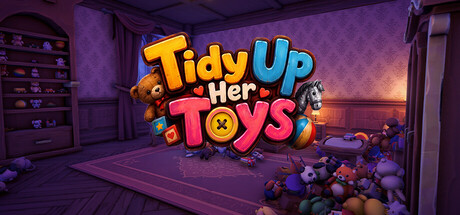 Tidy Up Her Toys In-game content artaudiocode | AI-assisted tools were used during the development of Tidy Up Her Toys as part of the creative and production workflow.
AI was utilized to assist with certain aspects of programming and development, music creation, and the production of selected graphical and visual elements. These tools were used to support the development process, experimentation, iteration, and creative production.
The overall game design, direction, implementation, integration, editing, and final creative decisions were handled by the developer. AI-generated and AI-assisted content was reviewed, adapted, and integrated into the game as part of the development process. | Volkan Kutlubay | - | Oct 12, 2026 | |
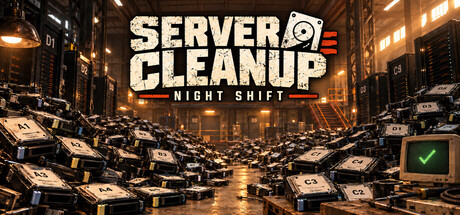 Server Cleanup: Night Shift In-game content art | Some of the images on our store page were created by artificial intelligence and edits were made on the images. and some images in the game were made by artificial intelligence. | BigFish Studio | - | Oct 12, 2026 | |
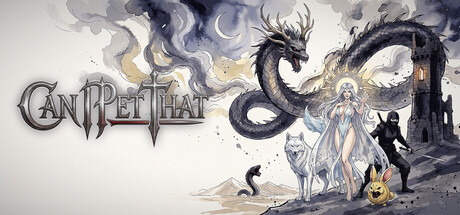 Can I Pet That In-game content art | AI image tools were used to make some of the art, which was then edited by hand. No content is generated while the game runs. | Grass Fight Games | - | Oct 12, 2026 | |
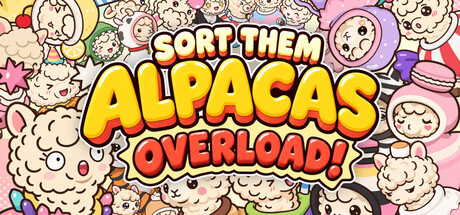 SORT THEM ALPACAS: OVERLOAD! In-game content text | AI tools assisted with translations of some in-game text for localization. | Shy Gekko | - | Oct 12, 2026 | |
 中国厨师模拟器 In-game content art | Some of the ui and logos use ai | egg | - | Oct 12, 2026 | |
 The Film Archive In-game content artaudiotext | Generative AI was used during development to help create visual assets, including textures and 3D models, as well as music, in-game text, including fictional film titles and catalog descriptions, and translations. AI tools were also used to create store and promotional artwork. All such content was created in advance. The game does not generate AI content during gameplay or connect to external AI services. | Breakwater Forge | - | Oct 12, 2026 | |
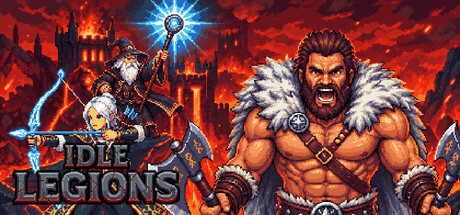 Idle Legions Dev only art | An AI-generated sketch is used as a starting point. Everything else is made by a human: every shipped image is redrawn and retouched by hand, and the code, game design and texts are written by the developer. | ALPACA TEAM | - | Oct 12, 2026 | |
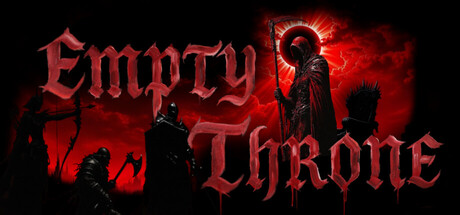 Empty Throne general | Some AI-generated content is used as placeholder during development and will be replaced before release. | Man All In Studios | - | Oct 12, 2026 | |
 Bento Express In-game content art | We used AI tools a bit to help with some assets, then reworked them ourselves until they felt right for the game. | Pluvia Nova | - | Oct 12, 2026 | |
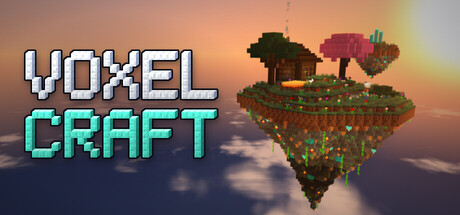 VoxelCraft Store/marketing art | Generative AI tools were used to help create promotional artwork and store page images for VoxelCraft. AI is not used to generate in-game content, code, or gameplay at runtime. | Pale Static Games | - | Oct 11, 2026 | |
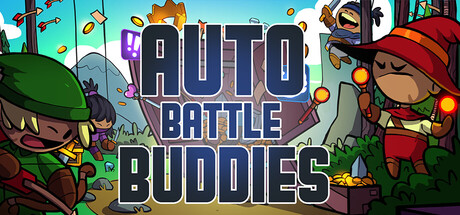 Auto Battle Buddies In-game content text | Generative AI was used to assist with localization of in-game text from English to Spanish, French, German, Japanese, Korean, Simplified Chinese, Portuguese, and Russian. | Casual Clam | - | Oct 11, 2026 | |
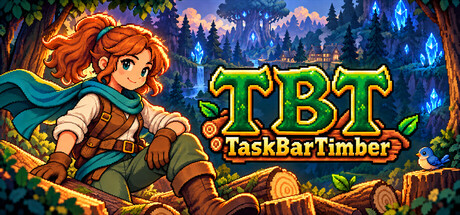 TBT : TaskBarTimber Dev only art | Some graphical assets were created using generative AI during development. | AINFORGE | - | Oct 10, 2026 | |
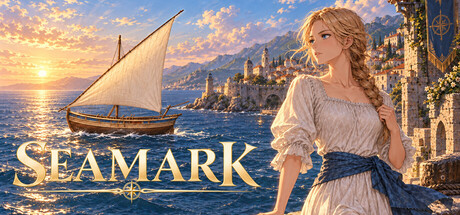 SEAMARK Store/marketing arttext | Generative AI assisted in creating selected illustrations, visual assets, narrative text, and translations during development, including store materials. No content is generated by AI during gameplay. | UREMORU | - | Oct 10, 2026 | |
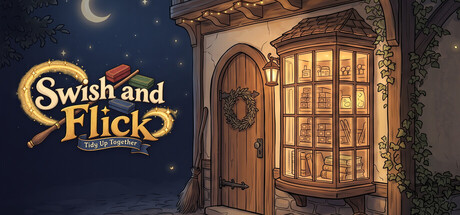 Swish and Flick: Tidy Up Together In-game content artaudio | The game is made by a single developer, with help from two friends. I used generative AI for some of the artwork (backgrounds, portraits, icons, book covers, record sleeves, skies) and for some of the music, selecting, editing and integrating every asset by hand. 3D models were bought from their creators, taken from free libraries or made in Blender, and sound effects come from free sound libraries: all authors are credited in the game. | Sylvanus | - | Oct 10, 2026 | |
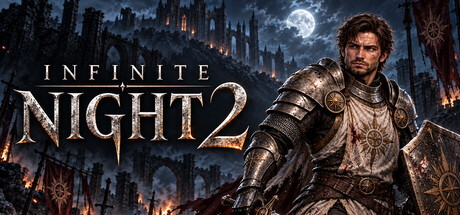 Infinite Night 2 In-game content artaudiotext | Generative AI tools were used to help create some visual assets, music, and store/promotional materials, and to assist with translation. No generative AI is used to create content during gameplay. | SUHO LEE | - | Oct 10, 2026 | |
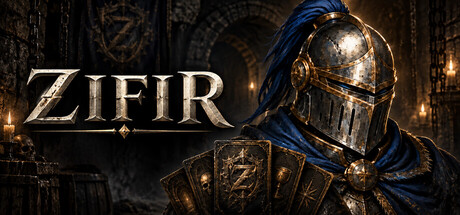 Zifir In-game content artaudio | Pre-generated AI artwork and audio. No AI is generated during gameplay. Licensed third-party assets are used. | KNM Game Studio | - | Oct 10, 2026 | |
 Last Call: Bar Simulator In-game content arttextaudio | Generative AI was used to create promotional store artwork and assist with written store descriptions. The game includes Midnight Cocktails, an instrumental background-music track created with Suno. It contains no sung or spoken words. | Marji Development Studio | - | Oct 10, 2026 | |
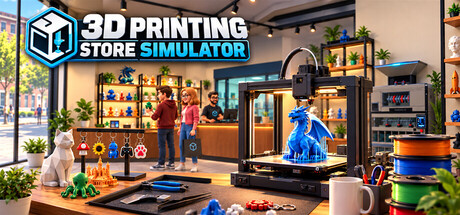 3D Printing Store Simulator In-game content art | Generative AI tools were used during development to assist in creating some pre-generated 3D assets. All AI-assisted content is created and reviewed during development. The game does not generate AI content during gameplay and does not connect to external AI services. | IW Works | - | Oct 10, 2026 | |
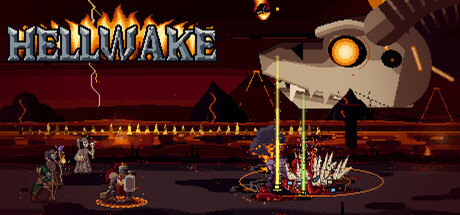 Hellwake In-game content artaudiotext | Generative AI was used for some visual and audio assets and text. No content is generated during play. | Precise Media AB | - | Oct 10, 2026 | |
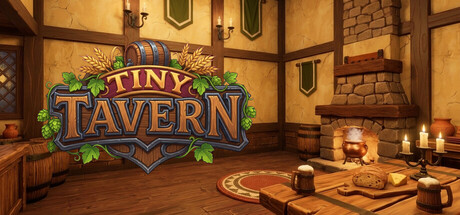 Tiny Tavern In-game content art | This game uses AI-generated art and other assets. | VAFORT | - | Oct 10, 2026 | |
 Just bury! Store/marketing art | Pre-generated AI was used to create some promotional artwork for the Steam store page. All such assets are reviewed and selected by the developer before publication. The game does not use live-generated AI content during gameplay. | Chamchi Gimbap Games | - | Oct 10, 2026 | |
 Chartward In-game content text | Text has been embellished with AI and translations are also AI. | Golden Calf Games | - | Oct 10, 2026 | |
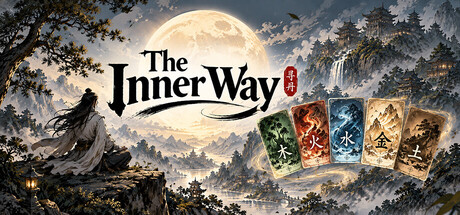 寻丹 In-game content artaudio | The game's UI assets, background music, and sound effects are generated using AI | 刚正面的红领巾 | - | Oct 10, 2026 | |
 Mightmancer In-game content art | Generative AI tools were used in the development of some visual assets, primarily to help enhance and upscale textures and create additional variations. All assets were reviewed and integrated by the development team as part of the game's art pipeline. | Haphazardly | - | Oct 10, 2026 | |
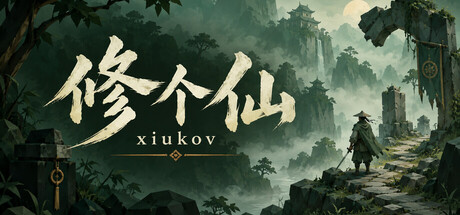 xiukov In-game content art | Generative AI assisted some game art, store illustrations, logos and icons. Screenshots show the actual development build. No AI content is generated during gameplay. | Luyu Games | - | Oct 10, 2026 | |
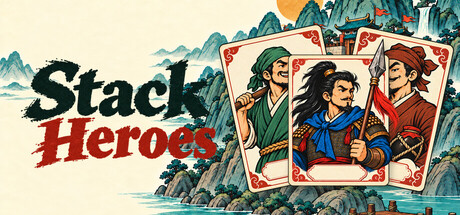 梁山叠义 In-game content artaudiotextcode | All content in Stack Heroes is generated using AI, including artwork, character and scene illustrations, UI graphics, music, sound effects, story and dialogue, other text, localization, and game program code. This content is generated during development and included in the game. The game does not generate AI content during gameplay or connect to external AI services. | XieMiao | - | Oct 10, 2026 | |
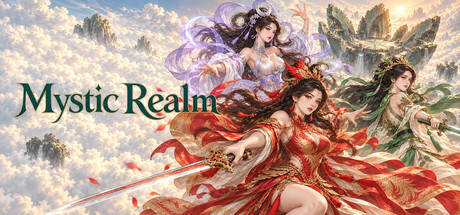 玄境 In-game content artaudiotext | Generative AI was used during development to assist with pre-rendered character and environment artwork, animations, music and sound effects, and portions of narrative writing and localization. These materials are included as fixed game assets. The game does not generate AI content or connect to external AI services during gameplay. | FunPlaceGame | - | Oct 10, 2026 | |
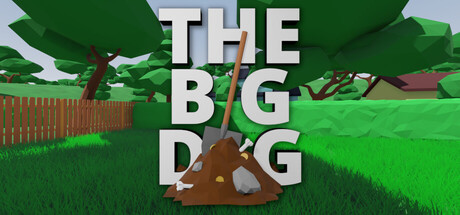 The Big Dig Dev only code | AI coding tools have been used to aid development. | henkelmax | - | Oct 10, 2026 | |
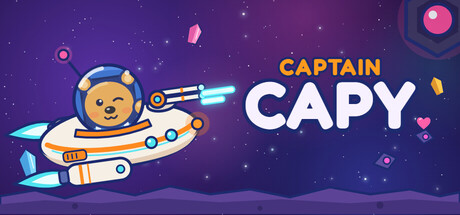 Captain Capy - Roguelike Space Crafter Unclear artcode | I used AI for the Code assistance and for Graphics | To_Galan | - | Oct 10, 2026 | |
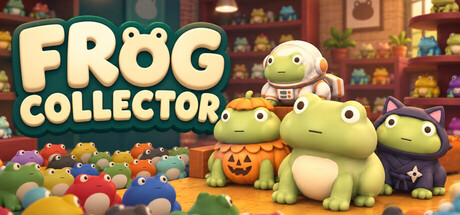 Frog Collector In-game content artaudio | Some artwork and music in the game were created using generative AI. Generative AI was also used to create store and promotional artwork. | TidyMage | - | Oct 9, 2026 | |
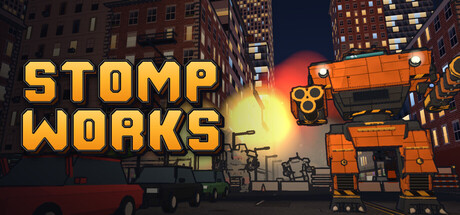 Stompworks In-game content art | The in game graphics were generated with ai. | KRUMB Games | - | Oct 9, 2026 | |
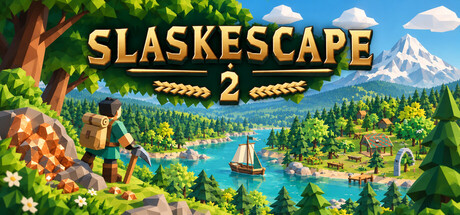 Slaskescape 2 In-game content audiotextart | AI tools were used during development to create music, selected sound effects and promotional artwork, and to assist with written content and translations. Content is prepared in advance; no AI content is generated during gameplay. | Slaske Studios | - | Oct 9, 2026 | |
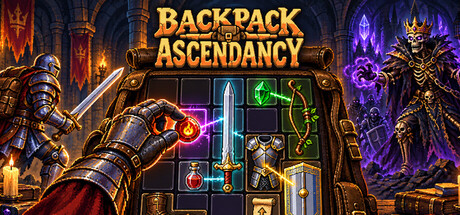 Backpack Ascendancy In-game content art | This game uses generative AI in the production and development process. All AI-assisted art is reviewed and curated by the development team before being included in the game. | i00nqw | - | Oct 9, 2026 | |
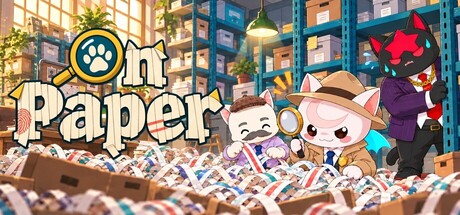 On Paper In-game content arttext | Nuclear Kitty Games is a human-led studio whose team brings 15 years of professional game-development experience. We use AI and large language models (LLMs) to support development and content creation, improve our workflows and speed up iteration. Our developers direct the design and development of every game, and review and integrate the final content. We are game makers and players who care about the games we create.
Some content included in this game and its promotional materials was created with generative AI assistance. No content is AI-generated during gameplay. | Nuclear Kitty Games | - | Oct 9, 2026 | |
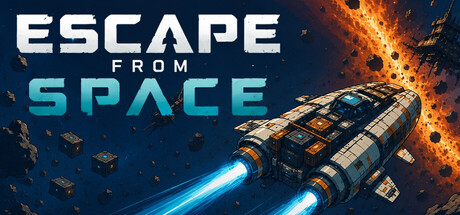 Escape From Space Store/marketing art | Some promotional artwork for Escape From Space, including images on its Steam store and library pages, was created with the assistance of generative AI and reviewed before use. The game does not generate content with AI during gameplay. | Deep Space North | - | Oct 9, 2026 | |
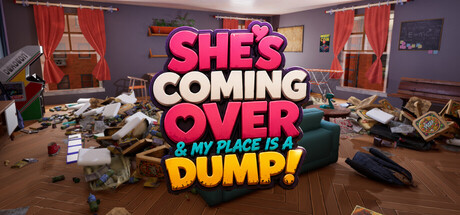 She's Coming Over & My Place is a Dump! In-game content textaudio | Generative AI tools may be used to assist with text localization/translation and to support sound effects or background audio production during development. No AI-generated visual assets, 3D models, or artwork are used in the final build of the game. | We Had a Plan | - | Oct 9, 2026 | |
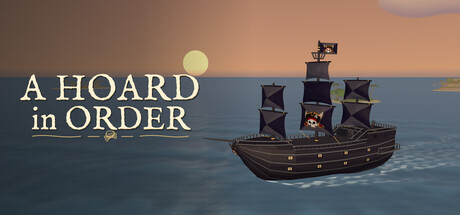 A Hoard in Order Dev only | This game did use generative AI during its development. This was more of a fun side project while working on the main project (Ducki's Descent, which doesn't use AI), tinkering around with AI since my fiancé likes this genre of games, so since it uses AI its free. | Salty Scallop Games | - | Oct 9, 2026 | |
 Abenteurergildenmeister In-game content text | The original 100 000+ word story was written by me in German. I used the AI ChatGPT to help me with localising that into English. This translation was prepared, guided and proof-read by me, to ensure that certain fantastic elements of the story and the world within the game carried over into English. Despite that, much of the actual translating was done by the AI. | Oiko | - | Oct 9, 2026 | |
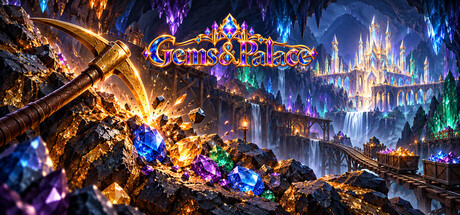 Gems & Palace In-game content artaudiotext | This game includes pre-generated AI-assisted visual and audio assets, including gemstone, tool, environment, achievement, and promotional artwork, background music, and sound effects, as well as AI-assisted localization drafts. All included content was generated before release and was selected, edited, composited, mixed, and reviewed by the developer. The game does not generate content with AI during gameplay and does not connect to a generative AI service. | FYF | - | Oct 9, 2026 | |
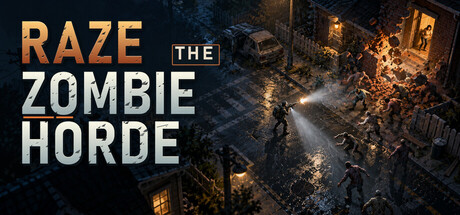 Raze the Zombie Horde In-game content art | Generative AI was used during development to create selected pre-generated visual assets, including some character models, weapon presentation models and related images, as well as some promotional artwork for the store. These assets were selected, post-processed and integrated by the developer. Store gameplay screenshots are captured from the running game and have not been generatively altered; they may show game content that uses pre-generated AI assets. The current game does not call generative AI services or generate new content during play. | Moonwrought Studio | - | Oct 9, 2026 | |
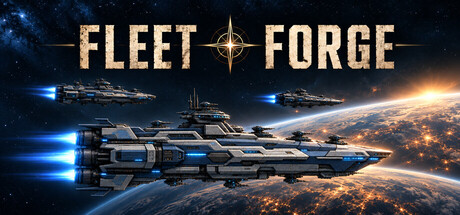 Fleet Forge In-game content art | Generative AI tools were used during development to create and refine visual artwork, including spacecraft images, environments, story illustrations, and promotional graphics. This content was prepared during development and is included as fixed assets. Fleet Forge does not generate AI artwork, dialogue, or other content during gameplay. | Richard Stake | - | Oct 9, 2026 | |
 Bar Owner Simulator In-game content artaudio | AI was used to edit capsule artwork and background music tracks. | Curve Street | - | Oct 9, 2026 | |
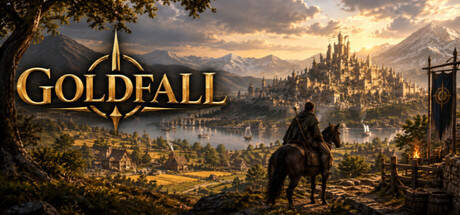 Goldfall In-game content arttextaudio | Generative AI tools may be used during development to assist in creating certain pre-generated visual, written, audio, or marketing content. All such content is reviewed and curated by the development team before inclusion. The game does not use generative AI to generate content during gameplay. | IAMDEXTER | - | Oct 9, 2026 | |
 Reel Risk In-game content art | Generative AI tools were used during development to help create [name the specific assets, such as textures, character animations, or sound effects]. These assets are included as fixed content. The game does not generate AI content during gameplay. | Reel Risk Studio | - | Oct 9, 2026 | |
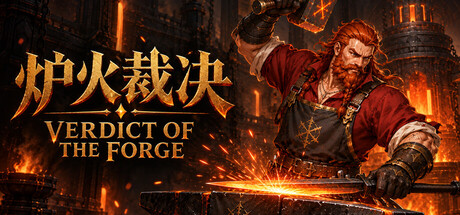 Verdict of the Forge In-game content artaudiocode | Generative AI tools were used during the development of this game to assist with creating certain visual assets, audio assets, and programming code. All AI-assisted content has been reviewed, edited, and integrated by the developer to ensure consistency with the game's artistic direction and overall quality. The game does not use generative AI to create content during gameplay. | 航海工作室 | - | Oct 9, 2026 | |
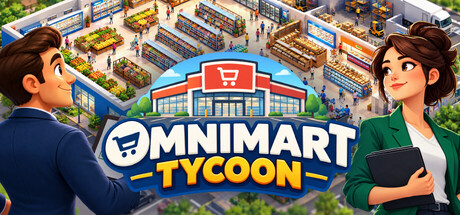 OmniMart Tycoon Store/marketing art | Generative AI was used to generate some marketing materials. No generative AI was used for any asset in the game. | sugames | - | Oct 9, 2026 |


