Public Steam disclosure research25,380 disclosures tracked
Where do games disclose AI use?
Search developers’ Steam disclosures, compare classified AI use across
games, and follow recorded changes.
This index adds cross-game classifications and statistics to
statements published on individual store pages.
Groups reflect automatic analysis of public disclosures; mature records are excluded. These counts do not measure AI use across all of Steam.
Missing or unclear statements cannot establish whether a game uses AI.
AI tools were used to assist development, including code, Chinese/Spanish localization text and store page copy. All AI-assisted content was reviewed and curated by the developer. The game does not generate any content with AI at runtime.
This game is built by a two-member team: a human developer and an AI assistant working under his direction. Large parts of the game code and many pre-rendered assets (enemy creatures, towers, environment props, marketing artwork) were created with the assistance of generative AI — always based on human design decisions, and reviewed, tested and curated by the developer. The game does not generate any content at runtime using AI.
AI was used strictly to block out a few initial base meshes, which I then manually reworked to fit the game's style & performance.
No AI runs at runtime.
The development of Memento made use of generative AI tools across several stages of production. Cutscenes are created using AI-based video generation tools. Graphic elements such as environments, characters, and card illustrations were created or refined with the help of generative AI tools. Parts of the soundtrack and text were also produced with AI assistance. All content was manually selected, edited, and integrated by the developer.
Crooked Derby includes some pre-generated visual assets created with generative AI. All AI-assisted content was iterated on, reviewed, and approved by the developer before being included in the game.
Generative AI was used during production of some visual and audio assets. All generated material is selected, directed, edited, and integrated through a human-led creative process. The game does not generate content with AI during play.
Global Plates uses generative AI in limited, development-time ways only:
• Music: the game's soundtrack was created using AI music generation tools, then selected and edited by the developer.
• Store page artwork: the key art is based on real screenshots rendered directly from the game, stylized with AI image tools.
All other content — 3D environments, machines, characters, and game design — was hand-crafted by the developer or licensed from professional asset libraries. The game does not use generative AI at runtime: nothing is AI-generated while you play.
AI tools were used during development to assist with the creation and refinement of some visual assets. All content included in the final game was selected, edited, and integrated by the developer.
Generative AI was used to assist in the creation of certain Steam store page artwork (excluding screenshots and trailers) and in the multilingual localization of the store page.
Some art assets in this game were created or assisted by generative AI tools during development, including selected icons, textures, and promotional images. All such assets were pre-generated, manually reviewed, edited, and integrated into the game. The game does not generate AI content during runtime and does not connect to or use any external AI services.
This game was developed based on the concept of creating a Steam game with AI and Unity. Some in-game 3D models, images/artwork, UI elements, sounds, text, and multilingual localization copy were generated or assisted by generative AI tools, then directly edited, arranged, implemented, and finalized by the developer in Unity.
The game does not generate new AI content in real time during gameplay. All AI-generated or AI-assisted elements were created, reviewed, and edited in advance before being included as part of the game content.
Generative AI was used during development for certain text descriptions and for a limited number of illustrative assets. These visuals were subsequently reworked by the game’s artist for consistency with the game’s final style. No generative AI is used during gameplay.
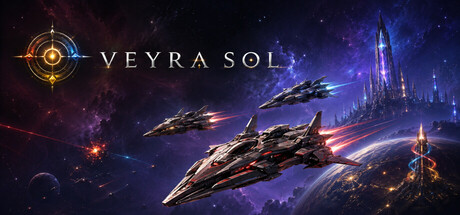
Veyrasol uses generative AI tools as part of its art pipeline. Both 3D models and 2D artwork used in the game (illustrations, backgrounds, UI and unit icons), as well as store page and marketing graphics such as capsule images and banners, were created with the help of generative AI tools and then reviewed, edited and assembled by the developer. Generative AI tools were also used to help write parts of the marketing website and store page copy. The core game (engine, server logic, real-time combat, and systems) is hand-coded by the developer, and no content is generated by AI at runtime during play.
This game uses generative AI to assist with parts of the localization process. All AI-assisted translations are reviewed and edited by the developer before being included in the game.
Some temporary horror sound effects and vocal effects in this game were created using generative AI tools during development. These assets have been reviewed and integrated by the developer. As development continues and resources become available, these temporary AI-generated audio assets may be replaced with recordings created by professional voice actors and sound engineers to further enhance the game's atmosphere and realism.
Salt and Soil uses generative AI during gameplay to create some Annual Family Council narrative text and structured choice outcomes based on the current campaign state. Generated council content is constrained by the game’s historical setting, family data, localization rules, and gameplay schema, then validated before it is shown to the player.
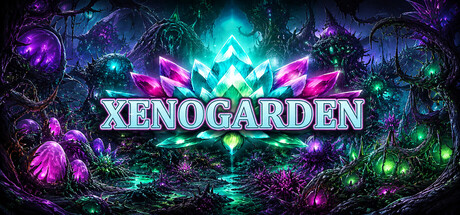
Generative AI-assisted tools were used as part of the development process for Xenogarden.
This includes support in creating and refining selected visual content such as concept art, artwork, textures, marketing materials and store page assets, as well as assistance with text, localization, sound/music ideas and creative drafts.
All content included in the game is pre-generated, selected, reviewed and curated. The game does not generate new AI content during gameplay and does not connect to external AI services during gameplay.
The game does not use live AI-generated content. All gameplay assets were created by an artist. Some promotional images and UI artwork were initially generated with AI and then manually edited and refined.
Some static store and marketing assets were created with AI-assisted tools, then reviewed, edited, and integrated by the developer. The game does not generate AI content during gameplay.
Some store page text, marketing copy, and promotional planning materials for Black File were created with assistance from generative AI tools and reviewed, edited, and approved by the development team before publication. The game does not use generative AI to create content during gameplay.
We used a Gen AI powered tool to localize the following:
- (in some languages) In-game text
- (in some languages) Steam store descriptions
We plan to replace these with human translation and LQA when we can afford it.
Until then, we are using Gen AI temporarily.
Parts of development (coding assistance) and the store/marketing page's text and graphics were created using AI-assisted tools (including Anthropic Claude). In-game graphics and audio come from licensed asset packs or were assembled manually; no content is generated by AI at runtime within the game.
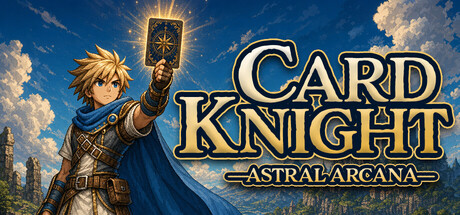
In order to realize my childhood dream of building this game, I have leveraged AI in every step of the development process, augmenting my capabilities as an engineer and visual designer by having AI generate some of the sprites, music, sound effects, voices, and code used to build this game.
I pledge that if Card Knight: Astral Arcana is successful, the sequel title will be brought to life by a team of human artists, composers, and programmers.
During the Early Access period and onwards to launch, we will be integrating and testing AI technologies to create ongoing secondary content like daily and weekly quests, and the material surrounding those quests needed to communicate that to the gamer.
We expect these to significantly enhance the user experience for gamers when used as tools under the guidance of the development team.
Some visual assets, including characters, environments, objects, and backgrounds, were produced with the help of generative AI tools during development, then curated, edited, cleaned up, and integrated manually under human art direction to achieve a consistent visual style.
Pre-generated content (created during development, not at runtime):
- In-game parody movie cover art: generated with AI tools and manually reviewed by the team to ensure all covers are original parodies and do not reproduce trademarked logos, brands, or copyrighted characters.
- In-game parody movie titles and descriptions: drafted with AI assistance and manually edited by the team.
- In-game UI and text translations into the 8 supported languages: produced with AI assistance and reviewed by the team.
No live generative AI is used at runtime. All AI-assisted content is baked into the game build.
Core game assets (code, gameplay design, UI art, character and shop sprites, music and sound effects) were NOT generated with AI.
MegaDope 2D uses generative AI assisted tools during development to help create and refine visual assets, character and environment concepts, UI elements, music, sound effects, and promotional/trailer materials. All AI assisted assets are curated, edited, and implemented by the developer as part of the final game. The game does not currently generate new AI content live during gameplay.
AI-assisted tools were used to help create some ability icons and some HUD elements. The assets were reviewed and integrated into the game by the developers.
100% human made code, art, design, and audio!
AI assistance was only used for a tiny fraction of the text localizations to fill small gaps in our community made translations and for translating the Steam store page descriptions to non English languages.
Some of Citadel Zero's visual assets (pixel-art sprites, icons, and backgrounds) were created with the help of generative AI tools, then reviewed and refined by the developer. All such content is pre-generated and baked into the game — Citadel Zero performs no real-time AI generation and connects to no AI service while you play.
This game uses pre-generated AI-assisted content.
Most of the visual assets used in the game and its promotional materials were created with the help of generative AI tools, including character images, background images, key visual materials, and video/trailer assets.
All AI-assisted outputs were reviewed, selected, edited, and integrated by the developer before being included in the game. The game does not generate AI content in real time during gameplay.
AI tools were used to assist development, including code, Chinese/Spanish localization text and store page copy. All AI-assisted content was reviewed and curated by the developer. The game does not generate any content with AI at runtime.
This game is built by a two-member team: a human developer and an AI assistant working under his direction. Large parts of the game code and many pre-rendered assets (enemy creatures, towers, environment props, marketing artwork) were created with the assistance of generative AI — always based on human design decisions, and reviewed, tested and curated by the developer. The game does not generate any content at runtime using AI.
AI was used strictly to block out a few initial base meshes, which I then manually reworked to fit the game's style & performance.
No AI runs at runtime.
The development of Memento made use of generative AI tools across several stages of production. Cutscenes are created using AI-based video generation tools. Graphic elements such as environments, characters, and card illustrations were created or refined with the help of generative AI tools. Parts of the soundtrack and text were also produced with AI assistance. All content was manually selected, edited, and integrated by the developer.
Crooked Derby includes some pre-generated visual assets created with generative AI. All AI-assisted content was iterated on, reviewed, and approved by the developer before being included in the game.
Generative AI was used during production of some visual and audio assets. All generated material is selected, directed, edited, and integrated through a human-led creative process. The game does not generate content with AI during play.
Global Plates uses generative AI in limited, development-time ways only:
• Music: the game's soundtrack was created using AI music generation tools, then selected and edited by the developer.
• Store page artwork: the key art is based on real screenshots rendered directly from the game, stylized with AI image tools.
All other content — 3D environments, machines, characters, and game design — was hand-crafted by the developer or licensed from professional asset libraries. The game does not use generative AI at runtime: nothing is AI-generated while you play.
AI tools were used during development to assist with the creation and refinement of some visual assets. All content included in the final game was selected, edited, and integrated by the developer.
Generative AI was used to assist in the creation of certain Steam store page artwork (excluding screenshots and trailers) and in the multilingual localization of the store page.
Some art assets in this game were created or assisted by generative AI tools during development, including selected icons, textures, and promotional images. All such assets were pre-generated, manually reviewed, edited, and integrated into the game. The game does not generate AI content during runtime and does not connect to or use any external AI services.
This game was developed based on the concept of creating a Steam game with AI and Unity. Some in-game 3D models, images/artwork, UI elements, sounds, text, and multilingual localization copy were generated or assisted by generative AI tools, then directly edited, arranged, implemented, and finalized by the developer in Unity.
The game does not generate new AI content in real time during gameplay. All AI-generated or AI-assisted elements were created, reviewed, and edited in advance before being included as part of the game content.
Generative AI was used during development for certain text descriptions and for a limited number of illustrative assets. These visuals were subsequently reworked by the game’s artist for consistency with the game’s final style. No generative AI is used during gameplay.
Veyrasol uses generative AI tools as part of its art pipeline. Both 3D models and 2D artwork used in the game (illustrations, backgrounds, UI and unit icons), as well as store page and marketing graphics such as capsule images and banners, were created with the help of generative AI tools and then reviewed, edited and assembled by the developer. Generative AI tools were also used to help write parts of the marketing website and store page copy. The core game (engine, server logic, real-time combat, and systems) is hand-coded by the developer, and no content is generated by AI at runtime during play.
This game uses generative AI to assist with parts of the localization process. All AI-assisted translations are reviewed and edited by the developer before being included in the game.
Some temporary horror sound effects and vocal effects in this game were created using generative AI tools during development. These assets have been reviewed and integrated by the developer. As development continues and resources become available, these temporary AI-generated audio assets may be replaced with recordings created by professional voice actors and sound engineers to further enhance the game's atmosphere and realism.
Salt and Soil uses generative AI during gameplay to create some Annual Family Council narrative text and structured choice outcomes based on the current campaign state. Generated council content is constrained by the game’s historical setting, family data, localization rules, and gameplay schema, then validated before it is shown to the player.
Generative AI-assisted tools were used as part of the development process for Xenogarden.
This includes support in creating and refining selected visual content such as concept art, artwork, textures, marketing materials and store page assets, as well as assistance with text, localization, sound/music ideas and creative drafts.
All content included in the game is pre-generated, selected, reviewed and curated. The game does not generate new AI content during gameplay and does not connect to external AI services during gameplay.
The game does not use live AI-generated content. All gameplay assets were created by an artist. Some promotional images and UI artwork were initially generated with AI and then manually edited and refined.
Some static store and marketing assets were created with AI-assisted tools, then reviewed, edited, and integrated by the developer. The game does not generate AI content during gameplay.
Some store page text, marketing copy, and promotional planning materials for Black File were created with assistance from generative AI tools and reviewed, edited, and approved by the development team before publication. The game does not use generative AI to create content during gameplay.
We used a Gen AI powered tool to localize the following:
- (in some languages) In-game text
- (in some languages) Steam store descriptions
We plan to replace these with human translation and LQA when we can afford it.
Until then, we are using Gen AI temporarily.
Parts of development (coding assistance) and the store/marketing page's text and graphics were created using AI-assisted tools (including Anthropic Claude). In-game graphics and audio come from licensed asset packs or were assembled manually; no content is generated by AI at runtime within the game.
In order to realize my childhood dream of building this game, I have leveraged AI in every step of the development process, augmenting my capabilities as an engineer and visual designer by having AI generate some of the sprites, music, sound effects, voices, and code used to build this game.
I pledge that if Card Knight: Astral Arcana is successful, the sequel title will be brought to life by a team of human artists, composers, and programmers.
During the Early Access period and onwards to launch, we will be integrating and testing AI technologies to create ongoing secondary content like daily and weekly quests, and the material surrounding those quests needed to communicate that to the gamer.
We expect these to significantly enhance the user experience for gamers when used as tools under the guidance of the development team.
Some visual assets, including characters, environments, objects, and backgrounds, were produced with the help of generative AI tools during development, then curated, edited, cleaned up, and integrated manually under human art direction to achieve a consistent visual style.
Pre-generated content (created during development, not at runtime):
- In-game parody movie cover art: generated with AI tools and manually reviewed by the team to ensure all covers are original parodies and do not reproduce trademarked logos, brands, or copyrighted characters.
- In-game parody movie titles and descriptions: drafted with AI assistance and manually edited by the team.
- In-game UI and text translations into the 8 supported languages: produced with AI assistance and reviewed by the team.
No live generative AI is used at runtime. All AI-assisted content is baked into the game build.
Core game assets (code, gameplay design, UI art, character and shop sprites, music and sound effects) were NOT generated with AI.
MegaDope 2D uses generative AI assisted tools during development to help create and refine visual assets, character and environment concepts, UI elements, music, sound effects, and promotional/trailer materials. All AI assisted assets are curated, edited, and implemented by the developer as part of the final game. The game does not currently generate new AI content live during gameplay.
AI-assisted tools were used to help create some ability icons and some HUD elements. The assets were reviewed and integrated into the game by the developers.
100% human made code, art, design, and audio!
AI assistance was only used for a tiny fraction of the text localizations to fill small gaps in our community made translations and for translating the Steam store page descriptions to non English languages.
Some of Citadel Zero's visual assets (pixel-art sprites, icons, and backgrounds) were created with the help of generative AI tools, then reviewed and refined by the developer. All such content is pre-generated and baked into the game — Citadel Zero performs no real-time AI generation and connects to no AI service while you play.
This game uses pre-generated AI-assisted content.
Most of the visual assets used in the game and its promotional materials were created with the help of generative AI tools, including character images, background images, key visual materials, and video/trailer assets.
All AI-assisted outputs were reviewed, selected, edited, and integrated by the developer before being included in the game. The game does not generate AI content in real time during gameplay.