Public Steam disclosure research25,380 disclosures tracked
Where do games disclose AI use?
Search developers’ Steam disclosures, compare classified AI use across
games, and follow recorded changes.
This index adds cross-game classifications and statistics to
statements published on individual store pages.
Groups reflect automatic analysis of public disclosures; mature records are excluded. These counts do not measure AI use across all of Steam.
Missing or unclear statements cannot establish whether a game uses AI.
Generative AI tools were used during development to assist in creating certain environmental textures and ambient sound effects to enhance the game's atmosphere. All generated assets were reviewed and integrated manually to fit the retro aesthetic of the game.
Generative AI tools were used during development to assist in the creation of some visual assets and textures. All AI-assisted content was reviewed and edited by the developer before being included in the game.
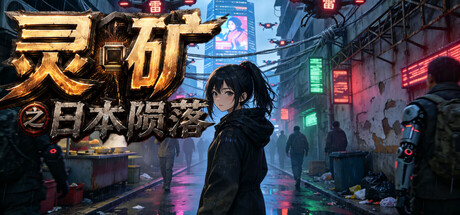
1. During development, due to objective constraints including limited budget, we utilized AI models such as GPT Image2, Banana2, Banana Pro and Seedream 5.0 Pro for art asset creation. Relevant AI-generated assets will be gradually replaced with fully original materials as development progresses.
2. DeepSeek V4 was used to assist translations for non-Chinese text versions. Chinese is the only official language of this game. Players may switch to other available languages in game settings, yet Ritsuai Works provides no guarantee regarding the quality of non-Chinese translations.
Generative AI tools were used during development to assist with portions of code writing and debugging, text drafting and editing, English localization, and the creation of some music assets. All related content was manually reviewed, revised, curated, and approved by the developer.
The game does not generate any AI content during gameplay and does not connect to external AI services.
Generative AI tools were used to assist in creating a limited number of 2D images included in the game and certain store-page graphical assets. All AI-assisted images were subsequently manually edited, corrected, and finalized by the developer. Other assets were created by the developer or obtained from appropriately licensed or free-to-use sources. The game does not use generative AI in real time.
This game used generative artificial intelligence to assist in creating certain content, including: concept designs for the opening comic and concept art for some UI elements. All AI-assisted content has been reviewed, edited, and remade manually. The game does not generate real-time AI content during runtime.
All video, voice and music content in this game was pre-generated using AI tools under full human direction. The story, characters, dialogue, game design, editing and code are original work by a solo developer. No content is generated while the game is running; players only ever see pre-produced, human-reviewed material.
Human solo dev made: writing, music, game design, game production, voice acting, SFX, and basically everything else. In addition, some 3D and VFX asset packs (plus additional SFX) were purchased from third-party marketplaces, where they are explicitly labeled as non-AI, human-made content, and credited in-game.
AI usage: AI helped with localization corrections, and was used to refine assets, strictly following human artistic direction and human-made examples — no generation from scratch. Example: Plum's character portraits are in-game mesh screenshots, inserted by me into pre-designed empty icon frames, then refined with AI for a more polished result.
Note: I would be happy to replace AI-refined assets with human artist's work, if this becomes financially possible in the future.
Generative AI tools were used during development to assist with the creation of selected pre-generated assets, including visual artwork, character assets, music, and sound effects. These tools were used as part of the development workflow, while the game's design, direction, gameplay systems, implementation, level design, and final integration were created and curated by the developer. No generative AI is used to create new content during gameplay.
Certain visual assets incorporated into the final product were subject to a multi-stage development, revision, and production process involving, at intermediate stages of asset preparation, generative AI-assisted material, together with subsequent developer-directed editing, alteration, reconstruction, and final implementation.
Some images and graphic elements used in the game were created with the assistance of generative artificial intelligence tools. These assets were subsequently selected, edited, and integrated into the game by the developers.
Generative AI has been used for concepts and early sketches of some backgrounds. No final graphical assets included in the game have been generated by AI.
Some promotional images have been enhanced using AI.
Some music tracks have been created with the help of AI.
Some music and sound in Perfectly Fair was created using AI tools (Suno AI, ElevenLabs) during development. All content is fixed in the final game; nothing is generated live during gameplay.
Generative AI was used to create some marketing assets, specifically the store capsule images and page banners. The core game content, including the code, levels, character pixel art, and music, has been traditionally developed to ensure a consistent and high-quality solo-developer experience.
This game used AI generated content in early phases for help with game art. This content was later modified or changed completely to achieve the creative vision of the developer.
This game utilized generative AI tools to assist with code writing and creative design during development. All AI-generated content has been strictly tested, reviewed, and optimized to ensure game quality and stability.
Pre-generated generative AI was used during development for selected static artwork and portions of player-facing writing and localization. All such content is fixed in the shipped build and was reviewed and edited during development. The game does not contact an AI service or generate content during play.
Generative AI Disclosure:
This game utilizes generative AI tools to assist in creating player-facing assets, including base visual artwork, narrative script drafts, and voiceover audio (via ElevenLabs).
All AI-assisted dialogue, visuals, and audio undergo significant manual editing, human curation, and design to ensure high production quality and artistic cohesion before shipping with the game. No live or dynamic generative AI is executed while the game is running.
We used Gemini AI during the development process to assist in generating some ambient background music tracks. Additionally, AI tools were used for minor assistance in refining some visual components and lighting enhancements for marketing assets. All components have been carefully curated, hand-edited, and integrated by the developer to comply with Steam's content policies.
The core gameplay, rules, progression structure, level objectives, and detailed level designs were created, reviewed, and finalized by the human development team. Generative AI was used only as a development aid for research and reference gathering, code assistance, and the initial creation of visual assets and in-game scene images. All AI-assisted content was manually selected, edited, integrated, and reviewed before being included in the game.
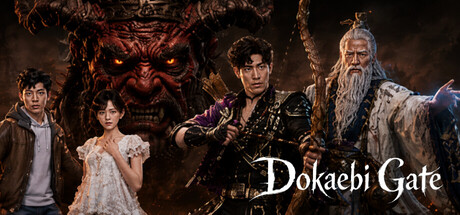
Some of the art and audio assets in Dokaebi Gate were created using generative AI tools, then processed and edited by hand before shipping. This covers equipment and item icons, some VFX textures, sound effects and background music, and a portion of the 3D enemy and environment models. Artwork used on this store page is included as well.
No AI runs while you play. Nothing is generated live during gameplay, and no player input or data is sent to any AI service. Game design, code, balance, and all writing are human-authored.
This game uses artificial Intelligence to render some of the games artwork, such as 2D sprites and sound effects.
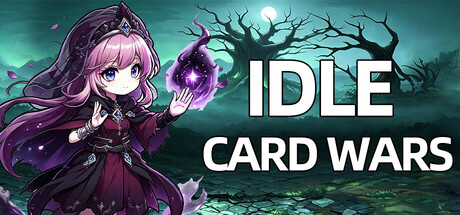
I've always loved the idle genre, AI has finally allowed me to create a game even with my somewhat limited artistic abilities.
As an independent developer/publisher, AI-assisted tools have been used selectively to support presentation and marketing workflows, not to replace the game’s creative direction or development.
The game itself is designed, directed, developed, coded, and assembled by human creators. Core gameplay systems, level design, story direction, implementation, and development decisions are not generated by AI.
AI helped with some writing, troubleshooting, localization, and the Steam store page. All art, animation, music, sound effects, and level design were created entirely by me. I reviewed and edited everything AI assisted with, and several translations were also checked by native speakers. The game does not generate AI content during gameplay and does not connect to any external AI services.
Nexus Ascendant contains pre-generated content created with the assistance of generative AI tools during development. This includes portions of the character and environment artwork, animated visual assets, user-interface graphics, gameplay textures, narrative writing, Japanese voice audio, and marketing materials. All AI-assisted content was selected, edited, reviewed, and integrated by the developer before inclusion. The game does not generate AI content during gameplay or transmit player data to generative AI services.
Generative AI was used as a base/concept for creating store page capsule graphics, which were subsequently hand-edited and post-processed in image editing software. No AI content is present in the game itself.
I received assistance from text-generative AI (LLM) for the English translation (localization) of all in-game text (dialogues, UI, system messages) and for writing the English description on the Steam store page.
AI was occasionally used to assist in the creation of certain textures. However, these instances are light-hearted and do not impact the creative vision of Static Field Interactive.
Generative AI tools were used during development to assist with certain production tasks, including localization and the creation of placeholder/reference materials. No AI-generated content is created during gameplay, and the game does not connect to or use any AI services while running.
This game contains pre-generated AI-assisted illustrations and visual assets. All AI-assisted content has been reviewed, modified, and integrated by the developer. The game does not generate AI content during gameplay and does not connect to external AI services.
Generative AI tools were used during development to assist in creating certain environmental textures and ambient sound effects to enhance the game's atmosphere. All generated assets were reviewed and integrated manually to fit the retro aesthetic of the game.
Generative AI tools were used during development to assist in the creation of some visual assets and textures. All AI-assisted content was reviewed and edited by the developer before being included in the game.
1. During development, due to objective constraints including limited budget, we utilized AI models such as GPT Image2, Banana2, Banana Pro and Seedream 5.0 Pro for art asset creation. Relevant AI-generated assets will be gradually replaced with fully original materials as development progresses.
2. DeepSeek V4 was used to assist translations for non-Chinese text versions. Chinese is the only official language of this game. Players may switch to other available languages in game settings, yet Ritsuai Works provides no guarantee regarding the quality of non-Chinese translations.
Generative AI tools were used during development to assist with portions of code writing and debugging, text drafting and editing, English localization, and the creation of some music assets. All related content was manually reviewed, revised, curated, and approved by the developer.
The game does not generate any AI content during gameplay and does not connect to external AI services.
Generative AI tools were used to assist in creating a limited number of 2D images included in the game and certain store-page graphical assets. All AI-assisted images were subsequently manually edited, corrected, and finalized by the developer. Other assets were created by the developer or obtained from appropriately licensed or free-to-use sources. The game does not use generative AI in real time.
This game used generative artificial intelligence to assist in creating certain content, including: concept designs for the opening comic and concept art for some UI elements. All AI-assisted content has been reviewed, edited, and remade manually. The game does not generate real-time AI content during runtime.
All video, voice and music content in this game was pre-generated using AI tools under full human direction. The story, characters, dialogue, game design, editing and code are original work by a solo developer. No content is generated while the game is running; players only ever see pre-produced, human-reviewed material.
Human solo dev made: writing, music, game design, game production, voice acting, SFX, and basically everything else. In addition, some 3D and VFX asset packs (plus additional SFX) were purchased from third-party marketplaces, where they are explicitly labeled as non-AI, human-made content, and credited in-game.
AI usage: AI helped with localization corrections, and was used to refine assets, strictly following human artistic direction and human-made examples — no generation from scratch. Example: Plum's character portraits are in-game mesh screenshots, inserted by me into pre-designed empty icon frames, then refined with AI for a more polished result.
Note: I would be happy to replace AI-refined assets with human artist's work, if this becomes financially possible in the future.
Generative AI tools were used during development to assist with the creation of selected pre-generated assets, including visual artwork, character assets, music, and sound effects. These tools were used as part of the development workflow, while the game's design, direction, gameplay systems, implementation, level design, and final integration were created and curated by the developer. No generative AI is used to create new content during gameplay.
Certain visual assets incorporated into the final product were subject to a multi-stage development, revision, and production process involving, at intermediate stages of asset preparation, generative AI-assisted material, together with subsequent developer-directed editing, alteration, reconstruction, and final implementation.
Some images and graphic elements used in the game were created with the assistance of generative artificial intelligence tools. These assets were subsequently selected, edited, and integrated into the game by the developers.
Generative AI has been used for concepts and early sketches of some backgrounds. No final graphical assets included in the game have been generated by AI.
Some promotional images have been enhanced using AI.
Some music tracks have been created with the help of AI.
Some music and sound in Perfectly Fair was created using AI tools (Suno AI, ElevenLabs) during development. All content is fixed in the final game; nothing is generated live during gameplay.
Generative AI was used to create some marketing assets, specifically the store capsule images and page banners. The core game content, including the code, levels, character pixel art, and music, has been traditionally developed to ensure a consistent and high-quality solo-developer experience.
This game used AI generated content in early phases for help with game art. This content was later modified or changed completely to achieve the creative vision of the developer.
This game utilized generative AI tools to assist with code writing and creative design during development. All AI-generated content has been strictly tested, reviewed, and optimized to ensure game quality and stability.
Pre-generated generative AI was used during development for selected static artwork and portions of player-facing writing and localization. All such content is fixed in the shipped build and was reviewed and edited during development. The game does not contact an AI service or generate content during play.
Generative AI Disclosure:
This game utilizes generative AI tools to assist in creating player-facing assets, including base visual artwork, narrative script drafts, and voiceover audio (via ElevenLabs).
All AI-assisted dialogue, visuals, and audio undergo significant manual editing, human curation, and design to ensure high production quality and artistic cohesion before shipping with the game. No live or dynamic generative AI is executed while the game is running.
We used Gemini AI during the development process to assist in generating some ambient background music tracks. Additionally, AI tools were used for minor assistance in refining some visual components and lighting enhancements for marketing assets. All components have been carefully curated, hand-edited, and integrated by the developer to comply with Steam's content policies.
The core gameplay, rules, progression structure, level objectives, and detailed level designs were created, reviewed, and finalized by the human development team. Generative AI was used only as a development aid for research and reference gathering, code assistance, and the initial creation of visual assets and in-game scene images. All AI-assisted content was manually selected, edited, integrated, and reviewed before being included in the game.
Some of the art and audio assets in Dokaebi Gate were created using generative AI tools, then processed and edited by hand before shipping. This covers equipment and item icons, some VFX textures, sound effects and background music, and a portion of the 3D enemy and environment models. Artwork used on this store page is included as well.
No AI runs while you play. Nothing is generated live during gameplay, and no player input or data is sent to any AI service. Game design, code, balance, and all writing are human-authored.
This game uses artificial Intelligence to render some of the games artwork, such as 2D sprites and sound effects.
I've always loved the idle genre, AI has finally allowed me to create a game even with my somewhat limited artistic abilities.
As an independent developer/publisher, AI-assisted tools have been used selectively to support presentation and marketing workflows, not to replace the game’s creative direction or development.
The game itself is designed, directed, developed, coded, and assembled by human creators. Core gameplay systems, level design, story direction, implementation, and development decisions are not generated by AI.
AI helped with some writing, troubleshooting, localization, and the Steam store page. All art, animation, music, sound effects, and level design were created entirely by me. I reviewed and edited everything AI assisted with, and several translations were also checked by native speakers. The game does not generate AI content during gameplay and does not connect to any external AI services.
Nexus Ascendant contains pre-generated content created with the assistance of generative AI tools during development. This includes portions of the character and environment artwork, animated visual assets, user-interface graphics, gameplay textures, narrative writing, Japanese voice audio, and marketing materials. All AI-assisted content was selected, edited, reviewed, and integrated by the developer before inclusion. The game does not generate AI content during gameplay or transmit player data to generative AI services.
Generative AI was used as a base/concept for creating store page capsule graphics, which were subsequently hand-edited and post-processed in image editing software. No AI content is present in the game itself.
I received assistance from text-generative AI (LLM) for the English translation (localization) of all in-game text (dialogues, UI, system messages) and for writing the English description on the Steam store page.
AI was occasionally used to assist in the creation of certain textures. However, these instances are light-hearted and do not impact the creative vision of Static Field Interactive.
Generative AI tools were used during development to assist with certain production tasks, including localization and the creation of placeholder/reference materials. No AI-generated content is created during gameplay, and the game does not connect to or use any AI services while running.
This game contains pre-generated AI-assisted illustrations and visual assets. All AI-assisted content has been reviewed, modified, and integrated by the developer. The game does not generate AI content during gameplay and does not connect to external AI services.