Public Steam disclosure research25,380 disclosures tracked
Where do games disclose AI use?
Search developers’ Steam disclosures, compare classified AI use across
games, and follow recorded changes.
This index adds cross-game classifications and statistics to
statements published on individual store pages.
Groups reflect automatic analysis of public disclosures; mature records are excluded. These counts do not measure AI use across all of Steam.
Missing or unclear statements cannot establish whether a game uses AI.
Some of the game's content was created with the assistance of generative AI tools and was then reviewed, edited and curated by the developer. This includes portions of the art assets, some audio content, and the translation of interface and subtitle text into languages other than Turkish and English. No content is generated by AI at runtime.
The vast majority of assets are created by me or commercially licensed. I have used AI-generated assets for a few buildings and UI elements as a base end then modified heavily in Photoshop. I am a solo developer and know it’s a controversial topic, but I hope the 1000+ hours I have spent in Photoshop shines through, but I still want to be honest.
Generated Content: visual art — characters, environment art and store/marketing capsule images created using Google Gemini, then edited and composited by hand.
Some pre-rendered artwork — event illustrations, key art, and store capsule images — was created with the assistance of generative AI tools, then selected, edited, and composited by the developer. Localization drafts were produced with AI translation tools and reviewed by the developer. All in-game unit, UI, and map art uses licensed, human-made asset packs. No content is generated by AI at runtime.
Generative AI was used during development to assist in the creation of the game’s logo as a pre-rendered marketing asset.
No generative AI is used during gameplay, and no AI-generated content is created or shown to players while playing the game.
Uses voice cloning by Speechify.
Uses AI generated images uploaded by other users to Pixabay when there wasn't a better alternative available.
Most such images are for character portraits and similar placeholder assets of secondary importance.
There is no prompt or direct AI usage.
We have used generative AI tools to translate the game into other languages and make it accessible to a wider audience. The development team has reviewed and overseen the integration of all text to ensure correct display and the proper functioning of the interface and menus.
Yes, we used AI to translate our game into several languages other than French and English, in order to make it accessible to a wider international audience.
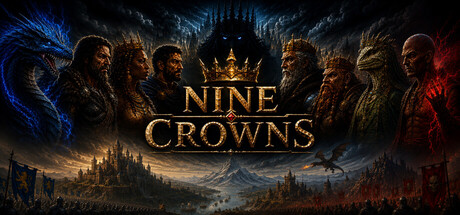
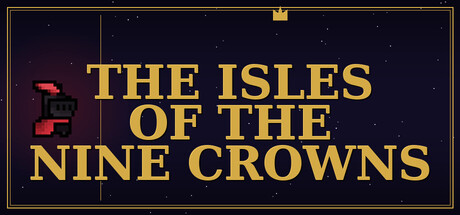
Nine Crowns uses generative AI as part of its art development process. AI-assisted tools are used to create and refine some character art, environments, sprites, and promotional artwork. These assets are selected, directed, edited, and reviewed by the development team before being included in the game. No AI content is generated during gameplay.
Generative AI was used to create and iteratively refine some graphics and promotional images, as well as to assist with writing and implementing the game’s code. All outputs were selected, reviewed, and integrated by the developer. No AI-generated content is produced during gameplay.
Generative AI was used to assist in creating pre-generated visual assets for the game and its promotional materials, including character artwork and event illustrations. It was also used to assist with portions of the game's text and localization. All included content was reviewed and curated by the developer. No content is generated by AI during gameplay.
As indie developers we use generative AI to power our creativity and build this game faster and according our community desires and our own vision for the game.
Art direction steered asset creation, SFX, store capsule artwork and the logo were produced with generative AI assistance then hand-edited. No generative AI runs at runtime; the game generates no content live.
I am a solo developer balancing this project with another job. To make this game a reality, I have used generative AI tools as an assistant during development, as well as to generate various pre-rendered assets: 2D visual elements (such as item icons, textures, and interface art) and the composition of the orchestral soundtrack.
Generative AI tools were used to assist with programming and translation/localization during development. All artwork and original dialogue were created by the developer. AI-assisted translations were reviewed and edited by the developer before being included in the game. No generative AI is used during gameplay.
This game uses generative AI tools as part of its art creation process. Visual assets — including background and environment art, character and unit art, and card illustrations — were generated with the assistance of AI and then reviewed and refined by hand. All AI-assisted content is checked to ensure it meets our quality and originality standards.
Generative AI tools were used during development to assist with the creation of some visual assets, written content, and localization used in the game and related store materials. All AI-assisted content was reviewed and, where necessary, edited by the developer before release. The game does not generate AI content during gameplay and does not rely on external AI services while being played.
Some small props and interface icons in this game began as AI-generated meshes and textures (text-to-3D / image-to-3D), which were then reworked by hand, retopologised, re-scaled, colour-graded and assembled before shipping. All other art comes from licensed asset packs and hand kitbashing. Nothing is generated live: no AI runs during play, and no player input is sent to an AI service.
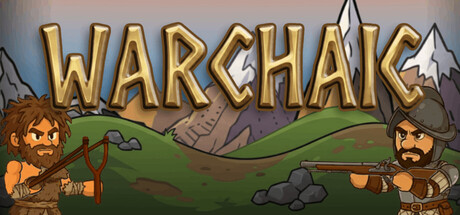
Generative AI was used to assist in the creation of some visual assets, UI elements, sound effects, and music featured in Warchaic. Software development was handled by our development team, while animations and visual effects (VFX) were either created by our team or sourced from licensed asset packages.
Generative AI was used during development to assist in creating some pre-generated 2D artwork and written text used in the game. All AI-assisted content was reviewed, edited, and integrated by the developers. The game does not use generative AI to create new content at runtime.
Some pre-generated artwork and audio included in MyHiStory were created with the assistance of generative AI during development. These assets were selected, reviewed, and curated by the developer before inclusion in the game. MyHiStory does not use generative AI to generate content or code while the game is running.
Pre-generated content only. This game does not run any AI at runtime.
Visual art: 444 image files were created with generative AI during development —
equipment sprites, ability icons, monster sheets, character portraits, building
art, terrain and UI textures, the title screen and the game icon. The tool was
ChatGPT (OpenAI), web interface, image generation, in sessions between 13 July
and 1 August 2026. The author recalls the model as GPT-5.5, but the interface did
not record the exact model version, so only the date range is documented.
Text: the in-game text — tutorial, mission and event wording, item and interface
strings — was drafted with generative AI assistance and then reviewed and edited
by the author. Spanish is the original language.
Translations: the English, German and Italian versions of the in-game text were
produced from the Spanish original with generative AI.
Not AI-generated: all remaining art comes from CC0, CC BY 3.0 and CC BY-SA 3.0
sources (Liberated Pixel Cup, 7Soul, Kenney), credited in full on the in-game
credits screen. All music and sound effects are CC0 or CC BY. No AI-generated
voice or music ships with the game.
Generative AI has been used solely as a supporting tool to create some of the icons used for the character's abilities and upgrades, as well as to assist with translating the game's text into other languages.
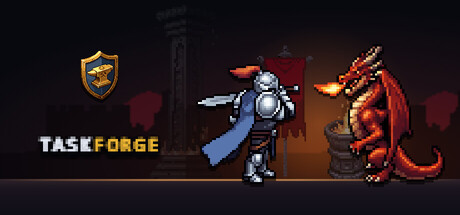
The pixel art in Taskforge — character and enemy sprites, animation frames, item and UI icons, scenery pieces and the game's emblem — was produced with the help of an AI image generation tool during development. Every generated asset was reviewed, selected, edited and assembled by hand, and ships as a fixed image file. Nothing is generated while you play: the game contains only static assets and never calls an AI service at runtime. Code, game design, balance data and all written text were made by the developer.
Ages TD was made with the help of generative AI tools. All AI-generated content is
pre-generated during development, reviewed and edited by the developer; nothing is
generated live while you play.
- Some 3D models and their textures (enemies, towers, props) — generated with Meshy,
then edited and integrated by the developer.
- Music — generated with Suno from prompts written by the developer.
- Cutscene illustrations and store page artwork — created with AI image tools,
then edited by the developer.
- Parts of the in-game dialogue and hint texts — drafted with AI assistance and
rewritten by the developer.
There is no AI-generated voice acting in the game.
Some of this game's assets were made with the assistance of generative AI tools and were reviewed, curated and hand-finished by the developer. No content is generated while you play.
Some of this game's assets were made with the assistance of generative AI tools and were reviewed, curated and hand-finished by the developer. No content is generated while you play.
Portions of the in-game codex (character biographies, historical battle summaries) were drafted with the assistance of a large language model based on the developer's own lore notes and edited by hand. A subset of pixel-art tile and prop textures were procedurally generated from developer-written Python scripts. All content is reviewed and finalized by the developer; no generative image models (e.g. Stable Diffusion, Midjourney) were used to produce in-game art.
AI generation tools were used to help create the character art on the Steam capsule and the in-game skill icons. AI was also used to assist with localization/translation. All assets were reviewed and finalized by the developer.
We have AI placeholders for audio and visual 2D placements (i.e logo, 2D art). The rest of assets are purchased through Unity or hand made as of writing this (8/14/2026)
Some of the game's content was created with the assistance of generative AI tools and was then reviewed, edited and curated by the developer. This includes portions of the art assets, some audio content, and the translation of interface and subtitle text into languages other than Turkish and English. No content is generated by AI at runtime.
The vast majority of assets are created by me or commercially licensed. I have used AI-generated assets for a few buildings and UI elements as a base end then modified heavily in Photoshop. I am a solo developer and know it’s a controversial topic, but I hope the 1000+ hours I have spent in Photoshop shines through, but I still want to be honest.
Generated Content: visual art — characters, environment art and store/marketing capsule images created using Google Gemini, then edited and composited by hand.
Some pre-rendered artwork — event illustrations, key art, and store capsule images — was created with the assistance of generative AI tools, then selected, edited, and composited by the developer. Localization drafts were produced with AI translation tools and reviewed by the developer. All in-game unit, UI, and map art uses licensed, human-made asset packs. No content is generated by AI at runtime.
Generative AI was used during development to assist in the creation of the game’s logo as a pre-rendered marketing asset.
No generative AI is used during gameplay, and no AI-generated content is created or shown to players while playing the game.
Uses voice cloning by Speechify.
Uses AI generated images uploaded by other users to Pixabay when there wasn't a better alternative available.
Most such images are for character portraits and similar placeholder assets of secondary importance.
There is no prompt or direct AI usage.
We have used generative AI tools to translate the game into other languages and make it accessible to a wider audience. The development team has reviewed and overseen the integration of all text to ensure correct display and the proper functioning of the interface and menus.
Yes, we used AI to translate our game into several languages other than French and English, in order to make it accessible to a wider international audience.
Nine Crowns uses generative AI as part of its art development process. AI-assisted tools are used to create and refine some character art, environments, sprites, and promotional artwork. These assets are selected, directed, edited, and reviewed by the development team before being included in the game. No AI content is generated during gameplay.
Generative AI was used to create and iteratively refine some graphics and promotional images, as well as to assist with writing and implementing the game’s code. All outputs were selected, reviewed, and integrated by the developer. No AI-generated content is produced during gameplay.
Generative AI was used to assist in creating pre-generated visual assets for the game and its promotional materials, including character artwork and event illustrations. It was also used to assist with portions of the game's text and localization. All included content was reviewed and curated by the developer. No content is generated by AI during gameplay.
As indie developers we use generative AI to power our creativity and build this game faster and according our community desires and our own vision for the game.
Art direction steered asset creation, SFX, store capsule artwork and the logo were produced with generative AI assistance then hand-edited. No generative AI runs at runtime; the game generates no content live.
I am a solo developer balancing this project with another job. To make this game a reality, I have used generative AI tools as an assistant during development, as well as to generate various pre-rendered assets: 2D visual elements (such as item icons, textures, and interface art) and the composition of the orchestral soundtrack.
Generative AI tools were used to assist with programming and translation/localization during development. All artwork and original dialogue were created by the developer. AI-assisted translations were reviewed and edited by the developer before being included in the game. No generative AI is used during gameplay.
This game uses generative AI tools as part of its art creation process. Visual assets — including background and environment art, character and unit art, and card illustrations — were generated with the assistance of AI and then reviewed and refined by hand. All AI-assisted content is checked to ensure it meets our quality and originality standards.
Generative AI tools were used during development to assist with the creation of some visual assets, written content, and localization used in the game and related store materials. All AI-assisted content was reviewed and, where necessary, edited by the developer before release. The game does not generate AI content during gameplay and does not rely on external AI services while being played.
Some small props and interface icons in this game began as AI-generated meshes and textures (text-to-3D / image-to-3D), which were then reworked by hand, retopologised, re-scaled, colour-graded and assembled before shipping. All other art comes from licensed asset packs and hand kitbashing. Nothing is generated live: no AI runs during play, and no player input is sent to an AI service.
Generative AI was used to assist in the creation of some visual assets, UI elements, sound effects, and music featured in Warchaic. Software development was handled by our development team, while animations and visual effects (VFX) were either created by our team or sourced from licensed asset packages.
Generative AI was used during development to assist in creating some pre-generated 2D artwork and written text used in the game. All AI-assisted content was reviewed, edited, and integrated by the developers. The game does not use generative AI to create new content at runtime.
Some pre-generated artwork and audio included in MyHiStory were created with the assistance of generative AI during development. These assets were selected, reviewed, and curated by the developer before inclusion in the game. MyHiStory does not use generative AI to generate content or code while the game is running.
Pre-generated content only. This game does not run any AI at runtime.
Visual art: 444 image files were created with generative AI during development —
equipment sprites, ability icons, monster sheets, character portraits, building
art, terrain and UI textures, the title screen and the game icon. The tool was
ChatGPT (OpenAI), web interface, image generation, in sessions between 13 July
and 1 August 2026. The author recalls the model as GPT-5.5, but the interface did
not record the exact model version, so only the date range is documented.
Text: the in-game text — tutorial, mission and event wording, item and interface
strings — was drafted with generative AI assistance and then reviewed and edited
by the author. Spanish is the original language.
Translations: the English, German and Italian versions of the in-game text were
produced from the Spanish original with generative AI.
Not AI-generated: all remaining art comes from CC0, CC BY 3.0 and CC BY-SA 3.0
sources (Liberated Pixel Cup, 7Soul, Kenney), credited in full on the in-game
credits screen. All music and sound effects are CC0 or CC BY. No AI-generated
voice or music ships with the game.
Generative AI has been used solely as a supporting tool to create some of the icons used for the character's abilities and upgrades, as well as to assist with translating the game's text into other languages.
The pixel art in Taskforge — character and enemy sprites, animation frames, item and UI icons, scenery pieces and the game's emblem — was produced with the help of an AI image generation tool during development. Every generated asset was reviewed, selected, edited and assembled by hand, and ships as a fixed image file. Nothing is generated while you play: the game contains only static assets and never calls an AI service at runtime. Code, game design, balance data and all written text were made by the developer.
Ages TD was made with the help of generative AI tools. All AI-generated content is
pre-generated during development, reviewed and edited by the developer; nothing is
generated live while you play.
- Some 3D models and their textures (enemies, towers, props) — generated with Meshy,
then edited and integrated by the developer.
- Music — generated with Suno from prompts written by the developer.
- Cutscene illustrations and store page artwork — created with AI image tools,
then edited by the developer.
- Parts of the in-game dialogue and hint texts — drafted with AI assistance and
rewritten by the developer.
There is no AI-generated voice acting in the game.
Some of this game's assets were made with the assistance of generative AI tools and were reviewed, curated and hand-finished by the developer. No content is generated while you play.
Some of this game's assets were made with the assistance of generative AI tools and were reviewed, curated and hand-finished by the developer. No content is generated while you play.
Portions of the in-game codex (character biographies, historical battle summaries) were drafted with the assistance of a large language model based on the developer's own lore notes and edited by hand. A subset of pixel-art tile and prop textures were procedurally generated from developer-written Python scripts. All content is reviewed and finalized by the developer; no generative image models (e.g. Stable Diffusion, Midjourney) were used to produce in-game art.
AI generation tools were used to help create the character art on the Steam capsule and the in-game skill icons. AI was also used to assist with localization/translation. All assets were reviewed and finalized by the developer.
We have AI placeholders for audio and visual 2D placements (i.e logo, 2D art). The rest of assets are purchased through Unity or hand made as of writing this (8/14/2026)