Public Steam disclosure research25,380 disclosures tracked
Where do games disclose AI use?
Search developers’ Steam disclosures, compare classified AI use across
games, and follow recorded changes.
This index adds cross-game classifications and statistics to
statements published on individual store pages.
Groups reflect automatic analysis of public disclosures; mature records are excluded. These counts do not measure AI use across all of Steam.
Missing or unclear statements cannot establish whether a game uses AI.
Generative AI tools were used during development to assist with the creation and refinement of some pre-generated visual and text content. All content included in the game is reviewed and curated by the developer. The game does not generate AI content during gameplay and does not connect to external AI services.
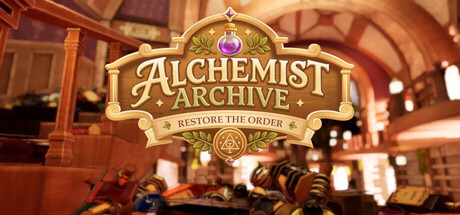
Potion Pantry contains limited pre-generated content created with AI assistance during development. OpenAI Codex assisted with portions of the puzzle clue and narrative writing used in Chapters 2–6. Rogue Andromeda reviewed and approved the resulting campaign content and retains final creative control. OpenAI's image-generation tool also created two ingredient icons, Iron Kettle and Wooden Ladle, which the developer explicitly reviewed and approved for use. The remaining displayed artwork is human-created or commercially licensed, including pantry artwork assembled by Rogue Andromeda and PONETI ingredient icons licensed through the Unity Asset Store. Music, sound effects, and the Keeper voice performance are human-made; no audio waveform, performance, or composition was generated by AI. Development provenance, prompts where applicable, approvals, hashes, licenses, and source records are retained by Rogue Andromeda LLC.
BitWise was made by a single developer with AI assistance, under the developer's direction and review. It contains no AI-generated images or voices: the game draws all of its art and synthesizes all of its sound with its own code. Nothing is generated by AI while you play.
Generative AI was used during development to create some images, in-game assets, and voices. This includes artwork used on the Steam store page and in promotional materials.
Generative AI tools were used to assist with some of the game's translations and localization. The AI-generated translations were reviewed and edited before being included in the game.
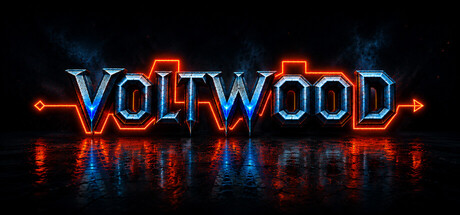
Voltwood was developed with AI assistance. Pre-generated AI content that ships in the game and on the store page includes: 3D unit, structure, and environment models generated with Meshy from our own concept art; 2D art generated with ChatGPT from the developer's direction, including store capsule art, the app icon and key art, menu artwork, and achievement icons; music generated with Mureka; sound effects and character voice lines generated with ElevenLabs; game code, UI icons, and interface and store-page translations authored with Anthropic Claude. All AI output was reviewed, curated, and integrated by the developer, and all of it is owned by the developer under the respective services' paid-tier terms.
AI (Images v.2.5 by OpenAI: chatGPT v.5.6) was used to:
- generate the game logo;
- generate textures for physical materials (bricks, stones, etc.);
- generate backgrounds;
- generate diamonds, balls, stands, teleports;
- generate text labels;
This game does not use AI to live-generate content or code during gameplay.
All AI assets have undergone human post-processing.
This game uses AI tools in the following ways:
Music: Composed using Suno.
Code: Written and debugged with AI assistance.
Art: Created with AI assistance.
All AI-assisted content was reviewed, edited, and finalized by the developer.
Made by one person. Written, directed and built by me, with generative AI used as a supplementary tool for some of the game's assets, all of it reviewed and refined by hand.
During development, generative artificial intelligence tools were used to create some pre-rendered static images featured in the game and in the Store page materials (illustrations and promotional graphics).
All content was selected, reviewed and integrated manually by the developer.
The game does not use generative AI during gameplay and does not generate content in real time.
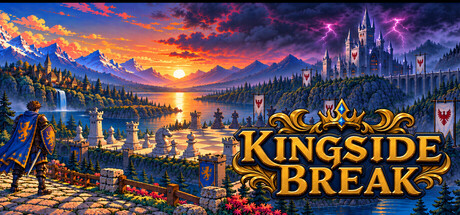
Pre-generated AI-assisted content is present for background art, portions of the Steam/Windows key art and logo derivatives. Kingside Break contains no runtime generative-AI system or live AI-content generation. Its chess opponent is conventional gameplay AI, not generative AI.
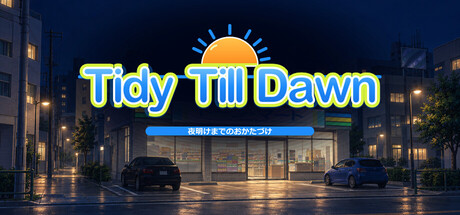
This game uses generative AI for: in-game product packaging (bento, ice cream, chips, cup noodles, gummies, gum, chocolate, candy, dried snacks, stationery, sundries, bath salts, hair care and hair color, coffee/tea boxes, drink and can labels, magazine covers, newspaper pages, and so on); full-screen art (title background, intro and epilogue illustrations, character icons, the morning results screen, the store floor plan, skill cards, skill icons, and effect overlays); some UI elements (panels, buttons, tabs); outdoor art and props (night sky panorama, vending machines, signage, banner flags, pavement, building walls, the traffic signal textures and the textures of small props by the entrance); the store capsule art and achievement icons; some 3D models (the radio by the register, the parking wheel stops, the trash bins by the entrance, three parked cars, the traffic lights, the coffee machine, the oden pot, the bun steamer and the bread crates, generated with Meshy and finished by the developer in Blender); and the background music (title and in-store tracks, also used in the trailer), generated with Suno and selected and arranged by the developer. All generated assets were reviewed and edited by the developer to avoid resembling real trademarks, people, or works. No content is generated by AI at runtime.
All the Localization, voiceovers/music, and many of the in-game textures were generated using AI.
The store page trailer and images are rendered inside the game itself, so indirectly they also contains those AI generated textures.
A note on why.
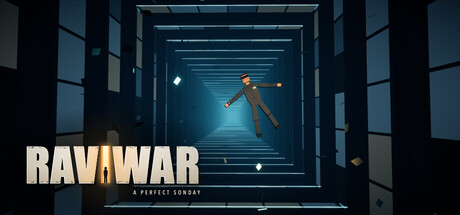
RaviWar 1 is the first part of a story that takes eight games to tell: RaviWar 1 & 2, and six shorter games set inside the same universe, under the name Tales of Takarek.
I am one person, with no studio and no funding behind me. Built the traditional way, a project that size would outlast me. These tools are the only way I can attempt it at all, and I would rather finish the whole story imperfectly than finish a fraction of it perfectly.
It is also why this game is free. I am not asking anyone to pay for AI generated work.
The design, the writing, the puzzles and the world are mine. As the project grows I intend to replace generated assets with commissioned ones.
Once again I am sorry.
Generative AI was used to assist in creating some art assets, including backgrounds, prop images, and store promotional images, and in drafting and polishing some written content. The developer selected, edited, and integrated these materials for use in the game and on its store page. The game does not generate AI content during gameplay or connect to external AI services.
This game uses generative AI as part of the development process. ChatGPT was used for planning, specification review, and the creation of some base visual assets, while Codex was used to assist with code generation, implementation, and testing.
Some visual assets were generated as base material and then edited and refined in tools such as Photoshop. SOUNDRAW was used for some background music, and ElevenLabs was used for some sound effects.
All AI-generated content was created during development. The game does not use generative AI to create content in real time during gameplay. Final design, editing, implementation, and selection decisions were made by the developer.
Generative AI was used during development to assist with the creation of some visual assets, as well as marketing materials. AI-generated assets were reviewed, edited, and integrated by the developer as part of the game's overall art direction. Generative AI is not used to generate content or code during gameplay.
Some sound effects were pre-generated using ElevenLabs, then selected and edited by the developer. The game’s UI and visual elements are rendered directly in code and do not use separate AI-generated image assets. Generative AI assisted with the design and implementation of the UI and rendering code. The game does not call generative AI models or generate content in real time during gameplay.
Generative AI tools were used during development to assist with the creation of some visual assets and localization. All AI-assisted content was reviewed and edited by the developer before being included in the game. No content is generated by AI during gameplay.
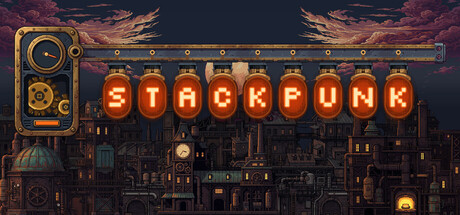
Some of STACKPUNK's 2D pixel art — including boss portraits, card artwork, background scenes, UI ornaments and achievement icons — was created with the assistance of a generative AI pixel-art tool during development. All AI-assisted images were generated ahead of time, then reviewed, edited and hand-finished by us before being shipped as fixed image files in the game. STACKPUNK does not generate any content live while you play, and the game never connects to an AI service. All gameplay, code, design, music and sound are authored by us or sourced from properly licensed/CC0 material.
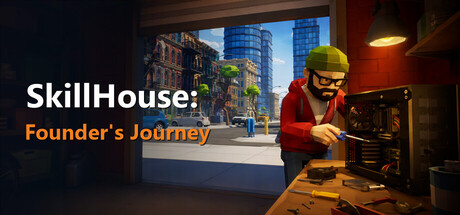
Generative AI was used only in the preparation of selected promotional images for the game’s Steam page. It assisted with creating and refining background artwork in the game’s visual style. The developer reviewed the results, adapted them to the required dimensions, and added the official SkillHouse logo. The game does not generate any content using AI during gameplay.
Generative AI was used as a supporting tool for the creation and refinement of text content and graphical assets used in the game and/or on the Steam store page.
Generative AI tools were used to assist with the translation and localization of the Steam store page text. All AI-assisted content was reviewed and edited before publication. No AI-generated content is created during gameplay.
Some visual assets in this game (including monster illustrations and store page / marketing artwork) were created with generative AI image tools and then reviewed and edited by our team. All gameplay, code, text and design are human-made. No AI content is generated at runtime, and the game does not connect to any external AI service.
Generative AI was used to create or edit selected artwork, including title and menu illustrations, world-map scenery, and promotional images. No content is generated by AI during gameplay.
Generative AI was used during development to create or refine some of the game’s visual assets and music, and to assist with localization. These assets were selected by the developer and edited and adapted as needed. The game does not generate AI content in real time during gameplay.
Some of the promotional and storefront images were created with AI tools and then refined by hand. All of the in-game assets were designed by a 3D artist.
The word catalog (word lists, definitions, hints, fun facts and emoji clues) was drafted with the help of AI tools and then reviewed and edited by the developers. No AI-generated content is created at runtime, and the game contains no AI-generated art, voice, or music.
Only the game's source code was written with the assistance of an AI coding tool. All art, music, writing, and other creative assets were created by hand without generative AI.
Generative AI tools were used during development to assist with the creation and refinement of some pre-generated visual and text content. All content included in the game is reviewed and curated by the developer. The game does not generate AI content during gameplay and does not connect to external AI services.
Potion Pantry contains limited pre-generated content created with AI assistance during development. OpenAI Codex assisted with portions of the puzzle clue and narrative writing used in Chapters 2–6. Rogue Andromeda reviewed and approved the resulting campaign content and retains final creative control. OpenAI's image-generation tool also created two ingredient icons, Iron Kettle and Wooden Ladle, which the developer explicitly reviewed and approved for use. The remaining displayed artwork is human-created or commercially licensed, including pantry artwork assembled by Rogue Andromeda and PONETI ingredient icons licensed through the Unity Asset Store. Music, sound effects, and the Keeper voice performance are human-made; no audio waveform, performance, or composition was generated by AI. Development provenance, prompts where applicable, approvals, hashes, licenses, and source records are retained by Rogue Andromeda LLC.
BitWise was made by a single developer with AI assistance, under the developer's direction and review. It contains no AI-generated images or voices: the game draws all of its art and synthesizes all of its sound with its own code. Nothing is generated by AI while you play.
Generative AI was used during development to create some images, in-game assets, and voices. This includes artwork used on the Steam store page and in promotional materials.
Generative AI tools were used to assist with some of the game's translations and localization. The AI-generated translations were reviewed and edited before being included in the game.
Voltwood was developed with AI assistance. Pre-generated AI content that ships in the game and on the store page includes: 3D unit, structure, and environment models generated with Meshy from our own concept art; 2D art generated with ChatGPT from the developer's direction, including store capsule art, the app icon and key art, menu artwork, and achievement icons; music generated with Mureka; sound effects and character voice lines generated with ElevenLabs; game code, UI icons, and interface and store-page translations authored with Anthropic Claude. All AI output was reviewed, curated, and integrated by the developer, and all of it is owned by the developer under the respective services' paid-tier terms.
AI (Images v.2.5 by OpenAI: chatGPT v.5.6) was used to:
- generate the game logo;
- generate textures for physical materials (bricks, stones, etc.);
- generate backgrounds;
- generate diamonds, balls, stands, teleports;
- generate text labels;
This game does not use AI to live-generate content or code during gameplay.
All AI assets have undergone human post-processing.
This game uses AI tools in the following ways:
Music: Composed using Suno.
Code: Written and debugged with AI assistance.
Art: Created with AI assistance.
All AI-assisted content was reviewed, edited, and finalized by the developer.
Made by one person. Written, directed and built by me, with generative AI used as a supplementary tool for some of the game's assets, all of it reviewed and refined by hand.
During development, generative artificial intelligence tools were used to create some pre-rendered static images featured in the game and in the Store page materials (illustrations and promotional graphics).
All content was selected, reviewed and integrated manually by the developer.
The game does not use generative AI during gameplay and does not generate content in real time.
Pre-generated AI-assisted content is present for background art, portions of the Steam/Windows key art and logo derivatives. Kingside Break contains no runtime generative-AI system or live AI-content generation. Its chess opponent is conventional gameplay AI, not generative AI.
This game uses generative AI for: in-game product packaging (bento, ice cream, chips, cup noodles, gummies, gum, chocolate, candy, dried snacks, stationery, sundries, bath salts, hair care and hair color, coffee/tea boxes, drink and can labels, magazine covers, newspaper pages, and so on); full-screen art (title background, intro and epilogue illustrations, character icons, the morning results screen, the store floor plan, skill cards, skill icons, and effect overlays); some UI elements (panels, buttons, tabs); outdoor art and props (night sky panorama, vending machines, signage, banner flags, pavement, building walls, the traffic signal textures and the textures of small props by the entrance); the store capsule art and achievement icons; some 3D models (the radio by the register, the parking wheel stops, the trash bins by the entrance, three parked cars, the traffic lights, the coffee machine, the oden pot, the bun steamer and the bread crates, generated with Meshy and finished by the developer in Blender); and the background music (title and in-store tracks, also used in the trailer), generated with Suno and selected and arranged by the developer. All generated assets were reviewed and edited by the developer to avoid resembling real trademarks, people, or works. No content is generated by AI at runtime.
All the Localization, voiceovers/music, and many of the in-game textures were generated using AI.
The store page trailer and images are rendered inside the game itself, so indirectly they also contains those AI generated textures.
A note on why.
RaviWar 1 is the first part of a story that takes eight games to tell: RaviWar 1 & 2, and six shorter games set inside the same universe, under the name Tales of Takarek.
I am one person, with no studio and no funding behind me. Built the traditional way, a project that size would outlast me. These tools are the only way I can attempt it at all, and I would rather finish the whole story imperfectly than finish a fraction of it perfectly.
It is also why this game is free. I am not asking anyone to pay for AI generated work.
The design, the writing, the puzzles and the world are mine. As the project grows I intend to replace generated assets with commissioned ones.
Once again I am sorry.
Generative AI was used to assist in creating some art assets, including backgrounds, prop images, and store promotional images, and in drafting and polishing some written content. The developer selected, edited, and integrated these materials for use in the game and on its store page. The game does not generate AI content during gameplay or connect to external AI services.
This game uses generative AI as part of the development process. ChatGPT was used for planning, specification review, and the creation of some base visual assets, while Codex was used to assist with code generation, implementation, and testing.
Some visual assets were generated as base material and then edited and refined in tools such as Photoshop. SOUNDRAW was used for some background music, and ElevenLabs was used for some sound effects.
All AI-generated content was created during development. The game does not use generative AI to create content in real time during gameplay. Final design, editing, implementation, and selection decisions were made by the developer.
Generative AI was used during development to assist with the creation of some visual assets, as well as marketing materials. AI-generated assets were reviewed, edited, and integrated by the developer as part of the game's overall art direction. Generative AI is not used to generate content or code during gameplay.
Some sound effects were pre-generated using ElevenLabs, then selected and edited by the developer. The game’s UI and visual elements are rendered directly in code and do not use separate AI-generated image assets. Generative AI assisted with the design and implementation of the UI and rendering code. The game does not call generative AI models or generate content in real time during gameplay.
Generative AI tools were used during development to assist with the creation of some visual assets and localization. All AI-assisted content was reviewed and edited by the developer before being included in the game. No content is generated by AI during gameplay.
Some of STACKPUNK's 2D pixel art — including boss portraits, card artwork, background scenes, UI ornaments and achievement icons — was created with the assistance of a generative AI pixel-art tool during development. All AI-assisted images were generated ahead of time, then reviewed, edited and hand-finished by us before being shipped as fixed image files in the game. STACKPUNK does not generate any content live while you play, and the game never connects to an AI service. All gameplay, code, design, music and sound are authored by us or sourced from properly licensed/CC0 material.
Generative AI was used only in the preparation of selected promotional images for the game’s Steam page. It assisted with creating and refining background artwork in the game’s visual style. The developer reviewed the results, adapted them to the required dimensions, and added the official SkillHouse logo. The game does not generate any content using AI during gameplay.
Generative AI was used as a supporting tool for the creation and refinement of text content and graphical assets used in the game and/or on the Steam store page.
Generative AI tools were used to assist with the translation and localization of the Steam store page text. All AI-assisted content was reviewed and edited before publication. No AI-generated content is created during gameplay.
Some visual assets in this game (including monster illustrations and store page / marketing artwork) were created with generative AI image tools and then reviewed and edited by our team. All gameplay, code, text and design are human-made. No AI content is generated at runtime, and the game does not connect to any external AI service.
Generative AI was used to create or edit selected artwork, including title and menu illustrations, world-map scenery, and promotional images. No content is generated by AI during gameplay.
Generative AI was used during development to create or refine some of the game’s visual assets and music, and to assist with localization. These assets were selected by the developer and edited and adapted as needed. The game does not generate AI content in real time during gameplay.
Some of the promotional and storefront images were created with AI tools and then refined by hand. All of the in-game assets were designed by a 3D artist.
The word catalog (word lists, definitions, hints, fun facts and emoji clues) was drafted with the help of AI tools and then reviewed and edited by the developers. No AI-generated content is created at runtime, and the game contains no AI-generated art, voice, or music.
Only the game's source code was written with the assistance of an AI coding tool. All art, music, writing, and other creative assets were created by hand without generative AI.