Public Steam disclosure research28,028 disclosures tracked
Where do games disclose AI use?
Search developers’ Steam disclosures, compare classified AI use across
games, and follow recorded changes.
This index adds cross-game classifications and statistics to
statements published on individual store pages.
Groups reflect automatic analysis of public disclosures; mature records are excluded. These counts do not measure AI use across all of Steam.
Missing or unclear statements cannot establish whether a game uses AI.
I'm a solo developer with over 20 years of experience making games. I used generative AI to create scenery assets, music, some livery designs and the dialogue for Corner Cutters. AI produced the first draft of the logo, which I finished myself. I chose which scenery assets went into each circuit and approved the final work. AI built the circuits from my designs and helped me develop some of the layouts. It also wrote code to my specifications. Nothing in the game is generated by AI while you play.
Corner Cutters started as a playable prototype I built myself. I designed and modelled every car in 3D. I drew many of the livery designs myself and used AI to bring them into the game. I also modelled and textured the helmets, created the avatars, menus and UI, and did part of the sound design. I set the technical direction, from the physics simulation to the shaders. I drove thousands of laps, studying the replays to improve the computer drivers and get the handling right.
The Territorium team used generative artificial intelligence tools during development: to assist with translating the game into various languages, to create certain graphic elements (sprites and icons), and to produce marketing materials (editing). All such content was reviewed and approved by the team. The game does not generate any AI content during gameplay.
Generative AI tools were used during development to help create some of the game's assets, including much of the artwork and some of the 3D models. All AI-assisted assets were selected, edited and integrated by the developer. The game's concept, design, objectives and story were created by the developer without AI. No generative AI is used inside the game: nothing is generated by AI while you play, and computer opponents and all difficulty levels are driven by programmatic game logic.
This game is vibe coded with Claude and various AI tools. See in-game Credits for more info.
If you would like to discuss or learn how I created this, please use our publishing contact.
Generative AI was used during development to create and assist with selected pre-generated visual assets and promotional/store-page artwork. All AI-assisted content is reviewed and edited by the developer before use. The game does not generate AI content during gameplay.
Generative AI was used during the development of this game to create certain pre-generated visual assets, such as character images, icons, backgrounds, weapons, and UI elements. All AI-generated content was created prior to release and is included in the game as static assets. The game does not use generative AI to create or modify content in real time during gameplay.
This game contains AI-generated content: artwork, audio, dialogue, and localization. All AI assets were reviewed and edited before release.
Name of AI model included with the game: MiniMax-M3, Piper TTS
This game contains pre-generated AI content; no AI is used at runtime. Art (character portraits, icons, backgrounds, UI) was generated with LiblibAI; 3D models with Tripo; music, sound effects, and voice lines with Doubao Seed-Audio 1.0; the opening animation with Jimeng AI. All AI content was manually reviewed, edited, and integrated. UI sound effects are CC0 assets and contain no AI content.
This game's art was made with the help of generative AI tools. The 2D artwork (arena designs, backgrounds, textures, menu art and store images) was created with AI image tools, and the 3D models of the cars, gorilla drivers and props were generated with AI 3D tools from that artwork. Every piece was directed, selected, edited and put together by our developer. No AI content is generated while you play.
During development, we used AI tools to assist in creating art and audio for the game and its store page. This content went through many rounds of iteration, adjustment and integration by our team. The gameplay and rules are our own design, and the game does not generate any AI content at runtime.
I'm a game designer. To make a game this size on my own, despite my gaps in programming and illustration, I chose AI and iterated a lot. Its exact share:
Made by AI: the illustrations (I hand-fixed botched dice pips on two or three), most shots of the five cutscenes (animated from those images) and the cutscene music, the "Yatzy!" shouts, all text and dialogue, written from my directions, the translations into 13 languages, checked automatically, and the code, written with an AI coding assistant credited on the About screen.
Made with AI: the game and level design. I laid the foundations (rules, powers, Boss progression), then refined them with AI. A few sound effects are generated; the rest come from Freesound or my own tinkering.
Made without AI: the soundtrack, 36 recordings by pianist Jérôme Chauvel, mostly public-domain classics. And the "AI" opponents only calculate odds.
During the development of EXO 7, generative AI tools were used to assist in creating pre-rendered 2D visual assets, including starship and planetary illustrations, UI icons, marketing and store artwork, as well as background lore. All generated assets were manually reviewed, refined, and curated by the development team prior to integration. The game does not generate any content or code live during gameplay.
Some spell icons were pre-generated with a generative image model during development and ship as ordinary image files. The game does not generate content during a match and does not connect to an external AI service while you play.
Most of the card art, character portraits, icons and backgrounds were made with an open image model (Qwen-Image) running on our own computers, from prompts we wrote. Every picture was chosen by the developer, and many were redone until they fit the set. The Signature cards are by a human artist (we want more human art!), credited on each card. The music was made with ACE-Step, an open music model also run locally, then cut into loops and mixed by us. Some in-game text, including card names, flavor lines and interface text, was drafted with AI help and edited by the developer. The sound effects are real recordings from public-domain (CC0) libraries, not AI.
Generative AI Disclosure
Generative AI tools were used during development to help create parts of this game's content:
1. Card artwork: Character illustrations on the cards were generated with an AI image tool using text prompts only, then selected, cut out, composed and finalized by our team. The AI generation label is kept on the cards and is visible at the bottom-left corner.
2. Text & Localization: The in-game multilingual translations and the store page copy were produced with AI assistance and reviewed by our team.
3. Store & promotional assets: Created from actual in-game footage, which includes the AI-generated artwork described above.
This game does not generate any AI content at runtime, and does not connect to any external AI services during gameplay.
Some artwork, music, and multilingual translations in this game were created with the assistance of generative AI. All such content was pre-generated during development.
Some artwork, music, and store promotional materials for this game were created using generative AI. All such content was generated in advance during development.
This game uses AI for mainly Code and Art. Animations and sounds are human made, and gameplay testing is done extensively through human. Every feature of this game is overlooked by Human, AI assistance is only used for technical reasons. At a later date, art assets may be replaced with art created by artist.
Generative AI tools were used during the development of Commander's Dilemma to create the game's visual assets, including character illustrations, map graphics, and other in-game artwork.
AI tools were also used to assist with programming during development.
All AI-generated visual content is pre-generated and included in the game. The game does not use generative AI to generate new content during gameplay.
Some visuals in the game and on the store page were created with the help of AI, as were the game's interface translations and parts of the store page text. No content is generated by AI during gameplay.
Some 3D models and textures of the harbour environment were generated with Tripo AI and then edited and optimised by the developer. Some card faces and UI elements were made with an image-generation model and then edited. Some in-game text and the translations into 18 languages were drafted with AI language models, then reviewed and edited. The music was composed and arranged with AI assistance, then rendered with procedural synthesis. The characters' short voice callouts and quick-chat phrases, and the trailer's narration, were generated locally with a text-to-speech model (Qwen3-TTS preset voices). Parts of the store page text were drafted the same way. All of this was created during development: the game does not generate any content while it runs.
Some in-game text and parts of the store page description were drafted with AI assistance and then edited by the developer. No AI-generated art, models, music or sound are used, and nothing is generated by AI while you play.
Large parts of ECHONOX's content were created with the help of generative AI and then reviewed and curated by the developer: the game world, quest and dialogue texts, icons and 2D graphics, procedurally generated 3D models, buildings, landscapes and animations, synthesized sound effects, and parts of the marketing material (screenshots, trailers). All content is fixed in the game and is checked by hand before every release.
AI tools were used during development to help write and review code, troubleshoot technical issues, and enhance visual concepts. Generative AI was also used to create portions of the game’s artwork and 3D asset source material, including some character and equipment assets and Steam promotional artwork. These materials were based on concept art created, selected, edited, optimized and integrated by the developer.
AI generated content is prepared during development, not generated live during gameplay.
No AI-generated artwork, music or sound ships with the game or appears on this page; the creatures and the main interface pieces were drawn by human illustrators, and the rest is licensed stock art or drawn in code. The game and this page are written in Polish. AI tools helped draft parts of the text and translate it into other languages; the English, Simplified Chinese and Japanese texts of this page were proofread by professional translators. Nothing is generated while the game is running.
RATS!! was built by a solo developer using AI coding tools. AI helped write the code that draws every visual and synthesizes some sound effects, and the interface text, all directed and reviewed by the developer. No image, music or voice generators were used; the music and recorded sounds are human-made. No AI runs while you play.
AI-assisted tools were used during development. No images were created with AI image generators. Game design and creative direction are by the developer.
Generative AI was used during development to assist with some main-menu and title artwork, UI images and textures, Steam store capsules and library artwork, and portions of narrative text and Chinese/English localization. These are pre-generated assets shipped with the game or displayed on the store page. The game does not generate AI content at runtime and does not connect to third-party generative AI services.
Towa Powa was developed with the help of AI tools, under the developer's direction and review.
• Art: the backgrounds, piece skins and icons are vector art and procedural generators created with AI assistance, then selected and adjusted by the developer.
• Text: parts of the in-game and store text were written with AI assistance. The French translation was largely reviewed by the developer and by French-speaking players. The Spanish and Simplified Chinese translations were produced and checked with AI and have not yet been reviewed by a native speaker.
• Marketing: the Steam Workshop header image was made with an AI image generator.
Screenshots, capsules and trailers are captured from real gameplay. Sound effects are licensed recordings (CC0 / CC BY) and original synthesis; voices come from a CC0 sound bank. The game does not generate any content with AI while you play.
As a solo developer, I actively leverage modern development tools to deliver my project to players with the highest levels of performance and stability. In this context, throughout the game's development cycle, Generative AI tools have been utilized for:
- Steam Workshop & MapKit Support: The coding infrastructure for modding tools (MapKit) and integration systems that allow players to design their own maps and easily import them into the game.
- Music and Audio Optimization: Implementing algorithms that ensure dynamic audio management and music streaming function without causing performance degradation.
- Network Architecture and Efficiency: Managing data and optimizing systems to minimize abnormal network usage (network spikes/overhead).
Generative AI tools are used during development for selected graphics, text and translations, including store and marketing materials. These assets are created in advance.
Some prerecorded music, sound effects, environmental ambience and synthetic voice lines were created using generative AI during development. This includes character voices, announcements and fictional radio content. Aisterpiece Studios selects, edits and integrates these assets before release.
The game does not generate AI content live during gameplay and does not call external AI services during gameplay.
AI tools were used during development to help with code, art (backgrounds, portraits, creatures and items), translations and some sound effects. Every asset was reviewed and edited by the developer. The books, crafting minigames and music were made without AI. No content is generated while the game is running.
AI was used to provide post processing effects and animation to art created by human Stardock artists for some of the campaign cutscenes. Some cutscenes use Stardock human artist-made 3D assets with AI to composite the final shot. Lastly, some in-game unit barks and notifications use pre-generated ElevenLabs stock voices. All lines were written by Stardock designers and reviewed before inclusion, and nothing is generated live during play.
Generative AI tools were used during the development of this game.
Generative AI assisted in the creation and refinement of certain in-game graphics, UI designs, animations, and programming code.
AI-assisted content was reviewed and modified by the developer before being incorporated into the game.
AI tools helped write some of the store page text and parts of the game's code and in-game text. All of it was reviewed and edited by the developer. The game does not generate any content with AI while you play.
Generative AI was used in the creation of some 3D art assets, including AI-generated concept art used as references and AI-generated models that were subsequently modified and refined. Generative AI also assisted with translating some in-game text into multiple languages.
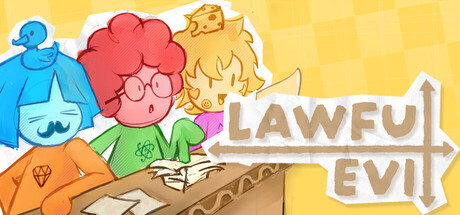
Lawful Evil uses locally running generative AI for live dialogue, speech and transcription. No third-party AI service is used. All artwork, music and sound effects were created by humans.
The game includes some artwork, comics, character animations processed from pre-generated video, main menu background animation, music, synthetic voices, written content and localization made with generative AI assistance during development. Narration and dialogue for the 220 comic scenes are pre-produced synthetic recordings stored with the game, with subtitles in nine languages; these voices are not presented as performances by real actors. The current game does not generate images, video, music, voices or dialogue during play or send player prompts to a generative AI service. Computer-controlled opponents use game-planning logic. Additional animated story scenes remain planned.