








Disclosure
All 3D models and textures were created by humans. Some sound assets and UI graphics were created using generative AI and edited and supervised by humans.
- Creator
- SECOND DOOR
- Reviews
- -
- Added
- Aug 29, 2026
Public Steam disclosure research 25,380 disclosures tracked
Search developers’ Steam disclosures, compare classified AI use across games, and follow recorded changes. This index adds cross-game classifications and statistics to statements published on individual store pages.
Code help, debugging and other development work.
Capsule art, trailers and promotional material.
Pre-made art, audio, writing and other game assets.
Interactive or runtime AI features disclosed by the developer.
Groups reflect automatic analysis of public disclosures; mature records are excluded. These counts do not measure AI use across all of Steam. Missing or unclear statements cannot establish whether a game uses AI.
All 3D models and textures were created by humans. Some sound assets and UI graphics were created using generative AI and edited and supervised by humans.
Despite game is simulating the AI, all conversations are hard coded and written by person. AI was used to generate the names and descriptions for some items, but it was manually reviewed by developer.
Generative AI was used in two limited contexts: -For 2D UI icons representing menu items and certain textures of food items. -For the produce crate in the capsule art.
Translations, SFXs and some cutscenes are made with the help of AI
Used for steam capsule images and card artworks TEMPORARILY. All AI generated assets will be replaced on release if estimated revenue can atleast fund it.
Generative AI tools were used during development to assist with creating a limited number of 2D inventory icons and portions of written text and localization. All AI-assisted content was reviewed, edited, and integrated by the developer. The game does not generate AI content during gameplay.
The game uses ai-generated actor models and sounds.
Generative AI tools were used during development to assist with the creation of some content.
The character selection screen uses some art that has been created with the assistance of AI. The character art display on the store page has been partially created with the assistance of AI.
The game's voiceover and logo were created using AI.
hey guys. i used ai to code efficently. no ai generated art inside. have fun!
All simulation, art, audio and text in Terra Logic are hand-made — the game ships with no AI-generated content and makes no network requests by default. One optional feature can generate text at runtime: the "whisper" narrator, a single one-line ambient caption. By default it composes lines from a built-in, hand-written phrase library. Players who supply their own Anthropic (Claude) API key in a local config file may enable AI-generated phrasing for that one caption line; without a key the AI path is fully inactive. AI output never affects simulation, gameplay, art, audio, or any other text.
Some of the art assets in the game were created using AI.
Some of this game's assets were made with the help of generative AI tools and then edited by hand: the in-game notebook UI sprites, a few background props and set-dressing models, some texture work, and the English localization, which was drafted from our Korean original and reviewed by us. The original Korean writing, the characters, the level design, and all gameplay systems were made without generative AI. Nothing is generated while you play.
Generative AI technologies were utilized during the development and content creation process of our game. In addition to software development support, AI tools were used to draft in-game narratives, assist with localization, and generate store page descriptions. All AI-assisted content has been thoroughly reviewed, edited, and curated by the development team to ensure quality standards and compliance with copyright policies.
Developer used AI to create some visual components of the game and Steam store page.
AI language model assistance was used to help draft, translate, and refine store page content.
This game includes a small amount of generative AI content used only for optional tutorial and demonstration materials. These pre‑generated, G‑rated assets illustrate how the game’s IN‑OUT‑based timing loop works. They do not appear in normal gameplay and do not influence any game systems. All core mechanics, visuals, audio, and interactive content are fully handcrafted and do not use AI generation during play.
Generative AI has been used in the production of sound and video assets for this title. All copy has been written by humans.
Artificial intelligence has been used for some parts of the art.
Generative AI tools were used during development to assist in creating some pre-generated 2D visual assets, including character imagery and certain promotional and store page artwork. All AI-assisted content is pre-generated, reviewed, selected, and edited by the developer before being included in the game or its marketing materials. The game does not use live generative AI and no content is generated by AI during gameplay.
AI was used to assist with coding and logo creation.
Game icon and Steam capsules were made with ai support
We are utilising ElevenLabs’ text-to-speech tool, to generate some voice-over elements within Train Sim World 7. This is utilised in features such as training modules, as well as platform and onboard train announcements. All scripts and content are written by Dovetail Games staff, with ElevenLabs used to generate the audio in these instances.
Generative AI was used to create some visual elements of the game's main menu and to assist with programming during development. Claude was used as a coding assistant to help write, review, and troubleshoot code.
The store page capsule and secondary assets (like machine icons) were AI-generated using existing in-game screenshots as a base.
The localization of this game was created using AI translation tools.
Generative AI tools were used to assist in the creation and enhancement of selected promotional artwork and Store Page imagery. All generated materials were reviewed, edited, and curated by the development team. The game itself does not use generative AI to create content dynamically during gameplay.
Game Arena X uses AI-generated content only to a very limited extent. A small number of UI elements were initially created with the assistance of AI, after which they were extensively refined, adjusted, and customized by our in-house design team. All other aspects of Game Arena X — including the platform’s concept, visual design, competitive systems, gameplay features, user experience, and overall development — are entirely original and created by our team.
Generative AI was used in the development of this game. The background art and character illustrations were created with an image generation model; all images were selected, edited, and processed by the developer. The story text and game logic were drafted and implemented with a large language model, with the developer directing the story and scene design, reviewing and approving all content, and requesting revisions. No generative AI runs at runtime during gameplay.
The six staff portrait images currently in the game are AI-generated placeholders. They are being replaced with commissioned, hand-painted portraits by a human artist before release. Everything else — the key art, the store art, every case, every line of dialogue, the music, and the simulation itself — is human-made. The game runs no AI at play time.
AI tools were used during development to generate some of the visual assets (such as UI elements/background textures) and promotional/audio elements. All AI-generated content was reviewed, edited, and integrated manually into the game.
AI was used on a limited basis to assist with the refinement of certain visual designs. All VHS artwork and other licensed imagery is based on artwork created by human artists, and we hold the appropriate licenses for all third-party images used.
We use generative AI across all disciplines of game development with heavy amounts of human editing. That involves audio and visual art. We use it as a productivity tool so we can achieve a higher level of quality, faster, than we would have been able to.
We use AI tools to support our development process
Ward 9 uses developer-curated generative AI tools during production for selected marketing/community artwork, narrative drafting support, and voice/audio asset creation. All AI-assisted content is reviewed, edited, and approved by the developer before inclusion. The game does not use live generative AI to create player-facing content during gameplay.
We use AI to generate content for the game such as text descriptions, some images like npc portraits and ware items and to generate some stories to create immersion in the game. We also generate some voicing for dialogs using licensed voices. We also generate some other sounds such as sound effects (wind, sea waves) All content text, images, voices or sounds are reviewed manually by a human to verify the content and licensing aspects.
The game's surface textures — the colour and relief maps applied to parts, buildings, terrain and visual effects — and its sound effects were created with generative AI tools during development. They are generated ahead of time, reviewed and integrated by hand, and ship with the game as ordinary image and audio files. Nothing is generated while you play, and the game never connects to an AI service. The simulation itself — orbital mechanics, aerodynamics, the production chains — is written by hand.
Generative AI tools were used during development to assist with programming, debugging, optimization, gameplay design, and the review or translation of some written content. The game does not use live-generated AI and does not connect to an AI service during gameplay.
Storepage placeholder assets
Generative AI tools were used during development to create or process some pre-generated voice audio and selected 2D visual assets, including stylized character and news-related images. All AI-assisted content is created before release and manually reviewed, edited, and curated by the developer before being included in the game. No generative AI runs during gameplay, and no player input or data is sent to generative AI services.
Artificial intelligence was used to assist with interface localization and adaptation of in-game textures. There was a time when people used Google Translate, and terrible localization for many languages was common. Times have changed, progress does not stand still. Today, new and more advanced tools have emerged, and people now use them instead of outdated ones.
Wishing Well Simulator uses generative AI tools during development only; nothing is generated while you play, and the game never connects to any external AI service. Pre-generated content made with AI assistance: Key art and store artwork were created with generative image tools and then edited by hand. The 3D well model was generated with an AI 3D tool (Meshy) and reworked by hand (materials, UVs, textures). Translations into 21 languages beyond the original Turkish were produced with AI-assisted translation and then reviewed by hand, including platform terminology corrections. Some secondary text (credits, tutorial hints) was drafted with AI assistance and edited by the author. Written by hand: the story, all 119 events, the characters and dialogue, the game design and code. Sound effects are procedurally generated by the game's own code (no AI); the game has no music or voice acting.
During game development, we used AI tools to assist with the creation of some visual art assets and to support programming work.
AI tools were used as part of the game's visual production and post-production workflow. The game's 3D assets, environments, characters, animations, and scenes are created and rendered by the developer. AI is primarily used to upscale lower-resolution renders to higher resolutions, helping reduce rendering time while maintaining the desired visual quality. In some cinematic sequences, AI-assisted tools are also used as part of the production process. Additionally, AI may be used for certain visual corrections, modifications, or minor fixes to rendered images instead of re-rendering an entire scene. AI is therefore used as a supporting tool in the development and post-production process, while the overall artistic direction, 3D production, scene creation, rendering, and final implementation are handled by the developer.
In some screenshots on the store page, I used AI in order to show more clear image. In the gameplay, the artificial intelligence is not used.
I am poor so I used AI for certain voice lines and scarce images, however the main character is voiced by a real person (yours truly)
AI was utilized as a supplementary tool for the creation of some art and promotional imagery. The core game experience is entirely hand-crafted using the Godot engine with original and licensed assets. All AI-generated marketing materials underwent human curation and post-processing to ensure visual consistency with the actual gameplay and compliance with platform guidelines.
This game uses generative AI during development to assist with selected artwork, relic and character illustrations, and limited text drafts. All generated material was created offline during development, then manually reviewed, edited, integrated, and quality-checked before being included in the game. The game does not generate images, audio, text, code, or other content in real time, and it does not send player data or game content to external AI services during gameplay.
Generative AI tools were used during the development of BURST NOIR to assist with the creation and refinement of certain visual assets, including branding, logo concepts, promotional graphics, and some UI-related artwork. AI-assisted tools were also used as part of the development workflow for programming, prototyping, localization, and content production. The core fireworks simulation, gameplay systems, and final in-game presentation are implemented as part of the game itself. The game does not generate AI content in real time during gameplay.
| Title⇅ | Disclosure | Creator⇅ | Src | Reviews⇅ | Added↓ |
|---|---|---|---|---|---|
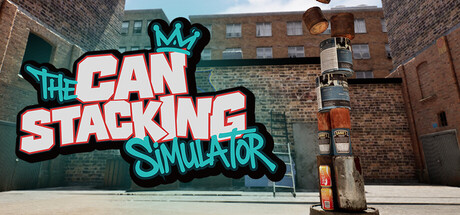 The Can Stacking Simulator In-game content audioart | All 3D models and textures were created by humans. Some sound assets and UI graphics were created using generative AI and edited and supervised by humans. | SECOND DOOR | - | Aug 29, 2026 | |
 Vibe Coder Inc. In-game content text | Despite game is simulating the AI, all conversations are hard coded and written by person.
AI was used to generate the names and descriptions for some items, but it was manually reviewed by developer. | Brisk Sloths | - | Aug 29, 2026 | |
 Farmer's Kitchen In-game content art | Generative AI was used in two limited contexts:
-For 2D UI icons representing menu items and certain textures of food items.
-For the produce crate in the capsule art. | Cogitans Games | - | Aug 29, 2026 | |
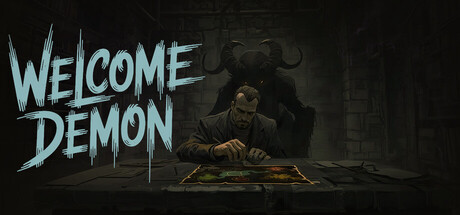 Welcome Demon In-game content textaudio | Translations, SFXs and some cutscenes are made with the help of AI | NurRam | - | Aug 29, 2026 | |
 TCG Card Collection: Tidy Up Store/marketing art | Used for steam capsule images and card artworks TEMPORARILY. All AI generated assets will be replaced on release if estimated revenue can atleast fund it. | EXP Interactive | - | Aug 29, 2026 | |
 ARETIAS: Cursed Island In-game content arttext | Generative AI tools were used during development to assist with creating a limited number of 2D inventory icons and portions of written text and localization. All AI-assisted content was reviewed, edited, and integrated by the developer. The game does not generate AI content during gameplay. | inHeka Studios | - | Aug 28, 2026 | |
 Cocaine Smuggler In-game content artaudio | The game uses ai-generated actor models and sounds. | Raw Formula | - | Aug 28, 2026 | |
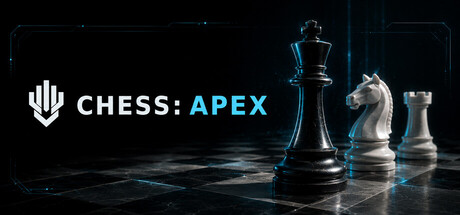 Chess: Apex Unclear | Generative AI tools were used during development to assist with the creation of some content. | Netherlate Games | - | Aug 28, 2026 | |
 Roulette Simulator 2027 In-game content art | The character selection screen uses some art that has been created with the assistance of AI.
The character art display on the store page has been partially created with the assistance of AI. | FlagmanJeremy | - | Aug 28, 2026 | |
 911 Dispatcher: Unknown Caller In-game content audioart | The game's voiceover and logo were created using AI. | Room13Games | - | Aug 28, 2026 | |
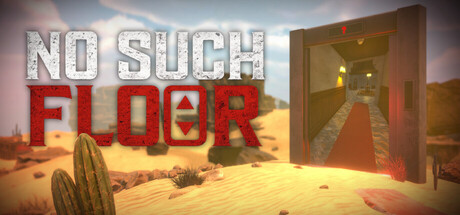 No Such Floor Dev only code | hey guys. i used ai to code efficently. no ai generated art inside. have fun! | QuasART GAMES | - | Aug 28, 2026 | |
 TERRA: 地表逻辑 Live AI text | All simulation, art, audio and text in Terra Logic are hand-made — the game ships with no AI-generated content and makes no network requests by default. One optional feature can generate text at runtime: the "whisper" narrator, a single one-line ambient caption. By default it composes lines from a built-in, hand-written phrase library. Players who supply their own Anthropic (Claude) API key in a local config file may enable AI-generated phrasing for that one caption line; without a key the AI path is fully inactive. AI output never affects simulation, gameplay, art, audio, or any other text. | Cyborg V | - | Aug 28, 2026 | |
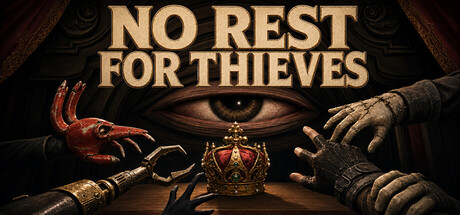 No Rest for Thieves In-game content art | Some of the art assets in the game were created using AI. | OntologyPlay | - | Aug 28, 2026 | |
 Pigeonhole Principle In-game content arttext | Some of this game's assets were made with the help of generative AI tools and then edited by hand: the in-game notebook UI sprites, a few background props and set-dressing models, some texture work, and the English localization, which was drafted from our Korean original and reviewed by us.
The original Korean writing, the characters, the level design, and all gameplay systems were made without generative AI. Nothing is generated while you play. | Goldbug Studio | - | Aug 28, 2026 | |
 Derby Dynasty : Horse Racing RPG In-game content text | Generative AI technologies were utilized during the development and content creation process of our game. In addition to software development support, AI tools were used to draft in-game narratives, assist with localization, and generate store page descriptions. All AI-assisted content has been thoroughly reviewed, edited, and curated by the development team to ensure quality standards and compliance with copyright policies. | Corvein Studio | - | Aug 28, 2026 | |
 Heavyweight Bout In-game content art | Developer used AI to create some visual components of the game and Steam store page. | GameChanger Studio | - | Aug 28, 2026 | |
 DATUM: Rescue One In-game content text | AI language model assistance was used to help draft, translate, and refine store page content. | Spirit North | - | Aug 28, 2026 | |
 Wanker In-game content art | This game includes a small amount of generative AI content used only for optional tutorial and demonstration materials. These pre‑generated, G‑rated assets illustrate how the game’s IN‑OUT‑based timing loop works. They do not appear in normal gameplay and do not influence any game systems. All core mechanics, visuals, audio, and interactive content are fully handcrafted and do not use AI generation during play. | Totally Discrete, LLC | - | Aug 28, 2026 | |
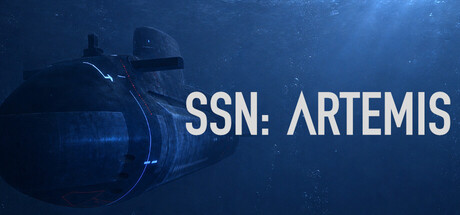 SSN: Artemis In-game content audioart | Generative AI has been used in the production of sound and video assets for this title. All copy has been written by humans. | Ceres Labs | - | Aug 28, 2026 | |
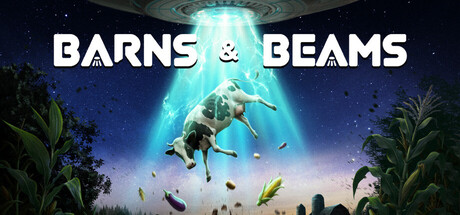 Barns & Beams In-game content art | Artificial intelligence has been used for some parts of the art. | k148 Game Studio | - | Aug 28, 2026 | |
 NOT ONE OF US In-game content art | Generative AI tools were used during development to assist in creating some pre-generated 2D visual assets, including character imagery and certain promotional and store page artwork.
All AI-assisted content is pre-generated, reviewed, selected, and edited by the developer before being included in the game or its marketing materials.
The game does not use live generative AI and no content is generated by AI during gameplay. | Ivan Zubak | - | Aug 27, 2026 | |
 Humble Hauler Dev only codeart | AI was used to assist with coding and logo creation. | JP Games | - | Aug 26, 2026 | |
 Kitchen Tidy In-game content art | Game icon and Steam capsules were made with ai support | NewGen | - | Aug 26, 2026 | |
 Train Sim World® 7 In-game content audio | We are utilising ElevenLabs’ text-to-speech tool, to generate some voice-over elements within Train Sim World 7. This is utilised in features such as training modules, as well as platform and onboard train announcements. All scripts and content are written by Dovetail Games staff, with ElevenLabs used to generate the audio in these instances. | Dovetail Games | - | Aug 25, 2026 | |
 CrystalStack In-game content artcode | Generative AI was used to create some visual elements of the game's main menu and to assist with programming during development. Claude was used as a coding assistant to help write, review, and troubleshoot code. | Olivier RAYON | - | Aug 25, 2026 | |
 Snack Factory Together - Prologue In-game content art | The store page capsule and secondary assets (like machine icons) were AI-generated using existing in-game screenshots as a base. | HAN Games | - | Aug 25, 2026 | |
 RX10-40 In-game content text | The localization of this game was created using AI translation tools. | KanjiFukuta | - | Aug 25, 2026 | |
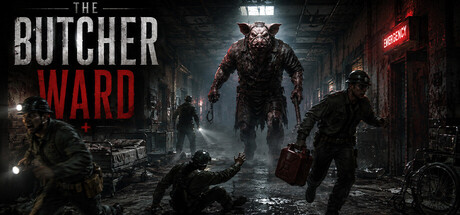 THE BUTCHER WARD Store/marketing art | Generative AI tools were used to assist in the creation and enhancement of selected promotional artwork and Store Page imagery. All generated materials were reviewed, edited, and curated by the development team. The game itself does not use generative AI to create content dynamically during gameplay. | RokugoStudio | - | Aug 25, 2026 | |
 Game Arena X In-game content art | Game Arena X uses AI-generated content only to a very limited extent. A small number of UI elements were initially created with the assistance of AI, after which they were extensively refined, adjusted, and customized by our in-house design team.
All other aspects of Game Arena X — including the platform’s concept, visual design, competitive systems, gameplay features, user experience, and overall development — are entirely original and created by our team. | Game Arena X | - | Aug 25, 2026 | |
 Tsubaki-ke no Shonanoka In-game content arttextcode | Generative AI was used in the development of this game. The background art and character illustrations were created with an image generation model; all images were selected, edited, and processed by the developer. The story text and game logic were drafted and implemented with a large language model, with the developer directing the story and scene design, reviewing and approving all content, and requesting revisions. No generative AI runs at runtime during gameplay. | Maru Works | - | Aug 25, 2026 | |
 The Attending In-game content art | The six staff portrait images currently in the game are AI-generated placeholders. They are being replaced with commissioned, hand-painted portraits by a human artist before release. Everything else — the key art, the store art, every case, every line of dialogue, the music, and the simulation itself — is human-made. The game runs no AI at play time. | Abreu Data Works | - | Aug 25, 2026 | |
 Void Ascend In-game content artaudio | AI tools were used during development to generate some of the visual assets (such as UI elements/background textures) and promotional/audio elements. All AI-generated content was reviewed, edited, and integrated manually into the game. | Xseynon | - | Aug 25, 2026 | |
 VHS Chaos In-game content art | AI was used on a limited basis to assist with the refinement of certain visual designs. All VHS artwork and other licensed imagery is based on artwork created by human artists, and we hold the appropriate licenses for all third-party images used. | RewindApp | - | Aug 25, 2026 | |
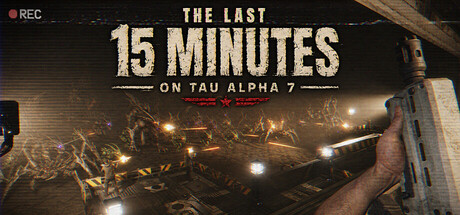 The Last 15 Minutes on Tau Alpha 7 Unclear artaudio | We use generative AI across all disciplines of game development with heavy amounts of human editing. That involves audio and visual art. We use it as a productivity tool so we can achieve a higher level of quality, faster, than we would have been able to. | Over The Moon | - | Aug 24, 2026 | |
 Death Bag Dev only | We use AI tools to support our development process | Eat People Not Animals | - | Aug 24, 2026 | |
 Ward 9 In-game content arttextaudio | Ward 9 uses developer-curated generative AI tools during production for selected marketing/community artwork, narrative drafting support, and voice/audio asset creation. All AI-assisted content is reviewed, edited, and approved by the developer before inclusion. The game does not use live generative AI to create player-facing content during gameplay. | MMKPC Studios | - | Aug 24, 2026 | |
 1200 BC In-game content arttextaudio | We use AI to generate content for the game such as text descriptions, some images like npc portraits and ware items and to generate some stories to create immersion in the game.
We also generate some voicing for dialogs using licensed voices.
We also generate some other sounds such as sound effects (wind, sea waves)
All content text, images, voices or sounds are reviewed manually by a human to verify the content and licensing aspects. | Xno Games Studio | - | Aug 24, 2026 | |
 StarWorks art | The game's surface textures — the colour and relief maps applied to parts,
buildings, terrain and visual effects — and its sound effects were created
with generative AI tools during development. They are generated ahead of
time, reviewed and integrated by hand, and ship with the game as ordinary
image and audio files.
Nothing is generated while you play, and the game never connects to an AI
service.
The simulation itself — orbital mechanics, aerodynamics, the production chains — is written by hand. | ayvem | - | Aug 24, 2026 | |
 Medicinal Herbs - Cannabis Grow Simulator Dev only codetext | Generative AI tools were used during development to assist with programming, debugging, optimization, gameplay design, and the review or translation of some written content. The game does not use live-generated AI and does not connect to an AI service during gameplay. | MazyGames | 61 | Aug 24, 2026 | |
 Steeltide Unclear | Storepage placeholder assets | Tecera Games | - | Aug 24, 2026 | |
 Money Makes Money: Historical Market Simulator In-game content audioart | Generative AI tools were used during development to create or process some pre-generated voice audio and selected 2D visual assets, including stylized character and news-related images.
All AI-assisted content is created before release and manually reviewed, edited, and curated by the developer before being included in the game.
No generative AI runs during gameplay, and no player input or data is sent to generative AI services. | DH_GameStudio | - | Aug 24, 2026 | |
 My Last Appointment In-game content textart | Artificial intelligence was used to assist with interface localization and adaptation of in-game textures.
There was a time when people used Google Translate, and terrible localization for many languages was common. Times have changed, progress does not stand still. Today, new and more advanced tools have emerged, and people now use them instead of outdated ones. | Ells&Pills | 133 | Aug 23, 2026 | |
 Wishing Well Simulator In-game content arttext | Wishing Well Simulator uses generative AI tools during development only; nothing is generated while you play, and the game never connects to any external AI service.
Pre-generated content made with AI assistance:
Key art and store artwork were created with generative image tools and then edited by hand.
The 3D well model was generated with an AI 3D tool (Meshy) and reworked by hand (materials, UVs, textures).
Translations into 21 languages beyond the original Turkish were produced with AI-assisted translation and then reviewed by hand, including platform terminology corrections.
Some secondary text (credits, tutorial hints) was drafted with AI assistance and edited by the author.
Written by hand: the story, all 119 events, the characters and dialogue, the game design and code. Sound effects are procedurally generated by the game's own code (no AI); the game has no music or voice acting. | Kanuni Games | - | Aug 23, 2026 | |
 都市青年模拟器 In-game content artcode | During game development, we used AI tools to assist with the creation of some visual art assets and to support programming work. | HF GAME | 12 | Aug 23, 2026 | |
 The Dark Inside Me - Chapter III Dev only art | AI tools were used as part of the game's visual production and post-production workflow.
The game's 3D assets, environments, characters, animations, and scenes are created and rendered by the developer. AI is primarily used to upscale lower-resolution renders to higher resolutions, helping reduce rendering time while maintaining the desired visual quality.
In some cinematic sequences, AI-assisted tools are also used as part of the production process. Additionally, AI may be used for certain visual corrections, modifications, or minor fixes to rendered images instead of re-rendering an entire scene.
AI is therefore used as a supporting tool in the development and post-production process, while the overall artistic direction, 3D production, scene creation, rendering, and final implementation are handled by the developer. | Akçay Karaazmak | - | Aug 23, 2026 | |
 Bigger Brain Store/marketing art | In some screenshots on the store page, I used AI in order to show more clear image.
In the gameplay, the artificial intelligence is not used. | Dream of guinea pigs | - | Aug 23, 2026 | |
 WEAPONS FREE In-game content audioart | I am poor so I used AI for certain voice lines and scarce images, however the main character is voiced by a real person (yours truly) | MythicPenguin | - | Aug 22, 2026 | |
 ARCHEIO: Night Shift In-game content art | AI was utilized as a supplementary tool for the creation of some art and promotional imagery. The core game experience is entirely hand-crafted using the Godot engine with original and licensed assets. All AI-generated marketing materials underwent human curation and post-processing to ensure visual consistency with the actual gameplay and compliance with platform guidelines. | IonianCore | - | Aug 22, 2026 | |
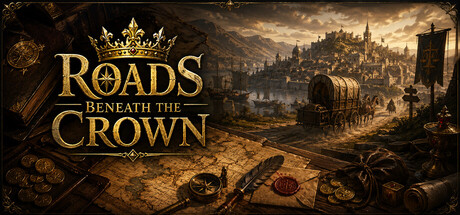 Roads Beneath The Crown In-game content arttext | This game uses generative AI during development to assist with selected artwork, relic and character illustrations, and limited text drafts. All generated material was created offline during development, then manually reviewed, edited, integrated, and quality-checked before being included in the game.
The game does not generate images, audio, text, code, or other content in real time, and it does not send player data or game content to external AI services during gameplay. | Wayward Salmon | - | Aug 22, 2026 | |
 BURST NOIR - Fireworks Simulator In-game content artcodetext | Generative AI tools were used during the development of BURST NOIR to assist with the creation and refinement of certain visual assets, including branding, logo concepts, promotional graphics, and some UI-related artwork.
AI-assisted tools were also used as part of the development workflow for programming, prototyping, localization, and content production.
The core fireworks simulation, gameplay systems, and final in-game presentation are implemented as part of the game itself. The game does not generate AI content in real time during gameplay. | FerioWorks | - | Aug 22, 2026 |


