Public Steam disclosure research25,383 disclosures tracked
Where do games disclose AI use?
Search developers’ Steam disclosures, compare classified AI use across
games, and follow recorded changes.
This index adds cross-game classifications and statistics to
statements published on individual store pages.
Groups reflect automatic analysis of public disclosures; mature records are excluded. These counts do not measure AI use across all of Steam.
Missing or unclear statements cannot establish whether a game uses AI.
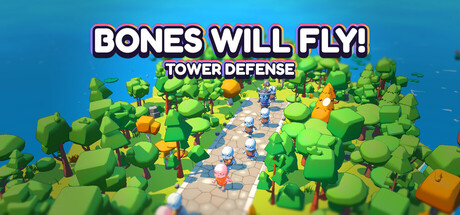
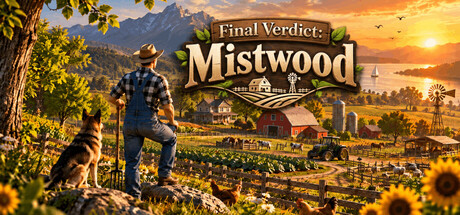
Most of the game's code and the Steam page artwork were made with the help of AI. The farm animal 3D models were made in Blender with the help of AI tools (Astra and Claude). The game does not generate any AI content while you play.
Generative AI was used as a development tool for selected visual assets and concept artwork, as well as for assistance during development. All AI-assisted content was reviewed, edited, and integrated by the developer.
Generative AI was used during development to create some store page artwork and in-game icons. All generated content was reviewed before being included in the final product.
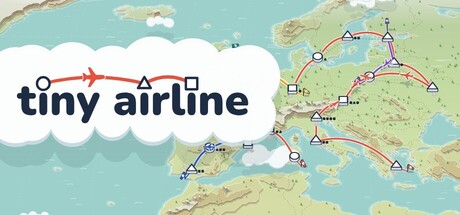
AI was used for coding, translations and achievements. The map, airports and countries come from public datasets. Nothing is generated by AI while you play.
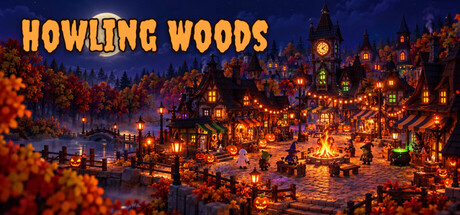
Parts of Howling Woods were made with generative AI during development: its music and sound effects, its interface icons and store art, some of its set-piece models, and parts of its code. All of it was reviewed and reworked by hand, and nothing is generated while you play.
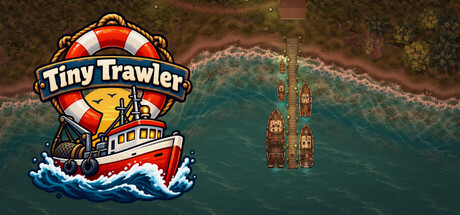
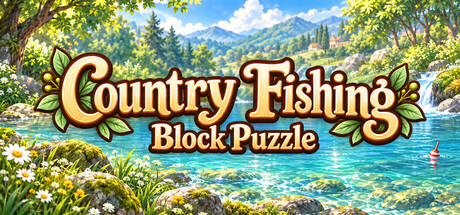
Generative AI was used during development to create pre-generated artwork, including backgrounds, characters, fish, food, icons, and some UI and store images. AI was also used to prepare store descriptions and translations. No content is generated by AI during gameplay.
Generative AI tools were used during development to create or assist with character illustrations, some character sprites and other visual assets, store and promotional artwork, background music, and portions of localized text. These assets were selected, processed and integrated by the developer. The game does not generate AI content during play and does not connect to external AI services at runtime.
Generative AI tools were used during development to help with coding. All assets are 3d modeled or free to use assets. The game does not generate AI content or connect to an AI service.
The game's cases, design and text were created by the developer. Generative AI was used as an assistant when writing the text of this store page and of the game, and to translate it into 12 languages; all of it was reviewed and edited by the developer. No content is generated while you play.
Some visual assets and the music in Roadweave were created with the help of generative AI tools during development: the key art, logo, store and library artwork, icons and achievement badges were made with image tools, and the soundtrack with a music tool. Every asset was selected and edited by the developer before release.
Generative AI is not used while you play. Maps are built by the game's own procedural generator from a seed — ordinary game code, not AI.
Parts of this game were made with the help of AI tools: the store page text, the Turkish and Simplified Chinese translations, and some of the 3D models, UI graphics and store images. The game does not generate any content with AI while you play.
Generative AI tools were used during development to assist with portions of programming and store-page text. All AI-assisted material was reviewed, edited, tested, and integrated by the developer. No generative AI is used during gameplay.
AI tools were used to create artwork and some of the background music included in the game. The game does not generate new content with generative AI during play.
This game includes content created with the assistance of generative AI. Specifically, the clock face and background designs available in the in-game shop were created using generative AI image tools, and the localization of the in-game interface text into several additional languages was produced with generative AI. The game's audio and other content were created without generative AI. No generative AI runs while the game is played — all such content is pre-generated and included in the build.
Generative AI was used for the cards, interface icons, translations and the store page text.
All generated content was selected and checked by hand before it went into the game. No AI is used at runtime.
Some sound effects included in the game were generated using generative AI tools. The game's non-English translations were machine-generated. The game contains no live-generated AI content. Visual assets and UI are generated procedurally by conventional game code.
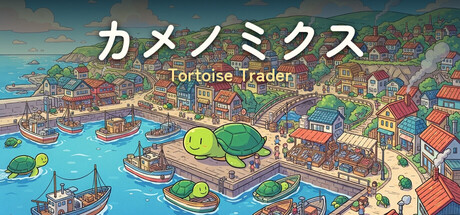
The in-game illustrations in this game were created with generative AI image tools. This covers:
- The background art for the 16 town illustrations
- The turtle and enemy character art
- The single-image art for the opening and ending
- The dojo and battle backgrounds
- The celebration art shown at gold milestones
- The application icon
The developer selected from the generated candidates and adjusted them (resizing, cropping and similar) before including them in the game.
Generative AI was also used for part of the text:
- All English text was translated from Japanese with generative AI
- In the Japanese version, the on-screen guidance, the how-to-play pages, item descriptions, the store description, and some names of goods, places and characters were written with the help of generative AI
Generative AI was not used for:
- The opening and ending text
- Music and sound effects (these are synthesized by the program's own waveform code)
- The developer's logo
The game never calls generative AI while it is running. It can be played offline; its only external communication is with the Steam client, to record Steam achievements.
The background music in this game was created using generative AI. Generative AI was also used for the translations into the nine languages other than Korean, and for the achievement icons. The game design, the original Korean writing, and the character pixel art are human-made.
Images: AI-generated images were manually edited and composited for use in the game.
Text: AI was used to draft some in-game text (card names and descriptions), which was then manually rewritten.
Live-generated AI content: None.
Generative AI was used to assist in creating some of the 2D artwork used for this game's store page and marketing assets (store capsule art and icon bases). All such assets were reviewed, edited and composited by the developer. The game itself does not generate content with AI at runtime.
This game is designed, developed, and published by an independent developer, with AI tools used to assist during development:
Written text was drafted with AI assistance and reviewed and edited by the developer.
The gameplay, the art style, and every revision were decided by the developer.
Some visuals and animations are drawn by code and were reviewed and revised version by version; no AI image-generation models were used.
Map tiles and furniture are human-created licensed assets.
Music and sound effects are human-created licensed assets.
The store capsule artwork was commissioned from a human artist; its background may contain AI-generated elements.
The game does not use AI to generate any content at runtime.
Most of if not all of the models / graphics / music you see in game is made by humans. Rare exceptions were made for some basic models (That we really liked and made a creative decision to keep). We support artists and will continue to do so so in this game and all future ones.
Generative AI tools were used during development to assist with some artwork and localization for the game and its store materials. These images and texts are prepared in advance and included as pre-generated content. The game does not use generative AI to create content or code during gameplay.
We used AI-assisted tools to help create and refine a small selection of visual assets. Each one was reviewed and adjusted by hand before it was used.
AI also helped us tidy up the grammar and wording in a small amount of in-game and store-page text. We checked and edited every final line ourselves.
For us, AI is simply a supporting tool. Dino Dome: Tidy Up! is still shaped by our own ideas, judgement, and hands-on creative work.
Some sprite artwork was pre-generated with AI assistance, then manually selected, edited, and integrated into the shipped game. No AI-generated content is created during gameplay.
This game uses generative AI to create some of its audio content. Background music tracks were generated using Suno, and sound effects (SFX) for menus were generated using ElevenLabs. All AI-generated audio was reviewed and curated by the developer. No gameplay code or puzzle logic is generated by AI at runtime; the use of AI is limited to pre-generated audio content included in the build.
Pre-generated AI-assisted illustrations are used in the Yustar studio opening animation and Steam store and library promotional artwork. AI also assisted with the written store descriptions. No content is generated using AI during gameplay.
The in-game text and the store page text, including the Korean, Japanese and Simplified Chinese translations, were written with the help of AI. Nothing is generated by AI while you play.
Generative AI was used to assist with the localization of some store page content. The generated translations were reviewed and edited before publication.
Almost all content in our game was handcrafted, we used real photos of berries, fruits and etc. to make donuts designs. We used AI as a supportive tool: to edit a few wall paintings, upscale and edit some textures, and fix grammar in the text.
We firmly believe AI is just an assistant—the core of our game remains human creativity and attention to detail.
Most of the game's code and the Steam page artwork were made with the help of AI. The farm animal 3D models were made in Blender with the help of AI tools (Astra and Claude). The game does not generate any AI content while you play.
Generative AI was used as a development tool for selected visual assets and concept artwork, as well as for assistance during development. All AI-assisted content was reviewed, edited, and integrated by the developer.
Generative AI was used during development to create some store page artwork and in-game icons. All generated content was reviewed before being included in the final product.
AI was used for coding, translations and achievements. The map, airports and countries come from public datasets. Nothing is generated by AI while you play.
Parts of Howling Woods were made with generative AI during development: its music and sound effects, its interface icons and store art, some of its set-piece models, and parts of its code. All of it was reviewed and reworked by hand, and nothing is generated while you play.
Generative AI was used during development to create pre-generated artwork, including backgrounds, characters, fish, food, icons, and some UI and store images. AI was also used to prepare store descriptions and translations. No content is generated by AI during gameplay.
Generative AI tools were used during development to create or assist with character illustrations, some character sprites and other visual assets, store and promotional artwork, background music, and portions of localized text. These assets were selected, processed and integrated by the developer. The game does not generate AI content during play and does not connect to external AI services at runtime.
Generative AI tools were used during development to help with coding. All assets are 3d modeled or free to use assets. The game does not generate AI content or connect to an AI service.
The game's cases, design and text were created by the developer. Generative AI was used as an assistant when writing the text of this store page and of the game, and to translate it into 12 languages; all of it was reviewed and edited by the developer. No content is generated while you play.
Some visual assets and the music in Roadweave were created with the help of generative AI tools during development: the key art, logo, store and library artwork, icons and achievement badges were made with image tools, and the soundtrack with a music tool. Every asset was selected and edited by the developer before release.
Generative AI is not used while you play. Maps are built by the game's own procedural generator from a seed — ordinary game code, not AI.
Parts of this game were made with the help of AI tools: the store page text, the Turkish and Simplified Chinese translations, and some of the 3D models, UI graphics and store images. The game does not generate any content with AI while you play.
Generative AI tools were used during development to assist with portions of programming and store-page text. All AI-assisted material was reviewed, edited, tested, and integrated by the developer. No generative AI is used during gameplay.
AI tools were used to create artwork and some of the background music included in the game. The game does not generate new content with generative AI during play.
This game includes content created with the assistance of generative AI. Specifically, the clock face and background designs available in the in-game shop were created using generative AI image tools, and the localization of the in-game interface text into several additional languages was produced with generative AI. The game's audio and other content were created without generative AI. No generative AI runs while the game is played — all such content is pre-generated and included in the build.
Generative AI was used for the cards, interface icons, translations and the store page text.
All generated content was selected and checked by hand before it went into the game. No AI is used at runtime.
Some sound effects included in the game were generated using generative AI tools. The game's non-English translations were machine-generated. The game contains no live-generated AI content. Visual assets and UI are generated procedurally by conventional game code.
The in-game illustrations in this game were created with generative AI image tools. This covers:
- The background art for the 16 town illustrations
- The turtle and enemy character art
- The single-image art for the opening and ending
- The dojo and battle backgrounds
- The celebration art shown at gold milestones
- The application icon
The developer selected from the generated candidates and adjusted them (resizing, cropping and similar) before including them in the game.
Generative AI was also used for part of the text:
- All English text was translated from Japanese with generative AI
- In the Japanese version, the on-screen guidance, the how-to-play pages, item descriptions, the store description, and some names of goods, places and characters were written with the help of generative AI
Generative AI was not used for:
- The opening and ending text
- Music and sound effects (these are synthesized by the program's own waveform code)
- The developer's logo
The game never calls generative AI while it is running. It can be played offline; its only external communication is with the Steam client, to record Steam achievements.
The background music in this game was created using generative AI. Generative AI was also used for the translations into the nine languages other than Korean, and for the achievement icons. The game design, the original Korean writing, and the character pixel art are human-made.
Images: AI-generated images were manually edited and composited for use in the game.
Text: AI was used to draft some in-game text (card names and descriptions), which was then manually rewritten.
Live-generated AI content: None.
Generative AI was used to assist in creating some of the 2D artwork used for this game's store page and marketing assets (store capsule art and icon bases). All such assets were reviewed, edited and composited by the developer. The game itself does not generate content with AI at runtime.
This game is designed, developed, and published by an independent developer, with AI tools used to assist during development:
Written text was drafted with AI assistance and reviewed and edited by the developer.
The gameplay, the art style, and every revision were decided by the developer.
Some visuals and animations are drawn by code and were reviewed and revised version by version; no AI image-generation models were used.
Map tiles and furniture are human-created licensed assets.
Music and sound effects are human-created licensed assets.
The store capsule artwork was commissioned from a human artist; its background may contain AI-generated elements.
The game does not use AI to generate any content at runtime.
Most of if not all of the models / graphics / music you see in game is made by humans. Rare exceptions were made for some basic models (That we really liked and made a creative decision to keep). We support artists and will continue to do so so in this game and all future ones.
Generative AI tools were used during development to assist with some artwork and localization for the game and its store materials. These images and texts are prepared in advance and included as pre-generated content. The game does not use generative AI to create content or code during gameplay.
We used AI-assisted tools to help create and refine a small selection of visual assets. Each one was reviewed and adjusted by hand before it was used.
AI also helped us tidy up the grammar and wording in a small amount of in-game and store-page text. We checked and edited every final line ourselves.
For us, AI is simply a supporting tool. Dino Dome: Tidy Up! is still shaped by our own ideas, judgement, and hands-on creative work.
Some sprite artwork was pre-generated with AI assistance, then manually selected, edited, and integrated into the shipped game. No AI-generated content is created during gameplay.
This game uses generative AI to create some of its audio content. Background music tracks were generated using Suno, and sound effects (SFX) for menus were generated using ElevenLabs. All AI-generated audio was reviewed and curated by the developer. No gameplay code or puzzle logic is generated by AI at runtime; the use of AI is limited to pre-generated audio content included in the build.
Pre-generated AI-assisted illustrations are used in the Yustar studio opening animation and Steam store and library promotional artwork. AI also assisted with the written store descriptions. No content is generated using AI during gameplay.
The in-game text and the store page text, including the Korean, Japanese and Simplified Chinese translations, were written with the help of AI. Nothing is generated by AI while you play.
Generative AI was used to assist with the localization of some store page content. The generated translations were reviewed and edited before publication.
Almost all content in our game was handcrafted, we used real photos of berries, fruits and etc. to make donuts designs. We used AI as a supportive tool: to edit a few wall paintings, upscale and edit some textures, and fix grammar in the text.
We firmly believe AI is just an assistant—the core of our game remains human creativity and attention to detail.