








Disclosure
Brainrot Fire uses generative AI to assist with translating in-game text and interface content into multiple languages, helping us support a wider range of players around the world.
- Creator
- Rixn Games
- Reviews
- -
- Added
- Sep 4, 2026
Public Steam disclosure research 25,380 disclosures tracked
Search developers’ Steam disclosures, compare classified AI use across games, and follow recorded changes. This index adds cross-game classifications and statistics to statements published on individual store pages.
Code help, debugging and other development work.
Capsule art, trailers and promotional material.
Pre-made art, audio, writing and other game assets.
Interactive or runtime AI features disclosed by the developer.
Groups reflect automatic analysis of public disclosures; mature records are excluded. These counts do not measure AI use across all of Steam. Missing or unclear statements cannot establish whether a game uses AI.
Brainrot Fire uses generative AI to assist with translating in-game text and interface content into multiple languages, helping us support a wider range of players around the world.
Neural Defense was developed by a five-person indie team using a combination of hand-crafted work and generative AI tools. Generative AI was used during development to assist with music composition, concept art, portions of the game's code, and the editing and expansion of some narrative text. All final in-game assets — including 3D models, textures, and visual art seen during gameplay — were hand-crafted by the studio's artists. No content or code is generated live during gameplay; everything was created, reviewed, and finalized by the team prior to release.
Some user interface elements (including UI frames, buttons, panels, and HUD background art) were created with the assistance of generative AI image tools during development, then manually edited, composited, and integrated by the development team. Promotional artwork on the store page (capsule, library header/hero images) also used generative AI assistance and was human-reviewed before publication. No AI is used to generate content during gameplay.
We used an AI diffusion tool in Krita to help create the background for the small capsule shown in search results. Our artist then worked over it with several extra layers, a bit like matte painting. For now, it's a placeholder until our artist finishes the hand-painted version of the small capsule. The logo and the other capsule images were already hand-painted by our artist. The in-game portraits were also drawn by another artist on our team. We have a devlog on our website about how we made the capsule artwork and hero portraits, and we'll share the full process on the Steam Community soon too. The playtest build also includes a few placeholder assets made with AI tools in Krita. Our new UI artist is working on a new UI, so we'll be replacing those placeholders soon. As mentioned above, the hero portraits are also hand-drawn by our artist.
Generative AI tools were used during development to assist in creating a limited number of in-game UI design elements and texture assets. Generative AI is not used to create content dynamically during gameplay.
During the development process, we may use procedural and AI-based tools to assist with content creation. In all such cases, the final product reflects the creativity and expression of our own development team.
AI tools were used to assist with development of this game."
All code, game design, maps, and audio behavior were created using AI. AI tools were also used for in-game character 3D models (subsequently hand-optimized and rigged), main menu background videos, store trailer cinematic shots, and store artwork (logo and capsule backgrounds). All content is based on the game's own original characters.
Some of the 2D artwork used for this game's branding and store page - including the app icon and the key art - was created with the help of generative AI image tools, then cropped, edited and finalized by hand. No AI-generated content is produced while you play: all gameplay, 3D models, animation and audio come from licensed or hand-authored assets.
Generative AI tools were used during development to assist with the creation of [artwork, voice audio, text, and localization]. All AI-assisted content was reviewed and edited by the developer before being included in the game. The game does not generate AI content during gameplay.
Use AI to provide certain assistance.
Resolution upscaling, fictive product ads, some of the voiceovers
This game uses generative AI for some visual content, including icons, logos, game art, Steam store page art, and website marketing images. Some store and website descriptions were written with AI assistance. Store, website, and marketing art is made to match the actual in-game look and design.
Our team uses AI tools to help develop some in-game and marketing content.
AI was used for translating and voicing the dialogues. Some images in the game and achievement icons were created using AI.
Some assets in this game were created with the help of generative AI tools during development, including images, animations, sound effects, and background music. All generated content was reviewed and edited by the developer before being used in the game. No generative AI runs in real time during gameplay.
AI used for programmation
Generative AI tools have been used in a limited capacity to assist with pre-generated promotional content. All AI-assisted material is reviewed and curated by the developer. No generative AI is used during gameplay, and the game does not connect to external AI services.
Coding & Assistance creating skins
AI was used for code assistant and for the music.
Some visual assets and portions of the game’s code were created with the assistance of generative AI. All AI-assisted content was reviewed and edited by the developer before being included in the game. The game does not generate AI content during gameplay.
This title utilizes generative AI for parts of the localization and the creation of scenario text.
Store visuals created with the help of AI
No Generative AI art was used in-game or in any of the promotional material. However, ai-assisted tools were used in development for coding assistance and image editing tasks such as upscaling and cleanup of screenshots to be used in capsule arts.
The promotional video on the game's store page used AI-generated character animation slices.
AI was used for creating capsule of the Steam Page and the last cutscene video. Also voices was created by AI but we are planning to remove them later
“AI tools were used to upscale/enhance original artwork created by the developer. The resulting assets were subsequently manually reworked and edited to match the game's intended art direction.”
Some icons and models were developed with the assistance of AI.
Generative AI tools were used during development to assist in the creation and refinement of some pre-generated game content, including visual assets, audio, and development materials. All AI-assisted content was reviewed, edited, and integrated by the developer. No generative AI is used during gameplay.
Electric Crust was designed, built, and directed by its developer, Charles Whetstone. I used generative AI as a production assistance tool for a subset of shipping assets including some sprite artwork that began in Midjourney output before being manipulated and reworked by hand, along with soundtrack being initially created with assistance of Suno. Both were used under paid commercial licenses. The game performs no live or runtime AI generation. Every asset is fixed and authored before release, and the game makes no network calls of any kind.
This game includes assets that were created ahead of time with AI tools: - 27 character 3D models (24 pilots, 3 national commanders) - multi-view images made with AI image generation, then turned into meshes with an image-to-3D tool - 27 character portraits rendered from those 3D models - 2D artwork for the nations, such as the emblems - AI image generation - part of the HUD and UI texture set - AI image generation - the cutaway diagrams on the briefing screen - AI image generation Every generated asset was reviewed, selected and adjusted by the developer before being included. No content is generated by AI while the game is running. The 3D models of the fighters, carriers, turrets, machine leviathans and asteroids are procedurally generated by program, and the stages, effects and all game logic were produced by scripts and by hand.
Generative AI tools were utilized to generate initial texture concepts. All final in-game assets were extensively modified, hand-edited, and integrated manually.
Generative AI was used to assist in creating some pre-rendered artwork, including environment backgrounds, menu and branding art, icons, and promotional/title-card images. These assets were reviewed and integrated by the developer. No content is generated during gameplay, and the game does not connect to external AI services.
During development, generative AI tools were used to assist in creating fixed, pre-generated visual content, including brand illustrations, logo variants, Steam store graphics, UI decorative assets and icons, and seamless PBR material textures. All AI-assisted content was created before release and reviewed by the developer. The game does not generate AI content at runtime, does not accept player prompts for AI generation, and does not send player data to an AI service.
Generative AI was used during development as an assistive tool for some 2D art including weapon reload animation frames and magazine props
Generative AI was used during development to assist with some pre-generated visual assets, including selected 3D models, textures, and animations. All such content is reviewed and edited by the development team. No generative AI runs during gameplay, and no player input is sent to an AI service.
Sound effects and accompaniment partially created by AI
Some images and audio were generated using AI.
The game’s music and minor visual assets were generated with AI assistance and manually refined by the developer. The rest of the content was created without generative AI.
Generative AI tools were used during development to assist with some visual assets, audio, and code. All content was reviewed, edited, and integrated by the developer. The game does not generate AI content during gameplay.
Some background assets and sound effects in this game were created using generative AI.
Generative AI tools were used during development as part of the early creative and production process, including generating mood boards, visual references, and some base meshes. These materials were used as starting points rather than finished game content. Any AI-assisted assets included in Nine Below were substantially reworked, modified, refined, and polished by hand before being included in the final game. AI was used to support iteration and production, while the final game was designed, built, and finished by the developer. No AI-generated content is created during gameplay.
AI was used to write the code for the game, and for the sounds effect. Music and art was all done by a lovely, living human.
Coding help when programming the game.
AI has been used to generate artwork for this game.
I am a solo developer balancing this project with another job. To make this game a reality, I have used generative AI tools as an assistant during development, as well as to generate various pre-rendered assets: 2D visual elements (such as item icons, textures, and interface art) and the composition of the orchestral soundtrack.
Graphics (sprites, logo, artwork) were generated with Google Gemini API models, then curated, edited, and integrated by the developer. Music and sound effects were generated locally with ACE-Step 1.5, directed, curated, and post-processed by the developer. No AI runs during gameplay.
Generative AI was used to assist in creating select art assets, which were reviewed, edited, and integrated by the developer. All gameplay, programming, and overall design were created by the development team.
This game uses AI to assist in generating background music, art design, and multilingual translations.
This game uses generative AI as a production tool. Character, enemy, boss, UI, and background art were created with image-generation models and then assembled, keyed, and edited by the team. Background music and in-game voice and narration (including Classical Latin lines in Purgatory) were also generated with AI and curated for the game. Gameplay, design, writing, and programming are human-authored. The game does not generate new text, images, or audio while you play. Some store and marketing images were produced with the same tools.
| Title⇅ | Disclosure | Creator⇅ | Src | Reviews⇅ | Added↓ |
|---|---|---|---|---|---|
 Brainrot Fire In-game content text | Brainrot Fire uses generative AI to assist with translating in-game text and interface content into multiple languages, helping us support a wider range of players around the world. | Rixn Games | - | Sep 4, 2026 | |
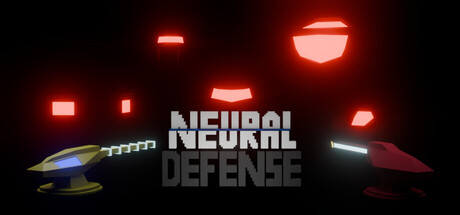 Neural Defense In-game content audioarttextcode | Neural Defense was developed by a five-person indie team using a combination of hand-crafted work and generative AI tools. Generative AI was used during development to assist with music composition, concept art, portions of the game's code, and the editing and expansion of some narrative text. All final in-game assets — including 3D models, textures, and visual art seen during gameplay — were hand-crafted by the studio's artists. No content or code is generated live during gameplay; everything was created, reviewed, and finalized by the team prior to release. | Synapse Game Studios | - | Sep 4, 2026 | |
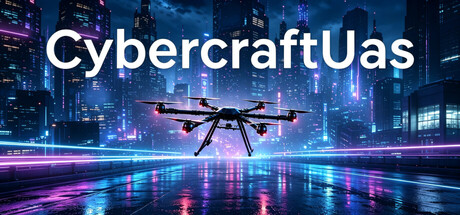 CybercraftUas In-game content art | Some user interface elements (including UI frames, buttons, panels, and HUD background art) were created with the assistance of generative AI image tools during development, then manually edited, composited, and integrated by the development team. Promotional artwork on the store page (capsule, library header/hero images) also used generative AI assistance and was human-reviewed before publication. No AI is used to generate content during gameplay. | Byaero | - | Sep 4, 2026 | |
 DEEPWARD Store/marketing art | We used an AI diffusion tool in Krita to help create the background for the small capsule shown in search results. Our artist then worked over it with several extra layers, a bit like matte painting. For now, it's a placeholder until our artist finishes the hand-painted version of the small capsule.
The logo and the other capsule images were already hand-painted by our artist. The in-game portraits were also drawn by another artist on our team.
We have a devlog on our website about how we made the capsule artwork and hero portraits, and we'll share the full process on the Steam Community soon too.
The playtest build also includes a few placeholder assets made with AI tools in Krita. Our new UI artist is working on a new UI, so we'll be replacing those placeholders soon. As mentioned above, the hero portraits are also hand-drawn by our artist. | ECHOFALL GAMES | - | Sep 4, 2026 | |
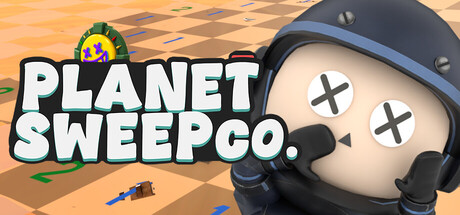 Planet Sweep Company In-game content art | Generative AI tools were used during development to assist in creating a limited number of in-game UI design elements and texture assets. Generative AI is not used to create content dynamically during gameplay. | RealityMakerLab | - | Sep 4, 2026 | |
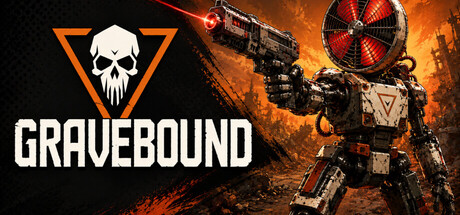 Gravebound Unclear | During the development process, we may use procedural and AI-based tools to assist with content creation. In all such cases, the final product reflects the creativity and expression of our own development team. | Crater Studios | - | Sep 3, 2026 | |
 Sumi Archery Unclear | AI tools were used to assist with development of this game." | Mangal09 | - | Sep 3, 2026 | |
 ToyStorm In-game content artcodetext | All code, game design, maps, and audio behavior were created using AI. AI tools were also used for in-game character 3D models (subsequently hand-optimized and rigged), main menu background videos, store trailer cinematic shots, and store artwork (logo and capsule backgrounds). All content is based on the game's own original characters. | AZ Studio | - | Sep 3, 2026 | |
 Saddlebow In-game content art | Some of the 2D artwork used for this game's branding and store page - including the app icon and the key art - was created with the help of generative AI image tools, then cropped, edited and finalized by hand. No AI-generated content is produced while you play: all gameplay, 3D models, animation and audio come from licensed or hand-authored assets. | SweetPulse Games | - | Sep 3, 2026 | |
 VIRSTEX ENDSTRAIN In-game content artaudiotext | Generative AI tools were used during development to assist with the creation of [artwork, voice audio, text, and localization]. All AI-assisted content was reviewed and edited by the developer before being included in the game. The game does not generate AI content during gameplay. | MOSAIC CAT | - | Sep 3, 2026 | |
 龍Game Unclear | Use AI to provide certain assistance. | 龍Game | - | Sep 3, 2026 | |
 Lost Budapest In-game content artaudio | Resolution upscaling, fictive product ads, some of the voiceovers | Lost Budapest | - | Sep 3, 2026 | |
 Tactical Zoomies In-game content arttext | This game uses generative AI for some visual content, including icons, logos, game art, Steam store page art, and website marketing images. Some store and website descriptions were written with AI assistance. Store, website, and marketing art is made to match the actual in-game look and design. | HyberHub | - | Sep 3, 2026 | |
 ShootyCraft Unclear | Our team uses AI tools to help develop some in-game and marketing content. | Main Tank Software | - | Sep 3, 2026 | |
 Tohunga In-game content textaudioart | AI was used for translating and voicing the dialogues.
Some images in the game and achievement icons were created using AI. | BEZ WAS | - | Sep 3, 2026 | |
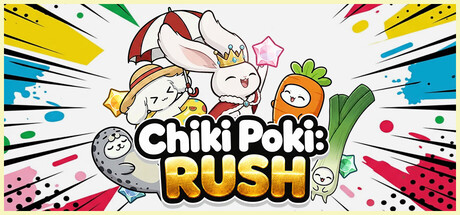 Chiki Poki: Rush🎉 In-game content artaudio | Some assets in this game were created with the help of generative AI tools during development, including images, animations, sound effects, and background music. All generated content was reviewed and edited by the developer before being used in the game. No generative AI runs in real time during gameplay. | Replay Studio | - | Sep 1, 2026 | |
 Out of Range Dev only code | AI used for programmation | Yoho Games | - | Sep 1, 2026 | |
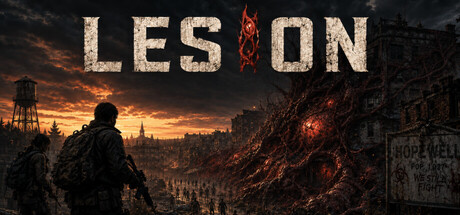 Lesion In-game content arttext | Generative AI tools have been used in a limited capacity to assist with pre-generated promotional content. All AI-assisted material is reviewed and curated by the developer. No generative AI is used during gameplay, and the game does not connect to external AI services. | SocksandGoats Studios | - | Sep 1, 2026 | |
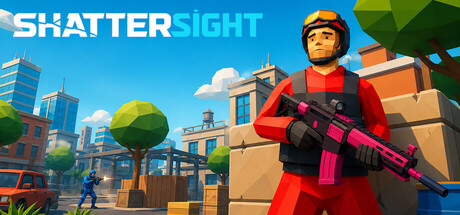 Shattersight In-game content art | Coding & Assistance creating skins | Derek Bancarz | - | Sep 1, 2026 | |
 Just another Tank game In-game content audio | AI was used for code assistant and for the music. | Leonardo Severini | - | Sep 1, 2026 | |
 PEEMAN In-game content artcode | Some visual assets and portions of the game’s code were created with the assistance of generative AI. All AI-assisted content was reviewed and edited by the developer before being included in the game. The game does not generate AI content during gameplay. | TheFoolHead | - | Sep 1, 2026 | |
 RELOADED In-game content text | This title utilizes generative AI for parts of the localization and the creation of scenario text. | NUMB3lab | - | Sep 1, 2026 | |
 Balls Armed Store/marketing art | Store visuals created with the help of AI | Indeed Games | - | Sep 1, 2026 | |
 Divebomb: Weaponized Racing Dev only artcode | No Generative AI art was used in-game or in any of the promotional material. However, ai-assisted tools were used in development for coding assistance and image editing tasks such as upscaling and cleanup of screenshots to be used in capsule arts. | RPM Digital | - | Sep 1, 2026 | |
 Speculators Store/marketing art | The promotional video on the game's store page used AI-generated character animation slices. | Fireseeds | - | Sep 1, 2026 | |
 IT BEGAN In-game content artaudio | AI was used for creating capsule of the Steam Page and the last cutscene video. Also voices was created by AI but we are planning to remove them later | CODE 84 | - | Sep 1, 2026 | |
 The voodoo soldier In-game content art | “AI tools were used to upscale/enhance original artwork created by the developer. The resulting assets were subsequently manually reworked and edited to match the game's intended art direction.” | Kevenson Draws | - | Aug 31, 2026 | |
 Stickman & Wildland Chariot In-game content art | Some icons and models were developed with the assistance of AI. | SleepyCatTech | - | Aug 31, 2026 | |
 BWAG In-game content artaudio | Generative AI tools were used during development to assist in the creation and refinement of some pre-generated game content, including visual assets, audio, and development materials. All AI-assisted content was reviewed, edited, and integrated by the developer. No generative AI is used during gameplay. | Dev-Solo Studio | - | Aug 31, 2026 | |
 Electric Crust: Galactic Pizza Delivery In-game content artaudio | Electric Crust was designed, built, and directed by its developer, Charles Whetstone. I used generative AI as a production assistance tool for a subset of shipping assets including some sprite artwork that began in Midjourney output before being manipulated and reworked by hand, along with soundtrack being initially created with assistance of Suno. Both were used under paid commercial licenses.
The game performs no live or runtime AI generation. Every asset is fixed and authored before release, and the game makes no network calls
of any kind. | Swamp City LLC | - | Aug 31, 2026 | |
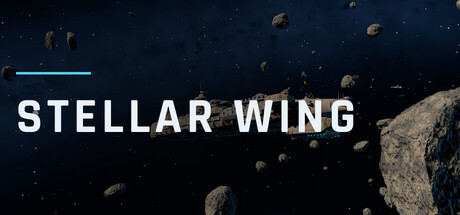 STELLAR WING In-game content art | This game includes assets that were created ahead of time with AI tools:
- 27 character 3D models (24 pilots, 3 national commanders) - multi-view images made with AI image generation, then turned into meshes with an image-to-3D tool
- 27 character portraits rendered from those 3D models
- 2D artwork for the nations, such as the emblems - AI image generation
- part of the HUD and UI texture set - AI image generation
- the cutaway diagrams on the briefing screen - AI image generation
Every generated asset was reviewed, selected and adjusted by the developer before being included.
No content is generated by AI while the game is running. The 3D models of the fighters, carriers, turrets, machine leviathans and asteroids are procedurally generated by program, and the stages, effects and all game logic were produced by scripts and by hand. | RAIDENWORKS | - | Aug 31, 2026 | |
 Bullet's Deal: Split the Fortune In-game content art | Generative AI tools were utilized to generate initial texture concepts. All final in-game assets were extensively modified, hand-edited, and integrated manually. | After Titles Studio | - | Aug 31, 2026 | |
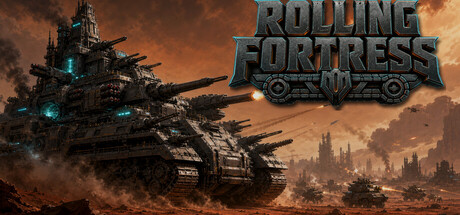 Rolling Fortress In-game content art | Generative AI was used to assist in creating some pre-rendered artwork, including environment backgrounds, menu and branding art, icons, and promotional/title-card images. These assets were reviewed and integrated by the developer. No content is generated during gameplay, and the game does not connect to external AI services. | Last Exit Diner | - | Aug 31, 2026 | |
 Aim Like a Cat In-game content art | During development, generative AI tools were used to assist in creating fixed, pre-generated visual content, including brand illustrations, logo variants, Steam store graphics, UI decorative assets and icons, and seamless PBR material textures. All AI-assisted content was created before release and reviewed by the developer. The game does not generate AI content at runtime, does not accept player prompts for AI generation, and does not send player data to an AI service. | 火火 | - | Aug 31, 2026 | |
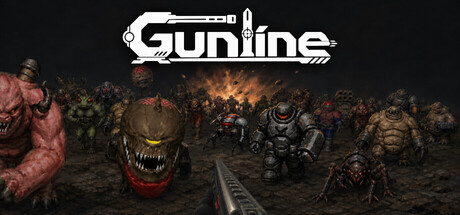 Gunline In-game content art | Generative AI was used during development as an assistive tool for some 2D art including weapon reload animation frames and magazine props | Loaded Dice Studio | - | Aug 31, 2026 | |
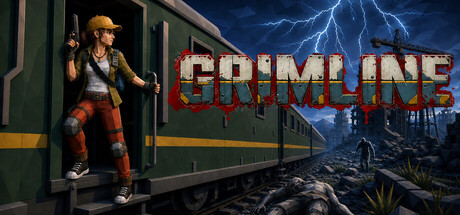 GRIMLINE In-game content art | Generative AI was used during development to assist with some pre-generated visual assets, including selected 3D models, textures, and animations. All such content is reviewed and edited by the development team. No generative AI runs during gameplay, and no player input is sent to an AI service. | Clewcat Games | - | Aug 31, 2026 | |
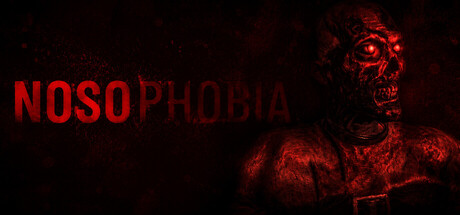 Nosophobia In-game content audio | Sound effects and accompaniment partially created by AI | Venge | - | Aug 31, 2026 | |
 Gaming DNA & ESTI Unclear artaudio | Some images and audio were generated using AI. | Goblet Studio | - | Aug 30, 2026 | |
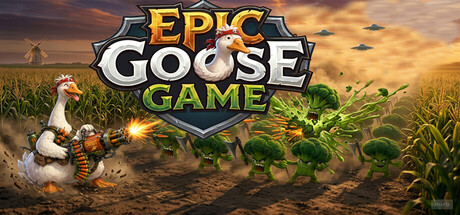 Epic Goose Game In-game content audioart | The game’s music and minor visual assets were generated with AI assistance and manually refined by the developer. The rest of the content was created without generative AI. | Kotynia Games | - | Aug 29, 2026 | |
 Bullet Debt In-game content artaudiocode | Generative AI tools were used during development to assist with some visual assets, audio, and code. All content was reviewed, edited, and integrated by the developer. The game does not generate AI content during gameplay. | David Gamble | - | Aug 29, 2026 | |
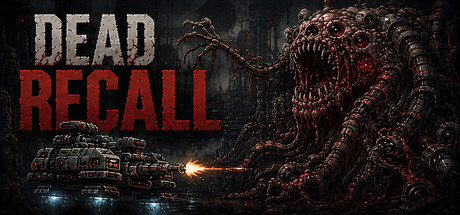 DEAD RECALL In-game content artaudio | Some background assets and sound effects in this game were created using generative AI. | MALCREATURES STUDIO | - | Aug 29, 2026 | |
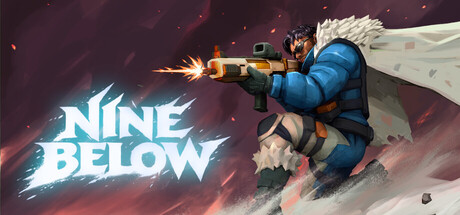 Nine Below In-game content art | Generative AI tools were used during development as part of the early creative and production process, including generating mood boards, visual references, and some base meshes.
These materials were used as starting points rather than finished game content. Any AI-assisted assets included in Nine Below were substantially reworked, modified, refined, and polished by hand before being included in the final game.
AI was used to support iteration and production, while the final game was designed, built, and finished by the developer. No AI-generated content is created during gameplay. | Griffe Studio | - | Aug 29, 2026 | |
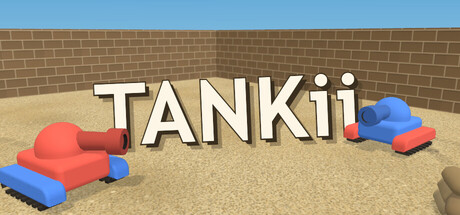 Tankii In-game content codeaudio | AI was used to write the code for the game, and for the sounds effect.
Music and art was all done by a lovely, living human. | Sterling Long | - | Aug 29, 2026 | |
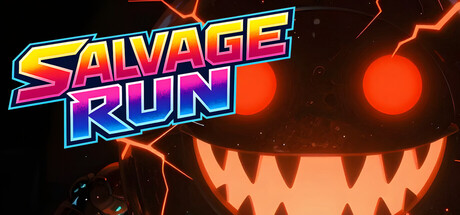 Salvage Run Dev only code | Coding help when programming the game. | Odin's Beard Software | - | Aug 29, 2026 | |
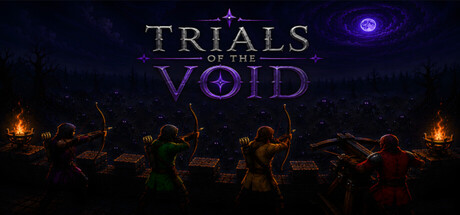 Trials Of The Void In-game content art | AI has been used to generate artwork for this game. | Farya Wolyo Studios | - | Aug 29, 2026 | |
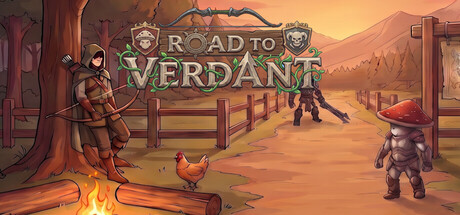 Road to Verdant In-game content artaudio | I am a solo developer balancing this project with another job. To make this game a reality, I have used generative AI tools as an assistant during development, as well as to generate various pre-rendered assets: 2D visual elements (such as item icons, textures, and interface art) and the composition of the orchestral soundtrack. | Verdant Studio | - | Aug 28, 2026 | |
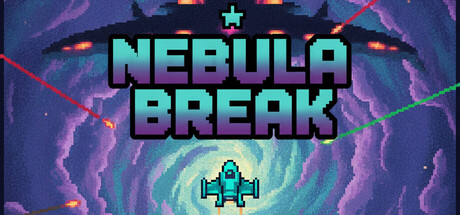 NEBULA BREAK In-game content artaudio | Graphics (sprites, logo, artwork) were generated with Google Gemini API models,
then curated, edited, and integrated by the developer.
Music and sound effects were generated locally with ACE-Step 1.5, directed,
curated, and post-processed by the developer.
No AI runs during gameplay. | AMANOGAWA GAMES | - | Aug 28, 2026 | |
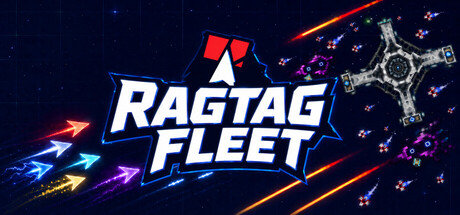 Ragtag Fleet In-game content art | Generative AI was used to assist in creating select art assets, which were reviewed, edited, and integrated by the developer. All gameplay, programming, and overall design were created by the development team. | ESDF Game | - | Aug 28, 2026 | |
 Hanzi Bird In-game content audioarttext | This game uses AI to assist in generating background music, art design, and multilingual translations. | FFSKYChocobo | - | Aug 28, 2026 | |
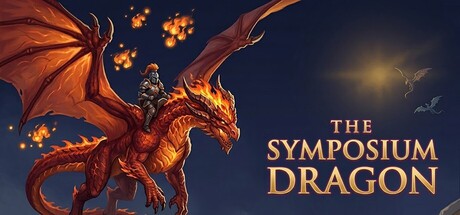 The Symposium Dragon In-game content artaudiotext | This game uses generative AI as a production tool. Character, enemy, boss, UI, and background art were created with image-generation models and then assembled, keyed, and edited by the team. Background music and in-game voice and narration (including Classical Latin lines in Purgatory) were also generated with AI and curated for the game.
Gameplay, design, writing, and programming are human-authored. The game does not generate new text, images, or audio while you play. Some store and marketing images were produced with the same tools. | STUDIO MIL | - | Aug 28, 2026 |


