








Disclosure
Some of the music & art in this game has been generated with the assistance of Artificial Intelligence tools.
- Creator
- Rothwell Creative Concepts
- Reviews
- -
- Added
- Aug 19, 2026
Public Steam disclosure research 25,380 disclosures tracked
Search developers’ Steam disclosures, compare classified AI use across games, and follow recorded changes. This index adds cross-game classifications and statistics to statements published on individual store pages.
Code help, debugging and other development work.
Capsule art, trailers and promotional material.
Pre-made art, audio, writing and other game assets.
Interactive or runtime AI features disclosed by the developer.
Groups reflect automatic analysis of public disclosures; mature records are excluded. These counts do not measure AI use across all of Steam. Missing or unclear statements cannot establish whether a game uses AI.
Some of the music & art in this game has been generated with the assistance of Artificial Intelligence tools.
AI was used in the graphics and programming of this game.
During Early Access, AI placeholders might be used in lieu of handcrafted assets to speed up development and to improve the game’s visual fidelity. It is currently our plan to gradually replace all AI-generated assets by the final release.
Some of this game's assets were made with generative AI tools: the music, the store artwork, and the French translation. Everything ships as fixed files that were generated, chosen, and edited by the developer. Nothing is generated while you play, and the game never connects to an AI service.
During the development of Star Surge, generative AI tools were used to assist in designing certain in-game visuals (such as achievement icons) and promotional materials. AI was utilized as an aid to accelerate the visual production process, and all generated content was adjusted to fit the game's sci-fi theme. The core mechanics and coding of the game were developed entirely by hand.
Generative AI was used to help create certain visual assets and promotional materials. Originally hand-drawn building graphics were processed with AI tools to increase detail and were subsequently manually edited.
Some assets in Starfort, including selected voice lines, artwork, and marketing materials, were created with the help of generative AI tools during development. All such content was reviewed, edited, curated, and finalized by the developer and is pre-generated. Starfort does not generate content during gameplay or connect to external AI services.
The visual art, music, sound effects, pilot voice lines and written text in Starhand were created using generative AI tools — Recraft for illustration, Suno for music, and ElevenLabs for voice and sound effects — and were then selected, edited and assembled by the developer. All of it is generated ahead of time and ships as fixed assets: the game does not generate any content while you play, and it does not connect to any AI service at runtime.
Some Steam store and library presentation artwork was created with assistance from generative AI tools, then selected and edited by the developer. Localization was completed conventionally, with AI used to assist in verification and quality checks.
Used a few AI generated sound SFX
Some images in the current version were created with the assistance of generative AI. These assets are planned to be replaced with original artwork during development.
Some artwork (ship, station and environment sprites, icons) and sound effects were created using generative AI tools during development, then curated and hand-edited by the developer. All AI-generated content was reviewed before inclusion.
All music is human-made. AI was used for art, sound effects, and programming.
I'm not a professional game developer or artist. Making my own game had been a dream for years, but I never knew how to turn that dream into reality. Generative AI became the tool that finally made it possible. With its help, I created many of the game's visual and audio assets, including item, UI, skill, and module icons, character portraits, ships, space stations, backgrounds, the game icon, the Steam store artwork, and some of the sound effects. It also assisted me with programming. But Star Corsairs is not a game that AI simply generated. Every asset was reviewed, rejected, refined, or replaced until it matched the vision I had in mind. Every gameplay system was designed, tested, and reworked repeatedly until it felt right. The economy, ship balance, pirate AI, combat, and progression were all shaped through countless hours of playtesting and manual iteration. The story, world, and all of the writing were created by me. Without generative AI, this game would probably never have existed. But without the countless creative decisions, revisions, and work behind every part of it, Star Corsairs wouldn't exist either.
Music composed in Udio studio
Generative AI tools were used during development to assist with programming and localization. All AI-assisted code and text were reviewed, edited, tested, and integrated by the developer. No generative AI is used while the game is running.
Generative AI tools were used during development for limited coding assistance and as a starting point for some 3D assets. All AI-assisted content was reviewed, modified, and integrated by the developer. No generative AI is used during gameplay.
Generative AI was used during development to create in-game 2D visual assets, as well as 2D upgrade icons and sound effects. Generative AI was also used for certain promotional voice-over audio. All generated outputs were reviewed, selected, edited, and integrated by the developer. The game does not use live generative AI or generate content at runtime. Every asset was created under the developer’s creative direction to reflect the developer’s own ideas and artistic vision.
Music and voice narration use AI generated audio, later edited by the developer.
Generative AI was used to assist in the creation of a small number of pre-generated sound effects. All AI-assisted audio was reviewed and curated by the developer. No generative AI is used during gameplay, and the game does not generate content in real time.
During development, we used generative AI tools to transform early sketches and visual concepts into functional 2D game assets and visual materials that help define Cosmic Clicker’s identity. This included selected in-game assets, Steam store capsules, library artwork, icons, and key art. The generated results were reviewed, selected, refined, and integrated to maintain consistency with the game’s established art direction.
The pixel art was generated with PixelLab. The music was generated with Suno on a paid plan. I wrote the prompts, picked what worked, and threw out what didn't. The game itself, the economy, the systems, the design, the words on screen, I built. Nothing is generated while the game runs. Everything ships as files. There are no AI calls at play time, no AI voice, and no chatbots.
Scuttled was created by a solo developer working with an AI assistant. AI was used under the developer's direction to help write the game's code, its in-game text and story logs, the procedurally drawn artwork and music, and the store page materials, including the key art and trailer. All of it was reviewed, revised, and approved by the developer. The game does not use AI at runtime: nothing is generated while you play, and everything you see and hear ships with the game exactly as authored.
Dubstep: Solar System is an AI-assisted indie game — the studio name, Vibe Coded Reality, wears it proudly. Here is exactly how generative AI was used: MUSIC: The entire 46-track original dubstep soundtrack was generated with Suno under a paid commercial license, from prompts written by the developer — every track hand-picked from multiple takes and play-tested against the game's beat-gate timing. CODE: Much of the game's code was written with AI coding assistants working under the developer's direction; all game design, difficulty tuning, and play-testing are human work. STORE ARTWORK: The cover and capsule artwork were created with AI image tools, then composed and typeset by the developer. All in-game visuals are drawn procedurally by the game's own code — no AI-generated images appear inside the game itself, and nothing is generated by AI at runtime while you play.
Most 2D art in this game — ships, enemies, bosses, icons and badges — was first created with AI image tools, then selected, edited and finalised by the developer. No AI is used during gameplay.
The voice lines, non-English localization, and store art in Stellar Orbit are provided by generative AI tools.
Some promotional visual assets used on the store page (marketing illustrations) were created with the help of generative artificial intelligence tools. The game content itself (gameplay, in-game graphics, levels, mechanics, and logic) is entirely created by humans, with no AI-generated content used in real time or in pre-rendered gameplay.
AI was used only to generate the music and sound effects for BitBeasts. No AI was used to generate the game's visual assets, gameplay systems, code, or other core game content.
Generative AI tools were used during development to assist with portions of debugging and gameplay balancing. All AI-assisted output was reviewed, modified, tested, and integrated by the developer. The game does not connect to generative AI services or generate AI content during gameplay.
This game uses generative AI for some of its text content — achievement names and descriptions, story fragments, and flavor text were generated with AI assistance during development, along with parts of this store page. The game's art and sound are not AI-generated: every visual is procedural code (vector shapes, no images or bitmaps), and every sound is synthesized in real time — nothing recorded, nothing AI-generated.
Used AI to generate cover photo of the game.
Some visual assets used in the game and its promotional materials were created with the assistance of generative AI. These assets were reviewed and integrated by the developer as part of the game's overall art direction.
Ring Cosmos was developed by a solo developer with AI assistance during programming. The store page capsule images were also produced with AI assistance, generated programmatically through custom drawing code rather than image generation models. All game visuals are drawn in real time by the game's own rendering code. The soundtrack is licensed human-made music by JDSherbert. No AI content is generated while you play.
Generative AI was used during development to assist with the creation of certain visual assets, localization, and store page materials. All AI-generated content has been reviewed, edited, and integrated by the developer. The game does not generate content with AI at runtime.
During development, AI tools were used to help review and debug parts of the code
I am a solo indie developer and programmer. Some of the 2D graphics in the game and its store materials were created with the assistance of generative AI, then reviewed, edited, and integrated by me. No generative AI is used during gameplay.
Some in-game and marketing images were generated with AI.
We used Gemini AI during the development process to assist in generating some ambient background music tracks. Additionally, AI tools were used for minor assistance in refining some visual components and lighting enhancements for marketing assets. All components have been carefully curated, hand-edited, and integrated by the developer to comply with Steam's content policies.
Generative AI tools were used during development to assist with programming and code generation, and to create or refine certain pre-generated visual assets, including promotional artwork and selected in-game UI and art assets. All AI-assisted code and assets were reviewed, tested, and edited by the developer before inclusion. The released game does not generate content or code during gameplay and does not connect to external AI services.
Some resources were created using AI for efficiency as a Solo Developer.
some music and images
During development, as a solo developer, Claude Code was especially helpful for debugging, development and testing. There is no LLM usage within Frontier Protocol and no external connection is required to play Frontier Protocol.
Generative AI tools were used to assist in the creation of visual assets, background graphics, and promotional store art for the game.
This whole game exists because I wondered whether, with these tools, I could actually make one. Generative AI tools were used to create assets that ship with the game. The 3D ship and enemy models were generated with Meshy AI from my own 2D concept art, and AI tools assisted with in-game text, audio, and parts of the store page and marketing materials. The design, code and balance are mine — the wave generation, the ship and weapon tuning, the modification link-set system, the campaign structure. Seventeen worlds' worth of hand-tuned numbers. I'm a solo developer with a full-time job and three kids. The answer to the question turned out to be yes, and this is it.
Some in-game graphical elements, such as UI surfaces, sprites and icons were created or modified using generative AI tools.
Generative AI tools were used to create part of this game's visual assets: 2D unit and building sprites, terrain textures, background art, and 3D models. Some store page and marketing images were created the same way. Every generated asset was selected, edited and assembled by hand, and the game generates no content at runtime.
The only Ai Artwork used are for the cardboard cut out characters. All the Paintings in the game are my own Oil Paintings.
Se ha usado IA para la creación de la música de fondo durante el juego, la imagen de la tienda en Steam y para la corrección de errores bajo supervisión personal.
The drone images on the website and Steam game page, (not used in the actual game), were generated by AI. The Symbology of the in-game tactical display was generated by AI under close human supervision and iteration. The music in this game was not generated by AI.
During the development of this game, pre-generated AI tools were utilized to assist with text translations, programming scripts and optimization, and the creation of 2D artwork assets. All AI-generated content was directly reviewed, refined, and applied to the game by the developer.
| Title⇅ | Disclosure | Creator⇅ | Src | Reviews⇅ | Added↓ |
|---|---|---|---|---|---|
 Voidpath In-game content artaudio | Some of the music & art in this game has been generated with the assistance of Artificial Intelligence tools. | Rothwell Creative Concepts | - | Aug 19, 2026 | |
 Starfleet Commander Unclear artcode | AI was used in the graphics and programming of this game. | Honeyjam inc | - | Aug 19, 2026 | |
 METEORITE In-game content art | During Early Access, AI placeholders might be used in lieu of handcrafted assets to speed up development and to improve the game’s visual fidelity. It is currently our plan to gradually replace all AI-generated assets by the final release. | Astrogation | - | Aug 19, 2026 | |
 HyperPipes In-game content audioarttext | Some of this game's assets were made with generative AI tools: the music, the store artwork, and the French translation. Everything ships as fixed files that were generated, chosen, and edited by the developer. Nothing is generated while you play, and the game never connects to an AI service. | CrashBamBoom | - | Aug 19, 2026 | |
 Star Surge In-game content art | During the development of Star Surge, generative AI tools were used to assist in designing certain in-game visuals (such as achievement icons) and promotional materials. AI was utilized as an aid to accelerate the visual production process, and all generated content was adjusted to fit the game's sci-fi theme. The core mechanics and coding of the game were developed entirely by hand. | Typhoon | - | Aug 19, 2026 | |
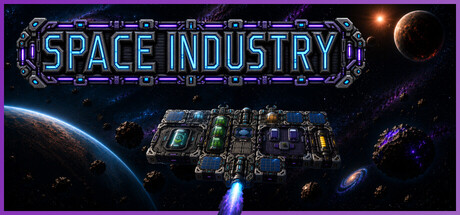 Space Industry In-game content art | Generative AI was used to help create certain visual assets and promotional materials. Originally hand-drawn building graphics were processed with AI tools to increase detail and were subsequently manually edited. | Eirikrson | - | Aug 19, 2026 | |
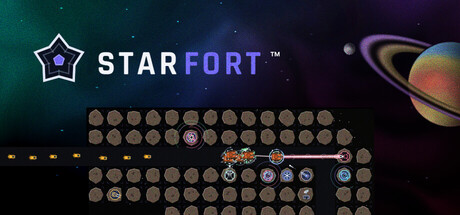 Starfort In-game content artaudio | Some assets in Starfort, including selected voice lines, artwork, and marketing materials, were created with the help of generative AI tools during development. All such content was reviewed, edited, curated, and finalized by the developer and is pre-generated. Starfort does not generate content during gameplay or connect to external AI services. | Starfort, Inc. | - | Aug 18, 2026 | |
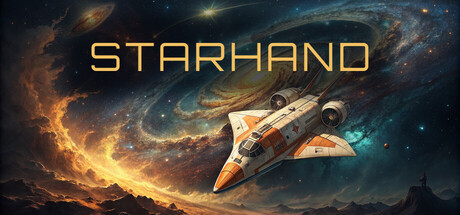 Starhand In-game content artaudiotext | The visual art, music, sound effects, pilot voice lines and written text in Starhand were created using generative AI tools — Recraft for illustration, Suno for music, and ElevenLabs for voice and sound effects — and were then selected, edited and assembled by the developer. All of it is generated ahead of time and ships as fixed assets: the game does not generate any content while you play, and it does not connect to any AI service at runtime. | Christopher Hinckley | - | Aug 17, 2026 | |
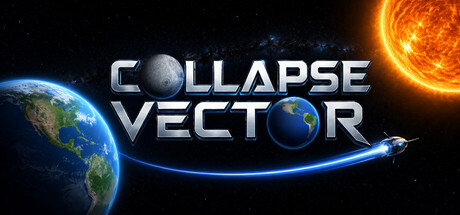 Collapse Vector In-game content arttext | Some Steam store and library presentation artwork was created with assistance from generative AI tools, then selected and edited by the developer. Localization was completed conventionally, with AI used to assist in verification and quality checks. | Starfuel Interactive | - | Aug 17, 2026 | |
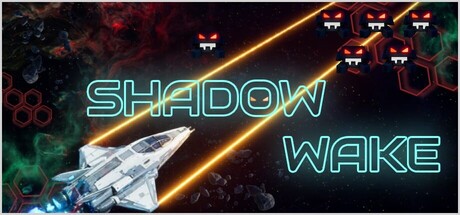 Shadow Wake In-game content audio | Used a few AI generated sound SFX | Binary Omen | - | Aug 17, 2026 | |
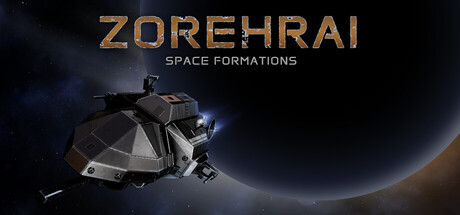 Zorehrai: Space Formations In-game content art | Some images in the current version were created with the assistance of generative AI. These assets are planned to be replaced with original artwork during development. | Khochu Games | - | Aug 17, 2026 | |
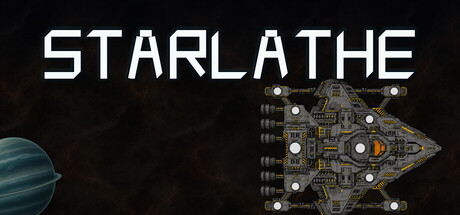 Starlathe In-game content artaudio | Some artwork (ship, station and environment sprites, icons) and sound effects were created using generative AI tools during development, then curated and hand-edited by the developer. All AI-generated content was reviewed before inclusion. | Astraeon Interactive | - | Aug 16, 2026 | |
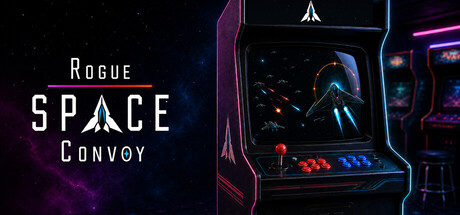 Rogue Space Convoy In-game content artaudio | All music is human-made.
AI was used for art, sound effects, and programming. | Delti LLC | - | Aug 16, 2026 | |
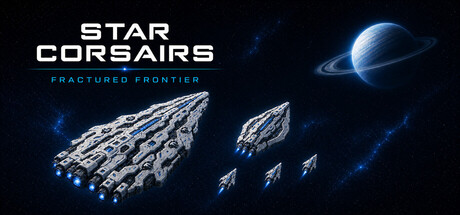 Star Corsairs: Fractured Frontier In-game content artaudiocode | I'm not a professional game developer or artist. Making my own game had been a dream for years, but I never knew how to turn that dream into reality. Generative AI became the tool that finally made it possible.
With its help, I created many of the game's visual and audio assets, including item, UI, skill, and module icons, character portraits, ships, space stations, backgrounds, the game icon, the Steam store artwork, and some of the sound effects. It also assisted me with programming.
But Star Corsairs is not a game that AI simply generated. Every asset was reviewed, rejected, refined, or replaced until it matched the vision I had in mind. Every gameplay system was designed, tested, and reworked repeatedly until it felt right. The economy, ship balance, pirate AI, combat, and progression were all shaped through countless hours of playtesting and manual iteration. The story, world, and all of the writing were created by me.
Without generative AI, this game would probably never have existed. But without the countless creative decisions, revisions, and work behind every part of it, Star Corsairs wouldn't exist either. | Tagir Nabiullin | - | Aug 16, 2026 | |
 Twin-stick Japanese In-game content audio | Music composed in Udio studio | Top Kicker | - | Aug 16, 2026 | |
 Raider Pheasant Dev only codetext | Generative AI tools were used during development to assist with programming and localization. All AI-assisted code and text were reviewed, edited, tested, and integrated by the developer. No generative AI is used while the game is running. | PolygonLove International | - | Aug 16, 2026 | |
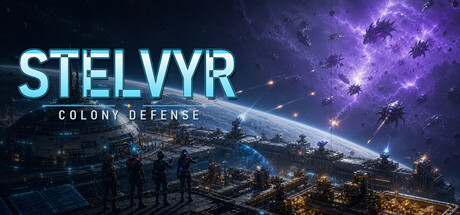 Stelvyr: Colony Defense In-game content codeart | Generative AI tools were used during development for limited coding assistance and as a starting point for some 3D assets. All AI-assisted content was reviewed, modified, and integrated by the developer. No generative AI is used during gameplay. | CannyEdge Interactive | - | Aug 16, 2026 | |
 Another Black Hole Incremental In-game content artaudio | Generative AI was used during development to create in-game 2D visual assets, as well as 2D upgrade icons and sound effects. Generative AI was also used for certain promotional voice-over audio. All generated outputs were reviewed, selected, edited, and integrated by the developer. The game does not use live generative AI or generate content at runtime. Every asset was created under the developer’s creative direction to reflect the developer’s own ideas and artistic vision. | SorinBuildsGames | - | Aug 16, 2026 | |
 ALL OUT WAR In-game content audio | Music and voice narration use AI generated audio, later edited by the developer. | Felipe Pechmann | - | Aug 16, 2026 | |
 STARSHRED In-game content audio | Generative AI was used to assist in the creation of a small number of pre-generated sound effects. All AI-assisted audio was reviewed and curated by the developer. No generative AI is used during gameplay, and the game does not generate content in real time. | NEYSEGAMES | - | Aug 14, 2026 | |
 Cosmic Clicker In-game content art | During development, we used generative AI tools to transform early sketches and visual concepts into functional 2D game assets and visual materials that help define Cosmic Clicker’s identity. This included selected in-game assets, Steam store capsules, library artwork, icons, and key art.
The generated results were reviewed, selected, refined, and integrated to maintain consistency with the game’s established art direction. | Gladino | - | Aug 14, 2026 | |
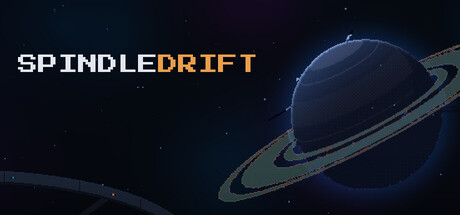 SPINDLEDRIFT In-game content artaudiotext | The pixel art was generated with PixelLab. The music was generated with Suno on a paid plan. I wrote the prompts, picked what worked, and threw out what didn't. The game itself, the economy, the systems, the design, the words on screen, I built. Nothing is generated while the game runs. Everything ships as files. There are no AI calls at play time, no AI voice, and no chatbots. | Half Ass Studios | - | Aug 14, 2026 | |
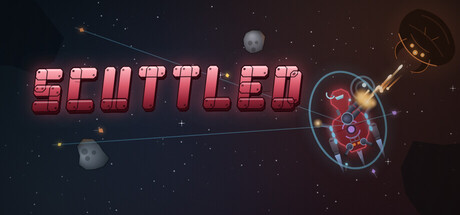 Scuttled In-game content artaudiotextcode | Scuttled was created by a solo developer working with an AI assistant. AI was used under the developer's direction to help write the game's code, its in-game text and story logs, the procedurally drawn artwork and music, and the store page materials, including the key art and trailer. All of it was reviewed, revised, and approved by the developer. The game does not use AI at runtime: nothing is generated while you play, and everything you see and hear ships with the game exactly as authored. | Tallboy Games | - | Aug 14, 2026 | |
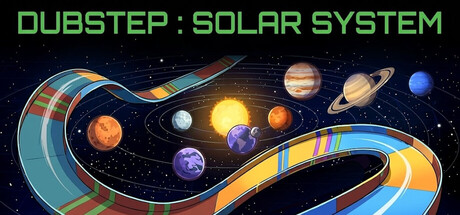 Dubstep: Solar System In-game content audioartcode | Dubstep: Solar System is an AI-assisted indie game — the studio name, Vibe Coded Reality, wears it proudly. Here is exactly how generative AI was used:
MUSIC: The entire 46-track original dubstep soundtrack was generated with Suno under a paid commercial license, from prompts written by the developer — every track hand-picked from multiple takes and play-tested against the game's beat-gate timing.
CODE: Much of the game's code was written with AI coding assistants working under the developer's direction; all game design, difficulty tuning, and play-testing are human work.
STORE ARTWORK: The cover and capsule artwork were created with AI image tools, then composed and typeset by the developer.
All in-game visuals are drawn procedurally by the game's own code — no AI-generated images appear inside the game itself, and nothing is generated by AI at runtime while you play. | Ian Rosner | - | Aug 14, 2026 | |
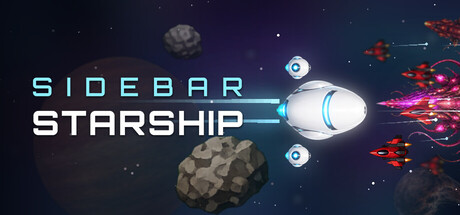 Sidebar Starship In-game content art | Most 2D art in this game — ships, enemies, bosses, icons and badges — was first created with AI image tools, then selected, edited and finalised by the developer. No AI is used during gameplay. | 初心者工作室 | - | Aug 14, 2026 | |
 Stellar Orbit In-game content audiotextart | The voice lines, non-English localization, and store art in Stellar Orbit are provided by generative AI tools. | Juha Ylitalo | - | Aug 14, 2026 | |
 Armada Fighters In-game content art | Some promotional visual assets used on the store page (marketing illustrations) were created with the help of generative artificial intelligence tools.
The game content itself (gameplay, in-game graphics, levels, mechanics, and logic) is entirely created by humans, with no AI-generated content used in real time or in pre-rendered gameplay. | BenribsLab | - | Aug 14, 2026 | |
 BitBeasts In-game content audio | AI was used only to generate the music and sound effects for BitBeasts. No AI was used to generate the game's visual assets, gameplay systems, code, or other core game content. | Fellor | - | Aug 13, 2026 | |
 KLAST Dev only code | Generative AI tools were used during development to assist with portions of debugging and gameplay balancing. All AI-assisted output was reviewed, modified, tested, and integrated by the developer. The game does not connect to generative AI services or generate AI content during gameplay. | Ursavus LLC | - | Aug 13, 2026 | |
 CQ: Calling Any Station In-game content text | This game uses generative AI for some of its text content — achievement names and descriptions, story fragments, and flavor text were generated with AI assistance during development, along with parts of this store page. The game's art and sound are not AI-generated: every visual is procedural code (vector shapes, no images or bitmaps), and every sound is synthesized in real time — nothing recorded, nothing AI-generated. | Arkkis | - | Aug 13, 2026 | |
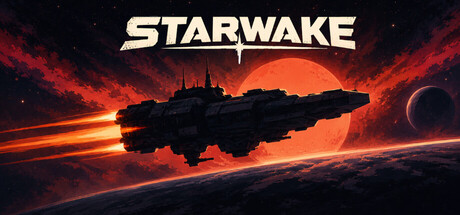 Starwake Store/marketing art | Used AI to generate cover photo of the game. | volaryus | - | Aug 13, 2026 | |
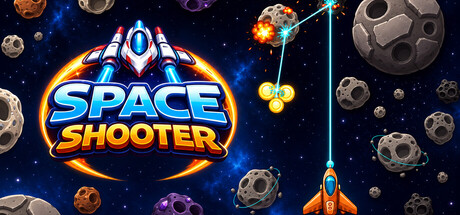 SpaceShooter In-game content art | Some visual assets used in the game and its promotional materials were created with the assistance of generative AI. These assets were reviewed and integrated by the developer as part of the game's overall art direction. | kbatzis | - | Aug 13, 2026 | |
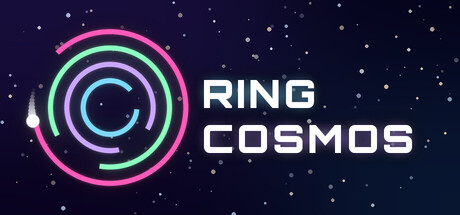 Ring cosmos Store/marketing artcode | Ring Cosmos was developed by a solo developer with AI assistance during programming. The store page capsule images were also produced with AI assistance, generated programmatically through custom drawing code rather than image generation models. All game visuals are drawn in real time by the game's own rendering code. The soundtrack is licensed human-made music by JDSherbert. No AI content is generated while you play. | Felipe Cruz | - | Aug 13, 2026 | |
 Mom! I'm gonna be a black hole when I grow up! In-game content arttext | Generative AI was used during development to assist with the creation of certain visual assets, localization, and store page materials. All AI-generated content has been reviewed, edited, and integrated by the developer. The game does not generate content with AI at runtime. | KUMA Software | - | Aug 13, 2026 | |
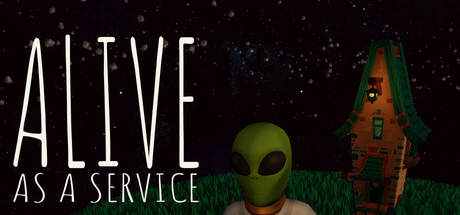 Alive as a Service Dev only code | During development, AI tools were used to help review and debug parts of the code | koby | - | Aug 12, 2026 | |
 AFTER SILENCE Store/marketing art | I am a solo indie developer and programmer. Some of the 2D graphics in the game and its store materials were created with the assistance of generative AI, then reviewed, edited, and integrated by me. No generative AI is used during gameplay. | Elmiva Games | - | Aug 11, 2026 | |
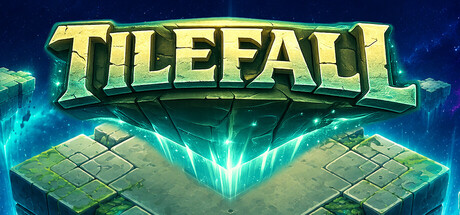 Tilefall In-game content art | Some in-game and marketing images were generated with AI. | Echelon Productions | - | Aug 11, 2026 | |
 WHY THE LADDER? In-game content audioart | We used Gemini AI during the development process to assist in generating some ambient background music tracks. Additionally, AI tools were used for minor assistance in refining some visual components and lighting enhancements for marketing assets. All components have been carefully curated, hand-edited, and integrated by the developer to comply with Steam's content policies. | ZeroFlux Games | - | Aug 11, 2026 | |
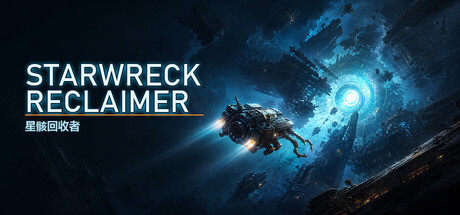 Starwreck Reclaimer In-game content artcode | Generative AI tools were used during development to assist with programming and code generation, and to create or refine certain pre-generated visual assets, including promotional artwork and selected in-game UI and art assets. All AI-assisted code and assets were reviewed, tested, and edited by the developer before inclusion. The released game does not generate content or code during gameplay and does not connect to external AI services. | Starwreck Studio | - | Aug 11, 2026 | |
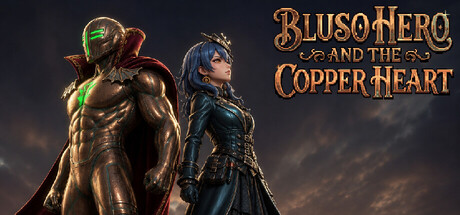 Bluso Hero and the Copper Heart Dev only | Some resources were created using AI for efficiency as a Solo Developer. | El Abrigo de Paulo | - | Aug 11, 2026 | |
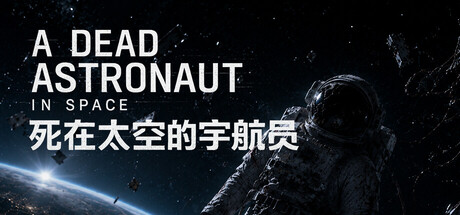 a dead astronaut in space Unclear artaudio | some music and images | a dead astronaut | - | Aug 11, 2026 | |
 Frontier Protocol Dev only code | During development, as a solo developer, Claude Code was especially helpful for debugging, development and testing. There is no LLM usage within Frontier Protocol and no external connection is required to play Frontier Protocol. | William Radcliffe | - | Aug 11, 2026 | |
 BlackHole Collapse Store/marketing art | Generative AI tools were used to assist in the creation of visual assets, background graphics, and promotional store art for the game. | AakNextGames | - | Aug 11, 2026 | |
 Neon Armada - Solar Storm In-game content arttextaudio | This whole game exists because I wondered whether, with these tools, I could actually make one.
Generative AI tools were used to create assets that ship with the game. The 3D ship and enemy models were generated with Meshy AI from my own 2D concept art, and AI tools assisted with in-game text, audio, and parts of the store page and marketing materials.
The design, code and balance are mine — the wave generation, the ship and weapon tuning, the modification link-set system, the campaign structure. Seventeen worlds' worth of hand-tuned numbers.
I'm a solo developer with a full-time job and three kids. The answer to the question turned out to be yes, and this is it. | Faint Signal | - | Aug 10, 2026 | |
 Constellation Clicker In-game content art | Some in-game graphical elements, such as UI surfaces, sprites and icons were created or modified using generative AI tools. | Ákos Hornung | - | Aug 10, 2026 | |
 Helion Conflict In-game content art | Generative AI tools were used to create part of this game's visual assets: 2D unit and building sprites, terrain textures, background art, and 3D models. Some store page and marketing images were created the same way. Every generated asset was selected, edited and assembled by hand, and the game generates no content at runtime. | GoraGames | - | Aug 8, 2026 | |
 Liminal Space Holiday In-game content art | The only Ai Artwork used are for the cardboard cut out characters.
All the Paintings in the game are my own Oil Paintings. | Ravenhome Studios | - | Aug 8, 2026 | |
 The Endless Sky In-game content audioart | Se ha usado IA para la creación de la música de fondo durante el juego, la imagen de la tienda en Steam y para la corrección de errores bajo supervisión personal. | SundayGames | - | Aug 8, 2026 | |
 Space Interface In-game content art | The drone images on the website and Steam game page, (not used in the actual game), were generated by AI. The Symbology of the in-game tactical display was generated by AI under close human supervision and iteration. The music in this game was not generated by AI. | Hbit LLC | - | Aug 8, 2026 | |
 Planet Inc In-game content textcodeart | During the development of this game, pre-generated AI tools were utilized to assist with text translations, programming scripts and optimization, and the creation of 2D artwork assets. All AI-generated content was directly reviewed, refined, and applied to the game by the developer. | Saeron | - | Aug 7, 2026 |


