








Disclosure
Pre-Generated: the music was generated with AI tools.
- Creator
- PapaBazar Games
- Reviews
- -
- Added
- Sep 30, 2026
Public Steam disclosure research 25,380 disclosures tracked
Search developers’ Steam disclosures, compare classified AI use across games, and follow recorded changes. This index adds cross-game classifications and statistics to statements published on individual store pages.
Code help, debugging and other development work.
Capsule art, trailers and promotional material.
Pre-made art, audio, writing and other game assets.
Interactive or runtime AI features disclosed by the developer.
Groups reflect automatic analysis of public disclosures; mature records are excluded. These counts do not measure AI use across all of Steam. Missing or unclear statements cannot establish whether a game uses AI.
Pre-Generated: the music was generated with AI tools.
Some of the artworks, such as textures and illustrative elements, were created or enhanced using AI-based tools. All generated content has been reviewed, edited, and integrated to ensure consistency with the overall visual style and quality of the game. No AI is used during gameplay.
The in game content is generated by ai.
Frontier was conceived, designed, directed, and extensively play tested by a solo developer. Generative AI was used as the primary production tool to implement that vision, including programming, artwork, audio, writing, and other game assets. Every aspect of the game was developed through an iterative human-directed process, with the developer specifying requirements, reviewing results, requesting revisions, making design decisions, integrating systems, and personally testing and approving the final content. No generative AI is used during gameplay.
Some pre-generated 2D artwork, visual effects, icons, maps, promotional images, and achievement artwork were created or refined with generative AI during development. All AI-generated output was reviewed, edited, and integrated by the development team. The game does not use generative AI at runtime and does not generate player-facing text, images, audio, music, code, or other content while you play.
AI was used in the production of code, art, and marketing materials for this game
Generative AI was used for some artwork, including store capsule images and Steam library artwork.
This game uses pre-generated AI-assisted visual content. Generative AI tools were used during development to help create and refine some 2D artwork and Steam store materials, including Chinese ink-style backgrounds, capsule images, UI/marketing artwork, icons, and related visual elements. All AI-assisted assets were reviewed and edited by the developer before being included. The game does not use live generative AI during gameplay, and no player input is sent to an AI service to generate content.
Art Resource
The campaign's spoken dialogue is AI-generated speech. Over 650 lines were produced with ElevenLabs under a paid plan that licenses commercial use of the output. I wrote every line of that dialogue myself - the writing is mine, the performance is synthetic. I would prefer human voice actors and intend to replace these recordings when the project can afford it. No AI-generated art ships in the game. Every ship, station and environment mesh is either licensed art or made by me. A set of AI-generated 3D models was removed from the project in July 2026. The combat and zone music tracks are AI-generated songs I made with Suno on a paid plan that grants commercial-use rights to the output. The remaining music and all sound effects are licensed audio packs and my own work.
Some pre-generated artwork used in the game and on its Steam store page, including title, introduction, event illustration, and capsule artwork, was created using OpenAI image generation tools. One music track was generated using Google Gemini from a developer-written prompt. All generated assets were reviewed and selected by the developer before release. The game does not generate AI content during gameplay or connect to external AI services.
I only use AI to aid in coding. I am a solo dev and i built all music and all artwork.
AI assistance was used. All in-game art, music, and sound were made by people.
This game uses generative AI to assist in creating visual and audio assets, and in translating and localizing in-game text into multiple languages.
AI was used during development for certain 2D art assets, translation scaffolding, and development assistance.
Library Capsule Library Header Library Hero Library Logo Store Capsule Store Header can contain AI generated images.
Trapoint is made by a single developer. 3D models, 2D art, sound, music, UI text, and the English localization were generated with AI tools from the developer's own prompts and then edited and integrated by hand; game design, systems, and level data are the developer's own work.
The music and much of the artwork in Rift Ward were created with generative AI tools, then chosen and edited.
Pre-generated content: the pixel art (characters, animations, tiles, props, UI frames) and the store capsule art were made with the help of an AI pixel-art tool, then selected, edited and assembled by the developer. Store page texts and their translations were drafted with AI assistance and reviewed by the developer. The game does not generate any content with AI while you play. Music, sound effects and fonts are licensed assets made by people.
Portraits of characters and creatures are generated using Stable Diffusion. They appear in-game and in store page materials. I plan to replace all generated portraits with hand-drawn art. Some in-game labels and text descriptions are placeholders generated by an LLM. I am gradually rewriting them by hand.
Translation was supported by AI tools.
This game was made with the help of generative AI tools. The in-game relic, element, rune and skill icons are AI-generated. The tutorial illustrations were AI-generated and then edited by hand. Some sound effects, and the localization of the interface text into the game's supported languages, were produced with AI assistance. Some of the source code was also written with AI tools. All of it was reviewed and adjusted by a human before release. Nothing is generated while you play, and the game never connects to any external AI service.
Some images shipped in the game were created with generative AI during development and then selected and reviewed by the developer. No other shipped content was generated by AI.
As a solo developer with a big dream and limited resources, I want to be entirely upfront how this game was built. The vast majority of this game is completely human-made: I crafted the pixel characters, animations, code, and story over the past 10 years. I also utilized incredible royalty-free and purchased assets from human creators like gyvr, Eunity, RafaelMatos, penusbmic, Winlu, Geoff Harvey. The use of generative AI was for touching up and refining the marketing capsule images using Adobe Photoshop tools.
AI elements were used for the text. No AI-generated content is created during gameplay.
Generative AI was used during development to create visual assets, including illustrations and backgrounds, produce background music, and translate in-game text. Images created using generative AI are also used on the Steam store page and in promotional materials. No content is generated using AI during gameplay.
During the development of this game, we utilized AI technologies to assist with certain visual and video production processes. Specifically: Visuals & Artwork: Some game assets and promotional images were initially generated using AI tools and have been extensively edited, refined, and integrated by our human development team. Promotional Videos: Certain camera movements and dynamic visual effects in our trailers were created by applying AI animation tools to static artwork prepared by our artists. We maintain rigorous quality control over all final assets to ensure the best possible experience for our players.
Generative AI was used during development to create or assist with some in-game artwork, promotional images, written content, and localization. The game does not use generative AI to generate content during gameplay.
Some of the game's content was created with the help of generative AI tools and then edited, cleaned up, rigged, animated and integrated by the developer. This includes 3D models of characters and enemies, 2D art such as ability icons, UI elements and some store page artwork, sound effects, and parts of the store page text. All gameplay, design, balance and final assembly were done by the developer.
some code and text translation used AI
All art, audio, and writing are human-made. AI-assisted tools were used during programming (I've been programming since 2008, I know what I'm doing).
Generative AI tools were used during development to create or assist with pre-made visual artwork, interface artwork and icons, procedural 3D modeling scripts, prerecorded faction voice lines, sound effects, and music. This includes voice lines and sound effects generated with ElevenLabs. These assets are prepared and integrated into the game before release. The game does not generate AI content during play or connect to an AI generation service. Computer-controlled opponents use scripted game logic.
Generative AI was used during development to create and refine some 2D visual assets, such as building artwork, icons, and promotional graphics. All AI-generated content was reviewed, edited, and integrated by the developer. The game does not generate AI content during gameplay.
Generative AI assisted in creating some in-game art and visual-effect assets, Steam store promotional images, background music, and some localized text. The developer reviewed and selected these materials, editing them where needed before including them in the game or store page. The game does not use generative AI to create content at runtime.
Generative AI tools were used to assist with some promotional/store artwork, minor code edits, and the improvement and iteration of some music. AI-generated content is not created dynamically during gameplay.
Some content in this game was made with the help of generative AI tools and then reviewed and edited by the developer: parts of the 2D artwork (backgrounds, characters, icons), some sound effects, the trailer narration voice, and first drafts of the translated text. No content is generated by AI during gameplay.
Pre-generated AI content includes equipment illustrations, skill icons, clothing surface textures, short English character-selection voice lines, and Steam capsule and library artwork. AI tools also assisted with store-page text and translations. The game does not generate AI content or connect to AI services during gameplay.
Hexpanse is a solo developer's experiment in building a game 100% with AI, and it is developed with AI assistance (including its source code). The game itself is built almost entirely from procedural, code-generated pixel art and synthesized audio — produced algorithmically by our own code, not by AI. Generative AI was used in two limited, pre-rendered ways: (1) as a starting point for some ship and station part illustrations, later cleaned up, processed and integrated by hand; and (2) to produce the neural text-to-speech voice-over of the intro cinematic. In Early Access, the community feedback I find relevant feeds the AI-assisted development. No generative AI runs while you play — nothing is generated live in-game.
Generative AI tools were used to create some pre-generated static artwork displayed as mission images in the campaign menu. All gameplay visuals, screenshots, and gameplay footage are rendered directly from the game. No AI-generated content is created during gameplay
Generative AI assisted with promotional/key artwork, icons, interface content, and portions of written catalogue and store-page text during development. These assets and text were selected and edited during development. The game does not generate AI content during gameplay and does not connect to an AI service. Generated artwork is illustrative and is not presented as documentary imagery.
The game's original languages are Portuguese and English. Generative AI was used exclusively to translate and localize the text into the other supported languages, making the game accessible to more players worldwide at launch. All code, game design, artwork, audio, and original Portuguese and English text were created by humans.
The use of AI is limited to select visual assets, which were manually reviewed, repainted, and integrated to fit the art direction. The project features original artwork hand-drawn by my artistic partner alongside an original acoustic piano score, entirely composed and performed by me. This is an independent, completely free passion project with zero monetization, made out of a genuine love for game development. Thank you for playing.
Detonator Squad was developed almost entirely using AI tools, under extensive human direction, ongoing refinement and review. The game is built on my own custom 3D engine that I have been working on for a while, using AI coding tools. AI was also used to create interface and promotional artwork and to author or assist with code, 3D assets, level layouts, game text, music and sound effects. The original core game logic was handwritten for an earlier project, then ported and adapted using AI. All content is supplied with the game; no content is generated by an AI service during gameplay.
Character, enemy and environment art were generated with AI tools, then curated, edited and integrated by the developer. Music and sound are procedurally composed in-engine (not AI-generated). Code was written by the developer with AI assistance. The game contains no live/runtime AI generation.
Bloodlines & Banners is designed, architected, and coded by one person. Generative AI is used as a production tool for volume, with portraits, illustration, music, cinematics, voice, and a share of the in-game prose, at a scale a solo developer could not otherwise afford or commission. It is not used to make creative decisions. The art direction is a single locked style anchor authored by hand and enforced across every asset. The game design, the systems architecture, the historical research, the balance, and every line of the server and client are human work. In-game text is a mixed case, and we set that out plainly rather than round it up to “human-written”. We are stating this up front, unprompted, because we would rather a partner evaluate the game knowing exactly what it is than discover it later.
The soundtrack was produced with generative AI music tools and then edited, cut and mixed by the developer. Part of the game's text and this store page was written with AI assistance and reviewed line by line by the developer. Everything else - code, interface art, achievement icons, the map and every capsule and screenshot - is hand-made. No content is generated by AI while you play.
Generative AI tools were used to assist in the development of this game.
The original 1998 version of Avalon was created entirely by hand, including its graphics, music, story, gameplay, game engine and even its custom music software. Avalon: Legacy Edition retains many of these original assets. Generative AI was used to create or refine much of the updated visual, audio and written content. No content is generated live during gameplay.
Generativer Inhalt: Bild, Props
Music was produced with generative AI tools.
| Title⇅ | Disclosure | Creator⇅ | Src | Reviews⇅ | Added↓ |
|---|---|---|---|---|---|
 Dirt Ruckus In-game content audio | Pre-Generated: the music was generated with AI tools. | PapaBazar Games | - | Sep 30, 2026 | |
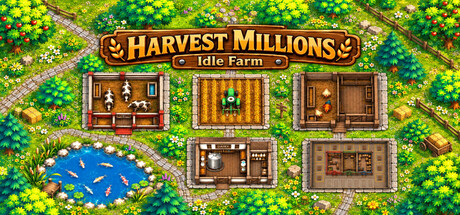 Harvest Millions Idle Farm In-game content art | Some of the artworks, such as textures and illustrative elements, were created or enhanced using AI-based tools. All generated content has been reviewed, edited, and integrated to ensure consistency with the overall visual style and quality of the game.
No AI is used during gameplay. | Blackmonkgaming | - | Sep 30, 2026 | |
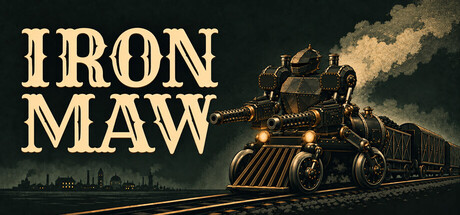 Iron Maw general | The in game content is generated by ai. | KRUMB Games | - | Sep 30, 2026 | |
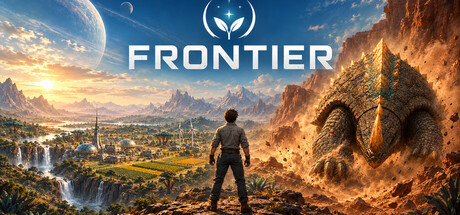 Frontier In-game content artaudiotextcode | Frontier was conceived, designed, directed, and extensively play tested by a solo developer. Generative AI was used as the primary production tool to implement that vision, including programming, artwork, audio, writing, and other game assets. Every aspect of the game was developed through an iterative human-directed process, with the developer specifying requirements, reviewing results, requesting revisions, making design decisions, integrating systems, and personally testing and approving the final content. No generative AI is used during gameplay. | Gunthrek | - | Sep 30, 2026 | |
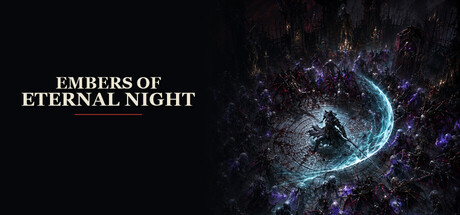 永夜余烬 In-game content art | Some pre-generated 2D artwork, visual effects, icons, maps, promotional images, and achievement artwork were created or refined with generative AI during development. All AI-generated output was reviewed, edited, and integrated by the development team. The game does not use generative AI at runtime and does not generate player-facing text, images, audio, music, code, or other content while you play. | 隔壁老王 | - | Sep 30, 2026 | |
 Driver Survivor Store/marketing artcode | AI was used in the production of code, art, and marketing materials for this game | Obsolete Robot | - | Sep 30, 2026 | |
 Fair21: Blackjack Store/marketing art | Generative AI was used for some artwork, including store capsule images and Steam library artwork. | Maple Ridge Haven | - | Sep 30, 2026 | |
 诗词防线 In-game content art | This game uses pre-generated AI-assisted visual content. Generative AI tools were used during development to help create and refine some 2D artwork and Steam store materials, including Chinese ink-style backgrounds, capsule images, UI/marketing artwork, icons, and related visual elements. All AI-assisted assets were reviewed and edited by the developer before being included. The game does not use live generative AI during gameplay, and no player input is sent to an AI service to generate content. | shinejiang | - | Sep 30, 2026 | |
 Little Bear`s Honey Shop general | Art Resource | Blueberry Studio | - | Sep 30, 2026 | |
 Odyssey Wars In-game content audiotext | The campaign's spoken dialogue is AI-generated speech. Over 650 lines were produced with ElevenLabs under a paid plan that licenses commercial use of the output. I wrote every line of that dialogue myself - the writing is mine, the performance is synthetic. I would prefer human voice actors and intend to replace these recordings when the project can afford it.
No AI-generated art ships in the game. Every ship, station and environment mesh is either licensed art or made by me. A set of AI-generated 3D models was removed from the project in July 2026.
The combat and zone music tracks are AI-generated songs I made with Suno on a paid plan that grants commercial-use rights to the output. The remaining music and all sound effects are licensed audio packs and my own work. | Doidge Interactive | - | Sep 30, 2026 | |
 The Airline Century In-game content artaudio | Some pre-generated artwork used in the game and on its Steam store page, including title, introduction, event illustration, and capsule artwork, was created using OpenAI image generation tools. One music track was generated using Google Gemini from a developer-written prompt. All generated assets were reviewed and selected by the developer before release. The game does not generate AI content during gameplay or connect to external AI services. | Navline Works | - | Sep 30, 2026 | |
 Creators of War Dev only code | I only use AI to aid in coding. I am a solo dev and i built all music and all artwork. | Journeyman Games | - | Sep 30, 2026 | |
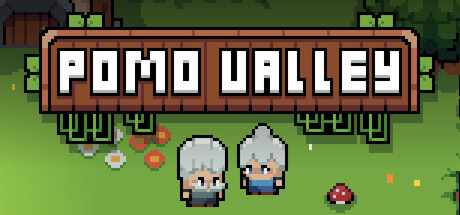 Pomo Valley In-game content artaudio | AI assistance was used. All in-game art, music, and sound were made by people. | Four Games | - | Sep 30, 2026 | |
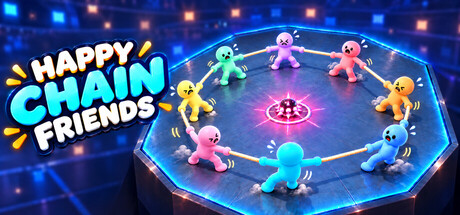 Happy Chain Friends In-game content artaudiotext | This game uses generative AI to assist in creating visual and audio assets, and in translating and localizing in-game text into multiple languages. | TheGameIsDifficult Studio | - | Sep 30, 2026 | |
 Deep Ocean 4X - Conquest of the Abyss In-game content arttext | AI was used during development for certain 2D art assets, translation scaffolding, and development assistance. | Forever Years | - | Sep 30, 2026 | |
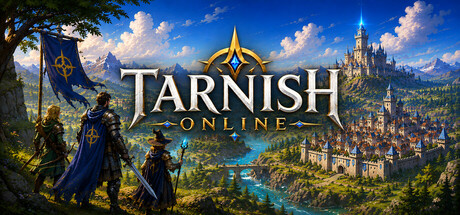 Tarnish Online Store/marketing art | Library Capsule
Library Header
Library Hero
Library Logo
Store Capsule
Store Header can contain AI generated images. | Temel KIRCI | - | Sep 30, 2026 | |
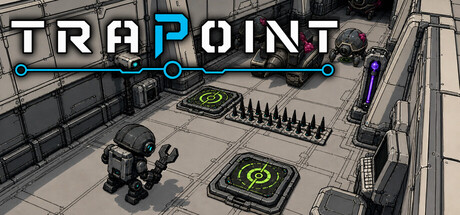 Trapoint In-game content artaudiotext | Trapoint is made by a single developer. 3D models, 2D art, sound, music, UI text, and the English localization were generated with AI tools from the developer's own prompts and then edited and integrated by hand; game design, systems, and level data are the developer's own work. | Taruby | - | Sep 30, 2026 | |
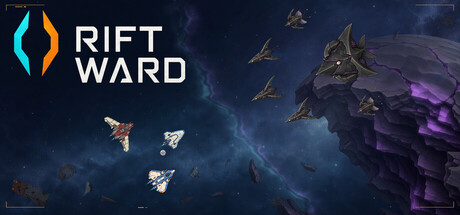 Rift Ward In-game content artaudio | The music and much of the artwork in Rift Ward were created with generative AI tools, then chosen and edited. | Shamak | - | Sep 30, 2026 | |
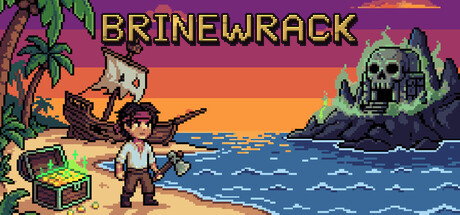 Brinewrack In-game content arttext | Pre-generated content: the pixel art (characters, animations, tiles, props, UI frames) and the store capsule art were made with the help of an AI pixel-art tool, then selected, edited and assembled by the developer. Store page texts and their translations were drafted with AI assistance and reviewed by the developer. The game does not generate any content with AI while you play. Music, sound effects and fonts are licensed assets made by people. | Ninebark | - | Sep 30, 2026 | |
 rogOut In-game content arttext | Portraits of characters and creatures are generated using Stable Diffusion. They appear in-game and in store page materials. I plan to replace all generated portraits with hand-drawn art.
Some in-game labels and text descriptions are placeholders generated by an LLM. I am gradually rewriting them by hand. | Stasoun | - | Sep 30, 2026 | |
 Ember Gold Valkyrie In-game content text | Translation was supported by AI tools. | cretia studio | - | Sep 30, 2026 | |
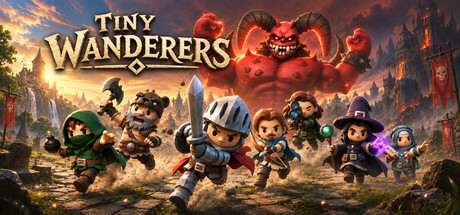 小小行者 In-game content artaudiotextcode | This game was made with the help of generative AI tools. The in-game relic, element, rune and skill icons are AI-generated. The tutorial illustrations were AI-generated and then edited by hand. Some sound effects, and the localization of the interface text into the game's supported languages, were produced with AI assistance. Some of the source code was also written with AI tools. All of it was reviewed and adjusted by a human before release. Nothing is generated while you play, and the game never connects to any external AI service. | TPAI Entertainment | - | Sep 29, 2026 | |
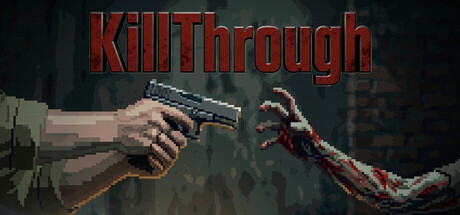 Kill Through In-game content art | Some images shipped in the game were created with generative AI during development and then selected and reviewed by the developer. No other shipped content was generated by AI. | Holy Terra team | - | Sep 29, 2026 | |
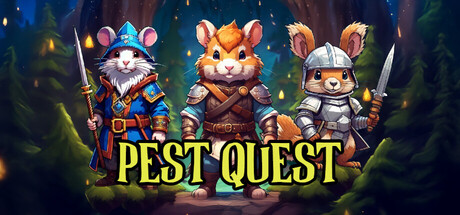 Pest Quest Store/marketing art | As a solo developer with a big dream and limited resources, I want to be entirely upfront how this game was built. The vast majority of this game is completely human-made: I crafted the pixel characters, animations, code, and story over the past 10 years. I also utilized incredible royalty-free and purchased assets from human creators like gyvr, Eunity, RafaelMatos, penusbmic, Winlu, Geoff Harvey.
The use of generative AI was for touching up and refining the marketing capsule images using Adobe Photoshop tools. | AzamaruStudio | - | Sep 29, 2026 | |
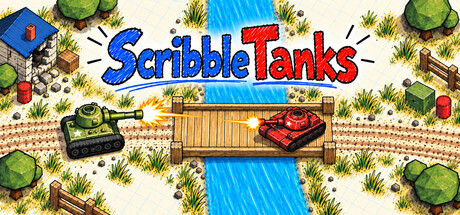 Scribble Tanks Dev only text | AI elements were used for the text. No AI-generated content is created during gameplay. | Alexander Komissarov | - | Sep 28, 2026 | |
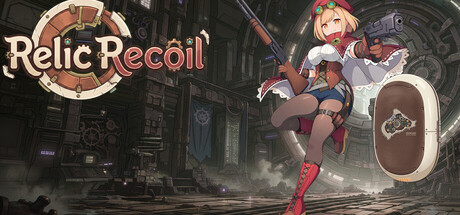 Relic Recoil In-game content artaudiotext | Generative AI was used during development to create visual assets, including illustrations and backgrounds, produce background music, and translate in-game text. Images created using generative AI are also used on the Steam store page and in promotional materials. No content is generated using AI during gameplay. | ATonanWing | - | Sep 28, 2026 | |
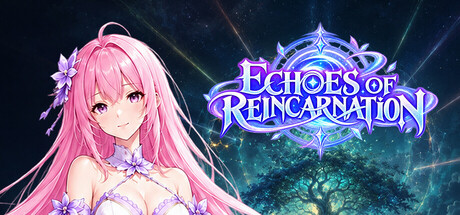 ECHOES OF REINCARNATION In-game content art | During the development of this game, we utilized AI technologies to assist with certain visual and video production processes. Specifically:
Visuals & Artwork: Some game assets and promotional images were initially generated using AI tools and have been extensively edited, refined, and integrated by our human development team.
Promotional Videos: Certain camera movements and dynamic visual effects in our trailers were created by applying AI animation tools to static artwork prepared by our artists.
We maintain rigorous quality control over all final assets to ensure the best possible experience for our players. | Nanjing Sigma Network Technology | - | Sep 28, 2026 | |
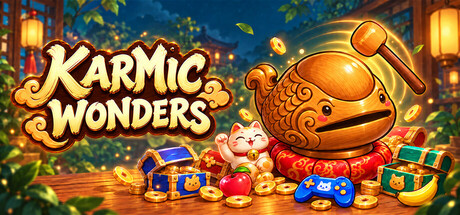 Karmic Wonders In-game content arttext | Generative AI was used during development to create or assist with some in-game artwork, promotional images, written content, and localization. The game does not use generative AI to generate content during gameplay. | WU QIU DONG | - | Sep 28, 2026 | |
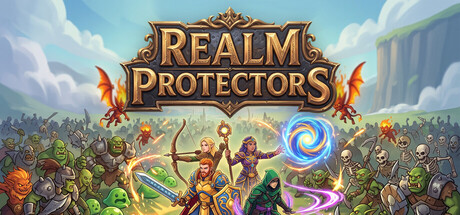 Realm Protectors In-game content artaudiotext | Some of the game's content was created with the help of generative AI tools and then edited, cleaned up, rigged, animated and integrated by the developer. This includes 3D models of characters and enemies, 2D art such as ability icons, UI elements and some store page artwork, sound effects, and parts of the store page text. All gameplay, design, balance and final assembly were done by the developer. | slimevault | - | Sep 28, 2026 | |
 Void and Fighter In-game content codetext | some code and text translation used AI | Never Knows Game | - | Sep 28, 2026 | |
 Spaceport Architect Dev only code | All art, audio, and writing are human-made. AI-assisted tools were used during programming (I've been programming since 2008, I know what I'm doing). | Djentsoft | - | Sep 28, 2026 | |
 Rampartloom: PvP Tower Defense In-game content artaudio | Generative AI tools were used during development to create or assist with pre-made visual artwork, interface artwork and icons, procedural 3D modeling scripts, prerecorded faction voice lines, sound effects, and music. This includes voice lines and sound effects generated with ElevenLabs. These assets are prepared and integrated into the game before release. The game does not generate AI content during play or connect to an AI generation service. Computer-controlled opponents use scripted game logic. | Mumin Bayar | - | Sep 28, 2026 | |
 Metromino In-game content art | Generative AI was used during development to create and refine some 2D visual assets, such as building artwork, icons, and promotional graphics. All AI-generated content was reviewed, edited, and integrated by the developer. The game does not generate AI content during gameplay. | codebooster | - | Sep 27, 2026 | |
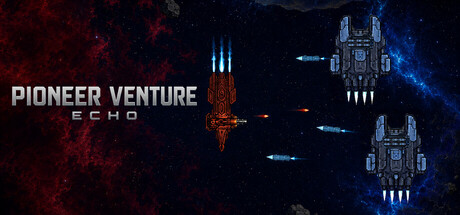 Pioneer Venture: Echo In-game content artaudiotext | Generative AI assisted in creating some in-game art and visual-effect assets, Steam store promotional images, background music, and some localized text. The developer reviewed and selected these materials, editing them where needed before including them in the game or store page. The game does not use generative AI to create content at runtime. | destinyhworld | - | Sep 27, 2026 | |
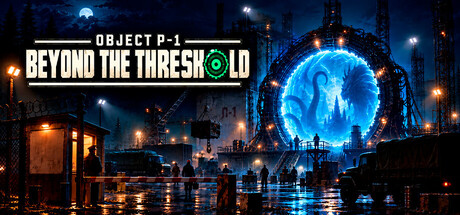 Object P-1: Beyond the Threshold — Idle Store/marketing artaudiocode | Generative AI tools were used to assist with some promotional/store artwork, minor code edits, and the improvement and iteration of some music. AI-generated content is not created dynamically during gameplay. | Ural Birds | - | Sep 27, 2026 | |
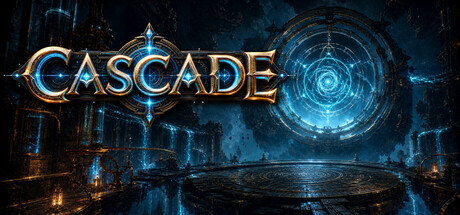 Cascade In-game content artaudiotext | Some content in this game was made with the help of generative AI tools and then reviewed and edited by the developer: parts of the 2D artwork (backgrounds, characters, icons), some sound effects, the trailer narration voice, and first drafts of the translated text. No content is generated by AI during gameplay. | 14Dimension Enterprise | - | Sep 27, 2026 | |
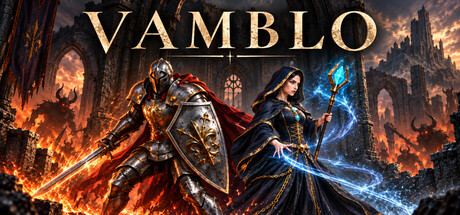 Vamblo In-game content artaudiotext | Pre-generated AI content includes equipment illustrations, skill icons, clothing surface textures, short English character-selection voice lines, and Steam capsule and library artwork. AI tools also assisted with store-page text and translations. The game does not generate AI content or connect to AI services during gameplay. | firearlydev | - | Sep 27, 2026 | |
 HEXPANSE In-game content artaudiotext | Hexpanse is a solo developer's experiment in building a game 100% with AI, and it is developed with AI assistance (including its source code). The game itself is built almost entirely from procedural, code-generated pixel art and synthesized audio — produced algorithmically by our own code, not by AI. Generative AI was used in two limited, pre-rendered ways: (1) as a starting point for some ship and station part illustrations, later cleaned up, processed and integrated by hand; and (2) to produce the neural text-to-speech voice-over of the intro cinematic. In Early Access, the community feedback I find relevant feeds the AI-assisted development. No generative AI runs while you play — nothing is generated live in-game. | Seedforge Studio | - | Sep 27, 2026 | |
 Wrecked District In-game content art | Generative AI tools were used to create some pre-generated static artwork displayed as mission images in the campaign menu. All gameplay visuals, screenshots, and gameplay footage are rendered directly from the game. No AI-generated content is created during gameplay | Sergei Dovidenko | - | Sep 27, 2026 | |
 Distributed Shield In-game content arttext | Generative AI assisted with promotional/key artwork, icons, interface content, and portions of written catalogue and store-page text during development. These assets and text were selected and edited during development. The game does not generate AI content during gameplay and does not connect to an AI service. Generated artwork is illustrative and is not presented as documentary imagery. | Future Sync Technologies | - | Sep 27, 2026 | |
 Stellarite Miner In-game content text | The game's original languages are Portuguese and English. Generative AI was used exclusively to translate and localize the text into the other supported languages, making the game accessible to more players worldwide at launch. All code, game design, artwork, audio, and original Portuguese and English text were created by humans. | Rising Moon Games | - | Sep 27, 2026 | |
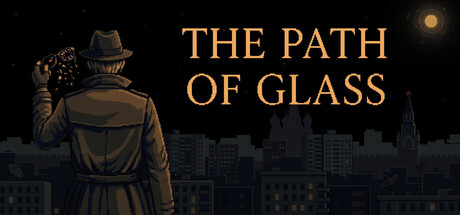 The Path of Glass In-game content art | The use of AI is limited to select visual assets, which were manually reviewed, repainted, and integrated to fit the art direction. The project features original artwork hand-drawn by my artistic partner alongside an original acoustic piano score, entirely composed and performed by me.
This is an independent, completely free passion project with zero monetization, made out of a genuine love for game development. Thank you for playing. | Biesro | - | Sep 27, 2026 | |
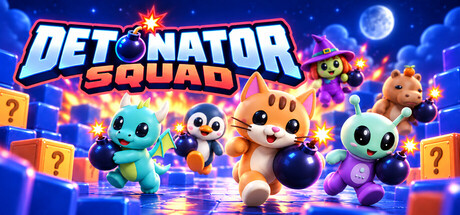 Detonator Squad In-game content arttextcodeaudio | Detonator Squad was developed almost entirely using AI tools, under extensive human direction, ongoing refinement and review. The game is built on my own custom 3D engine that I have been working on for a while, using AI coding tools. AI was also used to create interface and promotional artwork and to author or assist with code, 3D assets, level layouts, game text, music and sound effects. The original core game logic was handwritten for an earlier project, then ported and adapted using AI. All content is supplied with the game; no content is generated by an AI service during gameplay. | Stephen Pryde | - | Sep 27, 2026 | |
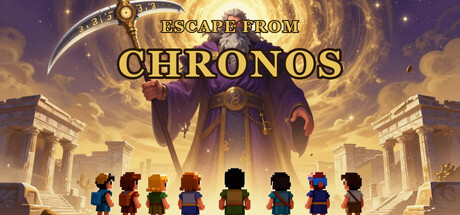 Escape From Chronos In-game content artcode | Character, enemy and environment art were generated with AI tools, then curated, edited and integrated by the developer. Music and sound are procedurally composed in-engine (not AI-generated). Code was written by the developer with AI assistance. The game contains no live/runtime AI generation. | Drifting Minds Studio | - | Sep 27, 2026 | |
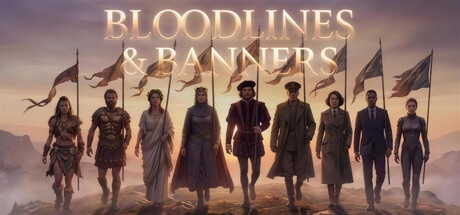 Bloodlines & Banners In-game content artaudiotext | Bloodlines & Banners is designed, architected, and coded by one person. Generative AI is used as a production tool for volume, with portraits, illustration, music, cinematics, voice, and a share of the in-game prose, at a scale a solo developer could not otherwise afford or commission. It is not used to make creative decisions. The art direction is a single locked style anchor authored by hand and enforced across every asset. The game design, the systems architecture, the historical research, the balance, and every line of the server and client are human work. In-game text is a mixed case, and we set that out plainly rather than round it up to “human-written”. We are stating this up front, unprompted, because we would rather a partner evaluate the game knowing exactly what it is than discover it later. | Synprax Labs | - | Sep 27, 2026 | |
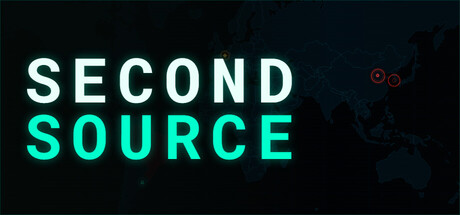 Second Source In-game content audiotext | The soundtrack was produced with generative AI music tools and then edited, cut and mixed by the developer. Part of the game's text and this store page was written with AI assistance and reviewed line by line by the developer. Everything else - code, interface art, achievement icons, the map and every capsule and screenshot - is hand-made. No content is generated by AI while you play. | Pablo Marcelo Riestra | - | Sep 27, 2026 | |
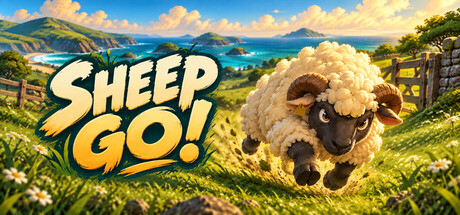 Sheep Go! Unclear | Generative AI tools were used to assist in the development of this game. | Rush Bunnies Games | - | Sep 27, 2026 | |
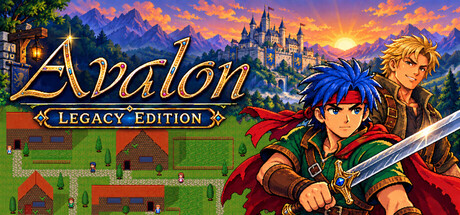 Avalon: Legacy Edition In-game content artaudiotext | The original 1998 version of Avalon was created entirely by hand, including its graphics, music, story, gameplay, game engine and even its custom music software. Avalon: Legacy Edition retains many of these original assets. Generative AI was used to create or refine much of the updated visual, audio and written content. No content is generated live during gameplay. | Seven Mages | - | Sep 27, 2026 | |
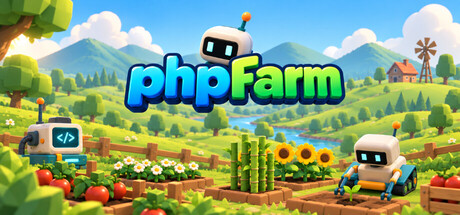 phpFarm In-game content art | Generativer Inhalt: Bild, Props | Rhou | - | Sep 27, 2026 | |
 Puzzle Simulator In-game content audio | Music was produced with generative AI tools. | Bubble Games | - | Sep 27, 2026 |


