Public Steam disclosure research25,695 disclosures tracked
Where do games disclose AI use?
Search developers’ Steam disclosures, compare classified AI use across
games, and follow recorded changes.
This index adds cross-game classifications and statistics to
statements published on individual store pages.
Groups reflect automatic analysis of public disclosures; mature records are excluded. These counts do not measure AI use across all of Steam.
Missing or unclear statements cannot establish whether a game uses AI.
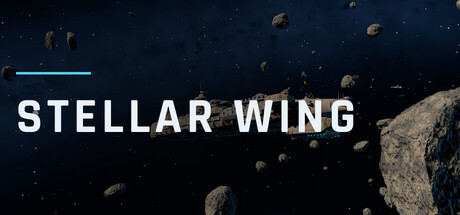
This game includes assets that were created ahead of time with AI tools:
- 27 character 3D models (24 pilots, 3 national commanders) - multi-view images made with AI image generation, then turned into meshes with an image-to-3D tool
- 27 character portraits rendered from those 3D models
- 2D artwork for the nations, such as the emblems - AI image generation
- part of the HUD and UI texture set - AI image generation
- the cutaway diagrams on the briefing screen - AI image generation
Every generated asset was reviewed, selected and adjusted by the developer before being included.
No content is generated by AI while the game is running. The 3D models of the fighters, carriers, turrets, machine leviathans and asteroids are procedurally generated by program, and the stages, effects and all game logic were produced by scripts and by hand.
Generative AI tools were utilized to generate initial texture concepts. All final in-game assets were extensively modified, hand-edited, and integrated manually.
Some of the game's visual assets (character art, animation frames, and store/marketing images) were created with the assistance of generative AI tools. Every AI-assisted asset is reviewed, curated, and edited by a human before inclusion. The game does not use AI to generate any content at runtime — everything players see ships as pre-made, human-reviewed assets.
Generative AI tools were used in the creation of certain visual art assets. All generated content was reviewed and edited by our development team before being included in the final game.
Generative AI was used to assist in creating some pre-rendered artwork, including environment backgrounds, menu and branding art, icons, and promotional/title-card images. These assets were reviewed and integrated by the developer. No content is generated during gameplay, and the game does not connect to external AI services.
Some art, the 3D models, the music beds, the sound effects and all character voice lines were produced with generative AI tools during development, then hand-reviewed, edited and shipped as fixed assets. Nothing is generated while you play: the game ships every asset on disc, runs no model, and makes no network call.
Some visual and audio assets in this game were created with the assistance of generative AI tools
and then reviewed, edited, and curated by the developer. The game does not use live generative AI
during gameplay and does not generate content from player input.
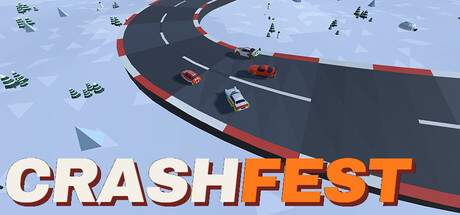
CrashFest is a one-person game, built in Unity between coffee and complaints from playtesters. It started as a physics experiment about shoving a low-poly car off a ledge and got out of hand once six controllers were plugged in.
I’m a software engineer, not an artist. So a good chunk of CrashFest was made together with Claude AI — art direction, shaders, menus, the visual bits I’d never have drawn on my own — and the soundtrack comes out of Suno. The code, the physics and every questionable design decision are mine.
AI was used only as a tool to speed things up.
Voice acting was done by professionals (including me).
SFX and most VFX are assets created by artists (some placeholder AI art is included to be replaced in time) and the music tracks were composed by me and rendered with an AI assisted DAW process.
All creative ideas, all mods and QoL features of this unique puzzle game were designed and built by a human mind.
This game uses Eleven Labs to generate certain sound effects. All other content — including art, models, music, writing, and gameplay — is entirely hand‑made and does not use AI.
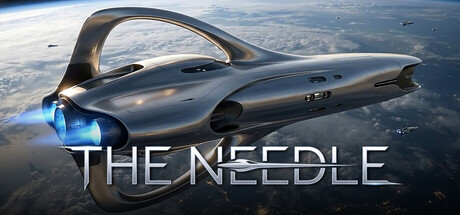
Save Point has been in continuous development since 2021 and is, to our knowledge, the world’s first purpose-built AI-native interactive cinematic engine. The Needle uses this technology to deliver a continuously responsive cinematic experience that goes far beyond conventional branching video. AI-assisted production tools helped create portions of the game’s pre-rendered audiovisual content, with every shipped asset human-directed, reviewed, edited, and integrated. The game also offers locally processed voice controls, alongside keyboard and gamepad support. No unreviewed audiovisual content is generated and delivered to players during gameplay. The project represents tens of thousands of hours of human design, engineering, direction, editing, and testing, with AI serving as the enabling technology behind an experience an independent studio could not otherwise produce at any cost, much less a reasonable one. We didn't use AI to save money, we used it because without AI there wasn't enough money in the world to build a game like this.
During development, generative AI tools were used to assist in creating fixed, pre-generated visual content, including brand illustrations, logo variants, Steam store graphics, UI decorative assets and icons, and seamless PBR material textures. All AI-assisted content was created before release and reviewed by the developer. The game does not generate AI content at runtime, does not accept player prompts for AI generation, and does not send player data to an AI service.
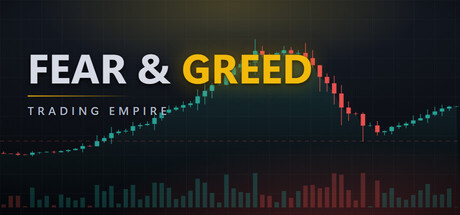
Some of the text content in this game was produced with the help of generative AI tools, then reviewed and edited by the developer:
- Localization into Ukrainian, Russian, Korean and Simplified Chinese
- Drafting of in-game news headline templates and procedural coin names
All of this content is generated ahead of time and ships as fixed text. The game uses no AI at runtime: it is fully offline, makes no network requests, and generates nothing while you play.
All game systems, market simulation and balance design are the developer's own work.
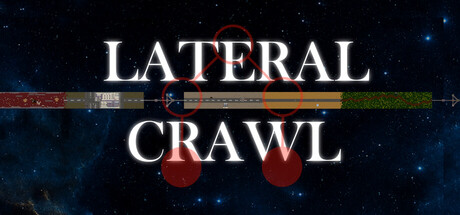
Lateral Crawl will launch in Early Access. The Early Access build will contain some AI-generated and developer-edited sound effects, which are planned to be replaced before the 1.0 release.
Generative AI tools were used in creating the game's illustrations, artwork, cutscene images, map designs, and sound, as well as throughout development, and in writing and revising the story. All AI-assisted content was directed, reviewed, and finalized by our team.
During development, this game used generative AI to assist in creating certain visual assets and text content. All final content has been reviewed, edited, and approved by the developer; the game does not include any functionality that dynamically generates content with AI during gameplay.
Generative AI tools were used during development of this game.
2D art, including character illustrations and in-game documents and photographs, was created with image generation tools, then edited and composed by hand.
Some 3D props and environment models were created with a model generation service, then adjusted for the game.
Background music was created with a music generation service. Sound effects are not generated; they are openly licensed recordings that we processed ourselves.
AI coding tools assisted with writing and reviewing code. All final decisions and edits are made by the developer.
Every generated asset was selected and reworked by a person before it went into the game.
Generative AI tools are used to assist with porting the game text into additional languages. All AI-assisted translations are reviewed and edited by the developer before release. No generative AI is used during gameplay.
We used Kimi 3 to generate the code, vector game assets, skeletal animations and code-synthesized sound effects for this game. Music was generated via Suno, while the game design documents, gameplay mechanics and numerical balancing are strictly controlled by human designers.
Generative AI tools were used during development to assist in creating and refining certain visual assets. All AI-assisted content was reviewed and edited by the developer before inclusion in the final product.
This game uses generative AI in parts of its development.
Generative AI is used to help generate the game's program code. However, all final testing, adjustment, and verification of the generated code are carried out by human developers.
Generative AI is also used to create the game's background music (BGM).
We used AI to assist in creating portions of the game text, and leveraged AI tools to translate in-game content into English. All AI-generated content has been manually reviewed and vetted before being finalized for inclusion in the game.
Our team uses generative AI tools to assist with parts of the game's artwork, including some in-game art and store page images, and with first-pass translation of in-game text. All AI-assisted art and translations are reviewed, edited, and finalized by our team. Music and sound effects do not use AI. We hold the necessary rights to all content shipped in this game. No content is generated by AI at runtime.
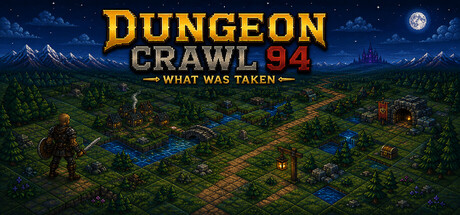
Generative AI tools were used during the development of Dungeon Crawl 94: What Was Taken to assist in creating portions of the game's artwork, music, and other pre-generated creative content. Generative AI was also used to create some promotional artwork displayed on the Steam store page and in the Steam Library. All AI-generated content is pre-generated and incorporated during development; the game does not use live generative AI during gameplay.
Blind Spot's writing, art, audio, and design were created without generative AI.
AI was used in one area: localization. Every language was handled identically. All in-game dialogue was translated entirely by human translators, with no AI involvement at any stage. The interface text, some menu text, options, and other short UI strings were given an AI first pass, which the same human translators then reviewed and corrected language by language before it shipped.
No AI-generated art, audio, or gameplay content appears in the game.
Generative AI was used during development to assist with some pre-generated visual assets, including selected 3D models, textures, and animations. All such content is reviewed and edited by the development team. No generative AI runs during gameplay, and no player input is sent to an AI service.
Some of the game's visual assets (background artwork, orb and planet textures, UI elements) as well as the store page capsules and marketing images were created with the help of AI image-generation tools. The background music was created using AI music tools. All AI-assisted content was reviewed, edited and curated by the developer, who holds the rights to use it.
The developer describes how their game uses Generative AI in the development process:
- Pre-generated Content: Generative AI tools were used during development to assist in creating concept art, text drafts, and localization text. All AI-assisted assets were subsequently reviewed, edited, and refined by the developer.
- The game does not contain any live-generated AI content during gameplay.
Rally Point's visuals and store art are drawn by code from the game's own geometry. No image, audio, or voice generation model was used. That code was written with AI assistance, as were the non-English translations.
The game uses generative artificial intelligence on informative text messages and coding assistance. The game rules and campaign maps are crafted by a human,.
Some of the game's content was created with the assistance of generative AI tools and was then reviewed, edited and curated by the developer. This includes portions of the art assets, some audio content, and the translation of interface and subtitle text into languages other than Turkish and English. No content is generated by AI at runtime.
- Audio: background music is generated with AI music tools.
- Translation: in-game and store text is translated using AI.
- Code: the game's code, including the code that draws every visual at runtime,
was written with the help of an AI coding assistant.
Generative AI tools were used during development to assist with creating some visual assets. These assets were manually reviewed, edited, and finalized before being included in the game. AI tools were also used as a programming assistant during development. The game does not use generative AI during gameplay.
Some pre-generated 2D artwork used in the game and in Steam store and marketing materials was created with the assistance of generative AI tools. All AI-assisted assets were selected, reviewed, edited, and integrated by the development team before inclusion. No content is generated by AI during gameplay, and the game does not connect to live generative AI services.
Generative AI tools were used to assist in creating some game assets, including visual and audio content. All AI-assisted content was reviewed and refined by the development team before being included in the game.
This game uses generative artificial intelligence in the production of some visual assets (environment textures/materials and promotional artwork), with human review and curation. No AI content is generated in real time during gameplay — the story, gameplay, and in-game experience are created and controlled by the team.
This game includes assets that were created ahead of time with AI tools:
- 27 character 3D models (24 pilots, 3 national commanders) - multi-view images made with AI image generation, then turned into meshes with an image-to-3D tool
- 27 character portraits rendered from those 3D models
- 2D artwork for the nations, such as the emblems - AI image generation
- part of the HUD and UI texture set - AI image generation
- the cutaway diagrams on the briefing screen - AI image generation
Every generated asset was reviewed, selected and adjusted by the developer before being included.
No content is generated by AI while the game is running. The 3D models of the fighters, carriers, turrets, machine leviathans and asteroids are procedurally generated by program, and the stages, effects and all game logic were produced by scripts and by hand.
Generative AI tools were utilized to generate initial texture concepts. All final in-game assets were extensively modified, hand-edited, and integrated manually.
Some of the game's visual assets (character art, animation frames, and store/marketing images) were created with the assistance of generative AI tools. Every AI-assisted asset is reviewed, curated, and edited by a human before inclusion. The game does not use AI to generate any content at runtime — everything players see ships as pre-made, human-reviewed assets.
Generative AI tools were used in the creation of certain visual art assets. All generated content was reviewed and edited by our development team before being included in the final game.
Generative AI was used to assist in creating some pre-rendered artwork, including environment backgrounds, menu and branding art, icons, and promotional/title-card images. These assets were reviewed and integrated by the developer. No content is generated during gameplay, and the game does not connect to external AI services.
Some art, the 3D models, the music beds, the sound effects and all character voice lines were produced with generative AI tools during development, then hand-reviewed, edited and shipped as fixed assets. Nothing is generated while you play: the game ships every asset on disc, runs no model, and makes no network call.
Some visual and audio assets in this game were created with the assistance of generative AI tools
and then reviewed, edited, and curated by the developer. The game does not use live generative AI
during gameplay and does not generate content from player input.
CrashFest is a one-person game, built in Unity between coffee and complaints from playtesters. It started as a physics experiment about shoving a low-poly car off a ledge and got out of hand once six controllers were plugged in.
I’m a software engineer, not an artist. So a good chunk of CrashFest was made together with Claude AI — art direction, shaders, menus, the visual bits I’d never have drawn on my own — and the soundtrack comes out of Suno. The code, the physics and every questionable design decision are mine.
AI was used only as a tool to speed things up.
Voice acting was done by professionals (including me).
SFX and most VFX are assets created by artists (some placeholder AI art is included to be replaced in time) and the music tracks were composed by me and rendered with an AI assisted DAW process.
All creative ideas, all mods and QoL features of this unique puzzle game were designed and built by a human mind.
This game uses Eleven Labs to generate certain sound effects. All other content — including art, models, music, writing, and gameplay — is entirely hand‑made and does not use AI.
Save Point has been in continuous development since 2021 and is, to our knowledge, the world’s first purpose-built AI-native interactive cinematic engine. The Needle uses this technology to deliver a continuously responsive cinematic experience that goes far beyond conventional branching video. AI-assisted production tools helped create portions of the game’s pre-rendered audiovisual content, with every shipped asset human-directed, reviewed, edited, and integrated. The game also offers locally processed voice controls, alongside keyboard and gamepad support. No unreviewed audiovisual content is generated and delivered to players during gameplay. The project represents tens of thousands of hours of human design, engineering, direction, editing, and testing, with AI serving as the enabling technology behind an experience an independent studio could not otherwise produce at any cost, much less a reasonable one. We didn't use AI to save money, we used it because without AI there wasn't enough money in the world to build a game like this.
During development, generative AI tools were used to assist in creating fixed, pre-generated visual content, including brand illustrations, logo variants, Steam store graphics, UI decorative assets and icons, and seamless PBR material textures. All AI-assisted content was created before release and reviewed by the developer. The game does not generate AI content at runtime, does not accept player prompts for AI generation, and does not send player data to an AI service.
Some of the text content in this game was produced with the help of generative AI tools, then reviewed and edited by the developer:
- Localization into Ukrainian, Russian, Korean and Simplified Chinese
- Drafting of in-game news headline templates and procedural coin names
All of this content is generated ahead of time and ships as fixed text. The game uses no AI at runtime: it is fully offline, makes no network requests, and generates nothing while you play.
All game systems, market simulation and balance design are the developer's own work.
Lateral Crawl will launch in Early Access. The Early Access build will contain some AI-generated and developer-edited sound effects, which are planned to be replaced before the 1.0 release.
Generative AI tools were used in creating the game's illustrations, artwork, cutscene images, map designs, and sound, as well as throughout development, and in writing and revising the story. All AI-assisted content was directed, reviewed, and finalized by our team.
During development, this game used generative AI to assist in creating certain visual assets and text content. All final content has been reviewed, edited, and approved by the developer; the game does not include any functionality that dynamically generates content with AI during gameplay.
Generative AI tools were used during development of this game.
2D art, including character illustrations and in-game documents and photographs, was created with image generation tools, then edited and composed by hand.
Some 3D props and environment models were created with a model generation service, then adjusted for the game.
Background music was created with a music generation service. Sound effects are not generated; they are openly licensed recordings that we processed ourselves.
AI coding tools assisted with writing and reviewing code. All final decisions and edits are made by the developer.
Every generated asset was selected and reworked by a person before it went into the game.
Generative AI tools are used to assist with porting the game text into additional languages. All AI-assisted translations are reviewed and edited by the developer before release. No generative AI is used during gameplay.
We used Kimi 3 to generate the code, vector game assets, skeletal animations and code-synthesized sound effects for this game. Music was generated via Suno, while the game design documents, gameplay mechanics and numerical balancing are strictly controlled by human designers.
Generative AI tools were used during development to assist in creating and refining certain visual assets. All AI-assisted content was reviewed and edited by the developer before inclusion in the final product.
This game uses generative AI in parts of its development.
Generative AI is used to help generate the game's program code. However, all final testing, adjustment, and verification of the generated code are carried out by human developers.
Generative AI is also used to create the game's background music (BGM).
We used AI to assist in creating portions of the game text, and leveraged AI tools to translate in-game content into English. All AI-generated content has been manually reviewed and vetted before being finalized for inclusion in the game.
Our team uses generative AI tools to assist with parts of the game's artwork, including some in-game art and store page images, and with first-pass translation of in-game text. All AI-assisted art and translations are reviewed, edited, and finalized by our team. Music and sound effects do not use AI. We hold the necessary rights to all content shipped in this game. No content is generated by AI at runtime.
Generative AI tools were used during the development of Dungeon Crawl 94: What Was Taken to assist in creating portions of the game's artwork, music, and other pre-generated creative content. Generative AI was also used to create some promotional artwork displayed on the Steam store page and in the Steam Library. All AI-generated content is pre-generated and incorporated during development; the game does not use live generative AI during gameplay.
Blind Spot's writing, art, audio, and design were created without generative AI.
AI was used in one area: localization. Every language was handled identically. All in-game dialogue was translated entirely by human translators, with no AI involvement at any stage. The interface text, some menu text, options, and other short UI strings were given an AI first pass, which the same human translators then reviewed and corrected language by language before it shipped.
No AI-generated art, audio, or gameplay content appears in the game.
Generative AI was used during development to assist with some pre-generated visual assets, including selected 3D models, textures, and animations. All such content is reviewed and edited by the development team. No generative AI runs during gameplay, and no player input is sent to an AI service.
Some of the game's visual assets (background artwork, orb and planet textures, UI elements) as well as the store page capsules and marketing images were created with the help of AI image-generation tools. The background music was created using AI music tools. All AI-assisted content was reviewed, edited and curated by the developer, who holds the rights to use it.
The developer describes how their game uses Generative AI in the development process:
- Pre-generated Content: Generative AI tools were used during development to assist in creating concept art, text drafts, and localization text. All AI-assisted assets were subsequently reviewed, edited, and refined by the developer.
- The game does not contain any live-generated AI content during gameplay.
Rally Point's visuals and store art are drawn by code from the game's own geometry. No image, audio, or voice generation model was used. That code was written with AI assistance, as were the non-English translations.
The game uses generative artificial intelligence on informative text messages and coding assistance. The game rules and campaign maps are crafted by a human,.
Some of the game's content was created with the assistance of generative AI tools and was then reviewed, edited and curated by the developer. This includes portions of the art assets, some audio content, and the translation of interface and subtitle text into languages other than Turkish and English. No content is generated by AI at runtime.
- Audio: background music is generated with AI music tools.
- Translation: in-game and store text is translated using AI.
- Code: the game's code, including the code that draws every visual at runtime,
was written with the help of an AI coding assistant.
Generative AI tools were used during development to assist with creating some visual assets. These assets were manually reviewed, edited, and finalized before being included in the game. AI tools were also used as a programming assistant during development. The game does not use generative AI during gameplay.
Some pre-generated 2D artwork used in the game and in Steam store and marketing materials was created with the assistance of generative AI tools. All AI-assisted assets were selected, reviewed, edited, and integrated by the development team before inclusion. No content is generated by AI during gameplay, and the game does not connect to live generative AI services.
Generative AI tools were used to assist in creating some game assets, including visual and audio content. All AI-assisted content was reviewed and refined by the development team before being included in the game.
This game uses generative artificial intelligence in the production of some visual assets (environment textures/materials and promotional artwork), with human review and curation. No AI content is generated in real time during gameplay — the story, gameplay, and in-game experience are created and controlled by the team.