Public Steam disclosure research25,695 disclosures tracked
Where do games disclose AI use?
Search developers’ Steam disclosures, compare classified AI use across
games, and follow recorded changes.
This index adds cross-game classifications and statistics to
statements published on individual store pages.
Groups reflect automatic analysis of public disclosures; mature records are excluded. These counts do not measure AI use across all of Steam.
Missing or unclear statements cannot establish whether a game uses AI.
I started this journey at 18. From January 2025 to April 2026, every line and every drawing of Nuktedan was made purely by my own hand. I never touched AI.
But the reality of indie development is harsh. Financial hardship left me facing a choice: shelve the game, or bring it to you through Early Access. I chose the latter.
This came at a cost: I had to use AI support during coding and for certain specific visuals, like the bird's memory drawings. It didn't sit right with me, but it was the decision that kept the project alive.
My promise to you is clear: after Early Access, or in the full release, every trace of AI on the visual side will be completely removed. Those drawings will be redrawn from scratch, by my own hand.
Even in its current form, Nuktedan represents two years of my life. Thank you for your understanding and patience. We're growing this game together.
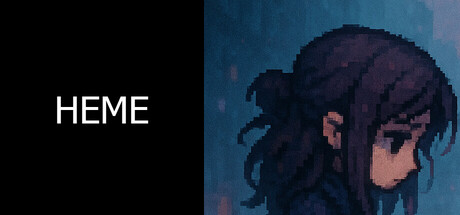
HEME is a solo project created by a developer pursuing a dream without formal training. To bring this vision to life, Generative AI was used as a primary collaborator throughout the development:
Art & Graphics: AI assisted in creating concept art, environmental designs, and refining visual assets to match the game's emotional tone.
Coding & Technical: AI served as a mentor and technical assistant to write, debug, and optimize game logic within the Unity engine.
Narrative & Translation: AI helped in refining the script and ensuring the dramatic elements are effectively communicated in both Thai and English.
Development Support: Beyond technical tasks, AI served as a constant source of guidance and support for the solo developer during this challenging journey.
AI tools were used in a limited capacity to assist in the creation of certain visual assets for store and marketing presentation (such as background elements and minor graphical components). All final content was reviewed, edited, and approved by the development team.
Generative AI was used during development only for early ideation and reference purposes. All final in-game assets, visuals, audio, writing, and gameplay content were created manually and are not AI-generated. The game does not use any live-generated AI content.
In The Hollow, artificial intelligence is used to enhance images, create the basis for certain textures, and ensure more accurate translations. Some of the characters’ faces could not have been created without processing their images using artificial intelligence. Furthermore, some of the generated results served as the basis for further manual refinement of the game assets.
A few select original assets were refined with AI assistance and finished by hand to match the game's atmosphere. No AI content is generated during gameplay.
AI generation tools were used in the creation of certain in-game assets including meshes and UI imagery. Promotional and marketing materials, including Steam capsule images and library assets, were also created using AI image generation tools. All gameplay systems and code were developed without the use of AI generation tools.
No AI was used to write the storyline or visual assets in the game. All of it is my own creative work. However, AI was used to assist in the creation of game artwork used for the store page and for helping craft and improve store descriptions.
The in-game graphics and sound are generated by AI and then modified and adjusted by creators before being used.
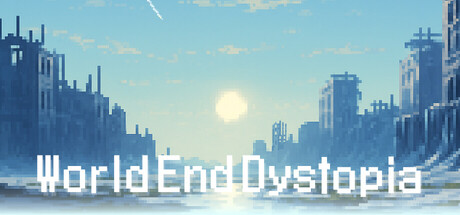
In World End Dystopia, AI technology is used as a supplementary tool in certain parts of the production process. AI supports tasks such as prototyping, comparison, and organization, while the worldbuilding, narrative, game design, and all final expressions and decisions are created entirely by human hands.
Just as the AI “EDEN” depicted in the game exists to support human choice, AI in the real-world development process is likewise limited to an assistive role—supporting human understanding and judgment rather than replacing creativity or decision-making.
This game uses generative AI in a limited capacity. Some in-game images and text were created or assisted by AI during development, but they are not entirely AI-generated. All such content has been manually edited, reviewed, and integrated by the developer to ensure consistency with the overall design and experience.
ADM Team AI Statement:
In this project, AI has only been used as a supporting tool in production. We recognize AI as a powerful production support tool, but we will always honour the final human touch and the essential primacy of real-human creativity in everything that we produce:
(1) Some textures and artwork were AI assisted, but as with our studio policy, it was creatively altered by human hand throughout the production process before final in-game use.
(2) Most of the voice acting is human, but in some cases AI was used due to the specific nature of the characters acted (cyborgs etc.).
In this project, all creative ideas and I.P. are the product of real-human origin. Apart from that, some production processes may have been assisted by AI before human alteration for final use.
-English-
This game uses generative AI(ChatGPT) as a supportive tool during development.
AI assistance was used for portions of coding and debugging, and all code was reviewed and refined by the developer before implementation.
All core systems and content were designed and implemented by the develope
Core gameplay systems, art assets, and main content were created directly by the developer.
All in-game content, including gameplay assets, audio, writing, and text, was created by humans, as credited in the game.
Some Steam store and promotional materials may have been created or refined with the assistance of generative AI / LLM tools, for example for drafting or polishing marketing assets.
Some visual assets in this game are created with the assistance of generative AI during development. This includes portions of the card artwork, some environmental/scenery visuals, and some character illustrations. These AI-assisted assets are curated, edited, and integrated by the developer as part of the game’s art pipeline. No live-generated AI content is used during gameplay.
AI tools were used as part of the development process (mainly for early concepts and promotional materials).
All in-game assets have been created, refined, and implemented by the developer.
No AI-generated content is created in real time during gameplay.
This game includes pre-generated AI-assisted elements created during development, including gameplay code, some in-game and UI text, music, and AI-assisted edits to certain visual assets used in the game and store materials. No live-generated AI content is produced during gameplay, and the game does not connect to external AI services while running.
Generative AI was not used for in-game art, gameplay assets, systems, or core game content.
AI translation tools were used only for some additional text added later during development. Most localization was handled by a professional translation vendor.
The only AI-generated visual assets currently used are the Steam header capsule and library logo illustrations, which were manually retouched. They are not used inside the actual game, and I plan to replace them after release if the game earns enough revenue.
There is AI-generated audio used within the game. All AI-generated content is pre-rendered and static. No AI is used to generate visuals, gameplay content, or content at runtime.
In the development of Mudventure, we utilized generative AI technologies to streamline our workflow and enhance the overall gaming experience as follows:
Coding Assistance: ChatGPT and Gemini were used as auxiliary tools for code optimization and system architecture design. This allowed our team to focus more on building a stable multiplayer environment.
Visual Content: ChatGPT (DALL-E) was used to generate certain static images, such as in-game item icons and textures. All AI-generated assets underwent a manual refinement process to ensure they align perfectly with our game’s unique art style.
Audio and Music: We utilized Suno to create the background music (BGM). We carefully curated and edited tracks generated by AI to best capture the mysterious yet casual atmosphere of our mudflat island.
We use generative AI tools during development to create certain pre-rendered audio assets (sound effects and background music). We ensure that prompts do not reference copyrighted works, artists, or specific intellectual property. We use commercially licensed AI services and comply with their terms of service.
I started this journey at 18. From January 2025 to April 2026, every line and every drawing of Nuktedan was made purely by my own hand. I never touched AI.
But the reality of indie development is harsh. Financial hardship left me facing a choice: shelve the game, or bring it to you through Early Access. I chose the latter.
This came at a cost: I had to use AI support during coding and for certain specific visuals, like the bird's memory drawings. It didn't sit right with me, but it was the decision that kept the project alive.
My promise to you is clear: after Early Access, or in the full release, every trace of AI on the visual side will be completely removed. Those drawings will be redrawn from scratch, by my own hand.
Even in its current form, Nuktedan represents two years of my life. Thank you for your understanding and patience. We're growing this game together.
HEME is a solo project created by a developer pursuing a dream without formal training. To bring this vision to life, Generative AI was used as a primary collaborator throughout the development:
Art & Graphics: AI assisted in creating concept art, environmental designs, and refining visual assets to match the game's emotional tone.
Coding & Technical: AI served as a mentor and technical assistant to write, debug, and optimize game logic within the Unity engine.
Narrative & Translation: AI helped in refining the script and ensuring the dramatic elements are effectively communicated in both Thai and English.
Development Support: Beyond technical tasks, AI served as a constant source of guidance and support for the solo developer during this challenging journey.
AI tools were used in a limited capacity to assist in the creation of certain visual assets for store and marketing presentation (such as background elements and minor graphical components). All final content was reviewed, edited, and approved by the development team.
Generative AI was used during development only for early ideation and reference purposes. All final in-game assets, visuals, audio, writing, and gameplay content were created manually and are not AI-generated. The game does not use any live-generated AI content.
In The Hollow, artificial intelligence is used to enhance images, create the basis for certain textures, and ensure more accurate translations. Some of the characters’ faces could not have been created without processing their images using artificial intelligence. Furthermore, some of the generated results served as the basis for further manual refinement of the game assets.
A few select original assets were refined with AI assistance and finished by hand to match the game's atmosphere. No AI content is generated during gameplay.
AI generation tools were used in the creation of certain in-game assets including meshes and UI imagery. Promotional and marketing materials, including Steam capsule images and library assets, were also created using AI image generation tools. All gameplay systems and code were developed without the use of AI generation tools.
No AI was used to write the storyline or visual assets in the game. All of it is my own creative work. However, AI was used to assist in the creation of game artwork used for the store page and for helping craft and improve store descriptions.
The in-game graphics and sound are generated by AI and then modified and adjusted by creators before being used.
In World End Dystopia, AI technology is used as a supplementary tool in certain parts of the production process. AI supports tasks such as prototyping, comparison, and organization, while the worldbuilding, narrative, game design, and all final expressions and decisions are created entirely by human hands.
Just as the AI “EDEN” depicted in the game exists to support human choice, AI in the real-world development process is likewise limited to an assistive role—supporting human understanding and judgment rather than replacing creativity or decision-making.
This game uses generative AI in a limited capacity. Some in-game images and text were created or assisted by AI during development, but they are not entirely AI-generated. All such content has been manually edited, reviewed, and integrated by the developer to ensure consistency with the overall design and experience.
ADM Team AI Statement:
In this project, AI has only been used as a supporting tool in production. We recognize AI as a powerful production support tool, but we will always honour the final human touch and the essential primacy of real-human creativity in everything that we produce:
(1) Some textures and artwork were AI assisted, but as with our studio policy, it was creatively altered by human hand throughout the production process before final in-game use.
(2) Most of the voice acting is human, but in some cases AI was used due to the specific nature of the characters acted (cyborgs etc.).
In this project, all creative ideas and I.P. are the product of real-human origin. Apart from that, some production processes may have been assisted by AI before human alteration for final use.
-English-
This game uses generative AI(ChatGPT) as a supportive tool during development.
AI assistance was used for portions of coding and debugging, and all code was reviewed and refined by the developer before implementation.
All core systems and content were designed and implemented by the develope
Core gameplay systems, art assets, and main content were created directly by the developer.
All in-game content, including gameplay assets, audio, writing, and text, was created by humans, as credited in the game.
Some Steam store and promotional materials may have been created or refined with the assistance of generative AI / LLM tools, for example for drafting or polishing marketing assets.
Some visual assets in this game are created with the assistance of generative AI during development. This includes portions of the card artwork, some environmental/scenery visuals, and some character illustrations. These AI-assisted assets are curated, edited, and integrated by the developer as part of the game’s art pipeline. No live-generated AI content is used during gameplay.
AI tools were used as part of the development process (mainly for early concepts and promotional materials).
All in-game assets have been created, refined, and implemented by the developer.
No AI-generated content is created in real time during gameplay.
This game includes pre-generated AI-assisted elements created during development, including gameplay code, some in-game and UI text, music, and AI-assisted edits to certain visual assets used in the game and store materials. No live-generated AI content is produced during gameplay, and the game does not connect to external AI services while running.
Generative AI was not used for in-game art, gameplay assets, systems, or core game content.
AI translation tools were used only for some additional text added later during development. Most localization was handled by a professional translation vendor.
The only AI-generated visual assets currently used are the Steam header capsule and library logo illustrations, which were manually retouched. They are not used inside the actual game, and I plan to replace them after release if the game earns enough revenue.
There is AI-generated audio used within the game. All AI-generated content is pre-rendered and static. No AI is used to generate visuals, gameplay content, or content at runtime.
In the development of Mudventure, we utilized generative AI technologies to streamline our workflow and enhance the overall gaming experience as follows:
Coding Assistance: ChatGPT and Gemini were used as auxiliary tools for code optimization and system architecture design. This allowed our team to focus more on building a stable multiplayer environment.
Visual Content: ChatGPT (DALL-E) was used to generate certain static images, such as in-game item icons and textures. All AI-generated assets underwent a manual refinement process to ensure they align perfectly with our game’s unique art style.
Audio and Music: We utilized Suno to create the background music (BGM). We carefully curated and edited tracks generated by AI to best capture the mysterious yet casual atmosphere of our mudflat island.
We use generative AI tools during development to create certain pre-rendered audio assets (sound effects and background music). We ensure that prompts do not reference copyrighted works, artists, or specific intellectual property. We use commercially licensed AI services and comply with their terms of service.