Public Steam disclosure research25,706 disclosures tracked
Where do games disclose AI use?
Search developers’ Steam disclosures, compare classified AI use across
games, and follow recorded changes.
This index adds cross-game classifications and statistics to
statements published on individual store pages.
Groups reflect automatic analysis of public disclosures; mature records are excluded. These counts do not measure AI use across all of Steam.
Missing or unclear statements cannot establish whether a game uses AI.
AI tools were used to generate a small number of character portraits, sprite drafts, and some sound effect assets during development. All AI-generated content was reviewed, edited, and integrated by the development team.
Generative AI tools were used as an aid for localization and for some in-game animations. All results were reviewed and manually refined by the developer.
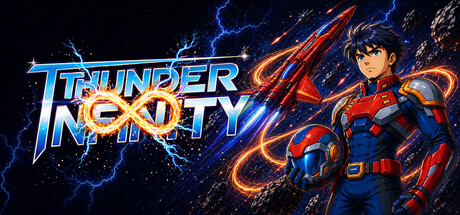
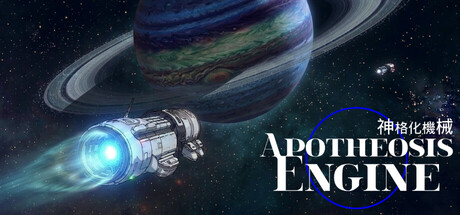
Some 2D graphic assets in this game, including character concept art and background images, were pre-rendered using generative AI tools. These AI-generated assets were then manually edited, refined, and optimized by the developer to fit the game's specific space theme and pixel art aesthetic.
Thunder Infinity was developed by a single person with no resources or financial support.
The artwork for the project was produced by generative AI under strict artistic guidelines.
In the future, if the game is well-received and sells well, a redesign by professional artists could be considered.
The game contains several code snippets and folder modifications that remain unsolved. There is no artificial intelligence that directly affects the gameplay.
"The game utilizes generative AI tools for the creation of concept art, UI icons, and English-to-Turkish localization. These assets are pre-generated during the development phase and are fully reviewed and polished by our team to ensure quality and originality."
AI was used as a support tool across various aspects of development, particularly to assist with visuals and animations. The goal is not to replace human work, but to allow creative efforts to be focused where they matter most, ensuring the highest possible quality for the final game.
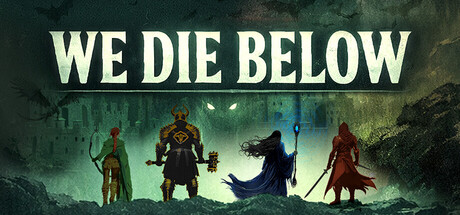
Some visual, audio, and narrative assets in We Die Below were created using AI-assisted tools as part of the development process. All such content was reviewed, edited, and refined by the development team to ensure consistency and quality.
Some promo art elements (promo character) and logo for the game were created using AI tools. Also parts of trailer and in-game soundtrack was created using AI-based tools.
This game was developed with the assistance of generative AI tools for portions of code, store text, and some marketing/supporting visual assets. The game does not generate AI content during gameplay.
Every Legend uses AI to generate dynamic role-playing content during gameplay. This includes story text, characters, quests, dialogue, scene descriptions, images, speech, and music.
The game can use bundled local AI models on your computer, and it can also use optional third-party cloud AI providers if you configure API keys in the settings. When cloud providers are used, your prompts and relevant game context may be sent to those external services to generate content.
AI-generated content may vary between playthroughs and can occasionally be inaccurate, unexpected, or inconsistent.
Game Demon uses large language models (Llama 3.1/3.3 via Groq API, plus optional local Ollama inference) to generate coaching text in real time from the user's match data. Vision models analyze user-sampled frames. No user content is sent to third parties without explicit opt-in. No generative images or audio in final output.
Music and character/dialogue voice lines in the game were created with the assistance of generative AI tools. These AI-generated assets are used for background music, atmosphere, character dialogue, and narrative audio.
Some sound effects and voice related audio assets were created or assisted using generative AI tools. These assets are used as part of the game's horror atmosphere and enemy audio design. The game does not generate AI content in real time during gameplay.
Some visual prototype assets and early promotional materials may include content created with generative AI. Final gameplay design, implementation, balancing, and overall creative direction are developed by the creator.
Some visual assets in this game (including the main menu background and Steam store page capsule images) were created using generative AI tools (Google Gemini). All AI-generated content was pre-rendered during development and reviewed by the developer. The game does not use any AI generation during gameplay — all assets are static and packaged with the game.
Silly Agent is a labor of love by a single developer. To make a game of this scale possible, I've integrated AI technology for specific assets like background music, character voices, and some 3D model foundations. This tech acts as my "extended team," allowing me to deliver a rich, voiced, and musically atmospheric world that would otherwise take years for one person to build manually.
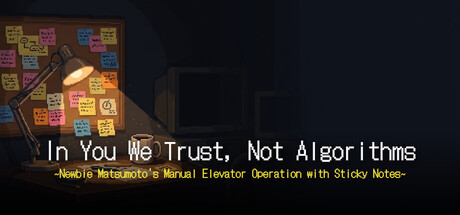
This game uses generative AI in the creation of the following in-game assets:
Background images for the title screen, game clear screen, and game over screen.
Sticky notes, bulletin boards, and elevator information panels within the game screen.
In-game image assets such as elevators.
This game uses AI assistance in the following areas:
- Localization: Some translations were assisted by AI tools.
- Some promotional or UI images were partially generated or refined using AI tools.
All gameplay content, art direction, and core assets are created by human developers.
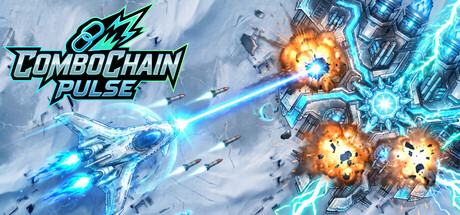
At combo 32, a full synth pad blooms into the void. That peak harmonic layer is generated by Google's Lyria 3 Pro music model, then mastered, EQ'd, and timed by hand to fit each track's BPM and key. The other audio layers — kick, bass, arpeggio — are synthesized live in the Web Audio API. All beat charts, timing windows, and gameplay are hand-designed. No procedural or AI-generated content drives play.
Some visual assets and audio elements in the game were created using AI-assisted tools and then refined and integrated into the final experience by the developer.
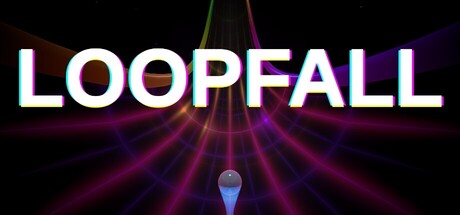
Loopfall uses generative AI for select shipped content:
• Music — created in collaboration with ElevenLabs.
• Sound effects — generated with ElevenLabs Sound Effects.
• Localization — store text and in-game UI strings are translated from English to 14 other languages via the Anthropic Claude API.
All AI-generated content is pre-rendered and baked into the build — no live AI runs at runtime. Every asset is licensed under each provider's commercial-use terms and was reviewed by the developer before release.
Some visual assets (card art and character portraits) generated using Google Gemini image models. Some SFX partially generated via ElevenLabs where Unity Assets were not available. All licensed for commercial use. Game design, code, and text content are original.
This game uses generative AI tools in part for creating UI character images and music.
These assets are further edited and refined by the developer before being implemented into the final game content.
No AI-generated content is created in real time during gameplay.
his game uses generative AI in the following areas:
🎵 Music: Portions of the game's original soundtrack were composed using generative AI tools.
🎙️ Voice Acting: Character dialogue is performed using AI-generated voices. All dialogue, script, and performance direction were written and directed by the development team.
All AI-generated content was reviewed, edited, and approved by the developers before inclusion in the final game.
This game uses AI tools to help assist in the development process. To ensure a high-quality experience, all element has been manually reviewed and refined by our development team to meet our creative standards and Steam's community guidelines.
Generative AI was used solely as a supplementary tool for music composition and a small number of non-core textures (such as background patterns and decorative assets). All AI-assisted content has undergone significant manual refinement and human oversight to ensure it meets our artistic standards and visual style. AI was used only to enhance development efficiency; all core character designs, key art, and narrative elements remain 100% human-authored.
AI tools were used to generate a small number of character portraits, sprite drafts, and some sound effect assets during development. All AI-generated content was reviewed, edited, and integrated by the development team.
Generative AI tools were used as an aid for localization and for some in-game animations. All results were reviewed and manually refined by the developer.
Some 2D graphic assets in this game, including character concept art and background images, were pre-rendered using generative AI tools. These AI-generated assets were then manually edited, refined, and optimized by the developer to fit the game's specific space theme and pixel art aesthetic.
Thunder Infinity was developed by a single person with no resources or financial support.
The artwork for the project was produced by generative AI under strict artistic guidelines.
In the future, if the game is well-received and sells well, a redesign by professional artists could be considered.
The game contains several code snippets and folder modifications that remain unsolved. There is no artificial intelligence that directly affects the gameplay.
"The game utilizes generative AI tools for the creation of concept art, UI icons, and English-to-Turkish localization. These assets are pre-generated during the development phase and are fully reviewed and polished by our team to ensure quality and originality."
AI was used as a support tool across various aspects of development, particularly to assist with visuals and animations. The goal is not to replace human work, but to allow creative efforts to be focused where they matter most, ensuring the highest possible quality for the final game.
Some visual, audio, and narrative assets in We Die Below were created using AI-assisted tools as part of the development process. All such content was reviewed, edited, and refined by the development team to ensure consistency and quality.
Some promo art elements (promo character) and logo for the game were created using AI tools. Also parts of trailer and in-game soundtrack was created using AI-based tools.
This game was developed with the assistance of generative AI tools for portions of code, store text, and some marketing/supporting visual assets. The game does not generate AI content during gameplay.
Every Legend uses AI to generate dynamic role-playing content during gameplay. This includes story text, characters, quests, dialogue, scene descriptions, images, speech, and music.
The game can use bundled local AI models on your computer, and it can also use optional third-party cloud AI providers if you configure API keys in the settings. When cloud providers are used, your prompts and relevant game context may be sent to those external services to generate content.
AI-generated content may vary between playthroughs and can occasionally be inaccurate, unexpected, or inconsistent.
Game Demon uses large language models (Llama 3.1/3.3 via Groq API, plus optional local Ollama inference) to generate coaching text in real time from the user's match data. Vision models analyze user-sampled frames. No user content is sent to third parties without explicit opt-in. No generative images or audio in final output.
Music and character/dialogue voice lines in the game were created with the assistance of generative AI tools. These AI-generated assets are used for background music, atmosphere, character dialogue, and narrative audio.
Some sound effects and voice related audio assets were created or assisted using generative AI tools. These assets are used as part of the game's horror atmosphere and enemy audio design. The game does not generate AI content in real time during gameplay.
Some visual prototype assets and early promotional materials may include content created with generative AI. Final gameplay design, implementation, balancing, and overall creative direction are developed by the creator.
Some visual assets in this game (including the main menu background and Steam store page capsule images) were created using generative AI tools (Google Gemini). All AI-generated content was pre-rendered during development and reviewed by the developer. The game does not use any AI generation during gameplay — all assets are static and packaged with the game.
Silly Agent is a labor of love by a single developer. To make a game of this scale possible, I've integrated AI technology for specific assets like background music, character voices, and some 3D model foundations. This tech acts as my "extended team," allowing me to deliver a rich, voiced, and musically atmospheric world that would otherwise take years for one person to build manually.
This game uses generative AI in the creation of the following in-game assets:
Background images for the title screen, game clear screen, and game over screen.
Sticky notes, bulletin boards, and elevator information panels within the game screen.
In-game image assets such as elevators.
This game uses AI assistance in the following areas:
- Localization: Some translations were assisted by AI tools.
- Some promotional or UI images were partially generated or refined using AI tools.
All gameplay content, art direction, and core assets are created by human developers.
At combo 32, a full synth pad blooms into the void. That peak harmonic layer is generated by Google's Lyria 3 Pro music model, then mastered, EQ'd, and timed by hand to fit each track's BPM and key. The other audio layers — kick, bass, arpeggio — are synthesized live in the Web Audio API. All beat charts, timing windows, and gameplay are hand-designed. No procedural or AI-generated content drives play.
Some visual assets and audio elements in the game were created using AI-assisted tools and then refined and integrated into the final experience by the developer.
Loopfall uses generative AI for select shipped content:
• Music — created in collaboration with ElevenLabs.
• Sound effects — generated with ElevenLabs Sound Effects.
• Localization — store text and in-game UI strings are translated from English to 14 other languages via the Anthropic Claude API.
All AI-generated content is pre-rendered and baked into the build — no live AI runs at runtime. Every asset is licensed under each provider's commercial-use terms and was reviewed by the developer before release.
Some visual assets (card art and character portraits) generated using Google Gemini image models. Some SFX partially generated via ElevenLabs where Unity Assets were not available. All licensed for commercial use. Game design, code, and text content are original.
This game uses generative AI tools in part for creating UI character images and music.
These assets are further edited and refined by the developer before being implemented into the final game content.
No AI-generated content is created in real time during gameplay.
his game uses generative AI in the following areas:
🎵 Music: Portions of the game's original soundtrack were composed using generative AI tools.
🎙️ Voice Acting: Character dialogue is performed using AI-generated voices. All dialogue, script, and performance direction were written and directed by the development team.
All AI-generated content was reviewed, edited, and approved by the developers before inclusion in the final game.
This game uses AI tools to help assist in the development process. To ensure a high-quality experience, all element has been manually reviewed and refined by our development team to meet our creative standards and Steam's community guidelines.
Generative AI was used solely as a supplementary tool for music composition and a small number of non-core textures (such as background patterns and decorative assets). All AI-assisted content has undergone significant manual refinement and human oversight to ensure it meets our artistic standards and visual style. AI was used only to enhance development efficiency; all core character designs, key art, and narrative elements remain 100% human-authored.