Public Steam disclosure research25,695 disclosures tracked
Where do games disclose AI use?
Search developers’ Steam disclosures, compare classified AI use across
games, and follow recorded changes.
This index adds cross-game classifications and statistics to
statements published on individual store pages.
Groups reflect automatic analysis of public disclosures; mature records are excluded. These counts do not measure AI use across all of Steam.
Missing or unclear statements cannot establish whether a game uses AI.
The development of this game makes extensive use of generative AI. AI tools were used to help create the game's art and visual assets, sound and music, text and narrative, code, and localization. All AI-assisted content is reviewed by our team before release to ensure quality and appropriateness.
Generative AI was used to create of the music included in the game, as well as marketing and promotional materials for Steam.
AI tools were also used for programming and development.
There is no AI used in the gameplay - no content is dynamically generated.
Generative AI was used to assist with drafting and editing portions of the Steam store page description and marketing copy. All AI-assisted text was reviewed, revised, and approved by the development team before publication. No AI-generated content is used during gameplay.
Pre-rendered Content:
Generative AI tools and agentic AI development workflows were utilized during the creation of this game to assist in:
- Code & Systems: Writing and optimizing core gameplay logic, typescript structures, and simulation algorithms.
- Visual Assets: Creating and pre-rendering all visual assets used in-game, including boot screen artworks, drive interfaces, and graphical components.
- Localization: Translating and reviewing in-game text and UI labels.
Please note that all AI-assisted assets and code were pre-rendered and compiled during the development phase. The game runs entirely locally and does not perform any real-time (live) AI generation, nor does it connect to any external AI APIs or services during gameplay.
In early development, the game included some AI-generated graphical elements while I waited for a professional artist's work. I am now gradually integrating that work, but the process is not yet finished. AI also generated the game's English, German, and French localizations from the original Ukrainian text, and later proofread by a human.
Generative AI tools (OpenAI ChatGPT and Anthropic Claude) were used during development to help create or transform some visual assets and to assist in designing the procedural audio recipes used for the game’s background music and most sound effects. All AI-assisted materials were reviewed, selected, edited, and integrated by the developer, who made all final creative decisions. The game does not use generative AI during gameplay, and no player input or data is sent to AI services.
Generative AI tools were used during development to assist in creating some of the game's visual art assets, primarily including certain card illustrations and related image assets. AI-generated content is used only during the development process and is not generated live while the game is running. All AI-assisted assets included in the final game are manually reviewed, selected, adjusted, and approved by the developer before being added to the game.
AI used to generate code, including code to procedurally generate graphics/sound.
Artists using Suno marked "(Suno)" after artist name.
AI used for localization.
Currently, many illustrations have been enhanced by AI using our own artworks and 3D models as a basis.
In addition, the audio versions of dialogues are produced using AI-generated voices.
Used for steam capsule images and card artworks TEMPORARILY. All AI generated assets will be replaced on release if estimated revenue can atleast fund it.
This game uses generative AI tools during development to assist with the creation of certain visual assets. All content is reviewed and curated by the development team to ensure quality and consistency with the game's vision.
The AI coworkers in this game are voiced by a machine (TTS), and their dialogue was really written by AI together with self portraits, on purpose and under human review. The slop is diegetic. The code was written with AI agents and reviewed by the last human in that loop, the developer. That is also the plot. No AI runs at runtime. Everything was baked and reviewed before shipping.
Generative AI tools were used to create voice-over content for the game. The generated voice content was reviewed and edited by the development team before being implemented in the game.
The music in this game was created using generative AI
Some of the text on this store page was written with AI assistance.
Nothing is generated by AI while you play. The game runs entirely offline and makes no calls to any AI service at any time.
Generative AI is used to assist with the translation and localization of in-game text and Steam store page content from the original Japanese into other supported languages.
AI tools were used during development to assist with asset creation, texture generation, and development workflows. All AI-generated content was reviewed, modified, and curated by the development team.
Generative AI tools were used during development to assist with creating a limited number of 2D inventory icons and portions of written text and localization. All AI-assisted content was reviewed, edited, and integrated by the developer. The game does not generate AI content during gameplay.
Some pre-rendered assets were created with the help of generative AI during development: 2D line-art images (mascot sprites, badges, store artwork), portions of the game code, and drafts of store/in-game text (human-reviewed). Nothing is generated at runtime, and the game never connects to any AI service while you play. Sound effects are procedurally synthesized without AI.
Generative AI was used during development to generate suspect mugshot photos, dossier case texts, and to assist with language localization. All generated assets are static and pre-packaged into the game.
Some of this game's promotional and background artwork was made with generative AI tools and then edited by the developer: the store capsule/key art images, the painted title-screen background, and the cinematic clips used in the intro trailer. All gameplay, code, game design, in-game visuals (the emoji fighters, gloves, effects and UI), sound effects and music were created without generative AI. No AI content is generated during gameplay and the game does not connect to any AI service.
Some visual assets in Grandpa's Legacy (including expedition artwork and selected store/marketing images) were created or assisted with generative AI tools, then curated and edited by the development team. No generative AI runs during gameplay, and the game does not connect to external AI services while you play.
Graphics (sprites, logo, artwork) were generated with Google Gemini API models,
then curated, edited, and integrated by the developer.
Music and sound effects were generated locally with ACE-Step 1.5, directed,
curated, and post-processed by the developer.
No AI runs during gameplay.
AI tools were used during development to assist with asset creation, texture generation, and development workflows. All AI-generated content was reviewed, modified, and curated by the development team.
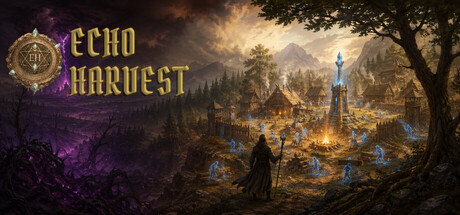
Generative AI was used during development to assist in creating some pre-generated visual artwork and illustrative assets, including artwork used within the Chronicle system. All AI-assisted content is created and reviewed during development and is included in the game as finished assets. Echo Harvest does not use generative AI to create content dynamically during gameplay.
Generative AI tools were used to assist with programming and translation/localization during development. All artwork and original dialogue were created by the developer. AI-assisted translations were reviewed and edited by the developer before being included in the game. No generative AI is used during gameplay.
Generative AI tools were used during development to assist in the creation of certain game assets. For visual assets such as units and characters, the developer first created original line art manually, then used AI-assisted coloring as part of the workflow, followed by additional manual editing and refinement. For music, AI was used to generate an initial melodic idea, which was then manually edited, arranged, and refined by the developer in LMMS. All AI-assisted content is pre-generated and reviewed by the developer before being included in the game. The game does not use live-generated AI during gameplay.
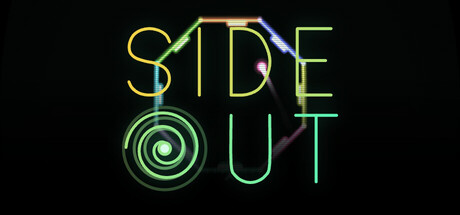
SIDE OUT was built with AI-assisted development tools. No artwork, audio, text or other content in the game is generated by AI. All visuals are drawn procedurally in code, and all store text is written by hand.
AI was used during development to create portions of the game’s pre-generated artwork, characters, animations, music, voices, and sound effects. These assets are included in the finished game. No AI content is generated live during gameplay.
The development of this game makes extensive use of generative AI. AI tools were used to help create the game's art and visual assets, sound and music, text and narrative, code, and localization. All AI-assisted content is reviewed by our team before release to ensure quality and appropriateness.
Generative AI was used to create of the music included in the game, as well as marketing and promotional materials for Steam.
AI tools were also used for programming and development.
There is no AI used in the gameplay - no content is dynamically generated.
Generative AI was used to assist with drafting and editing portions of the Steam store page description and marketing copy. All AI-assisted text was reviewed, revised, and approved by the development team before publication. No AI-generated content is used during gameplay.
Pre-rendered Content:
Generative AI tools and agentic AI development workflows were utilized during the creation of this game to assist in:
- Code & Systems: Writing and optimizing core gameplay logic, typescript structures, and simulation algorithms.
- Visual Assets: Creating and pre-rendering all visual assets used in-game, including boot screen artworks, drive interfaces, and graphical components.
- Localization: Translating and reviewing in-game text and UI labels.
Please note that all AI-assisted assets and code were pre-rendered and compiled during the development phase. The game runs entirely locally and does not perform any real-time (live) AI generation, nor does it connect to any external AI APIs or services during gameplay.
In early development, the game included some AI-generated graphical elements while I waited for a professional artist's work. I am now gradually integrating that work, but the process is not yet finished. AI also generated the game's English, German, and French localizations from the original Ukrainian text, and later proofread by a human.
Generative AI tools (OpenAI ChatGPT and Anthropic Claude) were used during development to help create or transform some visual assets and to assist in designing the procedural audio recipes used for the game’s background music and most sound effects. All AI-assisted materials were reviewed, selected, edited, and integrated by the developer, who made all final creative decisions. The game does not use generative AI during gameplay, and no player input or data is sent to AI services.
Generative AI tools were used during development to assist in creating some of the game's visual art assets, primarily including certain card illustrations and related image assets. AI-generated content is used only during the development process and is not generated live while the game is running. All AI-assisted assets included in the final game are manually reviewed, selected, adjusted, and approved by the developer before being added to the game.
AI used to generate code, including code to procedurally generate graphics/sound.
Artists using Suno marked "(Suno)" after artist name.
AI used for localization.
Currently, many illustrations have been enhanced by AI using our own artworks and 3D models as a basis.
In addition, the audio versions of dialogues are produced using AI-generated voices.
Used for steam capsule images and card artworks TEMPORARILY. All AI generated assets will be replaced on release if estimated revenue can atleast fund it.
This game uses generative AI tools during development to assist with the creation of certain visual assets. All content is reviewed and curated by the development team to ensure quality and consistency with the game's vision.
The AI coworkers in this game are voiced by a machine (TTS), and their dialogue was really written by AI together with self portraits, on purpose and under human review. The slop is diegetic. The code was written with AI agents and reviewed by the last human in that loop, the developer. That is also the plot. No AI runs at runtime. Everything was baked and reviewed before shipping.
Generative AI tools were used to create voice-over content for the game. The generated voice content was reviewed and edited by the development team before being implemented in the game.
The music in this game was created using generative AI
Some of the text on this store page was written with AI assistance.
Nothing is generated by AI while you play. The game runs entirely offline and makes no calls to any AI service at any time.
Generative AI is used to assist with the translation and localization of in-game text and Steam store page content from the original Japanese into other supported languages.
AI tools were used during development to assist with asset creation, texture generation, and development workflows. All AI-generated content was reviewed, modified, and curated by the development team.
Generative AI tools were used during development to assist with creating a limited number of 2D inventory icons and portions of written text and localization. All AI-assisted content was reviewed, edited, and integrated by the developer. The game does not generate AI content during gameplay.
Some pre-rendered assets were created with the help of generative AI during development: 2D line-art images (mascot sprites, badges, store artwork), portions of the game code, and drafts of store/in-game text (human-reviewed). Nothing is generated at runtime, and the game never connects to any AI service while you play. Sound effects are procedurally synthesized without AI.
Generative AI was used during development to generate suspect mugshot photos, dossier case texts, and to assist with language localization. All generated assets are static and pre-packaged into the game.
Some of this game's promotional and background artwork was made with generative AI tools and then edited by the developer: the store capsule/key art images, the painted title-screen background, and the cinematic clips used in the intro trailer. All gameplay, code, game design, in-game visuals (the emoji fighters, gloves, effects and UI), sound effects and music were created without generative AI. No AI content is generated during gameplay and the game does not connect to any AI service.
Some visual assets in Grandpa's Legacy (including expedition artwork and selected store/marketing images) were created or assisted with generative AI tools, then curated and edited by the development team. No generative AI runs during gameplay, and the game does not connect to external AI services while you play.
Graphics (sprites, logo, artwork) were generated with Google Gemini API models,
then curated, edited, and integrated by the developer.
Music and sound effects were generated locally with ACE-Step 1.5, directed,
curated, and post-processed by the developer.
No AI runs during gameplay.
AI tools were used during development to assist with asset creation, texture generation, and development workflows. All AI-generated content was reviewed, modified, and curated by the development team.
Generative AI was used during development to assist in creating some pre-generated visual artwork and illustrative assets, including artwork used within the Chronicle system. All AI-assisted content is created and reviewed during development and is included in the game as finished assets. Echo Harvest does not use generative AI to create content dynamically during gameplay.
Generative AI tools were used to assist with programming and translation/localization during development. All artwork and original dialogue were created by the developer. AI-assisted translations were reviewed and edited by the developer before being included in the game. No generative AI is used during gameplay.
Generative AI tools were used during development to assist in the creation of certain game assets. For visual assets such as units and characters, the developer first created original line art manually, then used AI-assisted coloring as part of the workflow, followed by additional manual editing and refinement. For music, AI was used to generate an initial melodic idea, which was then manually edited, arranged, and refined by the developer in LMMS. All AI-assisted content is pre-generated and reviewed by the developer before being included in the game. The game does not use live-generated AI during gameplay.
SIDE OUT was built with AI-assisted development tools. No artwork, audio, text or other content in the game is generated by AI. All visuals are drawn procedurally in code, and all store text is written by hand.
AI was used during development to create portions of the game’s pre-generated artwork, characters, animations, music, voices, and sound effects. These assets are included in the finished game. No AI content is generated live during gameplay.