Public Steam disclosure research25,706 disclosures tracked
Where do games disclose AI use?
Search developers’ Steam disclosures, compare classified AI use across
games, and follow recorded changes.
This index adds cross-game classifications and statistics to
statements published on individual store pages.
Groups reflect automatic analysis of public disclosures; mature records are excluded. These counts do not measure AI use across all of Steam.
Missing or unclear statements cannot establish whether a game uses AI.
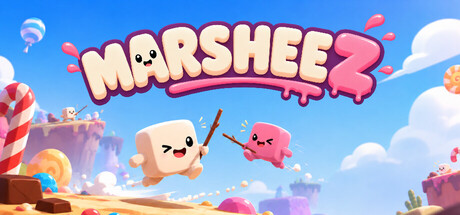
During development, parts of Marsheez were made with generative AI: some of the source code was written with the help of an AI coding assistant, and some of the art and music were created with help of AI tools and then later edited by the developer. The game does not use any generative AI while you play.
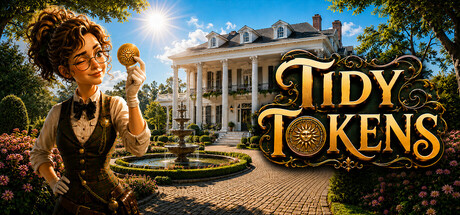
Tidy Tokens is the first game created by our small independent development team, born from a shared passion and a dream of creating our own video game. With limited resources, we used generative AI tools as assistance in certain areas, including some graphical and musical elements. These tools helped complement our skills and allowed us to bring to life a project we could not have created alone at this scale. The game, its design, its world, and its development remain the result of our work, creative decisions, and passion.
Generative AI was used for parts of the game's 3D assets, voice and narration, ambient audio, translations, and store artwork.
All generated content was reviewed and edited by hand. No AI is used at runtime.
Generative AI tools were used to create marketing copy and selected promotional materials, as well as to translate and localize in-game, marketing, and community texts.
This game contains pre-generated 2D artwork and music created with assistance from generative AI tools and reviewed and edited by the developer. The game does not use generative AI or generate content during runtime.
The game is a single hand-maintained source file. It was written together
with an AI coding assistant. Every change was reviewed, tested and integrated by
the developer; the game ships with its own automated test suite.
All 2D art (character sprites, backgrounds, environment pieces, UI) and the current music were created during development using generative AI tools, then curated, edited, and baked into the build. No content is generated at runtime. The game design, level design, code, and writing are human-made.
Character artwork for Giusto’s characters that represent each tier of the player’s journey began as AI-generated concept art, conceptualized, directed and reviewed by our team to match the the art direction of the game. 3D character models were generated from this concept art using Tripo AI’s image-to-3D tool, then reviewed and integrated into the game by our development team. From which, the final 3D models were designed and styled within Unreal Engine 5 to fit the feel of our game. All game design, music and other content were built directly by our team and purchased and licensed human-made asset packs.
The game was developed with the help of AI. The background music soundtrack is AI-generated: the pieces were created with a locally run music model, then curated and edited by hand. Puzzles, game design and gameplay are human-made.
The packaged offline model generates diplomatic communications and makes faction decisions from structured game state with curated personalities. Generative AI was used to assist in creating some pre-rendered artwork, including environment backgrounds, menu and branding art, icons, and promotional/title-card images. These assets were reviewed and integrated by the developer. Game does not connect to external AI services.
Generative AI was used to assist with the processing and enhancement of some images for atmospheric purposes. These images were then manually retouched and further edited by the developer before being used in the game.
This game uses generative AI in a limited way, and only for some artwork.
Selected visual assets — including fictional club kits, generic stadium photographs and blueprint-style ground plans — were created or edited with image-generation tools, then reviewed, cropped, and placed by us. Player names, club names, and brands in the public release are invented; they are not official likenesses.
The game itself is not an AI chatbot. Matches, tactics, transfers, finances, and the season are simulated by our own code. No generative AI runs on your PC while you play, and the game does not send your actions to an AI service.
We do not use generative AI to impersonate real clubs, real players, or real people.
Generative AI was used for some textures and 3D models, as well as for English translation of both the game and its Steam store page.
All original content, including the story, dialogue, archive documents, game design, level design, programming, and Chinese localization, was created by the developer.
Some of the background images used in this game were created with the help of generative AI tools.
All generated images were reviewed, selected, and adjusted by the developer before being included in the game.
Generative AI was not used for the scenario text, the character sprites, the UI, or the music.
This game contains no system that generates any content in real time with AI while playing.
Some game assets - including certain 3D models, sound effects, images and music - were created with the assistance of generative AI tools and then reviewed, edited, and integrated by the developer. The game does not generate AI content at runtime.
Some of the 2D artwork and animation frames in this game were produced with the assistance of generative AI tools. Every AI-assisted asset was reviewed and edited by me (the developer) before shipping. The game contains no live-generated AI content — all art, animation, and text are fixed at release and identical for every player.
Generative AI was used during development to assist with coding, promotional artwork, and store-page copy and localization. All outputs were reviewed by the developer.
Generative AI was used to assist in creating some in-game artwork and promotional artwork for the game, including certain environment backgrounds and Steam store assets.
Pre-generated AI tools were used to assist in creating portions of the game's music, narration, character assets, and localization. All resulting content was reviewed and edited before being included as fixed game content. The game does not generate content with AI during gameplay or connect to an external AI service while running.
This project used AI-assisted tools during development, primarily for promotional artwork, code development, the creation of art assets, and music production.
AI was mainly used to improve development efficiency and assist in creating original content. All AI-assisted content was manually reviewed, selected, edited, redrawn, adjusted, tested, or rearranged, and was further refined to ensure consistency with the game's overall style and actual development needs.
As a solo indie developer, I used Generative AI tools during development to create certain icons and UI graphic elements in order to streamline the visual pipeline and reduce overall development time. All AI-generated assets are pre-generated static images included directly in the game files; no AI content is generated live during gameplay.
Nine Crowns uses generative AI as part of its art development process. AI-assisted tools are used to create and refine some character art, environments, sprites, and promotional artwork. These assets are selected, directed, edited, and reviewed by the development team before being included in the game. No AI content is generated during gameplay.
AI tools were used to draft store page text and to translate the in-game text into English, Japanese and Chinese.
AI was also used for part of the art.
All of this was reviewed and edited by the developers.
No AI-generated content is created while the game is running.
Some of this game's 2D art (such as item icons and UI illustrations) was created with the help of generative AI, and AI was also used to help write and translate some in-game and store page text. All of it was reviewed and finalized by the developer, and no content is generated by AI while you play.
ORACLE uses generative AI in two ways: some marketing artwork was created with generative tools, and an optional bundled local language model can generate short, context-aware ORACLE narration during play. Live generation runs locally on the player's PC and is limited to text; it does not generate code, images, audio, or gameplay rules.
Part of the program code, art materials, and text content in this work were created using generative artificial intelligence and have been manually reviewed and adjusted to ensure a seamless gaming experience. During gameplay, AI does not generate content in real-time, all content is pre generated.
All 3D models and textures were created by humans. Some sound assets and UI graphics were created using generative AI and edited and supervised by humans.
Generative AI was used to create and iteratively refine some graphics and promotional images, as well as to assist with writing and implementing the game’s code. All outputs were selected, reviewed, and integrated by the developer. No AI-generated content is produced during gameplay.
Generative AI was used to assist in creating pre-generated visual assets for the game and its promotional materials, including character artwork and event illustrations. It was also used to assist with portions of the game's text and localization. All included content was reviewed and curated by the developer. No content is generated by AI during gameplay.
Generative AI tools were used during development as part of the early creative and production process, including generating mood boards, visual references, and some base meshes.
These materials were used as starting points rather than finished game content. Any AI-assisted assets included in Nine Below were substantially reworked, modified, refined, and polished by hand before being included in the final game.
AI was used to support iteration and production, while the final game was designed, built, and finished by the developer. No AI-generated content is created during gameplay.
AI tools were used as an aid in the English localization of this title. All
original narrative content, artwork, music, and game systems were created by
human authors.
Despite game is simulating the AI, all conversations are hard coded and written by person.
AI was used to generate the names and descriptions for some items, but it was manually reviewed by developer.
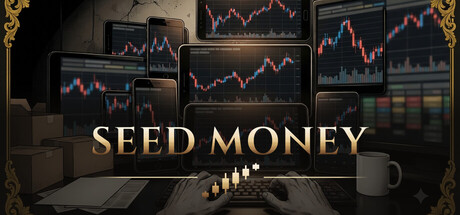
Seed Money was developed with the assistance of generative AI tools, including Claude, GPT, and Gemini. AI was used throughout the development process, including programming assistance and the creation of artwork and sound assets. All AI-generated content included in the game was reviewed and integrated by the development team.
This game uses generative AI tools. Some art assets, texts and portions of the game's code were created with the assistance of generative AI during development. All AI-assisted content was reviewed, edited, and integrated by the developer before release. The game does not use generative AI in real time during gameplay.
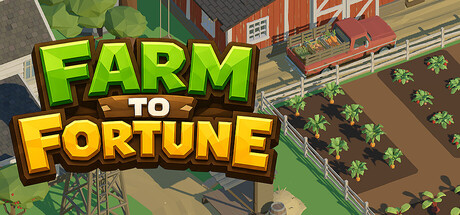
Generative AI was used in two limited contexts:
-For 2D UI icons representing menu items and certain textures of food items.
-For the produce crate in the capsule art.
During development, parts of Marsheez were made with generative AI: some of the source code was written with the help of an AI coding assistant, and some of the art and music were created with help of AI tools and then later edited by the developer. The game does not use any generative AI while you play.
Tidy Tokens is the first game created by our small independent development team, born from a shared passion and a dream of creating our own video game. With limited resources, we used generative AI tools as assistance in certain areas, including some graphical and musical elements. These tools helped complement our skills and allowed us to bring to life a project we could not have created alone at this scale. The game, its design, its world, and its development remain the result of our work, creative decisions, and passion.
Generative AI was used for parts of the game's 3D assets, voice and narration, ambient audio, translations, and store artwork.
All generated content was reviewed and edited by hand. No AI is used at runtime.
Generative AI tools were used to create marketing copy and selected promotional materials, as well as to translate and localize in-game, marketing, and community texts.
This game contains pre-generated 2D artwork and music created with assistance from generative AI tools and reviewed and edited by the developer. The game does not use generative AI or generate content during runtime.
The game is a single hand-maintained source file. It was written together
with an AI coding assistant. Every change was reviewed, tested and integrated by
the developer; the game ships with its own automated test suite.
All 2D art (character sprites, backgrounds, environment pieces, UI) and the current music were created during development using generative AI tools, then curated, edited, and baked into the build. No content is generated at runtime. The game design, level design, code, and writing are human-made.
Character artwork for Giusto’s characters that represent each tier of the player’s journey began as AI-generated concept art, conceptualized, directed and reviewed by our team to match the the art direction of the game. 3D character models were generated from this concept art using Tripo AI’s image-to-3D tool, then reviewed and integrated into the game by our development team. From which, the final 3D models were designed and styled within Unreal Engine 5 to fit the feel of our game. All game design, music and other content were built directly by our team and purchased and licensed human-made asset packs.
The game was developed with the help of AI. The background music soundtrack is AI-generated: the pieces were created with a locally run music model, then curated and edited by hand. Puzzles, game design and gameplay are human-made.
The packaged offline model generates diplomatic communications and makes faction decisions from structured game state with curated personalities. Generative AI was used to assist in creating some pre-rendered artwork, including environment backgrounds, menu and branding art, icons, and promotional/title-card images. These assets were reviewed and integrated by the developer. Game does not connect to external AI services.
Generative AI was used to assist with the processing and enhancement of some images for atmospheric purposes. These images were then manually retouched and further edited by the developer before being used in the game.
This game uses generative AI in a limited way, and only for some artwork.
Selected visual assets — including fictional club kits, generic stadium photographs and blueprint-style ground plans — were created or edited with image-generation tools, then reviewed, cropped, and placed by us. Player names, club names, and brands in the public release are invented; they are not official likenesses.
The game itself is not an AI chatbot. Matches, tactics, transfers, finances, and the season are simulated by our own code. No generative AI runs on your PC while you play, and the game does not send your actions to an AI service.
We do not use generative AI to impersonate real clubs, real players, or real people.
Generative AI was used for some textures and 3D models, as well as for English translation of both the game and its Steam store page.
All original content, including the story, dialogue, archive documents, game design, level design, programming, and Chinese localization, was created by the developer.
Some of the background images used in this game were created with the help of generative AI tools.
All generated images were reviewed, selected, and adjusted by the developer before being included in the game.
Generative AI was not used for the scenario text, the character sprites, the UI, or the music.
This game contains no system that generates any content in real time with AI while playing.
Some game assets - including certain 3D models, sound effects, images and music - were created with the assistance of generative AI tools and then reviewed, edited, and integrated by the developer. The game does not generate AI content at runtime.
Some of the 2D artwork and animation frames in this game were produced with the assistance of generative AI tools. Every AI-assisted asset was reviewed and edited by me (the developer) before shipping. The game contains no live-generated AI content — all art, animation, and text are fixed at release and identical for every player.
Generative AI was used during development to assist with coding, promotional artwork, and store-page copy and localization. All outputs were reviewed by the developer.
Generative AI was used to assist in creating some in-game artwork and promotional artwork for the game, including certain environment backgrounds and Steam store assets.
Pre-generated AI tools were used to assist in creating portions of the game's music, narration, character assets, and localization. All resulting content was reviewed and edited before being included as fixed game content. The game does not generate content with AI during gameplay or connect to an external AI service while running.
This project used AI-assisted tools during development, primarily for promotional artwork, code development, the creation of art assets, and music production.
AI was mainly used to improve development efficiency and assist in creating original content. All AI-assisted content was manually reviewed, selected, edited, redrawn, adjusted, tested, or rearranged, and was further refined to ensure consistency with the game's overall style and actual development needs.
As a solo indie developer, I used Generative AI tools during development to create certain icons and UI graphic elements in order to streamline the visual pipeline and reduce overall development time. All AI-generated assets are pre-generated static images included directly in the game files; no AI content is generated live during gameplay.
Nine Crowns uses generative AI as part of its art development process. AI-assisted tools are used to create and refine some character art, environments, sprites, and promotional artwork. These assets are selected, directed, edited, and reviewed by the development team before being included in the game. No AI content is generated during gameplay.
AI tools were used to draft store page text and to translate the in-game text into English, Japanese and Chinese.
AI was also used for part of the art.
All of this was reviewed and edited by the developers.
No AI-generated content is created while the game is running.
Some of this game's 2D art (such as item icons and UI illustrations) was created with the help of generative AI, and AI was also used to help write and translate some in-game and store page text. All of it was reviewed and finalized by the developer, and no content is generated by AI while you play.
ORACLE uses generative AI in two ways: some marketing artwork was created with generative tools, and an optional bundled local language model can generate short, context-aware ORACLE narration during play. Live generation runs locally on the player's PC and is limited to text; it does not generate code, images, audio, or gameplay rules.
Part of the program code, art materials, and text content in this work were created using generative artificial intelligence and have been manually reviewed and adjusted to ensure a seamless gaming experience. During gameplay, AI does not generate content in real-time, all content is pre generated.
All 3D models and textures were created by humans. Some sound assets and UI graphics were created using generative AI and edited and supervised by humans.
Generative AI was used to create and iteratively refine some graphics and promotional images, as well as to assist with writing and implementing the game’s code. All outputs were selected, reviewed, and integrated by the developer. No AI-generated content is produced during gameplay.
Generative AI was used to assist in creating pre-generated visual assets for the game and its promotional materials, including character artwork and event illustrations. It was also used to assist with portions of the game's text and localization. All included content was reviewed and curated by the developer. No content is generated by AI during gameplay.
Generative AI tools were used during development as part of the early creative and production process, including generating mood boards, visual references, and some base meshes.
These materials were used as starting points rather than finished game content. Any AI-assisted assets included in Nine Below were substantially reworked, modified, refined, and polished by hand before being included in the final game.
AI was used to support iteration and production, while the final game was designed, built, and finished by the developer. No AI-generated content is created during gameplay.
AI tools were used as an aid in the English localization of this title. All
original narrative content, artwork, music, and game systems were created by
human authors.
Despite game is simulating the AI, all conversations are hard coded and written by person.
AI was used to generate the names and descriptions for some items, but it was manually reviewed by developer.
Seed Money was developed with the assistance of generative AI tools, including Claude, GPT, and Gemini. AI was used throughout the development process, including programming assistance and the creation of artwork and sound assets. All AI-generated content included in the game was reviewed and integrated by the development team.
This game uses generative AI tools. Some art assets, texts and portions of the game's code were created with the assistance of generative AI during development. All AI-assisted content was reviewed, edited, and integrated by the developer before release. The game does not use generative AI in real time during gameplay.
Generative AI was used in two limited contexts:
-For 2D UI icons representing menu items and certain textures of food items.
-For the produce crate in the capsule art.