Public Steam disclosure research25,380 disclosures tracked
Where do games disclose AI use?
Search developers’ Steam disclosures, compare classified AI use across
games, and follow recorded changes.
This index adds cross-game classifications and statistics to
statements published on individual store pages.
Groups reflect automatic analysis of public disclosures; mature records are excluded. These counts do not measure AI use across all of Steam.
Missing or unclear statements cannot establish whether a game uses AI.
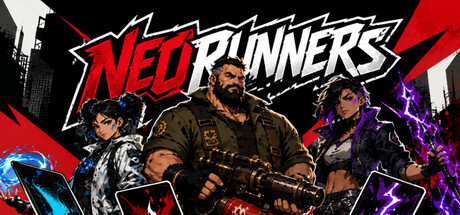
NeoRunners uses generative AI tools as part of its development process. AI-assisted content includes portions of the game's visual artwork and UI assets, promotional/store artwork, and character voice audio. These assets are generated and/or iterated on during development and are reviewed, selected, edited, and integrated by the development team before being included in the game. The game does not generate this content dynamically during gameplay.
Generative AI tools were used during development to assist with some pre-generated visual assets and store marketing images. These assets are fixed in advance and are not generated during gameplay. The released game does not call an external generative AI service and does not generate text, images, audio, code, or other content at runtime.
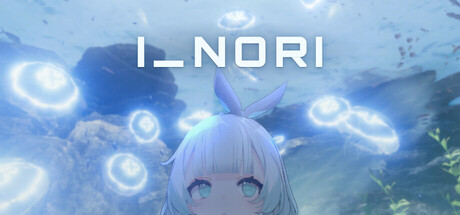
The game uses an AI system developed in-house, allowing Nori to understand and respond to what you say in real time, while remembering the conversations you’ve shared. Generative AI is used exclusively for Nori’s dialogue, voice, and interactive responses.
All artwork, models, music, and narrative text in the game are created by human artists and writers. The game contains no AI-generated artwork.
Generative AI tools were used during development to assist with portions of the source code and to create some variations of character artwork, such as facial expressions and color variations. All original character designs and base artwork were created by the developer. All AI-assisted outputs were reviewed, edited, and finalized by the developer. The application does not generate AI content while it is running.
This game uses generative AI tools to assist in the creation of select visual assets and localization.
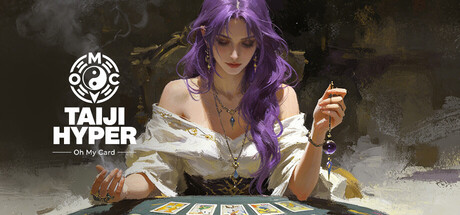
Card illustrations and art assets: AI-generated concepts serve as an early creative foundation, developed under the direction of veteran concept artist Ni Li (ArtStation portfolio available, 10+ years of artistic experience).
Localization: AI-assisted translation is used for 30+ languages.
This game uses generative AI to create visual assets, including character portraits, event CGs, and background images. All generated images were selected, adjusted, and finalized by the developer.
The scenario, dialogue, game design, and system programming were created by the developer. AI translation assistance was used as part of the localization process, with the results reviewed by the developer.
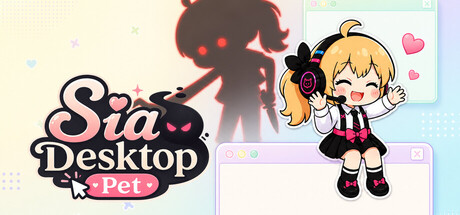
Sia's art and sound - her sprites, the outfits, the tarot cards, the item and monster icons, the sound effects - were produced with the help of generative AI tools and then edited and assembled by hand. The store images were made the same way. The game's text was written in Korean by hand; the seven other language translations were AI-assisted and reviewed by a human.
Nothing is generated while you play. The game ships as fixed image, sound and text files and never contacts an AI service.
Some visual assets used in the game were edited with the assistance of AI-based tools and subsequently refined and integrated into the project by the developer.
Pre-generated content only. Some 2D artwork (menu and loading-screen key art) and UI sound effects were created or processed with generative AI tools, then reviewed and edited by the developer. No content is AI-generated at runtime.
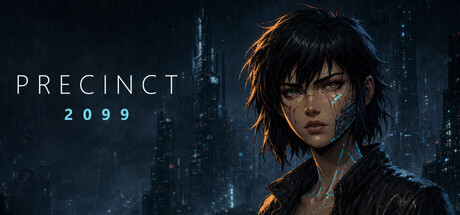
Precinct 2099 uses generative AI as a production tool. Part of the visual material (backgrounds, character art and store images) and the music were created with AI tools and then selected, edited and art-directed by hand by our team. Some of the localisation work is AI-assisted. The story, script, characters and game design are written by humans. The game does not generate any content live while you play: everything ships pre-generated with the build.
Pre-generated generative AI was used during development to assist with visual artwork, music, sound effects, spoken audio, narrative and dialogue, and portions of the game code. The developer directed, reviewed, selected, edited, arranged, tested, and integrated the final content. No generative AI content is created while the game is running.
This game uses generative AI in the creation of some graphics, text, and English localization. All AI-generated content has been reviewed and edited by the developer before being used.
No generative AI content is created during gameplay.
Nexus Ascendant contains pre-generated content created with the assistance of generative AI tools during development. This includes portions of the character and environment artwork, animated visual assets, user-interface graphics, gameplay textures, narrative writing, Japanese voice audio, and marketing materials. All AI-assisted content was selected, edited, reviewed, and integrated by the developer before inclusion. The game does not generate AI content during gameplay or transmit player data to generative AI services.
This game uses AI-generated content. The character artwork was pre-generated locally with an image model (Animagine XL 3.1) and manually curated by the developer. During gameplay, the mascot's chat replies (text only) are generated in real time by a bundled local language model (Google Gemma 3 via the Ollama runtime) running entirely on your PC. No internet connection is used and no conversation data leaves your device.
Generative AI technology is used in a supplementary capacity during the creation of some user interface assets.
Any such assets are replaced through our production pipeline by our art and development teams, ensuring they meet our quality standards and creative direction.
Generative AI tools were used during development to assist with enhancing certain texture assets. All final assets were reviewed and tweaked by the developer.
This game uses AI technology in the production of some of its illustrations, music, voice, and text assets. All generated assets have been reviewed and adjusted by the developer before inclusion.
The game also includes an "offline AI study assistant." This assistant does NOT generate text. It identifies the intent of the player's question and searches through study data that the developer has written and verified in advance, then displays the matching explanation as-is. It uses two bundled machine-learning models to improve search accuracy (an embedding model, multilingual-e5-large / MIT, and a re-ranking model, ms-marco-MiniLM-L-6-v2 / Apache-2.0), but these models do not generate any answer text. All processing runs entirely on the player's device with no external data transmission (no GPU required; runs on CPU). Any explanation shown was written and verified in advance by the developer. Note that it cannot answer topics outside the included data, and content may become outdated due to changes in exam rules or laws, so please confirm important matters with official exam information. This AI assistant is a supplementary study feature.
Generative AI tools were used during development to create or assist with some visual assets, audio, and 3D assets used in the game and its promotional materials. No AI-generated content is created during gameplay, and the game does not connect to external AI services.
Character portraits are entirely hand-drawn by artists. Background assets are created using AI as preliminary sketches, then comprehensively revised and manually reworked to achieve consistent art style.
Generative AI tools were used during development to generate some 3D model assets, textures, and sounds. All AI-generated content was pre-rendered and reviewed before being included in the game build. No live generative AI is used during gameplay.
Elemancer is a solo-developed game. Every system, all gameplay code, the balance, and all writing are human-made and hand-tuned. The 2D art and audio were created with AI tools, then hand-curated, edited, and quality-checked asset by asset before shipping.
This game uses content created or assisted by generative AI. Generative AI was used to help create and edit some visual assets, music/sound materials, and scripts. All final content was reviewed, selected, and adjusted by the developer before being included in the game.
This game uses generative AI for some of its content.
- 2D artwork: Some illustrations and icons, including the character portraits, were created with image-generation AI, then selected and hand-retouched by the developer before being included. The same applies to the images used on this store page.
- Text: Languages other than Japanese (English, Simplified Chinese, Traditional Chinese, Korean) are based on translations produced with a large language model.
Generative AI was not used for the music, sound effects, character voices, or 3D models. Those are licensed tracks and sound effects, recordings by voice actors, and models we made ourselves.
Generative AI is used only during development. The game never generates content with AI while you play, and it never connects to an external AI service.
This is a visual novel independently developed by an individual with no budget. It is based on an existing novel, with parts of the narrative text synthesized and refined using AI, which has been repeatedly checked, edited, and approved by the developer. The game's scenes and character models are also AI-generated, and have undergone extensive debugging, deletion, revision, and final confirmation before release to ensure compliance and quality.
This game uses generative AI for the following content. All of it was generated during development and shipped with the game; no content is generated at runtime.
- Music and sound effects (2 theme songs, in-game BGM, SFX): Suno
- Graphics (character art, backgrounds, event CGs, store page images): OpenAI
- Extra scenarios, concept and writing: OpenAI, Claude Code
- English text (translation of the main story and extras): Claude Code, OpenAI
- Game implementation (engine, game code): Claude Code
Generative AI tools were used as production assistance for portions of the game's 2D artwork, character voices, and localization. All such content is pre-generated and manually reviewed before release. The game does not generate content with AI during play.
Generative AI may have been used to assist in creating artwork for this game's store page and promotional materials. All AI-assisted content was created under human direction and is the result of a human-led artistic and creative process.
Generative AI was used to assist with artwork concept drafts, music ideation, localization, and code-writing during development. All final content was reviewed and curated by the developer.
Lo-Fi with Ruka includes optional live generative AI features. Players may provide their own DeepSeek and StepFun API keys to generate short companion chat replies, personalized study-story chapters, and synthesized voice. These features are disabled without player-provided keys. Prompts, the current focus goal or status, and limited recent non-sensitive study context are sent only to the selected providers. API keys and generated content remain local and are not uploaded to Steam Cloud.
This game uses AI-assisted tools for selected art assets and animated content during development. All AI-assisted content has been reviewed and modified by the development team. The story, dialogue, and written content are fully created by the team, and the game does not include real-time AI interaction.
NeoRunners uses generative AI tools as part of its development process. AI-assisted content includes portions of the game's visual artwork and UI assets, promotional/store artwork, and character voice audio. These assets are generated and/or iterated on during development and are reviewed, selected, edited, and integrated by the development team before being included in the game. The game does not generate this content dynamically during gameplay.
Generative AI tools were used during development to assist with some pre-generated visual assets and store marketing images. These assets are fixed in advance and are not generated during gameplay. The released game does not call an external generative AI service and does not generate text, images, audio, code, or other content at runtime.
The game uses an AI system developed in-house, allowing Nori to understand and respond to what you say in real time, while remembering the conversations you’ve shared. Generative AI is used exclusively for Nori’s dialogue, voice, and interactive responses.
All artwork, models, music, and narrative text in the game are created by human artists and writers. The game contains no AI-generated artwork.
Generative AI tools were used during development to assist with portions of the source code and to create some variations of character artwork, such as facial expressions and color variations. All original character designs and base artwork were created by the developer. All AI-assisted outputs were reviewed, edited, and finalized by the developer. The application does not generate AI content while it is running.
This game uses generative AI tools to assist in the creation of select visual assets and localization.
Card illustrations and art assets: AI-generated concepts serve as an early creative foundation, developed under the direction of veteran concept artist Ni Li (ArtStation portfolio available, 10+ years of artistic experience).
Localization: AI-assisted translation is used for 30+ languages.
This game uses generative AI to create visual assets, including character portraits, event CGs, and background images. All generated images were selected, adjusted, and finalized by the developer.
The scenario, dialogue, game design, and system programming were created by the developer. AI translation assistance was used as part of the localization process, with the results reviewed by the developer.
Sia's art and sound - her sprites, the outfits, the tarot cards, the item and monster icons, the sound effects - were produced with the help of generative AI tools and then edited and assembled by hand. The store images were made the same way. The game's text was written in Korean by hand; the seven other language translations were AI-assisted and reviewed by a human.
Nothing is generated while you play. The game ships as fixed image, sound and text files and never contacts an AI service.
Some visual assets used in the game were edited with the assistance of AI-based tools and subsequently refined and integrated into the project by the developer.
Pre-generated content only. Some 2D artwork (menu and loading-screen key art) and UI sound effects were created or processed with generative AI tools, then reviewed and edited by the developer. No content is AI-generated at runtime.
Precinct 2099 uses generative AI as a production tool. Part of the visual material (backgrounds, character art and store images) and the music were created with AI tools and then selected, edited and art-directed by hand by our team. Some of the localisation work is AI-assisted. The story, script, characters and game design are written by humans. The game does not generate any content live while you play: everything ships pre-generated with the build.
Pre-generated generative AI was used during development to assist with visual artwork, music, sound effects, spoken audio, narrative and dialogue, and portions of the game code. The developer directed, reviewed, selected, edited, arranged, tested, and integrated the final content. No generative AI content is created while the game is running.
This game uses generative AI in the creation of some graphics, text, and English localization. All AI-generated content has been reviewed and edited by the developer before being used.
No generative AI content is created during gameplay.
Nexus Ascendant contains pre-generated content created with the assistance of generative AI tools during development. This includes portions of the character and environment artwork, animated visual assets, user-interface graphics, gameplay textures, narrative writing, Japanese voice audio, and marketing materials. All AI-assisted content was selected, edited, reviewed, and integrated by the developer before inclusion. The game does not generate AI content during gameplay or transmit player data to generative AI services.
This game uses AI-generated content. The character artwork was pre-generated locally with an image model (Animagine XL 3.1) and manually curated by the developer. During gameplay, the mascot's chat replies (text only) are generated in real time by a bundled local language model (Google Gemma 3 via the Ollama runtime) running entirely on your PC. No internet connection is used and no conversation data leaves your device.
Generative AI technology is used in a supplementary capacity during the creation of some user interface assets.
Any such assets are replaced through our production pipeline by our art and development teams, ensuring they meet our quality standards and creative direction.
Generative AI tools were used during development to assist with enhancing certain texture assets. All final assets were reviewed and tweaked by the developer.
This game uses AI technology in the production of some of its illustrations, music, voice, and text assets. All generated assets have been reviewed and adjusted by the developer before inclusion.
The game also includes an "offline AI study assistant." This assistant does NOT generate text. It identifies the intent of the player's question and searches through study data that the developer has written and verified in advance, then displays the matching explanation as-is. It uses two bundled machine-learning models to improve search accuracy (an embedding model, multilingual-e5-large / MIT, and a re-ranking model, ms-marco-MiniLM-L-6-v2 / Apache-2.0), but these models do not generate any answer text. All processing runs entirely on the player's device with no external data transmission (no GPU required; runs on CPU). Any explanation shown was written and verified in advance by the developer. Note that it cannot answer topics outside the included data, and content may become outdated due to changes in exam rules or laws, so please confirm important matters with official exam information. This AI assistant is a supplementary study feature.
Generative AI tools were used during development to create or assist with some visual assets, audio, and 3D assets used in the game and its promotional materials. No AI-generated content is created during gameplay, and the game does not connect to external AI services.
Character portraits are entirely hand-drawn by artists. Background assets are created using AI as preliminary sketches, then comprehensively revised and manually reworked to achieve consistent art style.
Generative AI tools were used during development to generate some 3D model assets, textures, and sounds. All AI-generated content was pre-rendered and reviewed before being included in the game build. No live generative AI is used during gameplay.
Elemancer is a solo-developed game. Every system, all gameplay code, the balance, and all writing are human-made and hand-tuned. The 2D art and audio were created with AI tools, then hand-curated, edited, and quality-checked asset by asset before shipping.
This game uses content created or assisted by generative AI. Generative AI was used to help create and edit some visual assets, music/sound materials, and scripts. All final content was reviewed, selected, and adjusted by the developer before being included in the game.
This game uses generative AI for some of its content.
- 2D artwork: Some illustrations and icons, including the character portraits, were created with image-generation AI, then selected and hand-retouched by the developer before being included. The same applies to the images used on this store page.
- Text: Languages other than Japanese (English, Simplified Chinese, Traditional Chinese, Korean) are based on translations produced with a large language model.
Generative AI was not used for the music, sound effects, character voices, or 3D models. Those are licensed tracks and sound effects, recordings by voice actors, and models we made ourselves.
Generative AI is used only during development. The game never generates content with AI while you play, and it never connects to an external AI service.
This is a visual novel independently developed by an individual with no budget. It is based on an existing novel, with parts of the narrative text synthesized and refined using AI, which has been repeatedly checked, edited, and approved by the developer. The game's scenes and character models are also AI-generated, and have undergone extensive debugging, deletion, revision, and final confirmation before release to ensure compliance and quality.
This game uses generative AI for the following content. All of it was generated during development and shipped with the game; no content is generated at runtime.
- Music and sound effects (2 theme songs, in-game BGM, SFX): Suno
- Graphics (character art, backgrounds, event CGs, store page images): OpenAI
- Extra scenarios, concept and writing: OpenAI, Claude Code
- English text (translation of the main story and extras): Claude Code, OpenAI
- Game implementation (engine, game code): Claude Code
Generative AI tools were used as production assistance for portions of the game's 2D artwork, character voices, and localization. All such content is pre-generated and manually reviewed before release. The game does not generate content with AI during play.
Generative AI may have been used to assist in creating artwork for this game's store page and promotional materials. All AI-assisted content was created under human direction and is the result of a human-led artistic and creative process.
Generative AI was used to assist with artwork concept drafts, music ideation, localization, and code-writing during development. All final content was reviewed and curated by the developer.
Lo-Fi with Ruka includes optional live generative AI features. Players may provide their own DeepSeek and StepFun API keys to generate short companion chat replies, personalized study-story chapters, and synthesized voice. These features are disabled without player-provided keys. Prompts, the current focus goal or status, and limited recent non-sensitive study context are sent only to the selected providers. API keys and generated content remain local and are not uploaded to Steam Cloud.
This game uses AI-assisted tools for selected art assets and animated content during development. All AI-assisted content has been reviewed and modified by the development team. The story, dialogue, and written content are fully created by the team, and the game does not include real-time AI interaction.