Public Steam disclosure research25,380 disclosures tracked
Where do games disclose AI use?
Search developers’ Steam disclosures, compare classified AI use across
games, and follow recorded changes.
This index adds cross-game classifications and statistics to
statements published on individual store pages.
Groups reflect automatic analysis of public disclosures; mature records are excluded. These counts do not measure AI use across all of Steam.
Missing or unclear statements cannot establish whether a game uses AI.
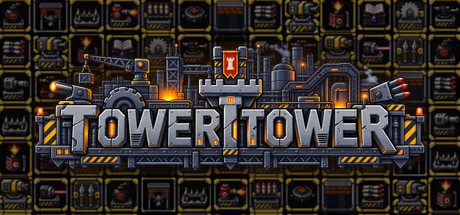
Some of the content in TOWER TOWER was created with the help of generative AI tools. This applies to parts of the pixel art and the in-game music and sound effects, to the store page text and its translations, and to promotional materials such as the trailer and the capsule images. All AI-assisted content was reviewed and edited by the developer before being used. The game does not generate anything with AI while it is running — everything you see and hear in the game is finalized in advance.
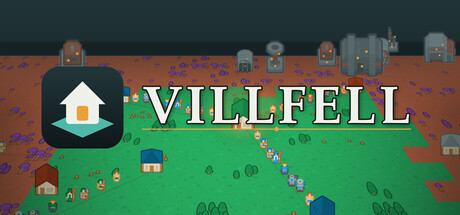
Generative AI was used to create some visual elements of the game's main menu and to assist with programming during development. Claude was used as a coding assistant to help write, review, and troubleshoot code.
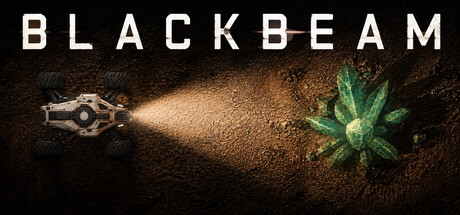
Generative AI tools were used during development to assist with the creation of pre-generated visual assets, including some game artwork and Steam store/marketing assets. All generated content is reviewed and curated before inclusion in the game or its marketing materials. The game does not generate AI content during gameplay.
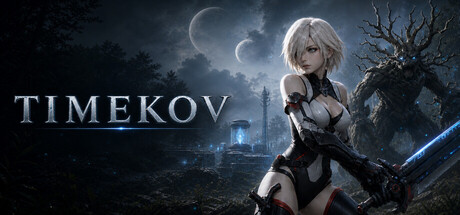
Generative AI tools were used to assist with store page text localization and marketing copy drafts. All content was reviewed and edited by the developer before publication.
3D models for props and buildings have been generated with code developed by AI. The game splash screens and logo have been generated by AI. Music is generated live with code developed by AI.
Generative AI tools were used during development to assist with some pre-generated visual assets, including selected pixel-art environments, characters, illustrations, icons, and promotional artwork. These assets are included with the game and are not generated live during gameplay. The game does not use a live AI service or send player data to an AI service. Shipped assets were reviewed, edited, and integrated by the development team.
We use AI to generate content for the game such as text descriptions, some images like npc portraits and ware items and to generate some stories to create immersion in the game.
We also generate some voicing for dialogs using licensed voices.
We also generate some other sounds such as sound effects (wind, sea waves)
All content text, images, voices or sounds are reviewed manually by a human to verify the content and licensing aspects.
The game's surface textures — the colour and relief maps applied to parts,
buildings, terrain and visual effects — and its sound effects were created
with generative AI tools during development. They are generated ahead of
time, reviewed and integrated by hand, and ship with the game as ordinary
image and audio files.
Nothing is generated while you play, and the game never connects to an AI
service.
The simulation itself — orbital mechanics, aerodynamics, the production chains — is written by hand.
Aftergrowth's code was written with the help of an AI coding assistant, and some of the game's text — including parts of this store page — was first drafted with it and then edited by hand.
Nothing you see or hear is AI-generated. Every sprite, tile and icon is drawn by deterministic Python scripts rather than by an image model. The music is synthesised and the sound effects are CC0 recordings by Kenney, both credited in the game's CREDITS file. No generative AI runs while you play: nothing is generated live, and the game makes no request to any AI service.
Generative AI was used during development to create selected pre-generated store graphics, story illustrations, and in-game art. These assets were reviewed and edited before inclusion. The game does not generate AI content at runtime and does not send player input or personal data to AI services.
Generative AI was used to write, edit, and translate text on this Steam store page. It is not used during gameplay, and no AI-generated images, audio, or in-game assets are included.
Generative AI tools were used during development to assist with programming, debugging, optimization, gameplay design, and the review or translation of some written content. The game does not use live-generated AI and does not connect to an AI service during gameplay.
Some art, music and sound effects were created with the assistance of generative AI tools, under the creative direction of the developer. All AI-assisted content was reviewed and curated before inclusion. The game does not use AI to generate content during gameplay.
Generative AI is used to assist with research or as rough internal placeholders. No AI-generated art, animation, music, text, or in-game live generation is used. All game content is created, shaped, reviewed, and approved by our team.
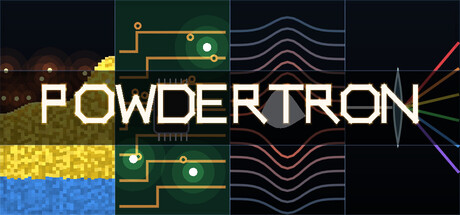
Some of Powdertron's development and marketing materials were produced with AI assistance. The store page text was drafted with an AI writing tool and edited by hand, and the capsule images and trailer were rendered by procedural code written with AI assistance, using the game's own artwork and captured gameplay footage.
The game itself contains no generative AI. Nothing is generated at runtime, no AI service is contacted while you play, and all in-game content — the materials, reaction rules, simulations and interface — is authored and deterministic.
Generative AI was used during development to assist in creating some of the fixed decorative sculptures and decorative mosaic elements that appear within the game environment. These assets were created prior to release and are static parts of the game.
Generative AI is not used to generate content during gameplay, and players do not interact with any live generative AI systems.
I’m a broke college student and don’t have the budget to hire a professional artist for everything, so generative AI was used to help create some marketing and promotional artwork for the game do forgive me.
Pre-generated content: Some promotional and store-page visual assets, including logo variations, were created or enhanced with generative AI during development. No generative AI is used at runtime. The game does not generate AI content for players.
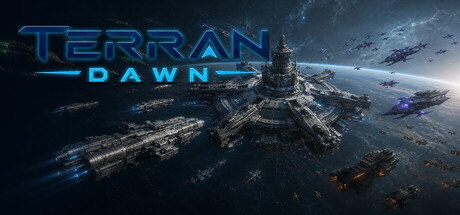
Terran Dawn is a solo-developed game, and generative AI tools were used
during its production. Everything AI-assisted is created ahead of time and
shipped as fixed files inside the build: the game generates nothing while
you play, contacts no AI service at runtime, and sends no player data
anywhere.
Where these tools were used:
- 3D assets: ship, station and building meshes were produced with AI
text-to-3D generation, then rescaled, re-oriented, re-textured and
hand-corrected to fit the engine.
- 2D art and textures: interface illustrations, encyclopedia art and some
surface textures were generated from hand-written prompts and edited
afterwards.
- Sound effects: a portion of the weapon, interface and explosion sounds
were generated with AI audio tools, then trimmed and mixed by hand.
- Music: the soundtrack was created with AI music generation.
- Voice-over: mission briefings and in-mission radio lines are AI
text-to-speech, performed from scripts written by the developer.
- Video transmissions: the in-game character broadcasts use a licensed
synthetic presenter and synthetic voice to deliver dialogue written by
the developer.
- Translation: the game's text was translated into its supported languages
with the help of an AI language model.
- Some of the game's source code was written with AI coding assistants.
The game's design, story, missions, rules and balance are written by the
developer. No generative AI runs while the game is playing.
Generative AI tools were used during the development of this game to assist with programming, debugging, translation, and content creation. Some artwork, text, and other assets were also generated or processed with the assistance of generative AI, then reviewed and edited by the development team. The game does not use generative AI at runtime or generate content in response to player input. The development team remains responsible for all content included in the final game.
AI-assisted tools were used solely during development to support programming tasks such as coding, debugging, and refactoring. All resulting code was reviewed, tested, and integrated by the developer. The game does not generate content using AI during gameplay.
Some pre-rendered assets in this game and its store presence were created with the assistance of generative AI tools: portions of the 2D artwork (such as backdrop and ramp textures, marketing and capsule images) and some sound effects. All AI-assisted assets were reviewed, selected, and edited by the developer before inclusion. The game's design, code, gameplay systems, writing, and balance are entirely human-made. No content is generated by AI at runtime.
Generative AI was used to assist with some promotional artwork for the Steam store page. All gameplay screenshots and trailer footage are captured from the actual game. The game itself does not contain AI-generated content.
Generative AI was used to create a small number of 3D models and art assets. All game code, design, and gameplay systems were created without the use of Generative AI.
Some marketing assets on the store page (capsules, logo) were produced with a generative AI tool, based on screenshots and 3D renders from the game itself.
Part of the in-game text (encyclopaedia entries and mission briefings) was drafted with the assistance of a large language model, then reviewed and edited by the developer.
The 3D parts, textures and the simulation itself are authored. Nothing is generated while the game is running.
ChromaFlow was developed with assistance from generative AI tools (such as Large Language Models) to help write and structure the source code and draft store descriptions. All AI-generated content was reviewed, edited, and integrated manually. The game does not feature live, runtime generative AI or external API connections during gameplay.
Some of the game's background music was created using generative AI tools. Parts of the game's localization (text translations) were also produced with AI assistance and reviewed by the team. All other content — game design, artwork, and core systems — was created without generative AI.
Generative AI tools were used during development to assist with concept exploration and some fixed, pre-generated visual assets. All outputs were reviewed, edited, curated, and integrated by the developer. The game does not generate AI content at runtime, and players cannot prompt or create AI-generated content.
This game uses AI-assisted tools during development, limited exclusively to programming assistance, assistance with the creation of certain UI assets, and multilingual translation assistance. AI-generated output is not integrated directly into the game. All content is manually reviewed, edited, integrated, proofread, and tested by the development team before use.
AI is not used to create characters, character illustrations, character-related artwork, animations, music, sound effects, narrative, or other core creative content. The game does not generate content in real time while running, nor does it connect to external AI services to provide generative features to players.
- AI content is focused on code implementation, review, and optimization.
- Game currently contains no audio, when implemented audio will be human made.
- Graphics are parametrically (rules based) created and modified by humans. (No AI 3D model assets)
- All economic and management systems are developed by humans.
Some visual assets, branding exploration, and first-pass localization drafts were created or assisted with generative AI tools. All content is reviewed, edited, and integrated by the developer before being included in the game or store materials. The game does not generate AI content in real time during gameplay.
Some of the content in TOWER TOWER was created with the help of generative AI tools. This applies to parts of the pixel art and the in-game music and sound effects, to the store page text and its translations, and to promotional materials such as the trailer and the capsule images. All AI-assisted content was reviewed and edited by the developer before being used. The game does not generate anything with AI while it is running — everything you see and hear in the game is finalized in advance.
Generative AI was used to create some visual elements of the game's main menu and to assist with programming during development. Claude was used as a coding assistant to help write, review, and troubleshoot code.
Generative AI tools were used during development to assist with the creation of pre-generated visual assets, including some game artwork and Steam store/marketing assets. All generated content is reviewed and curated before inclusion in the game or its marketing materials. The game does not generate AI content during gameplay.
Generative AI tools were used to assist with store page text localization and marketing copy drafts. All content was reviewed and edited by the developer before publication.
3D models for props and buildings have been generated with code developed by AI. The game splash screens and logo have been generated by AI. Music is generated live with code developed by AI.
Generative AI tools were used during development to assist with some pre-generated visual assets, including selected pixel-art environments, characters, illustrations, icons, and promotional artwork. These assets are included with the game and are not generated live during gameplay. The game does not use a live AI service or send player data to an AI service. Shipped assets were reviewed, edited, and integrated by the development team.
We use AI to generate content for the game such as text descriptions, some images like npc portraits and ware items and to generate some stories to create immersion in the game.
We also generate some voicing for dialogs using licensed voices.
We also generate some other sounds such as sound effects (wind, sea waves)
All content text, images, voices or sounds are reviewed manually by a human to verify the content and licensing aspects.
The game's surface textures — the colour and relief maps applied to parts,
buildings, terrain and visual effects — and its sound effects were created
with generative AI tools during development. They are generated ahead of
time, reviewed and integrated by hand, and ship with the game as ordinary
image and audio files.
Nothing is generated while you play, and the game never connects to an AI
service.
The simulation itself — orbital mechanics, aerodynamics, the production chains — is written by hand.
Aftergrowth's code was written with the help of an AI coding assistant, and some of the game's text — including parts of this store page — was first drafted with it and then edited by hand.
Nothing you see or hear is AI-generated. Every sprite, tile and icon is drawn by deterministic Python scripts rather than by an image model. The music is synthesised and the sound effects are CC0 recordings by Kenney, both credited in the game's CREDITS file. No generative AI runs while you play: nothing is generated live, and the game makes no request to any AI service.
Generative AI was used during development to create selected pre-generated store graphics, story illustrations, and in-game art. These assets were reviewed and edited before inclusion. The game does not generate AI content at runtime and does not send player input or personal data to AI services.
Generative AI was used to write, edit, and translate text on this Steam store page. It is not used during gameplay, and no AI-generated images, audio, or in-game assets are included.
Generative AI tools were used during development to assist with programming, debugging, optimization, gameplay design, and the review or translation of some written content. The game does not use live-generated AI and does not connect to an AI service during gameplay.
Some art, music and sound effects were created with the assistance of generative AI tools, under the creative direction of the developer. All AI-assisted content was reviewed and curated before inclusion. The game does not use AI to generate content during gameplay.
Generative AI is used to assist with research or as rough internal placeholders. No AI-generated art, animation, music, text, or in-game live generation is used. All game content is created, shaped, reviewed, and approved by our team.
Some of Powdertron's development and marketing materials were produced with AI assistance. The store page text was drafted with an AI writing tool and edited by hand, and the capsule images and trailer were rendered by procedural code written with AI assistance, using the game's own artwork and captured gameplay footage.
The game itself contains no generative AI. Nothing is generated at runtime, no AI service is contacted while you play, and all in-game content — the materials, reaction rules, simulations and interface — is authored and deterministic.
Generative AI was used during development to assist in creating some of the fixed decorative sculptures and decorative mosaic elements that appear within the game environment. These assets were created prior to release and are static parts of the game.
Generative AI is not used to generate content during gameplay, and players do not interact with any live generative AI systems.
I’m a broke college student and don’t have the budget to hire a professional artist for everything, so generative AI was used to help create some marketing and promotional artwork for the game do forgive me.
Pre-generated content: Some promotional and store-page visual assets, including logo variations, were created or enhanced with generative AI during development. No generative AI is used at runtime. The game does not generate AI content for players.
Terran Dawn is a solo-developed game, and generative AI tools were used
during its production. Everything AI-assisted is created ahead of time and
shipped as fixed files inside the build: the game generates nothing while
you play, contacts no AI service at runtime, and sends no player data
anywhere.
Where these tools were used:
- 3D assets: ship, station and building meshes were produced with AI
text-to-3D generation, then rescaled, re-oriented, re-textured and
hand-corrected to fit the engine.
- 2D art and textures: interface illustrations, encyclopedia art and some
surface textures were generated from hand-written prompts and edited
afterwards.
- Sound effects: a portion of the weapon, interface and explosion sounds
were generated with AI audio tools, then trimmed and mixed by hand.
- Music: the soundtrack was created with AI music generation.
- Voice-over: mission briefings and in-mission radio lines are AI
text-to-speech, performed from scripts written by the developer.
- Video transmissions: the in-game character broadcasts use a licensed
synthetic presenter and synthetic voice to deliver dialogue written by
the developer.
- Translation: the game's text was translated into its supported languages
with the help of an AI language model.
- Some of the game's source code was written with AI coding assistants.
The game's design, story, missions, rules and balance are written by the
developer. No generative AI runs while the game is playing.
Generative AI tools were used during the development of this game to assist with programming, debugging, translation, and content creation. Some artwork, text, and other assets were also generated or processed with the assistance of generative AI, then reviewed and edited by the development team. The game does not use generative AI at runtime or generate content in response to player input. The development team remains responsible for all content included in the final game.
AI-assisted tools were used solely during development to support programming tasks such as coding, debugging, and refactoring. All resulting code was reviewed, tested, and integrated by the developer. The game does not generate content using AI during gameplay.
Some pre-rendered assets in this game and its store presence were created with the assistance of generative AI tools: portions of the 2D artwork (such as backdrop and ramp textures, marketing and capsule images) and some sound effects. All AI-assisted assets were reviewed, selected, and edited by the developer before inclusion. The game's design, code, gameplay systems, writing, and balance are entirely human-made. No content is generated by AI at runtime.
Generative AI was used to assist with some promotional artwork for the Steam store page. All gameplay screenshots and trailer footage are captured from the actual game. The game itself does not contain AI-generated content.
Generative AI was used to create a small number of 3D models and art assets. All game code, design, and gameplay systems were created without the use of Generative AI.
Some marketing assets on the store page (capsules, logo) were produced with a generative AI tool, based on screenshots and 3D renders from the game itself.
Part of the in-game text (encyclopaedia entries and mission briefings) was drafted with the assistance of a large language model, then reviewed and edited by the developer.
The 3D parts, textures and the simulation itself are authored. Nothing is generated while the game is running.
ChromaFlow was developed with assistance from generative AI tools (such as Large Language Models) to help write and structure the source code and draft store descriptions. All AI-generated content was reviewed, edited, and integrated manually. The game does not feature live, runtime generative AI or external API connections during gameplay.
Some of the game's background music was created using generative AI tools. Parts of the game's localization (text translations) were also produced with AI assistance and reviewed by the team. All other content — game design, artwork, and core systems — was created without generative AI.
Generative AI tools were used during development to assist with concept exploration and some fixed, pre-generated visual assets. All outputs were reviewed, edited, curated, and integrated by the developer. The game does not generate AI content at runtime, and players cannot prompt or create AI-generated content.
This game uses AI-assisted tools during development, limited exclusively to programming assistance, assistance with the creation of certain UI assets, and multilingual translation assistance. AI-generated output is not integrated directly into the game. All content is manually reviewed, edited, integrated, proofread, and tested by the development team before use.
AI is not used to create characters, character illustrations, character-related artwork, animations, music, sound effects, narrative, or other core creative content. The game does not generate content in real time while running, nor does it connect to external AI services to provide generative features to players.
- AI content is focused on code implementation, review, and optimization.
- Game currently contains no audio, when implemented audio will be human made.
- Graphics are parametrically (rules based) created and modified by humans. (No AI 3D model assets)
- All economic and management systems are developed by humans.
Some visual assets, branding exploration, and first-pass localization drafts were created or assisted with generative AI tools. All content is reviewed, edited, and integrated by the developer before being included in the game or store materials. The game does not generate AI content in real time during gameplay.