Public Steam disclosure research25,380 disclosures tracked
Where do games disclose AI use?
Search developers’ Steam disclosures, compare classified AI use across
games, and follow recorded changes.
This index adds cross-game classifications and statistics to
statements published on individual store pages.
Groups reflect automatic analysis of public disclosures; mature records are excluded. These counts do not measure AI use across all of Steam.
Missing or unclear statements cannot establish whether a game uses AI.
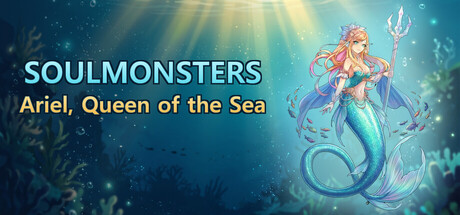
AI-assisted tools were used during development to create fixed assets that are baked into the build and the store page:
- Pixel-art sprites for the sea creatures, the guardians, battle effects and Ariel
- Store page art (capsules, library images, logo)
- Drafts of some in-game text and the EN / RU / JA localization, reviewed by the developer
Game design, code, level layouts and music are human-authored. All music and sound effects are generated procedurally by the game's own code at runtime - there are no audio files and no AI model is involved.
No AI model runs while the game is playing. The build is fully offline.
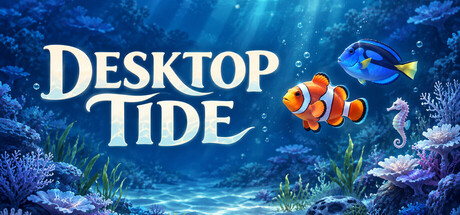
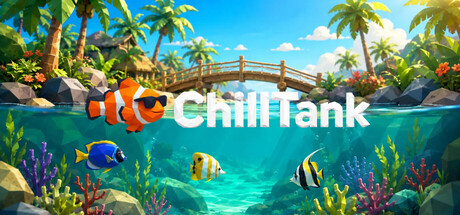
Generative AI was used to assist in creating artwork for marine creatures, plants, decorations, underwater environments, and Steam store and marketing images, as well as portions of descriptive text. This content is pre-generated and included as fixed assets or text. The game does not generate content during play and does not connect to external AI services.
Generative AI tools were used during development to assist with the creation of some visual assets, promotional artwork, and selected localization or text drafts. All AI-assisted content was reviewed by the developer and, where needed, edited before being included in the game or its Steam store materials.
The game does not generate AI content during gameplay and does not connect to external AI services.
Some of this game's art and audio were made with generative AI tools and then edited and modified by the developer. All of it is pre-generated during development. No AI runs live during gameplay. The game's code, design and writing are authored by the developer.
Generative AI was used as a design assistant for the title logo. The generated layout was reviewed, edited, and incorporated by the developer. No content is generated during gameplay.
Generative AI tools were used during development to assist with portions of the game's 2D artwork, UI illustrations, audio, and text/localization. All AI-assisted content was reviewed, selected, edited, and integrated by the developer. The game does not generate AI content during gameplay and does not connect to external AI services.
All game content was created using generative AI, including visuals, 3D models, textures, music, sound effects, and text. Generative AI was also used to create the store descriptions and marketing materials.
The game does not generate AI content during play or connect to external AI services.
Generative AI assisted with programming. The game artwork, music, and sound effects were human made. The game does not generate AI content during gameplay or connect to an AI service.
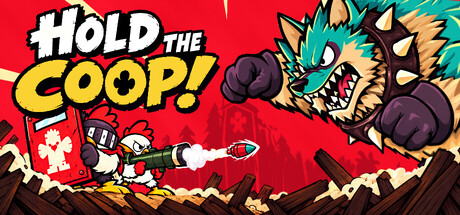
We used AI tools to speed up parts of our creative workflow, including artwork, music, text, and translations. Our creative vision guided the process, and we selected and refined the visuals to match Hold the Coop!’s cartoon style.
The music for this game has been created with AI through serious prompting and critical listening.
Want to donate your own electric swing music to this game? Contact us on Discord :)
This game contains content created with the assistance of AI tools. AI was used during development to assist with programming, visual assets, and other creative elements. All generated content was reviewed, edited, and integrated by the dev.
FishyFox includes pre-generated visual assets created with the assistance of generative AI tools. These assets were selected, edited, refined, composited, and integrated by the developer. No content is generated by AI while the game is running.
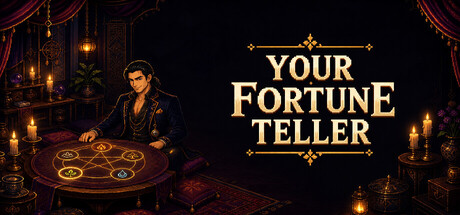
A local AI model writes personalized saju (Four Pillars) and compatibility readings from your birth details and selected topics. AI-assisted artwork and localized text are also used in the product and its store materials.
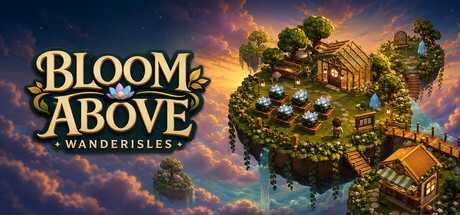
Generative AI was used during development to create interface illustrations, assist with procedural artwork and in-game text, and produce store and library artwork. This includes botanical interface frames, coin and wallet illustrations, and elements of the floating-island world. The game does not generate AI content during play or connect to an external AI service.
Some of the artwork in this game was created using generative AI. The illustrated
backgrounds, character portraits and achievement icons were generated with Google
Gemini and then edited, cropped and colour-matched by hand for use in the game.
Everything else is hand-made: the code, the market simulation, all writing and
dialogue, the interface, and the sound.
We use generative AI across all disciplines of game development most often with heavy amounts of human editing. That involves audio and visual art, our logo, and localization. We use it as a productivity tool so we can achieve a higher level of quality, faster, than we would have been able to.
Some visual assets, including 3D objects and example artwork, sound effects, and music were created with generative AI during development. Promotional videos also use AI-generated narration. These assets are prepared in advance. The current game does not use generative AI to create content during gameplay.
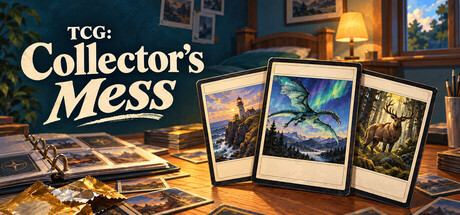
Trading-card illustrations and promotional artwork were created with generative AI. Trailer music and sound effects were also generated with AI. All assets are pre-generated; no AI content is generated during gameplay, and the game does not connect to an AI service.
I am a solo developer leveraging AI to improve my efficiency while moonlighting this project. Hence, many temporary AI-generated assets make their way into the game but I hope to replace over 90% of those with handcrafted assets over time.
All fish models are fully human made in blender.
Generative AI tools were used during development to create logic and some visual assets. These assets are included with the game as pre-generated content.
The game does not use live generative AI during gameplay. Fish breeding combines existing parent textures locally through procedural image processing; it does not use an AI model or an external AI service.
Pre-generated content only. The game contains no runtime AI and makes no
network calls.
AI tools were used during development for:
- 3D character model: generated with Meshy, then adjusted and integrated
by the developer.
- In-game illustrations: 17 tutorial cutscene images.
- In-game text: quest titles and descriptions, character dialogue, tutorial
explanations and UI status text. Drafted with an AI assistant, then
reviewed and edited by the developer.
- 16x16 pixel icons: generated procedurally from code.
- Store page description and its English translation.
Not AI generated: the room and environment art is a purchased Unity Asset
Store package.
Some of the images on our store page were created by artificial intelligence and edits were made on the images. and some images in the game were made by artificial intelligence.
Some visual and audio assets were created with generative AI tools and then reviewed and edited by the developer: the city background scenes, the store trailers (including the animated cinematic and its character), the music tracks and ambient loops, and store/marketing images such as capsules and the icon. All gameplay, game design, code, UI, and text were written by the developer. No AI-generated content is created at runtime.
Visual assets and translations were created with the assistance of generative AI tools.
All assets and translations were reviewed, edited, and incorporated by the developer to align with the game’s established art direction.
Hexcavate uses AI-assisted tools in parts of its development: some UI icons and Images were made with AI image generation. All of it was reviewed and edited by the developer. 2D art, level design, game design and codes are human made or licensed. No content is generated by AI while the game runs.
Some of this game's content was created with generative AI and then reworked and adjusted by hand by the developer. This applies in particular to code, the 3D models and textures, and the music and sound effects. Animations, game rules, simulation, balance and the structure of the game come entirely from the developer.
Pie Paw includes pre-generated, AI-assisted artwork used in the game and on the Steam store page. All such content is created before release, then reviewed, selected, and edited by the development team. The game does not use generative AI during gameplay and does not connect to external AI services.
This game was created with the assistance of AI tools in several areas of development.
Music: The songs were written and originally recorded by me, with AI tools used for additional processing and production.
Artwork: The visual concepts and creative direction were created by me, while AI tools were used to generate and develop some of the final artwork based on my concepts.
Programming: AI-assisted tools were used during development to help with coding and implementation.
All AI-assisted content was reviewed, selected, and integrated by me as part of the game's creative and development process.
Generative AI tools were used during development to assist with the creation and iteration of certain visual assets, artwork, and promotional/store materials for Magic Cursor. AI tools were also used as development assistance for portions of the code. All final content was reviewed, selected, edited where necessary, and integrated by the developer. No AI-generated content is created while the application is running.
Generative AI was used to create base images for some visual assets. These images were subsequently selected, edited, refined, and integrated into the game and store materials by the developer. The game does not use generative AI at runtime.
During the development process, we may use procedural- and AI-based tools to assist with content creation. In all such cases, the final product reflects the creativity and expression of our own development team.
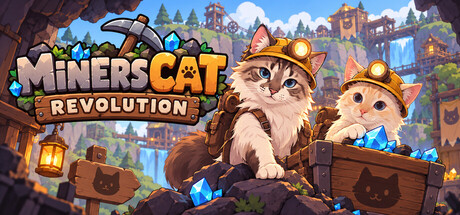
The pixel art in Miners Cat Revolution: the cats, the icons and the store art was generated with AI and then edited and assembled by hand. The translations into the nine languages other than Spanish were AI-assisted and reviewed afterwards.
Everything else is human-made: the code, the game design, the balance and the original Spanish text are written by one person.
Nothing is generated while you play. All of it ships with the game, finished and fixed.
The store and library capsule images and the logo were created with AI image generation tools and edited by hand; AI also assisted with the store description and the in-game translations. The game itself contains no AI-generated content and generates nothing while you play. All screenshots and trailer footage come from the actual game.
AI-assisted tools were used during development to create fixed assets that are baked into the build and the store page:
- Pixel-art sprites for the sea creatures, the guardians, battle effects and Ariel
- Store page art (capsules, library images, logo)
- Drafts of some in-game text and the EN / RU / JA localization, reviewed by the developer
Game design, code, level layouts and music are human-authored. All music and sound effects are generated procedurally by the game's own code at runtime - there are no audio files and no AI model is involved.
No AI model runs while the game is playing. The build is fully offline.
Generative AI was used to assist in creating artwork for marine creatures, plants, decorations, underwater environments, and Steam store and marketing images, as well as portions of descriptive text. This content is pre-generated and included as fixed assets or text. The game does not generate content during play and does not connect to external AI services.
Generative AI tools were used during development to assist with the creation of some visual assets, promotional artwork, and selected localization or text drafts. All AI-assisted content was reviewed by the developer and, where needed, edited before being included in the game or its Steam store materials.
The game does not generate AI content during gameplay and does not connect to external AI services.
Some of this game's art and audio were made with generative AI tools and then edited and modified by the developer. All of it is pre-generated during development. No AI runs live during gameplay. The game's code, design and writing are authored by the developer.
Generative AI was used as a design assistant for the title logo. The generated layout was reviewed, edited, and incorporated by the developer. No content is generated during gameplay.
Generative AI tools were used during development to assist with portions of the game's 2D artwork, UI illustrations, audio, and text/localization. All AI-assisted content was reviewed, selected, edited, and integrated by the developer. The game does not generate AI content during gameplay and does not connect to external AI services.
All game content was created using generative AI, including visuals, 3D models, textures, music, sound effects, and text. Generative AI was also used to create the store descriptions and marketing materials.
The game does not generate AI content during play or connect to external AI services.
Generative AI assisted with programming. The game artwork, music, and sound effects were human made. The game does not generate AI content during gameplay or connect to an AI service.
We used AI tools to speed up parts of our creative workflow, including artwork, music, text, and translations. Our creative vision guided the process, and we selected and refined the visuals to match Hold the Coop!’s cartoon style.
The music for this game has been created with AI through serious prompting and critical listening.
Want to donate your own electric swing music to this game? Contact us on Discord :)
This game contains content created with the assistance of AI tools. AI was used during development to assist with programming, visual assets, and other creative elements. All generated content was reviewed, edited, and integrated by the dev.
FishyFox includes pre-generated visual assets created with the assistance of generative AI tools. These assets were selected, edited, refined, composited, and integrated by the developer. No content is generated by AI while the game is running.
A local AI model writes personalized saju (Four Pillars) and compatibility readings from your birth details and selected topics. AI-assisted artwork and localized text are also used in the product and its store materials.
Generative AI was used during development to create interface illustrations, assist with procedural artwork and in-game text, and produce store and library artwork. This includes botanical interface frames, coin and wallet illustrations, and elements of the floating-island world. The game does not generate AI content during play or connect to an external AI service.
Some of the artwork in this game was created using generative AI. The illustrated
backgrounds, character portraits and achievement icons were generated with Google
Gemini and then edited, cropped and colour-matched by hand for use in the game.
Everything else is hand-made: the code, the market simulation, all writing and
dialogue, the interface, and the sound.
We use generative AI across all disciplines of game development most often with heavy amounts of human editing. That involves audio and visual art, our logo, and localization. We use it as a productivity tool so we can achieve a higher level of quality, faster, than we would have been able to.
Some visual assets, including 3D objects and example artwork, sound effects, and music were created with generative AI during development. Promotional videos also use AI-generated narration. These assets are prepared in advance. The current game does not use generative AI to create content during gameplay.
Trading-card illustrations and promotional artwork were created with generative AI. Trailer music and sound effects were also generated with AI. All assets are pre-generated; no AI content is generated during gameplay, and the game does not connect to an AI service.
I am a solo developer leveraging AI to improve my efficiency while moonlighting this project. Hence, many temporary AI-generated assets make their way into the game but I hope to replace over 90% of those with handcrafted assets over time.
All fish models are fully human made in blender.
Generative AI tools were used during development to create logic and some visual assets. These assets are included with the game as pre-generated content.
The game does not use live generative AI during gameplay. Fish breeding combines existing parent textures locally through procedural image processing; it does not use an AI model or an external AI service.
Pre-generated content only. The game contains no runtime AI and makes no
network calls.
AI tools were used during development for:
- 3D character model: generated with Meshy, then adjusted and integrated
by the developer.
- In-game illustrations: 17 tutorial cutscene images.
- In-game text: quest titles and descriptions, character dialogue, tutorial
explanations and UI status text. Drafted with an AI assistant, then
reviewed and edited by the developer.
- 16x16 pixel icons: generated procedurally from code.
- Store page description and its English translation.
Not AI generated: the room and environment art is a purchased Unity Asset
Store package.
Some of the images on our store page were created by artificial intelligence and edits were made on the images. and some images in the game were made by artificial intelligence.
Some visual and audio assets were created with generative AI tools and then reviewed and edited by the developer: the city background scenes, the store trailers (including the animated cinematic and its character), the music tracks and ambient loops, and store/marketing images such as capsules and the icon. All gameplay, game design, code, UI, and text were written by the developer. No AI-generated content is created at runtime.
Visual assets and translations were created with the assistance of generative AI tools.
All assets and translations were reviewed, edited, and incorporated by the developer to align with the game’s established art direction.
Hexcavate uses AI-assisted tools in parts of its development: some UI icons and Images were made with AI image generation. All of it was reviewed and edited by the developer. 2D art, level design, game design and codes are human made or licensed. No content is generated by AI while the game runs.
Some of this game's content was created with generative AI and then reworked and adjusted by hand by the developer. This applies in particular to code, the 3D models and textures, and the music and sound effects. Animations, game rules, simulation, balance and the structure of the game come entirely from the developer.
Pie Paw includes pre-generated, AI-assisted artwork used in the game and on the Steam store page. All such content is created before release, then reviewed, selected, and edited by the development team. The game does not use generative AI during gameplay and does not connect to external AI services.
This game was created with the assistance of AI tools in several areas of development.
Music: The songs were written and originally recorded by me, with AI tools used for additional processing and production.
Artwork: The visual concepts and creative direction were created by me, while AI tools were used to generate and develop some of the final artwork based on my concepts.
Programming: AI-assisted tools were used during development to help with coding and implementation.
All AI-assisted content was reviewed, selected, and integrated by me as part of the game's creative and development process.
Generative AI tools were used during development to assist with the creation and iteration of certain visual assets, artwork, and promotional/store materials for Magic Cursor. AI tools were also used as development assistance for portions of the code. All final content was reviewed, selected, edited where necessary, and integrated by the developer. No AI-generated content is created while the application is running.
Generative AI was used to create base images for some visual assets. These images were subsequently selected, edited, refined, and integrated into the game and store materials by the developer. The game does not use generative AI at runtime.
During the development process, we may use procedural- and AI-based tools to assist with content creation. In all such cases, the final product reflects the creativity and expression of our own development team.
The pixel art in Miners Cat Revolution: the cats, the icons and the store art was generated with AI and then edited and assembled by hand. The translations into the nine languages other than Spanish were AI-assisted and reviewed afterwards.
Everything else is human-made: the code, the game design, the balance and the original Spanish text are written by one person.
Nothing is generated while you play. All of it ships with the game, finished and fixed.
The store and library capsule images and the logo were created with AI image generation tools and edited by hand; AI also assisted with the store description and the in-game translations. The game itself contains no AI-generated content and generates nothing while you play. All screenshots and trailer footage come from the actual game.