Public Steam disclosure research25,380 disclosures tracked
Where do games disclose AI use?
Search developers’ Steam disclosures, compare classified AI use across
games, and follow recorded changes.
This index adds cross-game classifications and statistics to
statements published on individual store pages.
Groups reflect automatic analysis of public disclosures; mature records are excluded. These counts do not measure AI use across all of Steam.
Missing or unclear statements cannot establish whether a game uses AI.
As a solo developer, I made use of AI for generation of models and music to act as base components. These typically went through much manual editing afterwards.
Some AI was used for testing & improvements to code in some areas
Cover art, store page imagery and music were created with AI generation tools. All game design, writing and gameplay systems were created by the developer.
AI was utilized as a supplementary tool for the creation of some art and promotional imagery. The core game experience is entirely hand-crafted using the Godot engine with original and licensed assets. All AI-generated marketing materials underwent human curation and post-processing to ensure visual consistency with the actual gameplay and compliance with platform guidelines.
I use generative AI as a tool during development:
• Some 3D models (characters, creatures and props) were created with AI generation tools, then edited, rigged and animated by hand for use in the game.
• Some sound effects were generated with AI audio tools, then edited and mixed by hand.
• Some store page and marketing artwork was created with AI image generation.
Everything produced this way is reviewed and reworked by me before it ships. The game generates no content while you play and connects to no AI service at runtime.
Some of MORTAROT's visual assets were created with the assistance of generative AI image tools and then edited, composited, and refined by hand by the artist. Some interface text and the English localization were drafted with AI assistance and reviewed by the team. AI coding assistants were also used during development. All AI-generated content has been reviewed to ensure that it does not contain infringing or illegal material.
Generative AI tools were used to assist in creating certain pre-rendered 2D assets, including achievement icons. These assets are static, were manually reviewed and edited before inclusion, and do not involve any live generation during gameplay. The game does not send player information to generative AI services.
The character voices in this game were generated using artificial intelligence (AI). No character visuals, animations, or other game assets were generated using AI.
All voices are Ai generated along with the soundtracks. They are however created under strict instructions and hours of testing to get them right. Ai assisted in creating models/props.
This game contains pre-generated AI content in its visual assets. The following were created with AI image generation
tools during development:
• Character portraits and background art: Midjourney niji7
• CG cutscene images: Kling AI
• Top-down pixel art sprites: ComfyUI (Stable Diffusion XL)
• Store page capsule images: Midjourney niji7
All AI-generated assets have been commercially licensed, manually reviewed, and post-processed by the development
team. All narrative, dialogue, and game design were written entirely by humans. No AI content is generated during
gameplay.
AI was used during development to help produce the game's code and visual art, including item icons. All AI-assisted work is reviewed, refined, and finalized by the developer. No content is generated by AI while the game is running.
Some sound effects in this game were created with the help of generative AI tools, and edited by hand afterwards. All other assets — art, models, animation and design — were made or licensed by the developer without generative AI.
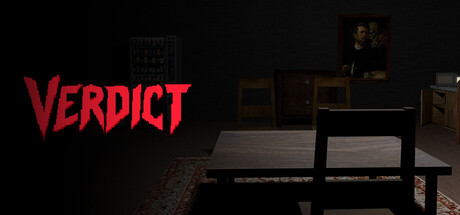
This game utilizes adaptive AI technology during gameplay to power the police interrogator's responses. Player input is evaluated live to generate dynamic, context-aware dialogue and push the interrogation forward.
Background Art — AI generation tools were used for some of the background images. Not all backgrounds were created with AI; hand-made backgrounds are also used. AI-assisted images were further processed to match the game's pixel art style.
Music — The music in this game was created using AI generation tools.
Generative AI has been used to assist in the creation of certain promotional artwork and visual assets. AI tools have also been used during development to assist with programming, documentation, and iteration. All generated content has been reviewed, integrated, and validated by the developer before being included in the final product.
Some assets in Dreamfend were created using generative AI tools. This applies to the music and to some of the visual assets. All such content is reviewed and refined by hand to match the game's style and the author's intent. No content is generated during gameplay.
This game contains game assets created with machine learning technology and refined through human review and editing. Developed by Hayden-Fisher Technologies, Inc. (an independently owned tech consulting and engineering corporation).
Generative AI tools were used during development to assist with the creation of some 2D graphical assets and illustrations used in the game. These assets were reviewed and edited by the developer before being included in the final game. The game does not use generative AI to create content during gameplay.
AI was only used to generate minimal resources to support unit design and partial localization.
All AI-assisted content has been reviewed, and the final assets were manually drawn to fit the game's artistic style and atmosphere.
Generative AI tools were used during development to assist with portions of the programming, user interface and text presentation implementation, as well as initial drafts of some localizations. The game’s setting, narrative text, visual design, and all final content were created and determined by the developer. No generative image models were used, and the game does not connect to or invoke any generative AI services at runtime. It contains no live-generated content.
As a small indie studio, we set out to bring as many of our ideas to life as possible and deliver a deep gaming experience. To turn these ambitions into reality, we utilized AI as an assistant tool. Neural networks helped us write code, create some of the art, and voice the characters. However, the entire creative concept, the design of the interactive diary, the shadow theater sequence, and the overall atmosphere of the project are completely the result of our human imagination and direction.
Source code and store page copy were written with AI assistance (Claude), reviewed and edited by the developer before shipping. No AI-generated artwork, music, voice or narrative content ships in this game. All in-game visuals are hand-written shaders and code-drawn geometry; sound effects are procedurally synthesised by a deterministic script; music is licensed from a human artist; fonts are licensed typefaces. No generative AI runs at runtime.
Generative AI was used to create in-game CCTV camera footage images and English voiceovers.
All AI-generated assets have been reviewed and edited to fit the game's atmosphere and quality standards.
Generative AI tools were used during the development process for pre-generated image assets, specifically for refining, upscaling, and enhancing original artwork created by the developer. No real-time AI generation is used in the game.
Generative AI tools were used in the development of this game. Image-generation AI was used to create the store artwork (key art and capsule images) and some in-game art assets (character illustrations, backgrounds, etc.), with all final selection, editing, and finishing done by the developers. AI assistants were also used to help write portions of the game's code. No content is generated by AI in real time while the game is running.
Some of the visual material for this game was created with the help of generative AI tools. Specifically, the opening cinematic and several of the promotional images on this store page were produced using AI-assisted image generation, followed by manual editing, compositing and art direction by our team. All gameplay, code, design and audio were created without generative AI.
Some pre-rendered artwork and marketing assets were created with generative AI tools and then reviewed and edited by the developer before inclusion. The game does not generate new content during gameplay.
Generative AI tools were used during development to assist in creating certain environmental textures and ambient sound effects to enhance the game's atmosphere. All generated assets were reviewed and integrated manually to fit the retro aesthetic of the game.
Generative AI was only used to assist in creating some of the inventory icons and promotional artwork, as TEMPORARY PLACEHOLDERS.
The game's environments, gameplay systems, characters, mechanics, world design, and narrative were created by the developer. No AI content is generated during gameplay.
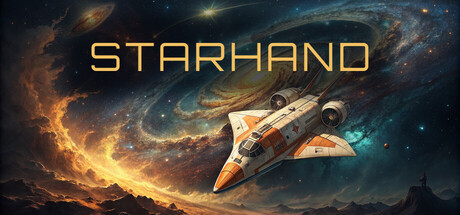
The visual art, music, sound effects, pilot voice lines and written text in Starhand were created using generative AI tools — Recraft for illustration, Suno for music, and ElevenLabs for voice and sound effects — and were then selected, edited and assembled by the developer. All of it is generated ahead of time and ships as fixed assets: the game does not generate any content while you play, and it does not connect to any AI service at runtime.
Generative AI tools were used during development to create and refine the promotional capsule art, library graphics, and marketing assets for the store page. The game itself does not contain or generate any AI content during gameplay.
This game uses generative AI in a limited way. Some in-game and store-page text was drafted, edited, or partially translated with the help of an AI model, then reviewed, adapted, and finalized by the developer. None of the game's art, sprites, animation, music or sound is AI-generated.
This game used generative artificial intelligence to assist in creating certain content, including: concept designs for the opening comic and concept art for some UI elements. All AI-assisted content has been reviewed, edited, and remade manually. The game does not generate real-time AI content during runtime.
As a solo developer, I made use of AI for generation of models and music to act as base components. These typically went through much manual editing afterwards.
Some AI was used for testing & improvements to code in some areas
Cover art, store page imagery and music were created with AI generation tools. All game design, writing and gameplay systems were created by the developer.
AI was utilized as a supplementary tool for the creation of some art and promotional imagery. The core game experience is entirely hand-crafted using the Godot engine with original and licensed assets. All AI-generated marketing materials underwent human curation and post-processing to ensure visual consistency with the actual gameplay and compliance with platform guidelines.
I use generative AI as a tool during development:
• Some 3D models (characters, creatures and props) were created with AI generation tools, then edited, rigged and animated by hand for use in the game.
• Some sound effects were generated with AI audio tools, then edited and mixed by hand.
• Some store page and marketing artwork was created with AI image generation.
Everything produced this way is reviewed and reworked by me before it ships. The game generates no content while you play and connects to no AI service at runtime.
Some of MORTAROT's visual assets were created with the assistance of generative AI image tools and then edited, composited, and refined by hand by the artist. Some interface text and the English localization were drafted with AI assistance and reviewed by the team. AI coding assistants were also used during development. All AI-generated content has been reviewed to ensure that it does not contain infringing or illegal material.
Generative AI tools were used to assist in creating certain pre-rendered 2D assets, including achievement icons. These assets are static, were manually reviewed and edited before inclusion, and do not involve any live generation during gameplay. The game does not send player information to generative AI services.
The character voices in this game were generated using artificial intelligence (AI). No character visuals, animations, or other game assets were generated using AI.
All voices are Ai generated along with the soundtracks. They are however created under strict instructions and hours of testing to get them right. Ai assisted in creating models/props.
This game contains pre-generated AI content in its visual assets. The following were created with AI image generation
tools during development:
• Character portraits and background art: Midjourney niji7
• CG cutscene images: Kling AI
• Top-down pixel art sprites: ComfyUI (Stable Diffusion XL)
• Store page capsule images: Midjourney niji7
All AI-generated assets have been commercially licensed, manually reviewed, and post-processed by the development
team. All narrative, dialogue, and game design were written entirely by humans. No AI content is generated during
gameplay.
AI was used during development to help produce the game's code and visual art, including item icons. All AI-assisted work is reviewed, refined, and finalized by the developer. No content is generated by AI while the game is running.
Some sound effects in this game were created with the help of generative AI tools, and edited by hand afterwards. All other assets — art, models, animation and design — were made or licensed by the developer without generative AI.
This game utilizes adaptive AI technology during gameplay to power the police interrogator's responses. Player input is evaluated live to generate dynamic, context-aware dialogue and push the interrogation forward.
Background Art — AI generation tools were used for some of the background images. Not all backgrounds were created with AI; hand-made backgrounds are also used. AI-assisted images were further processed to match the game's pixel art style.
Music — The music in this game was created using AI generation tools.
Generative AI has been used to assist in the creation of certain promotional artwork and visual assets. AI tools have also been used during development to assist with programming, documentation, and iteration. All generated content has been reviewed, integrated, and validated by the developer before being included in the final product.
Some assets in Dreamfend were created using generative AI tools. This applies to the music and to some of the visual assets. All such content is reviewed and refined by hand to match the game's style and the author's intent. No content is generated during gameplay.
This game contains game assets created with machine learning technology and refined through human review and editing. Developed by Hayden-Fisher Technologies, Inc. (an independently owned tech consulting and engineering corporation).
Generative AI tools were used during development to assist with the creation of some 2D graphical assets and illustrations used in the game. These assets were reviewed and edited by the developer before being included in the final game. The game does not use generative AI to create content during gameplay.
AI was only used to generate minimal resources to support unit design and partial localization.
All AI-assisted content has been reviewed, and the final assets were manually drawn to fit the game's artistic style and atmosphere.
Generative AI tools were used during development to assist with portions of the programming, user interface and text presentation implementation, as well as initial drafts of some localizations. The game’s setting, narrative text, visual design, and all final content were created and determined by the developer. No generative image models were used, and the game does not connect to or invoke any generative AI services at runtime. It contains no live-generated content.
As a small indie studio, we set out to bring as many of our ideas to life as possible and deliver a deep gaming experience. To turn these ambitions into reality, we utilized AI as an assistant tool. Neural networks helped us write code, create some of the art, and voice the characters. However, the entire creative concept, the design of the interactive diary, the shadow theater sequence, and the overall atmosphere of the project are completely the result of our human imagination and direction.
Source code and store page copy were written with AI assistance (Claude), reviewed and edited by the developer before shipping. No AI-generated artwork, music, voice or narrative content ships in this game. All in-game visuals are hand-written shaders and code-drawn geometry; sound effects are procedurally synthesised by a deterministic script; music is licensed from a human artist; fonts are licensed typefaces. No generative AI runs at runtime.
Generative AI was used to create in-game CCTV camera footage images and English voiceovers.
All AI-generated assets have been reviewed and edited to fit the game's atmosphere and quality standards.
Generative AI tools were used during the development process for pre-generated image assets, specifically for refining, upscaling, and enhancing original artwork created by the developer. No real-time AI generation is used in the game.
Generative AI tools were used in the development of this game. Image-generation AI was used to create the store artwork (key art and capsule images) and some in-game art assets (character illustrations, backgrounds, etc.), with all final selection, editing, and finishing done by the developers. AI assistants were also used to help write portions of the game's code. No content is generated by AI in real time while the game is running.
Some of the visual material for this game was created with the help of generative AI tools. Specifically, the opening cinematic and several of the promotional images on this store page were produced using AI-assisted image generation, followed by manual editing, compositing and art direction by our team. All gameplay, code, design and audio were created without generative AI.
Some pre-rendered artwork and marketing assets were created with generative AI tools and then reviewed and edited by the developer before inclusion. The game does not generate new content during gameplay.
Generative AI tools were used during development to assist in creating certain environmental textures and ambient sound effects to enhance the game's atmosphere. All generated assets were reviewed and integrated manually to fit the retro aesthetic of the game.
Generative AI was only used to assist in creating some of the inventory icons and promotional artwork, as TEMPORARY PLACEHOLDERS.
The game's environments, gameplay systems, characters, mechanics, world design, and narrative were created by the developer. No AI content is generated during gameplay.
The visual art, music, sound effects, pilot voice lines and written text in Starhand were created using generative AI tools — Recraft for illustration, Suno for music, and ElevenLabs for voice and sound effects — and were then selected, edited and assembled by the developer. All of it is generated ahead of time and ships as fixed assets: the game does not generate any content while you play, and it does not connect to any AI service at runtime.
Generative AI tools were used during development to create and refine the promotional capsule art, library graphics, and marketing assets for the store page. The game itself does not contain or generate any AI content during gameplay.
This game uses generative AI in a limited way. Some in-game and store-page text was drafted, edited, or partially translated with the help of an AI model, then reviewed, adapted, and finalized by the developer. None of the game's art, sprites, animation, music or sound is AI-generated.
This game used generative artificial intelligence to assist in creating certain content, including: concept designs for the opening comic and concept art for some UI elements. All AI-assisted content has been reviewed, edited, and remade manually. The game does not generate real-time AI content during runtime.