Public Steam disclosure research25,380 disclosures tracked
Where do games disclose AI use?
Search developers’ Steam disclosures, compare classified AI use across
games, and follow recorded changes.
This index adds cross-game classifications and statistics to
statements published on individual store pages.
Groups reflect automatic analysis of public disclosures; mature records are excluded. These counts do not measure AI use across all of Steam.
Missing or unclear statements cannot establish whether a game uses AI.
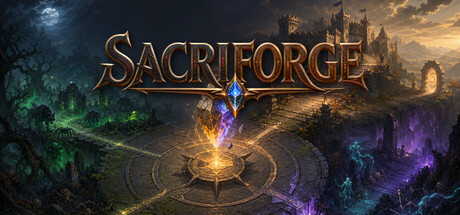
Some of the content in SacriForge was created with the help of generative AI tools during development, including 2D art and illustrations, music, sound effects, and text. All AI-assisted content was reviewed and edited by the developer.
The entirety of the game from the code to the art to the music WAS GENERATED WITH AI. This is not a disguise, I do not know how to build an entire game from scratch by myself. The story, characters, and concept art was created entirely by me and partly with my best friend Xavier, but everything in game is made using AI.
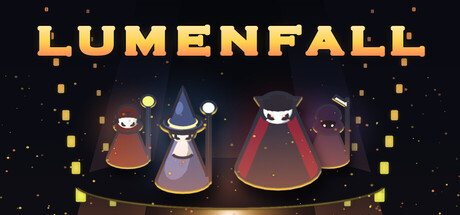
Lumenfall is built by a small studio using AI-assisted development tools. Some pre-generated content — including portions of the game's code, the store page text, and the 2D promotional/capsule artwork and achievement icons — was created with the help of AI tools, always under human direction and review. The game does not generate any content with AI at runtime; everything you play is fixed, hand-tuned content.
Some graffiti textures were created using AI, entirely based on our own original game/licensed assets. No copyrighted or third-party materials were used in the process. All AI-generated textures have been manually reviewed, repainted, and edited.
Some artwork, music, text, and translations in this game were initially created with the assistance of AI tools, and were then manually edited, revised, or recreated by the developer.
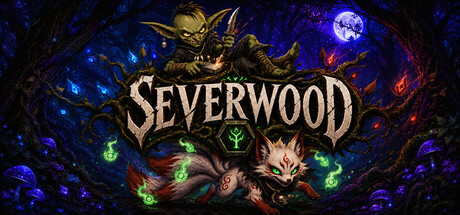
Severwood uses generative AI as part of its development. Many visual assets — including character art, backgrounds, and card illustrations — were created with the assistance of AI image-generation tools, then selected, edited, and assembled by the developer to fit the game's art direction. Some code was written with AI assistance, directed and reviewed by the developer. Game design, writing, planning, and systems are created and directed by the human developer. No AI-generated content is produced live during gameplay; all assets are fixed and were finalized during development.
1. Some character art utilizes hand-drawn original sketches and designs, with AI used for coloring and lighting effects.
2. Background illustrations are AI-generated and then manually refined.
3. The script is AI-generated, with manual editing and content additions.
4. For languages other than Traditional Chinese, AI translation is used, followed by manual proofreading of terminology and content.
Some of the game's 3D models (characters, monsters, and items) were created using the generative AI tool. Some in-game text translations were produced with AI assistance. All of this content was pre-generated during development, and we hold the appropriate rights to use it in the game.
This game uses generative AI for the translation of in-game text.
AI-generated translations are reviewed using translation services and human editing, and are revised or expanded as needed.
Generative AI is also used as a production aid for some UI images. Generated materials are manually edited and adjusted by humans.
Generative AI is not used to generate content while the game is running.
The in-game music and soundtrack are created using Suno (generative AI). All visual art is produced procedurally through code. Development used an AI coding assistant (Claude), which is a development-efficiency tool; it does not generate any content live at runtime. No generative AI runs during gameplay.
The background music was created with Suno and the intro narration with ElevenLabs. This content was generated during development, reviewed by the developer, and baked into the build. All sound effects are synthesized in code at runtime and all art is generated procedurally in code — neither is AI.
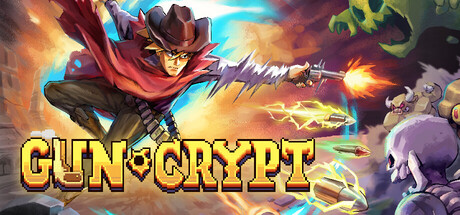
AI tools were used to assist with localization for some of the supported languages in Guncrypt. Many translations were reviewed by native speakers at Halfbrick, although not every supported language received a full review.
If you notice anything that seems incorrect in your language, please let us know. We’d appreciate your help improving it.
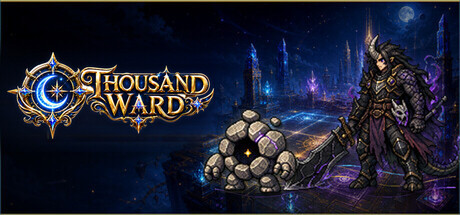
Thousand Ward uses generative AI as part of the development pipeline to help create and refine some visual assets, including promotional artwork, background illustrations, event imagery, and supporting art concepts. Gameplay systems, balance, progression, and player-facing game design are authored and reviewed by the development team.
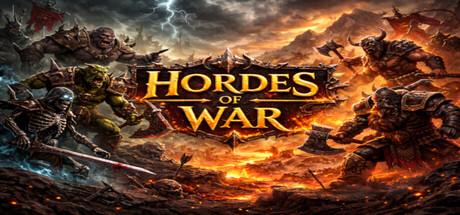
Some visual assets used during the development of **Hordes of War** were created or enhanced with the assistance of generative artificial intelligence. These assets include certain promotional artwork, concept art, and placeholder images used during development.
All gameplay systems, game design, world-building, maps, mechanics, balance, programming, and the final implementation of in-game content have been created, reviewed, and curated by the development team. Any AI-assisted content is carefully edited and integrated to ensure it meets the artistic style and quality standards of the game.
Generative AI was used to assist in creating certain visual assets and concept art. All AI-generated content was reviewed, edited, and integrated by the developer into the final game.
"Generative AI tools were utilized during the pre-production and development phases to assist in creating certain 2D visual assets and concept art. These assets were pre-generated, reviewed, and integrated into the game files prior to launch. No AI content is generated dynamically or in real-time by the game software itself. All final assets have been checked to ensure they adhere to proper copyright regulations."
This game uses AI-generated images, created with Stable Diffusion and similar tools, for card artwork, character portraits, backgrounds, and animated card videos. All AI-generated assets were reviewed and edited by the developer. No AI generates content during gameplay.
AI-assisted tools were used during visual exploration and iteration for some marketing materials, select visual drafts and music. Final design, creative direction, editing, asset selection, and implementation were handled by the developer.
During the development of Crossfall, generative AI is used as an auxiliary tool for creating game content. The following materials have been created or prepared with its help:
Images. Some of the game’s visual content has been created using generative AI, including character images, as well as some sprites and icons. Other parts of the artwork were made manually.
Text. AI helps me prepare some of the text content, including drafts of item names and descriptions, text for certain in-game events, as well as translation and localization of texts into other languages.
Music. The game’s musical soundtrack was created using generative AI.
All content generated with the help of AI is reviewed, selected, and, if necessary, refined by me before being added to the game.
The game itself does not use generative AI during gameplay: no content is generated in real time on the player’s side, and the game does not require an internet connection or access to any AI services.
We use claude/codex to help us translate our story to other languages. Members of the development team speak these languages:
- English
- Romanian
Outside of these languages, all story is translated with the help of AI. The narrative itself is being written by one of the developers and without the help of AI
This game has AI generated images (including the community items) and other AI made components. If you are sensitive about AI generated content please do not purchase this game.
Generative artificial intelligence has been used to create and assist with pre-rendered graphic assets included in the final product. Specifically, it was employed to generate loading screen illustrations, the cover art design (acting as a filter), and sprites for certain enemies and minor environmental elements. All content was reviewed, edited, and statically packaged prior to distribution and use in the game.
Generative AI was used during the development of this game to assist with:
- Generating static illustrations for in-game achievement icons.
- Generating placeholder sound effects to be swapped before exiting EA
Portions of the game's visual assets were created with the assistance of generative AI and subsequently reviewed, edited, and integrated by the developer. All gameplay systems, game design, programming, balancing, and final implementation were developed by the developer.
Some of the games text was drafted with the assistance of generative AI and then edited by hand by developers before inclusion.
The game's audio is procedurally synthesized in-engine (algorithmic DSP) and layered with real & recorded audio by the developers. not produced by a generative AI model.
Some of the games 3D model primitive shapes were drafted with the assistance of generative AI, but finalized by hand.
I used AI to help review code and check for any bugs. Also a few small pieces of art that will be changed/updated by release while we get artists commissioned.
This game uses generative AI tools to create some visual assets and background images. All AI-generated content has been reviewed and edited by the developer.
Localisation: The game's interface text was localised into 11 languages (French, Spanish (Latin America), Italian, German, Portuguese (Brazil), Russian, Simplified Chinese, Korean, Japanese, Polish, Turkish) with the assistance of AI tools. All original English source text was written by the developer.
Voice-over: Some in-game voice-over was created using AI voice generation, used alongside recordings from real voice artists.
Music: Two background music tracks heard on in-game radios were generated with AI tools, then filtered and edited by the developer in FL Studio.
Store art: The capsule artwork combines a hand-made logo created by a commissioned artist with an AI-generated background.
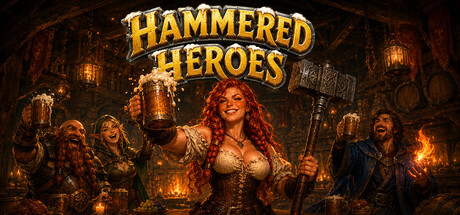
Hammered Heroes is a solo-developed game, with all design, direction, and gameplay built by one developer. Some 2D art assets (such as sprites and capsule art) were created with the help of generative AI image tools, then edited and assembled by the developer.
This game used generative AI tools as an aid in creating some of its visual assets, such as background illustrations and character/environment pixel art. All AI-generated output was reviewed, refined, and edited by the developer before being included in the game. No content is generated by AI in real time during gameplay.
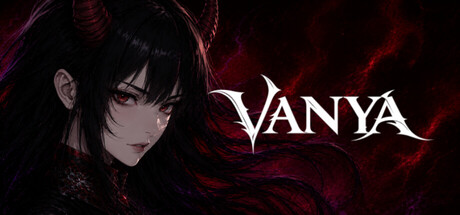
Some store page text, promotional materials, localization support, and selected visual assets may be created or assisted by generative AI tools. All AI-assisted content is reviewed and edited by Demona Vosz before publication. Vanya Online does not use generative AI to create live content during gameplay.
Deeprise is a solo-developed indie game. Generative AI was used as a tool in the creation of this game, specifically for:
- Concept art and illustrations (character portraits, enemy designs, environment backgrounds, building art, item icons, and research card art), generated with AI image tools and curated, edited, and integrated by the developer.
- Sound effects and voicelines, generated with AI audio tools using developer-written scripts and prompts.
- Capsule art and store page imagery, created by compositing AI-generated assets with developer-designed layouts.
All game design, systems, code, writing, lore, and creative direction are the developer's own work. AI was used to bring this solo project to a visual and audio polish that would otherwise be out of reach for a single developer, and every AI-generated asset was reviewed, selected, and integrated by hand.
Some visual assets in this game were created with the assistance of generative AI tools, including UI icons, skill and relic icons, character portraits and sprites, combat VFX, dungeon tile art, and menu and interface decoration. All generated images were reviewed, edited, and integrated by the development team.
Artificial intelligence (AI) was leveraged for key aspects of the game's development, including in-game logic, support systems, and certain artistic assets.
All core assets originate from the creativity of our human artists. The use of AI tools is strictly limited to assisting and refining the environmental background designs.
This game includes some AI-generated and AI-assisted content:
1. Some in-game sprites were adjusted or edited using AI tools.
2. AI was used to correct spelling and grammar in the game's text and on the store page.
3. Adjusting some of the chiptune tracks in the game to sound more musical by putting them all in key
4. Some Steam store and achievement assets were created with AI assistance, specifically generating the greyed-out (inactive) versions of the achievement icons from the colored originals, and producing the various required store image sizes from the original promotional artwork.
All AI-assisted content was manually reviewed before release.
Some of the content in SacriForge was created with the help of generative AI tools during development, including 2D art and illustrations, music, sound effects, and text. All AI-assisted content was reviewed and edited by the developer.
The entirety of the game from the code to the art to the music WAS GENERATED WITH AI. This is not a disguise, I do not know how to build an entire game from scratch by myself. The story, characters, and concept art was created entirely by me and partly with my best friend Xavier, but everything in game is made using AI.
Lumenfall is built by a small studio using AI-assisted development tools. Some pre-generated content — including portions of the game's code, the store page text, and the 2D promotional/capsule artwork and achievement icons — was created with the help of AI tools, always under human direction and review. The game does not generate any content with AI at runtime; everything you play is fixed, hand-tuned content.
Some graffiti textures were created using AI, entirely based on our own original game/licensed assets. No copyrighted or third-party materials were used in the process. All AI-generated textures have been manually reviewed, repainted, and edited.
Some artwork, music, text, and translations in this game were initially created with the assistance of AI tools, and were then manually edited, revised, or recreated by the developer.
Severwood uses generative AI as part of its development. Many visual assets — including character art, backgrounds, and card illustrations — were created with the assistance of AI image-generation tools, then selected, edited, and assembled by the developer to fit the game's art direction. Some code was written with AI assistance, directed and reviewed by the developer. Game design, writing, planning, and systems are created and directed by the human developer. No AI-generated content is produced live during gameplay; all assets are fixed and were finalized during development.
1. Some character art utilizes hand-drawn original sketches and designs, with AI used for coloring and lighting effects.
2. Background illustrations are AI-generated and then manually refined.
3. The script is AI-generated, with manual editing and content additions.
4. For languages other than Traditional Chinese, AI translation is used, followed by manual proofreading of terminology and content.
Some of the game's 3D models (characters, monsters, and items) were created using the generative AI tool. Some in-game text translations were produced with AI assistance. All of this content was pre-generated during development, and we hold the appropriate rights to use it in the game.
This game uses generative AI for the translation of in-game text.
AI-generated translations are reviewed using translation services and human editing, and are revised or expanded as needed.
Generative AI is also used as a production aid for some UI images. Generated materials are manually edited and adjusted by humans.
Generative AI is not used to generate content while the game is running.
The in-game music and soundtrack are created using Suno (generative AI). All visual art is produced procedurally through code. Development used an AI coding assistant (Claude), which is a development-efficiency tool; it does not generate any content live at runtime. No generative AI runs during gameplay.
The background music was created with Suno and the intro narration with ElevenLabs. This content was generated during development, reviewed by the developer, and baked into the build. All sound effects are synthesized in code at runtime and all art is generated procedurally in code — neither is AI.
AI tools were used to assist with localization for some of the supported languages in Guncrypt. Many translations were reviewed by native speakers at Halfbrick, although not every supported language received a full review.
If you notice anything that seems incorrect in your language, please let us know. We’d appreciate your help improving it.
Thousand Ward uses generative AI as part of the development pipeline to help create and refine some visual assets, including promotional artwork, background illustrations, event imagery, and supporting art concepts. Gameplay systems, balance, progression, and player-facing game design are authored and reviewed by the development team.
Some visual assets used during the development of **Hordes of War** were created or enhanced with the assistance of generative artificial intelligence. These assets include certain promotional artwork, concept art, and placeholder images used during development.
All gameplay systems, game design, world-building, maps, mechanics, balance, programming, and the final implementation of in-game content have been created, reviewed, and curated by the development team. Any AI-assisted content is carefully edited and integrated to ensure it meets the artistic style and quality standards of the game.
Generative AI was used to assist in creating certain visual assets and concept art. All AI-generated content was reviewed, edited, and integrated by the developer into the final game.
"Generative AI tools were utilized during the pre-production and development phases to assist in creating certain 2D visual assets and concept art. These assets were pre-generated, reviewed, and integrated into the game files prior to launch. No AI content is generated dynamically or in real-time by the game software itself. All final assets have been checked to ensure they adhere to proper copyright regulations."
This game uses AI-generated images, created with Stable Diffusion and similar tools, for card artwork, character portraits, backgrounds, and animated card videos. All AI-generated assets were reviewed and edited by the developer. No AI generates content during gameplay.
AI-assisted tools were used during visual exploration and iteration for some marketing materials, select visual drafts and music. Final design, creative direction, editing, asset selection, and implementation were handled by the developer.
During the development of Crossfall, generative AI is used as an auxiliary tool for creating game content. The following materials have been created or prepared with its help:
Images. Some of the game’s visual content has been created using generative AI, including character images, as well as some sprites and icons. Other parts of the artwork were made manually.
Text. AI helps me prepare some of the text content, including drafts of item names and descriptions, text for certain in-game events, as well as translation and localization of texts into other languages.
Music. The game’s musical soundtrack was created using generative AI.
All content generated with the help of AI is reviewed, selected, and, if necessary, refined by me before being added to the game.
The game itself does not use generative AI during gameplay: no content is generated in real time on the player’s side, and the game does not require an internet connection or access to any AI services.
We use claude/codex to help us translate our story to other languages. Members of the development team speak these languages:
- English
- Romanian
Outside of these languages, all story is translated with the help of AI. The narrative itself is being written by one of the developers and without the help of AI
This game has AI generated images (including the community items) and other AI made components. If you are sensitive about AI generated content please do not purchase this game.
Generative artificial intelligence has been used to create and assist with pre-rendered graphic assets included in the final product. Specifically, it was employed to generate loading screen illustrations, the cover art design (acting as a filter), and sprites for certain enemies and minor environmental elements. All content was reviewed, edited, and statically packaged prior to distribution and use in the game.
Generative AI was used during the development of this game to assist with:
- Generating static illustrations for in-game achievement icons.
- Generating placeholder sound effects to be swapped before exiting EA
Portions of the game's visual assets were created with the assistance of generative AI and subsequently reviewed, edited, and integrated by the developer. All gameplay systems, game design, programming, balancing, and final implementation were developed by the developer.
Some of the games text was drafted with the assistance of generative AI and then edited by hand by developers before inclusion.
The game's audio is procedurally synthesized in-engine (algorithmic DSP) and layered with real & recorded audio by the developers. not produced by a generative AI model.
Some of the games 3D model primitive shapes were drafted with the assistance of generative AI, but finalized by hand.
I used AI to help review code and check for any bugs. Also a few small pieces of art that will be changed/updated by release while we get artists commissioned.
This game uses generative AI tools to create some visual assets and background images. All AI-generated content has been reviewed and edited by the developer.
Localisation: The game's interface text was localised into 11 languages (French, Spanish (Latin America), Italian, German, Portuguese (Brazil), Russian, Simplified Chinese, Korean, Japanese, Polish, Turkish) with the assistance of AI tools. All original English source text was written by the developer.
Voice-over: Some in-game voice-over was created using AI voice generation, used alongside recordings from real voice artists.
Music: Two background music tracks heard on in-game radios were generated with AI tools, then filtered and edited by the developer in FL Studio.
Store art: The capsule artwork combines a hand-made logo created by a commissioned artist with an AI-generated background.
Hammered Heroes is a solo-developed game, with all design, direction, and gameplay built by one developer. Some 2D art assets (such as sprites and capsule art) were created with the help of generative AI image tools, then edited and assembled by the developer.
This game used generative AI tools as an aid in creating some of its visual assets, such as background illustrations and character/environment pixel art. All AI-generated output was reviewed, refined, and edited by the developer before being included in the game. No content is generated by AI in real time during gameplay.
Some store page text, promotional materials, localization support, and selected visual assets may be created or assisted by generative AI tools. All AI-assisted content is reviewed and edited by Demona Vosz before publication. Vanya Online does not use generative AI to create live content during gameplay.
Deeprise is a solo-developed indie game. Generative AI was used as a tool in the creation of this game, specifically for:
- Concept art and illustrations (character portraits, enemy designs, environment backgrounds, building art, item icons, and research card art), generated with AI image tools and curated, edited, and integrated by the developer.
- Sound effects and voicelines, generated with AI audio tools using developer-written scripts and prompts.
- Capsule art and store page imagery, created by compositing AI-generated assets with developer-designed layouts.
All game design, systems, code, writing, lore, and creative direction are the developer's own work. AI was used to bring this solo project to a visual and audio polish that would otherwise be out of reach for a single developer, and every AI-generated asset was reviewed, selected, and integrated by hand.
Some visual assets in this game were created with the assistance of generative AI tools, including UI icons, skill and relic icons, character portraits and sprites, combat VFX, dungeon tile art, and menu and interface decoration. All generated images were reviewed, edited, and integrated by the development team.
Artificial intelligence (AI) was leveraged for key aspects of the game's development, including in-game logic, support systems, and certain artistic assets.
All core assets originate from the creativity of our human artists. The use of AI tools is strictly limited to assisting and refining the environmental background designs.
This game includes some AI-generated and AI-assisted content:
1. Some in-game sprites were adjusted or edited using AI tools.
2. AI was used to correct spelling and grammar in the game's text and on the store page.
3. Adjusting some of the chiptune tracks in the game to sound more musical by putting them all in key
4. Some Steam store and achievement assets were created with AI assistance, specifically generating the greyed-out (inactive) versions of the achievement icons from the colored originals, and producing the various required store image sizes from the original promotional artwork.
All AI-assisted content was manually reviewed before release.