








Disclosure
Some textures were created with AI assistance.
- Creator
- AURORA STUDIO
- Reviews
- -
- Added
- Sep 25, 2026
Public Steam disclosure research 25,380 disclosures tracked
Search developers’ Steam disclosures, compare classified AI use across games, and follow recorded changes. This index adds cross-game classifications and statistics to statements published on individual store pages.
Code help, debugging and other development work.
Capsule art, trailers and promotional material.
Pre-made art, audio, writing and other game assets.
Interactive or runtime AI features disclosed by the developer.
Groups reflect automatic analysis of public disclosures; mature records are excluded. These counts do not measure AI use across all of Steam. Missing or unclear statements cannot establish whether a game uses AI.
Some textures were created with AI assistance.
Utkant is a solo project developed with the help of AI coding assistants. The store page text and some in-game writing were drafted with AI assistance, then reviewed and edited by the developer. Nothing is generated by AI while you play.
Generative AI was used to assist in creating some in-game content, as well as store and library artwork. AI tools also assisted with store descriptions and translations.
AI tools assisted in developing certain visual and audio elements, design references, and translations. The development team reviewed and finalized all published content.
Levels, game design, boss patterns and story are entirely hand-made in a custom level editor built by the developer. The game code is written with AI coding assistants under the developer's direction. Character and environment sprites started as AI-generated sprite sheets and were hand-retouched frame by frame. Music is created with Suno. Most sound effects are synthesized procedurally by code written with an AI coding assistant, then selected and tuned by the developer; a few come from CC0 and royalty-free libraries (Kenney, OpenGameArt, Mixkit). No AI runs at play time.
Generative AI was used during development for some cabin and promotional artwork, written text, and localization. The marine-life videos are real underwater footage from NOAA Ocean Exploration. No AI content is generated and no external AI services are connected during play.
Generative AI tools were used during development to create pre-rendered assets: creature and building artwork, icons, 3D models and parts of the store graphics. All assets were selected, edited and integrated by the developers. The game does not generate any content with AI while it is running.
Generative AI tools were used during development to help create some 3D models and textures, UI and icon artwork, character voice recordings, sound effects, promotional artwork, and store-page text. These are pre-generated assets and text.
Mesh generation, voices, music
Pre-generated content only; nothing is generated while playing. The painted room backgrounds, the doorway arches, character and creature sprites and the key art (title picture, also the basis of the store capsules) were created with a generative image model (OpenAI gpt-image-2) and then hand-composed, cropped, colour-matched and fitted with collision by the developer. Code, level design and texts were written with AI assistance (Anthropic Claude) under human direction and testing; music is synthesised by the game's own code (no AI audio). — DE: Ausschliesslich vorgenerierte Inhalte, nichts wird während des Spielens erzeugt. Die gemalten Raumhintergründe, Torbögen, Figuren- und Kreaturen-Sprites sowie die Schlüsselgrafik (Titelbild, Grundlage der Shop-Kapseln) wurden mit einem generativen Bildmodell (OpenAI gpt-image-2) erzeugt und anschliessend vom Entwickler von Hand komponiert, beschnitten, farblich abgestimmt und mit Kollision belegt. Code, Leveldesign und Texte sind mit KI-Unterstützung (Anthropic Claude) unter menschlicher Leitung und Prüfung entstanden; die Musik wird vom Spielcode selbst synthetisiert (kein KI-Audio).
We use generative AI for localization support. All AI assisted translations are reviewed and edited by human translators before being included in the game.
Generative AI was used to assist in the creation of some promotional and marketing materials (such as key art). All in-game content, gameplay, and screenshots are created without the use of generative AI.
This work is produced by a one‑person company and AI.
"All artwork and video scenes in this game were pre-generated using AI tools. The in-game content is completely fixed, and no adult content or mode-switching code/mechanics are provided."
The store artwork (key art, capsule images, logo) was created with the help of generative AI and then selected and edited by hand. AI tools assisted with programming, in-game text and translations; all content was reviewed and revised by the developer. The in-game 3D models, textures and animations come from licensed asset packs and are not AI-generated. No content is generated by AI during gameplay.
Pre-generated content only. The game contains no live or runtime AI generation and makes no network connection. Visual art: the pixel art in this game — sprites, backgrounds, key art, banners and icons — was produced with the assistance of generative AI image tools and then edited, composited, recoloured and assembled by hand for use in the game. Written content and store text: the encounter text and the store description were written with AI assistance and edited by the developer. Everything shipped was reviewed by a human before it went in. No content is generated while the game is running.
The game includes pre-generated content created with the help of generative AI, including some character voice lines and sound effects.
Sunday Pilot contains no AI-generated art, music, voice or in-game text. Every visual in the game is rendered in real time from geometry and materials authored by hand in code — there are no image assets. Every sound is synthesized by the game while you play, from a physical model of the engine; no audio files ship with the game. All car data and track layouts are hand-authored. The store page capsule art and screenshots are rendered by the game itself, using the same renderer that draws the game — they are not concept art, not painted, and not AI-generated. The game description and other store page text were written with the assistance of an AI writing assistant, and portions of the game's source code were written with the assistance of an AI coding assistant. All of it was reviewed and edited by the developer. The game does not use generative AI at runtime. Nothing is generated while you play, there is no network connection of any kind, and the game is fully playable offline.
In the trailer's song, NPC voices (although its only a placeholder) and 2 NPC's shirt textures.
Machine translation programs have been used for translations into the various languages, except for Spanish and English.
Vibe coding
Some textures and 3D models
Some music tracks included in the game were created using generative AI tools by third-party music providers. These tracks are used under licenses that permit their inclusion in commercial projects. The game's visual assets, 3D environments, characters, animations and other artwork are primarily human-created assets, including original work and commercially licensed asset packs or free asset packs. The game does not generate AI content while running.
KAPUT is made by a small team, and we use AI coding assistants as a programming tool during development — to help write, refactor and review parts of the game's code and internal documentation. Every change is reviewed, tested and integrated by our developers, who are responsible for the final result. The game's art, animation, music, sound design and writing are made by the team. No content is generated by AI while you play
Generative AI tools were used for selected visual assets, promotional artwork, trailer voices, and text/localization drafts. This content is pre-generated and reviewed during development. The game does not generate AI content during play or connect to an external AI service.
AI-assisted programming tools were used during development to help write game code. Generative AI was also used to create or assist with portions of the artwork and logo, music, sound effects, written text, and localization in the game and its store and marketing materials. These uses take place during development and content production. The game does not use AI to generate content or code during gameplay and does not connect to external AI services during gameplay.
AI-generated artifacts
AI tools assisted development by speeding up programming. Generative AI was also used for the game logo and Steam promotional artwork.
Generative AI tools were used during development to assist with some artwork, text, localization, and other game content. All AI-assisted content is reviewed and edited by the developers before inclusion in the game.
Generative artificial intelligence has been used to create store page thumbnails based on the developer's scene work.
AI was used during development to help with visual and sound effects.
I prefer to be clear and transparent about the development of Digging Nera, without attempting to hide, downplay, or minimize my use of AI or AI-assisted tools. I am the sole developer of Digging Nera. I work without a team, without significant resources, and without formal training in game development. What I do have is my own artistic sensibility, curiosity, creativity, and willingness to learn. AI has been one of the tools that has helped me turn that vision into a game, and I have used it as follows: I have primarily used generative AI to assist with localization and translation across the game's supported languages, as well as with the creation or refinement of selected visual and audio elements. For some visual elements, I have used AI-assisted content as a starting point or production aid before selecting, adapting, editing, integrating, or reworking it to fit the artistic direction I established for the game. I have also used generative AI selectively to assist with certain audio elements and development-related tasks. Developing Digging Nera represents a substantial personal investment of time and work. I have spent many hours designing and building its environments, implementing gameplay systems, testing, correcting issues, making adjustments, optimizing performance, and polishing the overall experience. AI tools are part of my production process, but they do not replace the work I put into designing, developing, testing, and shaping the game. I personally designed and implemented the core of Digging Nera, including its environments, level design, gameplay mechanics, progression systems, narrative structure, user interface, world building, and overall creative direction. I review, select, adapt where necessary, and integrate all AI-assisted content that ultimately appears in the game. No generative AI is used in real time during gameplay. Digging Nera does not dynamically generate AI-created text, images, audio, levels, dialogue, or other content while the player is playing.
Some textures and sound effects were created or edited using generative AI tools.
AI tools were used to assist in the creation of some visual assets
I use generative technologies strictly in a supporting role, including: brain-storming; editing text; altering images; research; transcription… Generated assets are never the first seed nor the last product of any content in my games.
AI tools were used to assist with writing and reviewing game code during development. No AI-generated art, audio, or narrative content ships in the final game.
I use generative technologies strictly in a supporting role, including: brain-storming; editing text; altering images; research; transcription… Generated assets are never the first seed nor the last product of any content in my games.
We use AI as a production tool in areas of development, with all creative direction, concepts, and final assembly done by humans: Code assistance: AI tools help us write and debug GDScript/shader code for our Godot 4.5 engine. All architecture, game design decisions, and systems design are human-led. 3D models and art assets: Some 3D models and textures are AI-generated or AI-assisted, then manually cleaned up, retopologized, and integrated by hand. Final visual style and direction are decided by us. Audio: Some sound effects and audio elements are AI-generated, then curated, edited, and mixed to fit the game. Everything else — the game concept, world design, story, gameplay systems, and the process of bringing all elements together into the final game — is entirely human-made.
AI was used for: developing content concepts, such as structures, locations, and some smaller details; creating parts of the environment, such as the day/night cycle and clouds; generating animals.
Assets in Graphical Assets, including Store assets and Library assets, are used AI to design.
Generative AI was used to create the achievement icons. The application itself does not use generative AI: all fractal images and videos are rendered in real time from mathematical Mandelbrot-set calculations and user-selected settings. No AI-generated content is created while using the application.
Generative AI tools assisted in producing content for the game and its store materials, including some images, music and character voices. Starlit Hall Studio designs, selects, revises, integrates and reviews the final content. All content is prepared before release; the game does not generate content or connect to generative AI services during play.
very limited amount of ui elements was generated by ai
Visual assets and music in Homeward on the Wind were created with the assistance of generative AI tools and were reviewed and refined by the development team. The game does not generate content in real time. All storylines, choices, and interactions are pre-designed.
AI tools were used in a limited way to help generate parts of some in-game images.
Generative AI was used during development to create some images, in-game assets, and voices. This includes artwork used on the Steam store page and in promotional materials.
Generative AI was used to assist in writing and translating the text descriptions for this store page. All in-game assets and code were created by human developers.
Some in-game image assets were generated using AI tools, but all of them have been re-arranged and painted over by our artists.
Generative AI was used to assist with the creation of some visual assets and images included in the game.
Generative AI was used to create some pre-generated artwork for the game's Steam store page and marketing materials. The game itself does not generate AI content during gameplay.
| Title⇅ | Disclosure | Creator⇅ | Src | Reviews⇅ | Added↓ |
|---|---|---|---|---|---|
 Broken Family 1: Mr. Rabbit In-game content art | Some textures were created with AI assistance. | AURORA STUDIO | - | Sep 25, 2026 | |
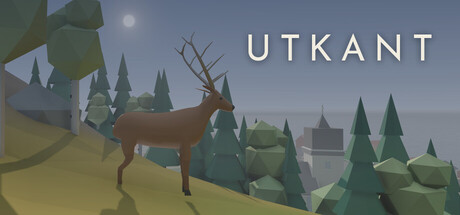 Utkant In-game content textcode | Utkant is a solo project developed with the help of AI coding assistants. The store page text and some in-game writing were drafted with AI assistance, then reviewed and edited by the developer. Nothing is generated by AI while you play. | Mathias Rørvik | - | Sep 25, 2026 | |
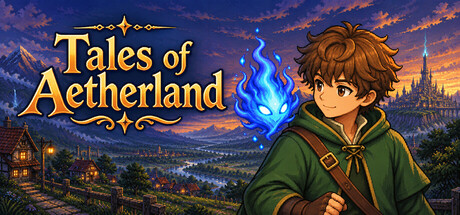 Tales of Aetherland In-game content arttext | Generative AI was used to assist in creating some in-game content, as well as store and library artwork. AI tools also assisted with store descriptions and translations. | 枫火火007 | - | Sep 25, 2026 | |
 Eyes Behind 2 In-game content artaudiotext | AI tools assisted in developing certain visual and audio elements, design references, and translations. The development team reviewed and finalized all published content. | chambazGames | - | Sep 25, 2026 | |
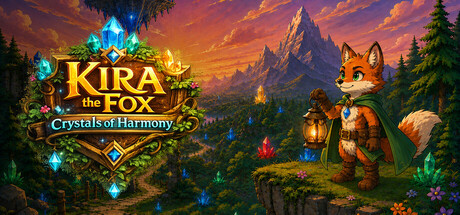 Kira the Fox: Crystals of Harmony In-game content artaudiocode | Levels, game design, boss patterns and story are entirely hand-made in a custom level editor built by the developer. The game code is written with AI coding assistants under the developer's direction. Character and environment sprites started as AI-generated sprite sheets and were hand-retouched frame by frame. Music is created with Suno. Most sound effects are synthesized procedurally by code written with an AI coding assistant, then selected and tuned by the developer; a few come from CC0 and royalty-free libraries (Kenney, OpenGameArt, Mixkit). No AI runs at play time. | Chant Premier | - | Sep 25, 2026 | |
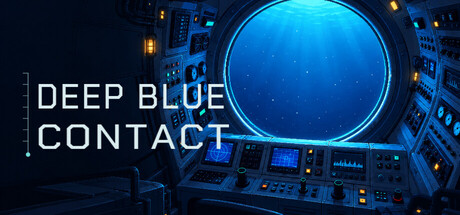 DEEP BLUE CONTACT Store/marketing arttext | Generative AI was used during development for some cabin and promotional artwork, written text, and localization. The marine-life videos are real underwater footage from NOAA Ocean Exploration. No AI content is generated and no external AI services are connected during play. | MIKADO WORKS | - | Sep 25, 2026 | |
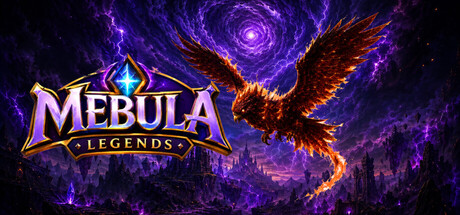 Mebula Legends In-game content art | Generative AI tools were used during development to create pre-rendered assets: creature and building artwork, icons, 3D models and parts of the store graphics. All assets were selected, edited and integrated by the developers. The game does not generate any content with AI while it is running. | Bitmeup | - | Sep 25, 2026 | |
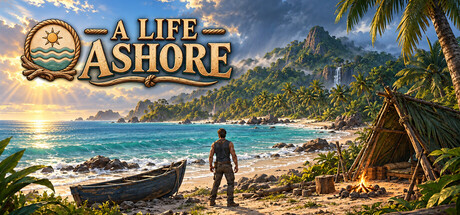 A Life Ashore In-game content artaudiotext | Generative AI tools were used during development to help create some 3D models and textures, UI and icon artwork, character voice recordings, sound effects, promotional artwork, and store-page text. These are pre-generated assets and text. | daggg3r | - | Sep 25, 2026 | |
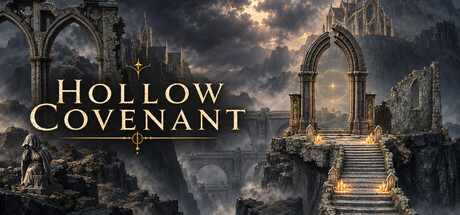 Hollow Covenant In-game content artaudio | Mesh generation, voices, music | Fellow Software LTDA | - | Sep 25, 2026 | |
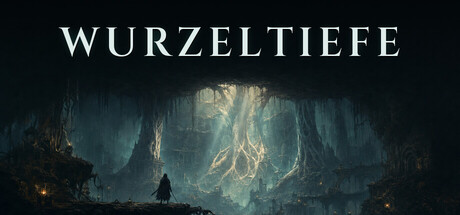 Wurzeltiefe In-game content arttextcode | Pre-generated content only; nothing is generated while playing. The painted room backgrounds, the doorway arches, character and creature sprites and the key art (title picture, also the basis of the store capsules) were created with a generative image model (OpenAI gpt-image-2) and then hand-composed, cropped, colour-matched and fitted with collision by the developer. Code, level design and texts were written with AI assistance (Anthropic Claude) under human direction and testing; music is synthesised by the game's own code (no AI audio). — DE: Ausschliesslich vorgenerierte Inhalte, nichts wird während des Spielens erzeugt. Die gemalten Raumhintergründe, Torbögen, Figuren- und Kreaturen-Sprites sowie die Schlüsselgrafik (Titelbild, Grundlage der Shop-Kapseln) wurden mit einem generativen Bildmodell (OpenAI gpt-image-2) erzeugt und anschliessend vom Entwickler von Hand komponiert, beschnitten, farblich abgestimmt und mit Kollision belegt. Code, Leveldesign und Texte sind mit KI-Unterstützung (Anthropic Claude) unter menschlicher Leitung und Prüfung entstanden; die Musik wird vom Spielcode selbst synthetisiert (kein KI-Audio). | AEV Studios | - | Sep 25, 2026 | |
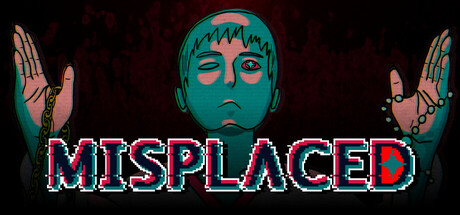 MISPLACED In-game content text | We use generative AI for localization support. All AI assisted translations are reviewed and edited by human translators before being included in the game. | BlueBlackSnake | - | Sep 25, 2026 | |
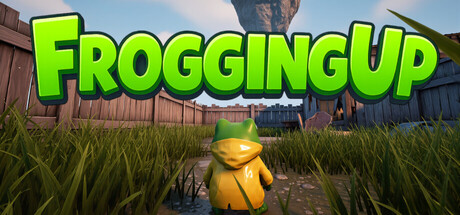 Frogging Up: Frog Climb Rage Game In-game content art | Generative AI was used to assist in the creation of some promotional and marketing materials (such as key art).
All in-game content, gameplay, and screenshots are created without the use of generative AI. | Witenovastudio OÜ | - | Sep 25, 2026 | |
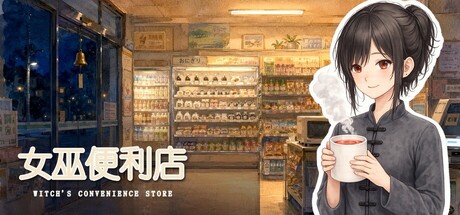 女巫便利店 Unclear | This work is produced by a one‑person company and AI. | 微光叙本游戏工作室 | - | Sep 25, 2026 | |
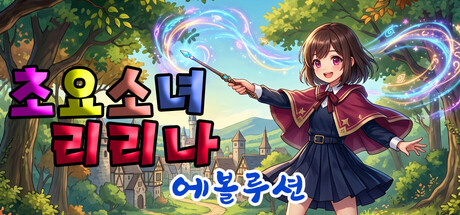 초요소녀 리리나 에볼루션 In-game content art | "All artwork and video scenes in this game were pre-generated using AI tools. The in-game content is completely fixed, and no adult content or mode-switching code/mechanics are provided." | SEO SOFT | - | Sep 25, 2026 | |
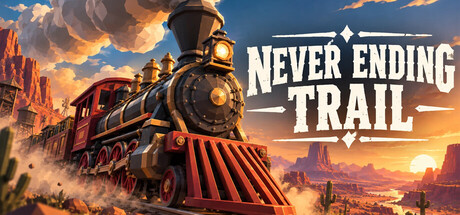 Never Ending Trail In-game content arttext | The store artwork (key art, capsule images, logo) was created with the help of generative AI and then selected and edited by hand. AI tools assisted with programming, in-game text and translations; all content was reviewed and revised by the developer. The in-game 3D models, textures and animations come from licensed asset packs and are not AI-generated. No content is generated by AI during gameplay. | Leonard | - | Sep 25, 2026 | |
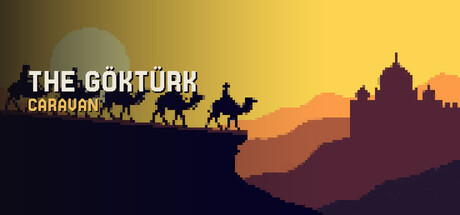 The Göktürk: Caravan In-game content arttext | Pre-generated content only. The game contains no live or runtime AI generation and makes no network connection.
Visual art: the pixel art in this game — sprites, backgrounds, key art, banners and icons — was produced with the assistance of generative AI image tools and then edited, composited, recoloured and assembled by hand for use in the game.
Written content and store text: the encounter text and the store description were written with AI assistance and edited by the developer.
Everything shipped was reviewed by a human before it went in. No content is generated while the game is running. | VATEC Games | - | Sep 25, 2026 | |
 BETWEEN ROOMS In-game content audio | The game includes pre-generated content created with the help of generative AI, including some character voice lines and sound effects. | Viis | - | Sep 25, 2026 | |
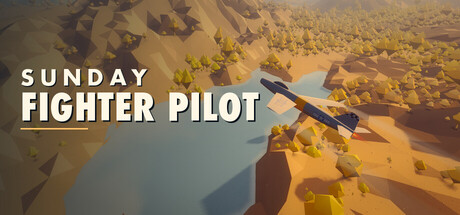 Sunday Fighter Pilot Dev only textcode | Sunday Pilot contains no AI-generated art, music, voice or in-game text.
Every visual in the game is rendered in real time from geometry and materials authored by hand in code — there are no image assets. Every sound is synthesized by the game while you play, from a physical model of the engine; no audio files ship with the game. All car data and track layouts are hand-authored.
The store page capsule art and screenshots are rendered by the game itself, using the same renderer that draws the game — they are not concept art, not painted, and not AI-generated.
The game description and other store page text were written with the assistance of an AI writing assistant, and portions of the game's source code were written with the assistance of an AI coding assistant. All of it was reviewed and edited by the developer.
The game does not use generative AI at runtime. Nothing is generated while you play, there is no network connection of any kind, and the game is fully playable offline. | nitzan.games LLC | - | Sep 25, 2026 | |
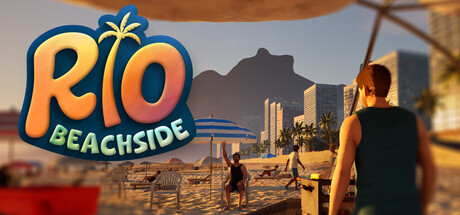 Rio Beachside In-game content audioart | In the trailer's song, NPC voices (although its only a placeholder) and 2 NPC's shirt textures. | Fazedor De Jogos | - | Sep 25, 2026 | |
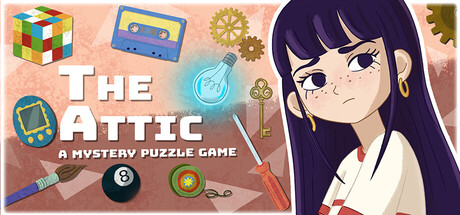 The Attic: A Mystery Puzzle Game In-game content text | Machine translation programs have been used for translations into the various languages, except for Spanish and English. | Tortita Studio | - | Sep 25, 2026 | |
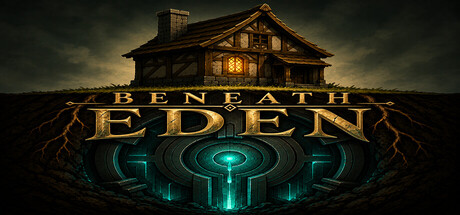 Beneath Eden Unclear | Vibe coding | VoodooDog | - | Sep 25, 2026 | |
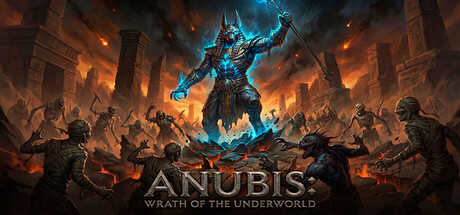 Anubis: Wrath of the Underworld Unclear art | Some textures and 3D models | Pavel Nikolov | - | Sep 25, 2026 | |
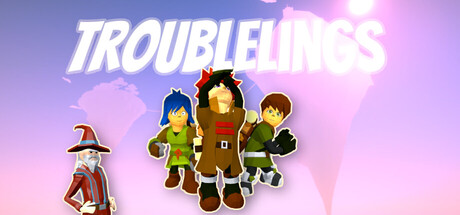 Troublelings In-game content audio | Some music tracks included in the game were created using generative AI tools by third-party music providers. These tracks are used under licenses that permit their inclusion in commercial projects.
The game's visual assets, 3D environments, characters, animations and other artwork are primarily human-created assets, including original work and commercially licensed asset packs or free asset packs.
The game does not generate AI content while running. | BRJ | - | Sep 25, 2026 | |
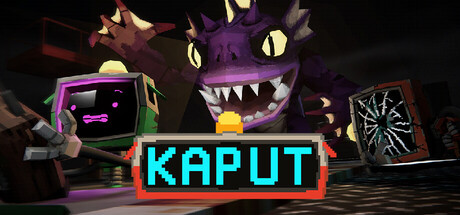 Kaput Dev only code | KAPUT is made by a small team, and we use AI coding assistants as a programming tool during development — to help write, refactor and review parts of the game's code and internal documentation. Every change is reviewed, tested and integrated by our developers, who are responsible for the final result.
The game's art, animation, music, sound design and writing are made by the team. No content is generated by AI while you play | Anima Dream | - | Sep 25, 2026 | |
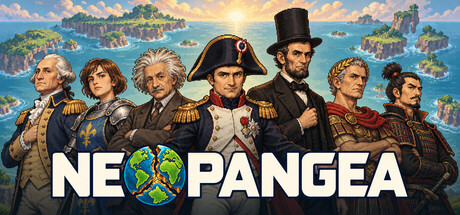 NeoPangea In-game content artaudiotext | Generative AI tools were used for selected visual assets, promotional artwork, trailer voices, and text/localization drafts. This content is pre-generated and reviewed during development. The game does not generate AI content during play or connect to an external AI service. | Lawliet | - | Sep 25, 2026 | |
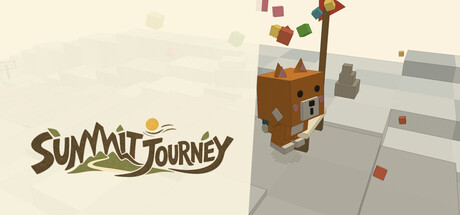 高山之旅 In-game content artaudiotext | AI-assisted programming tools were used during development to help write game code. Generative AI was also used to create or assist with portions of the artwork and logo, music, sound effects, written text, and localization in the game and its store and marketing materials. These uses take place during development and content production. The game does not use AI to generate content or code during gameplay and does not connect to external AI services during gameplay. | PANKUNHONG | - | Sep 25, 2026 | |
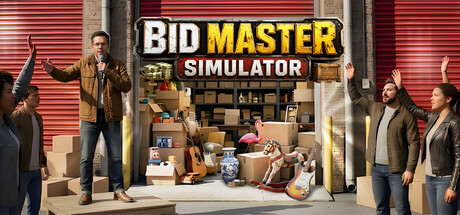 Bid Master Simulator Unclear | AI-generated artifacts | BMaster | - | Sep 24, 2026 | |
 Room Service Report Store/marketing codeart | AI tools assisted development by speeding up programming. Generative AI was also used for the game logo and Steam promotional artwork. | OfficialOppoz | - | Sep 24, 2026 | |
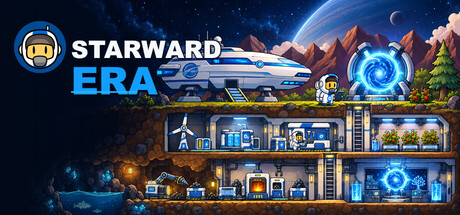 Starward Era In-game content arttext | Generative AI tools were used during development to assist with some artwork, text, localization, and other game content. All AI-assisted content is reviewed and edited by the developers before inclusion in the game. | QianMo Studio | - | Sep 24, 2026 | |
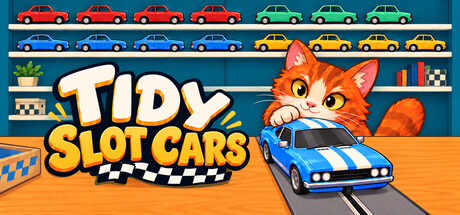 Tidy Slot Cars Store/marketing art | Generative artificial intelligence has been used to create store page thumbnails based on the developer's scene work. | GTGD | - | Sep 24, 2026 | |
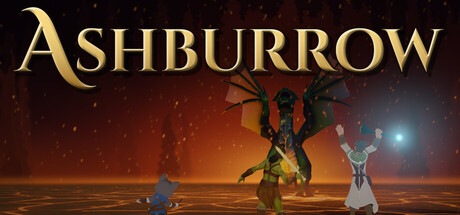 Ashburrow Unclear artaudio | AI was used during development to help with visual and sound effects. | mendlogames | - | Sep 24, 2026 | |
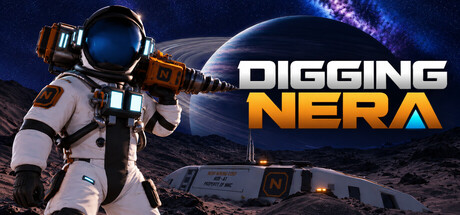 DIGGING NERA In-game content artaudiotext | I prefer to be clear and transparent about the development of Digging Nera, without attempting to hide, downplay, or minimize my use of AI or AI-assisted tools.
I am the sole developer of Digging Nera. I work without a team, without significant resources, and without formal training in game development. What I do have is my own artistic sensibility, curiosity, creativity, and willingness to learn. AI has been one of the tools that has helped me turn that vision into a game, and I have used it as follows:
I have primarily used generative AI to assist with localization and translation across the game's supported languages, as well as with the creation or refinement of selected visual and audio elements.
For some visual elements, I have used AI-assisted content as a starting point or production aid before selecting, adapting, editing, integrating, or reworking it to fit the artistic direction I established for the game. I have also used generative AI selectively to assist with certain audio elements and development-related tasks.
Developing Digging Nera represents a substantial personal investment of time and work. I have spent many hours designing and building its environments, implementing gameplay systems, testing, correcting issues, making adjustments, optimizing performance, and polishing the overall experience. AI tools are part of my production process, but they do not replace the work I put into designing, developing, testing, and shaping the game.
I personally designed and implemented the core of Digging Nera, including its environments, level design, gameplay mechanics, progression systems, narrative structure, user interface, world building, and overall creative direction.
I review, select, adapt where necessary, and integrate all AI-assisted content that ultimately appears in the game.
No generative AI is used in real time during gameplay. Digging Nera does not dynamically generate AI-created text, images, audio, levels, dialogue, or other content while the player is playing. | PC FORGE EXPERIENCE | - | Sep 24, 2026 | |
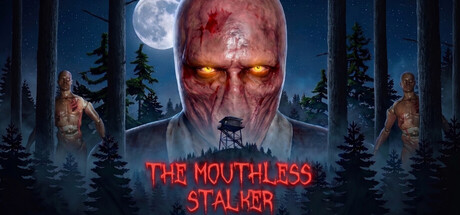 THE MOUTHLESS STALKER In-game content artaudio | Some textures and sound effects were created or edited using generative AI tools. | LP7studios | - | Sep 24, 2026 | |
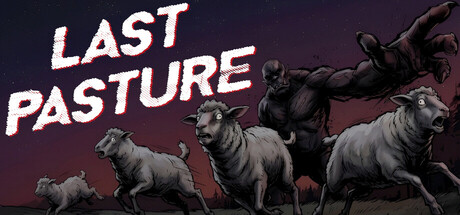 Last Pasture Unclear art | AI tools were used to assist in the creation of some visual assets | DrugTank | - | Sep 24, 2026 | |
 Fortrezo Desaparanta Dev only textart | I use generative technologies strictly in a supporting role, including: brain-storming; editing text; altering images; research; transcription…
Generated assets are never the first seed nor the last product of any content in my games. | Alex Henry | - | Sep 24, 2026 | |
 Clean Record Dev only code | AI tools were used to assist with writing and reviewing game code during development. No AI-generated art, audio, or narrative content ships in the final game. | Spichka Games | - | Sep 24, 2026 | |
 Javelin Dev only arttext | I use generative technologies strictly in a supporting role, including: brain-storming; editing text; altering images; research; transcription…
Generated assets are never the first seed nor the last product of any content in my games. | Alex Henry | - | Sep 24, 2026 | |
 Eclipsis Online In-game content artaudiocode | We use AI as a production tool in areas of development, with all creative direction, concepts, and final assembly done by humans:
Code assistance: AI tools help us write and debug GDScript/shader code for our Godot 4.5 engine. All architecture, game design decisions, and systems design are human-led.
3D models and art assets: Some 3D models and textures are AI-generated or AI-assisted, then manually cleaned up, retopologized, and integrated by hand. Final visual style and direction are decided by us.
Audio: Some sound effects and audio elements are AI-generated, then curated, edited, and mixed to fit the game.
Everything else — the game concept, world design, story, gameplay systems, and the process of bringing all elements together into the final game — is entirely human-made. | Eclipsis | - | Sep 24, 2026 | |
 KYOTIKYO In-game content art | AI was used for:
developing content concepts, such as structures, locations, and some smaller details;
creating parts of the environment, such as the day/night cycle and clouds;
generating animals. | playfuldreamer | - | Sep 24, 2026 | |
 Your City Coming Store/marketing art | Assets in Graphical Assets, including Store assets and Library assets, are used AI to design. | Alright Peaches Studio | - | Sep 24, 2026 | |
 RealMandelRender - Fractal Visualizer In-game content art | Generative AI was used to create the achievement icons. The application itself does not use generative AI: all fractal images and videos are rendered in real time from mathematical Mandelbrot-set calculations and user-selected settings. No AI-generated content is created while using the application. | ukaapple | - | Sep 24, 2026 | |
 Happy Sunny Doll In-game content artaudio | Generative AI tools assisted in producing content for the game and its store materials, including some images, music and character voices. Starlit Hall Studio designs, selects, revises, integrates and reviews the final content. All content is prepared before release; the game does not generate content or connect to generative AI services during play. | Starlit Hall Studio | - | Sep 24, 2026 | |
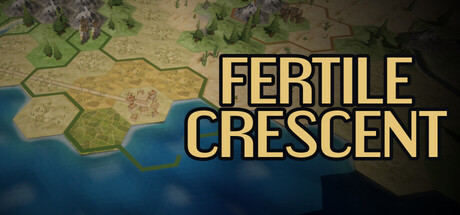 Fertile Crescent | very limited amount of ui elements was generated by ai | gold_iron_and_salt | - | Sep 24, 2026 | |
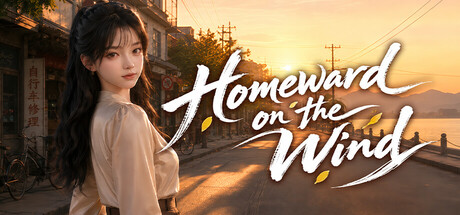 回到风吹过的地方 In-game content artaudio | Visual assets and music in Homeward on the Wind were created with the assistance of generative AI tools and were reviewed and refined by the development team. The game does not generate content in real time. All storylines, choices, and interactions are pre-designed. | 大吃一斤汉堡团队 | - | Sep 24, 2026 | |
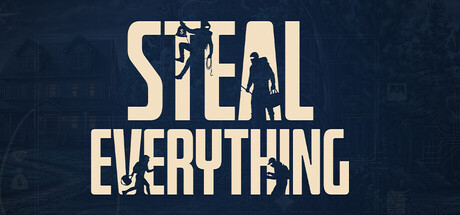 Steal Everything In-game content art | AI tools were used in a limited way to help generate parts of some in-game images. | Thief Crow Games | - | Sep 24, 2026 | |
 The Wokest In-game content artaudio | Generative AI was used during development to create some images, in-game assets, and voices. This includes artwork used on the Steam store page and in promotional materials. | Ichipinisu Studio | - | Sep 24, 2026 | |
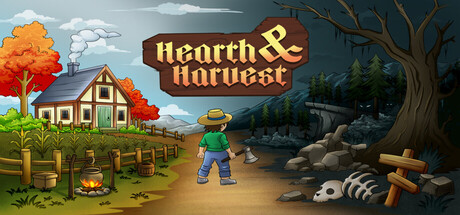 Hearth & Harvest In-game content text | Generative AI was used to assist in writing and translating the text descriptions for this store page. All in-game assets and code were created by human developers. | AD1 Studios | - | Sep 24, 2026 | |
 Steal the Chicken In-game content art | Some in-game image assets were generated using AI tools, but all of them have been re-arranged and painted over by our artists. | Bai | - | Sep 24, 2026 | |
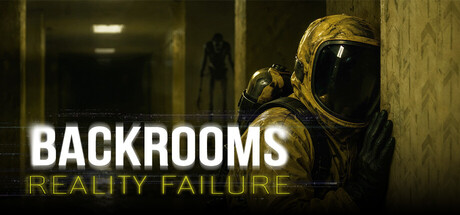 BACKROOMS: REALITY FAILURE In-game content art | Generative AI was used to assist with the creation of some visual assets and images included in the game. | GBS | - | Sep 24, 2026 | |
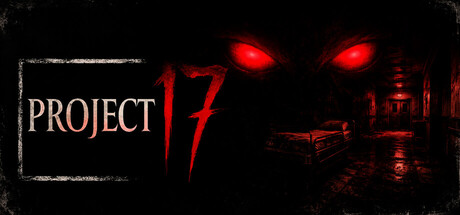 Project 17 Store/marketing art | Generative AI was used to create some pre-generated artwork for the game's Steam store page and marketing materials. The game itself does not generate AI content during gameplay. | Silent Hell | - | Sep 24, 2026 |


